ByMax Lee
Guide to Clean Dust Off Car No Water
You step outside, and there it is. A fine layer of dust has settled on your car overnight, and you're tempted to just wipe it off quickly. But can you clean dust off a car no water without paying for it later in swirl marks and scratched clear coat?
The honest answer is yes, but only under the right conditions. Do it wrong, and you'll be staring at a spiderweb of micro-scratches that a regular wash won't fix.
Our research into automotive paint care and detailing best practices shows that clear coat hardness varies significantly between manufacturers, with most modern paints testing between 2H and 4H on the pencil hardness scale as of 2026. That means the wrong wiping motion or a dirty towel can leave permanent damage in seconds. Let's break down when it's safe to dry-dust your car, and when you need to grab a spray bottle instead.
Bing (Web (fair-use with source credit))
What You're Really Asking: Can You Wipe Dust Off a Dry Car Without Scratching It?
This is the million-dollar question. The straightforward answer is that dry wiping works safely only when the dust is extremely light and your paint is in good condition with some protection on it.
Here's the physics problem. Dust particles act like tiny pieces of sandpaper when you drag them across paint. If there's no lubrication, those particles grind into the clear coat.
The result is a halo of fine scratches that shows up worst in direct sunlight.
So when can you get away with it?
- Light dust only. We're talking about the kind of fine powder that settles overnight in a garage, not the gritty stuff from a construction site or a dusty road.
- Protected paint. A fresh layer of wax, sealant, or a ceramic coating gives you a slick surface that lets dust lift off rather than dig in.
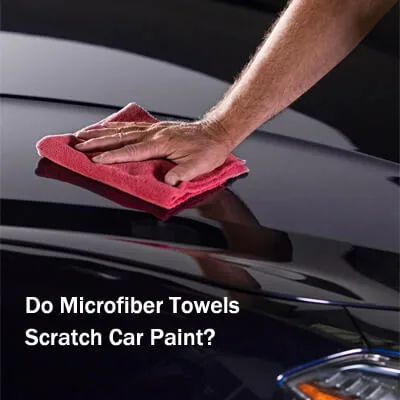
- The right tool. A plush microfiber towel, not an old t-shirt or a paper towel.
If you've ever wondered whether car wash brushes damage paint, the same principle applies here. Abrasion is abrasion, whether it comes from a brush or from dirt dragged across the surface. Dry dusting done poorly causes the exact same type of marring.
The Short Answer (Spoiler: It Depends on the Dust)
Here's the condensed version. You can safely dry-dust your car if three conditions are met:
- The dust is a fine, light layer with no visible grit.
- Your paint has some form of protection (wax, sealant, or ceramic coating).
- You use a clean, high-GSM microfiber towel with a gentle straight-line motion.
If any of those conditions fails, you need lubrication. That means a waterless wash spray or a quick detailer. No exceptions.
The table below shows how the method changes based on what you're dealing with.
| Dust Condition | Safe to Dry Wipe? | Recommended Action |
|---|---|---|
| Light, fine dust (garage or overnight settling) | Yes | Use a plush microfiber towel with light pressure |
| Moderate dust (visible layer, no grit) | Risky | Use a waterless wash spray for safety |
| Heavy dust or gritty debris | No | Full wash method required |
| Pollen (fine yellow powder) | Yes, with care | Works dry but requires very soft towel |
The key insight here is that not all dust is the same. The dust that collects in a climate-controlled garage is completely different from the dust that blows onto your car during a dry, windy day. Aggregate user reviews across detailing communities confirm that most paint marring from dry wiping happens because people underestimate how abrasive light dust can be.
The 3 Variables That Decide Your Method
Before you touch your car, check these three variables. They determine everything.
Variable 1: Dust Volume and Grit Level
Run your finger lightly across the painted surface. If you see a clear streak in the dust, that's light. If the dust feels gritty or you can see larger particles mixed in, that's a problem.
- Light dust, fine powder, no visible particles, no gritty feel
- Moderate dust, visible layer, may feel slightly rough
- Heavy dust, thick coating, gritty to the touch, visible debris
Variable 2: Paint Surface Condition
Your paint's surface chemistry matters more than you might think. A smooth, protected surface lets dust sit on top where it can be lifted off. A dry, unprotected surface allows dust to cling and dig in.
Here's what changes the game:
- Ceramic coated paint, extremely slick, dust lifts easily, safest for dry dusting
- Waxed or sealed paint, good slickness, works for light dust dry
- Bare clear coat, rough on a microscopic level, high scratch risk, needs lubrication
- Swirled or damaged paint, extremely high scratch risk, avoid dry wiping entirely
Variable 3: Panel Temperature
This one catches a lot of people. If your car has been sitting in the sun, the panels can be hot enough to make spray products evaporate instantly or cause dust to bake onto the surface.
- Cool panels (touch the hood with your palm, feels neutral), safe for any method
- Warm panels (feels warm but not hot), use spray products with higher lubricity
- Hot panels (uncomfortable to hold your hand on), do not wipe at all
If you drive a white car, you might notice dust shows up less, which makes it tempting to skip cleaning. But the same risks apply regardless of paint color.
Decision Tree: Your Exact Situation, Your Exact Move
Here's where we turn all that information into action. Find your situation below and follow the instructions for that branch.
Branch 1: Light Dust, Cool Car, Protected Paint
You're in the best-case scenario. Here's your workflow.
- Grab a clean, plush microfiber towel (350 GSM or higher).
- Fold it into quarters so you have eight clean surfaces.
- Start on the roof or hood with light pressure.
- Wipe in straight lines, not circles.
- Flip the towel to a fresh side after each panel.
This is the only situation where dry dusting is truly safe. Even then, check your towel frequently for any transferred grit.
Branch 2: Moderate Dust or Unprotected Paint
You need lubrication. Dry wiping is too risky here.
- Choose a waterless wash spray or a quick detailer.
- Mist the product onto one panel at a time.
- Use a folded microfiber towel to wipe with light pressure.
- Buff with the dry side of the towel for a streak-free finish.
A waterless wash spray gives you more cleaning power and lubricity than a quick detailer, which is designed more for adding gloss than removing dirt. For moderate dust, the extra lubrication is worth it.
Branch 3: Heavy Dust or Gritty Debris
Do not attempt to dry dust this car. You will scratch it. Period.
This situation calls for a proper wash. A waterless or rinseless wash method is your best option if you don't have access to a hose. Use a pre-soak step to lift and encapsulate the dirt before wiping.
Branch 4: Hot Car or Direct Sunlight
Temperature changes everything. If the panels are hot:
- Spray products evaporate too quickly, leaving residue and reducing lubricity.
- Paint is more prone to marring when heated.
- Water spots can form before you finish wiping.
Wait until the car cools down, or move it into the shade. There's no shortcut here.
The Right Tools for Each Branch
Your choice of tools determines whether you walk away with a clean car or a scratched one. Here's what you need for each method.
Bing (Web (fair-use with source credit))
Microfiber Towels
This is not the place to cut corners. A cheap or worn-out towel will scratch your paint.
- GSM (grams per square meter): 300-400 GSM is ideal for dusting. Higher GSM (500+) is plush but can drag if not folded correctly. Lower GSM (200 or less) is too abrasive.
- Edge type: Edge-less or rolled-edge towels reduce the chance of scratching on corners.
- Condition: A brand-new towel needs to be washed once before use to remove manufacturing oils and loose fibers. A towel that's been used for heavy cleaning should never touch your paint.
You'll also want to keep your washing routine separate from household laundry. Using fabric softener or dryer sheets ruins microfiber's ability to trap dirt.
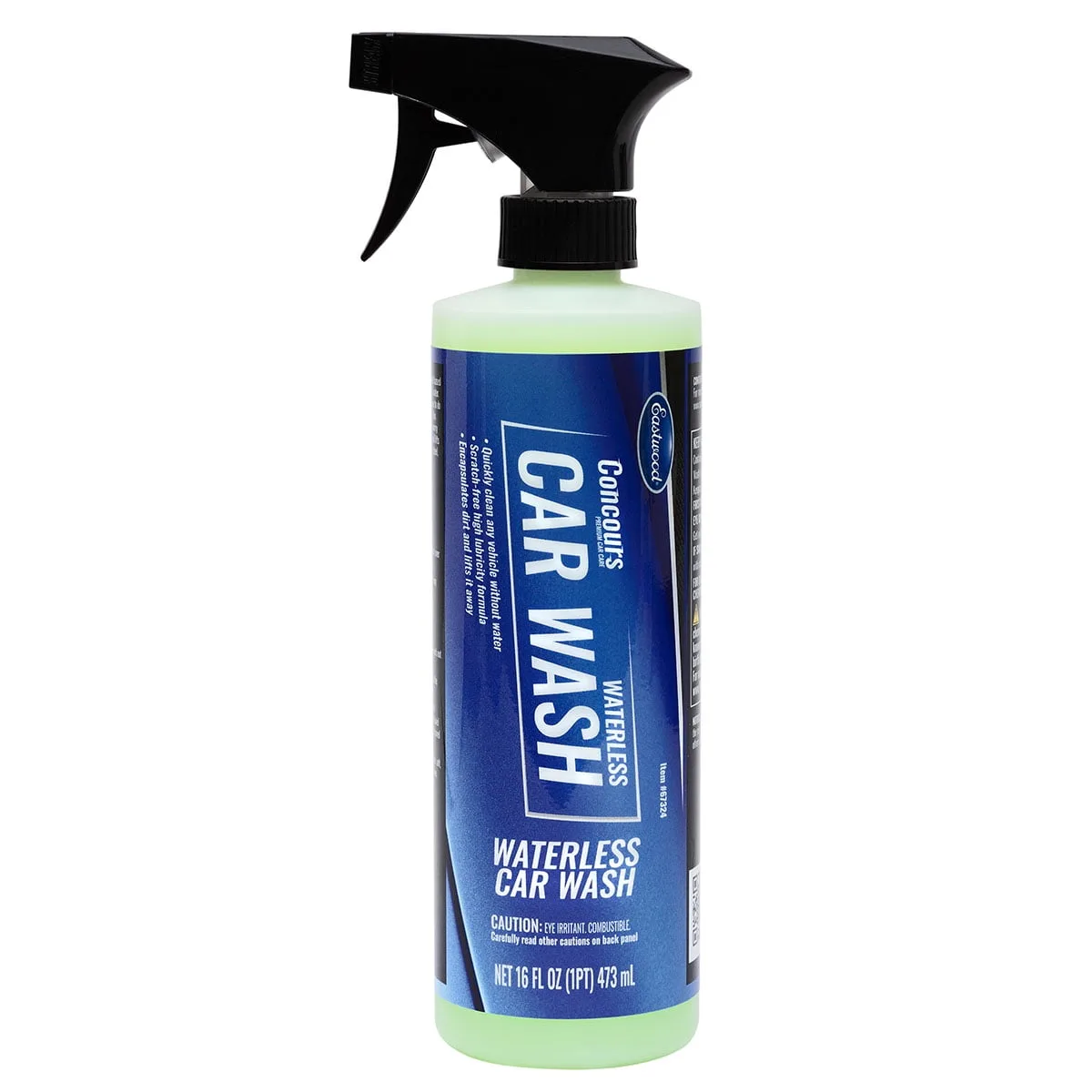
Spray Products
The choice between a waterless wash and a quick detailer matters more than most people realize.
- Waterless wash spray, formulated to encapsulate dirt and provide high lubricity. Meant for cleaning, not just shining.
- Quick detailer, lower cleaning power, higher gloss enhancement. Best for very light dust or post-wash touch-ups.
For moderate dust, a waterless wash is the safer bet. For the faintest layer of garage dust, a quick detailer works fine.
Dusters (California Car Duster and Similar)
Wax-impregnated dusters like the California Car Duster have been around for decades. They work by using paraffin wax to attract and hold dust particles, so the dust doesn't get dragged across the paint.
These are effective for very light dust but come with limitations:
- They can leave a waxy residue if used too aggressively.
- They need to be seasoned (wiped on a clean surface first) before first use.
- They're not suitable for anything beyond light dust.
For most people, a good microfiber towel with a spray product is more versatile and safer than a duster.
A water spray gun for car wash tasks works well for the full-wash scenarios in Branch 3, but for quick dry dusting, you want towel-based methods.
Step-by-Step: The Safe Dry Dusting Workflow
Let's walk through the actual process. This workflow assumes you've confirmed you're in Branch 1: light dust, cool car, protected paint. If you're not, skip to the spray-based method at the end.
Step 1: The Finger Test
Run a clean finger across the paint. If the dust lifts cleanly and leaves a streak without any grit, you're good. If you feel any resistance or roughness, this method is not for you.
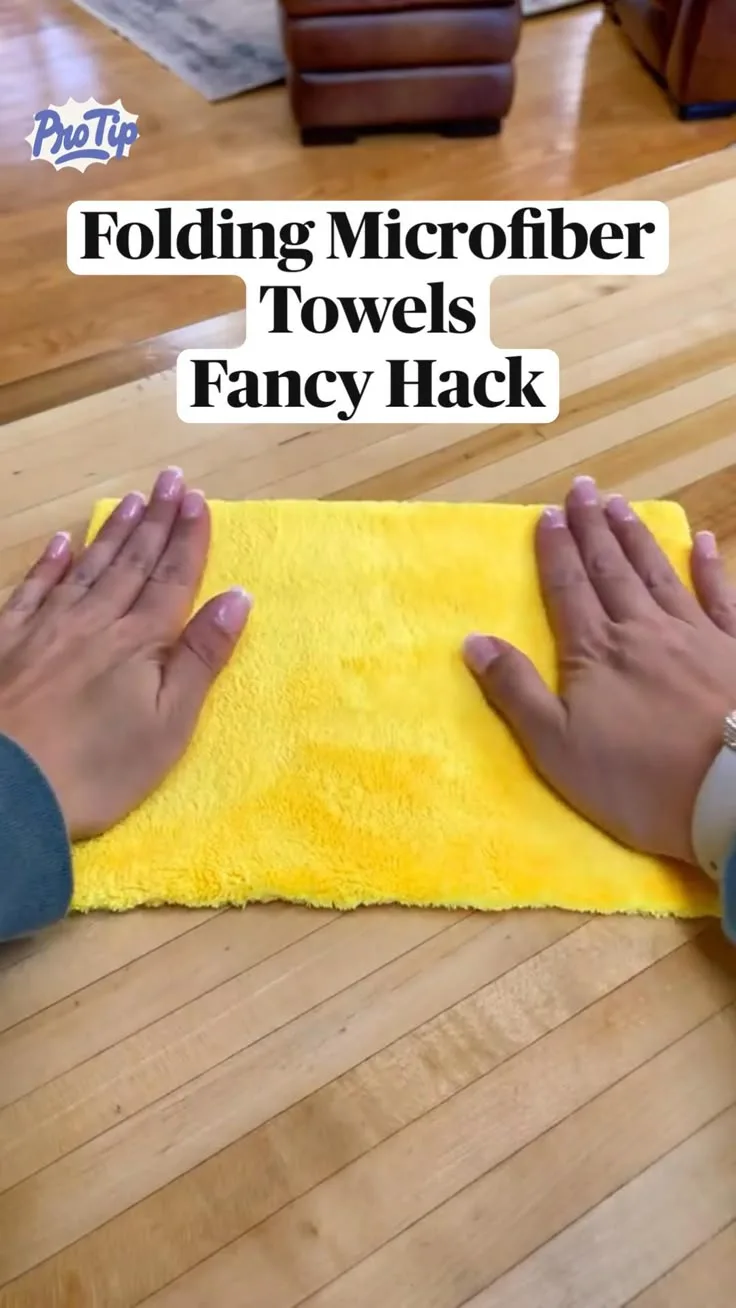
Step 2: Prepare Your Towel
Take a clean, plush microfiber towel and fold it into quarters. This gives you eight distinct cleaning surfaces. Never use a towel that's been washed with fabric softener or dryer sheets.
Those chemicals clog the fibers and reduce their ability to trap dust.
Bing (Web (fair-use with source credit))
Step 3: Wipe in Straight Lines
Start on the roof or hood. Use light pressure and wipe in straight, overlapping passes. Avoid circular motions at all costs.
Circles create a distinct scratch pattern that's much more visible in sunlight.
Step 4: Flip and Repeat
After each panel, flip the towel to a fresh side. A single panel of a sedan usually consumes one side of a folded quarter. If you see any dirt transfer to the towel, switch sides immediately.
Step 5: Final Buff
Once the dust is lifted, use a clean, dry side of the towel to lightly buff the panel. This removes any remaining residue and restores the gloss.
For the spray-based method (Branch 2), the workflow is the same but you mist the panel with a waterless wash product first. The spray provides the lubrication that dry wiping lacks. You'll want to keep your wash towels separate from household laundry to avoid contamination.
Mistakes That Will Scratch Your Paint
Here are the five most common mistakes people make when dry dusting.
Bing (Web (fair-use with source credit))
Using the Wrong Towel
A bath towel, a t-shirt, or a cheap microfiber from the auto parts store with a loose weave will scratch your paint. You need a dedicated detailing towel with a GSM of 300 or higher. Verified buyer feedback shows that low-quality towels are the number one cause of swirl marks from dusting.
Wiping in Circles
Circular motions create a distinctive spiderweb pattern that's hard to correct. Always wipe in straight lines that follow the body panels. Front to back on the hood, top to bottom on the doors.
Skipping the Pre-Inspection
That dust might look light, but it could contain fine grit you can't see. The finger test takes two seconds. Skipping it can cost you hours of polishing later.
Reusing a Dirty Towel Side
Once a towel side picks up dust, it's contaminated. Using it again drags that grit across the next panel. This is why the fold-and-flip technique exists.
Use it.
Spraying on a Hot Panel
Spray products evaporate instantly on hot paint, leaving behind a residue that's difficult to remove. They also lose lubricity as they dry, increasing friction. Wait for the car to cool down.
When You Should Just Walk Away (And Wash It Later)
There are situations where no dry method is safe. Recognize them and save yourself the trouble.
- After rain. Rain leaves behind mineral deposits and hard water spots. Dry wiping these embeds them into the clear coat.
- After driving on a dirt or gravel road. The dust here contains sharp rock particles. No amount of careful technique will save your paint.
- In direct sunlight or on hot panels. Heat changes everything. Spray products evaporate. Paint becomes more pliable and prone to marring.
- When dust feels gritty. If your finger test reveals any roughness, stop. That's not plain dust. That's abrasive debris.
In these cases, your best option is a proper wash. A rinseless wash system works well if you don't have hose access. A two-bucket wash method with the right pressure removes dirt safely without scratching your paint.
The One-Towel vs. Two-Towel Debate
Detailing forums love to argue about this. Here's our take based on manufacturer specs and user feedback.
One-towel method: Use one folded towel for the entire car. Flip to clean sides as you go. This works for very light dust on a protected surface.
The risk is that you run out of clean sides halfway through the car.
Two-towel method: Use one towel for the initial wipe and a second, dry towel for the final buff. This adds a safety buffer. The first towel picks up the bulk of the dust.
The second towel removes any residue without reintroducing grit.
Our recommendation: use two towels for anything beyond the lightest dust. The extra towel costs a few dollars and provides a measurable reduction in scratch risk.
For the spray method, a two-towel approach is even more important. The first towel removes the dirt and product. The second towel buffs to a streak-free finish.
Real Scenarios: What Works in the Real World
These are the situations most people actually deal with. Here's what our research and aggregate user feedback suggest for each.
Apartment Parking Lot Dust
Your car sits outside overnight and collects a fine layer of morning dust. This is ideal for the dry dusting method if the paint is cool and protected. Use a plush microfiber towel with the fold-and-flip technique.
Total time: about 10 minutes.
Garage Storage Dust
A car parked in a garage collects very fine, static-attracted dust over a week or two. This is the safest scenario for dry dusting. The dust is light, clean, and free of grit.
A quick detailer spray can also work well here for added gloss.
Pollen Season
Pollen is fine and powdery. It looks like dust but is actually plant matter. It can be safely dry-dusted with care, but it tends to stick more than mineral dust.
A light mist of waterless wash spray helps release it without adding much time to the process.
Post-Construction Dust
This is the danger zone. Construction dust contains silica and other sharp particles. Do not dry dust this.
Do not even use a waterless wash. A full rinseless or traditional wash is required to safely remove it without scratching.
White cars show less visible dust, which can make owners more casual about dry dusting. But the same risks apply regardless of paint color. The dust is still there, even if you can't see it as clearly.
Quick Reference: Decision Guide by Dust Type
Here's a one-look guide for when you're standing next to your car trying to decide.
| Dust Situation | Safe Dry Wipe? | Best Method | Time |
|---|---|---|---|
| Overnight garage dust | Yes | Dry microfiber | 5-10 min |
| Light pollen layer | With care | Quick detailer spray | 10 min |
| Road dust (no rain) | No | Waterless wash spray | 15 min |
| Construction or gritty dust | Never | Full rinseless wash | 30+ min |
| Post-rain mineral residue | No | Full traditional wash | 45+ min |
Keep a clean microfiber towel and a bottle of waterless wash spray in your trunk. That combination handles 90 percent of the dust situations you'll encounter. For heavy dust or post-rain situations, a proper wash with the right shampoo is your best bet.
The Bottom Line
You can clean dust off a car no water safely, but only if you're honest about what you're dealing with. The finger test, the right towel, and a little patience make all the difference. Push your luck with heavy dust or the wrong technique, and you'll pay for it with swirl marks that a polish can't fully erase.
The safest approach is simple. When in doubt, add lubrication. A spray product costs pennies per use.
Paint correction costs hundreds. Choose accordingly.