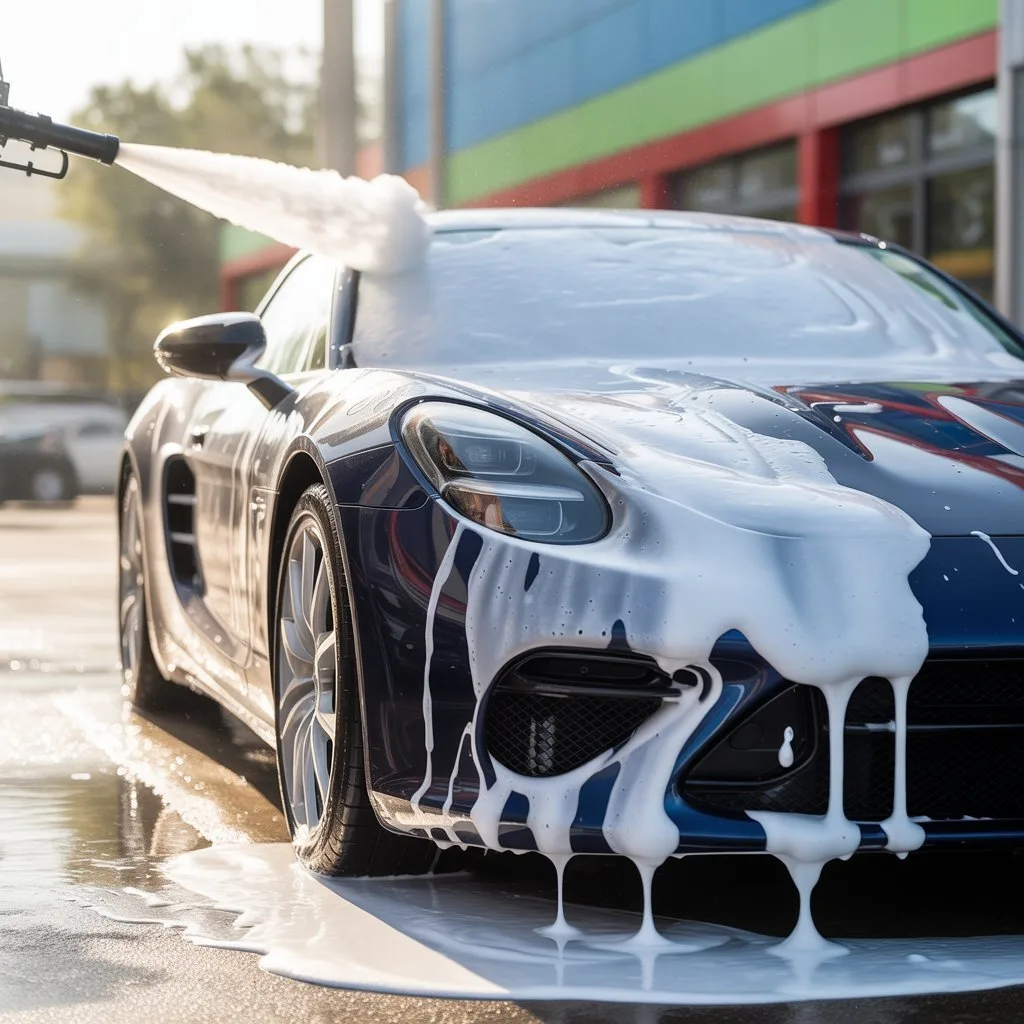
ByMax Lee
How Are Black Cars Easy to Wash (2026) — Explained Simply
So, are black cars easy to wash? If you've asked yourself that question after eyeing a glossy black sedan or SUV, you're not alone. It's one of the most common questions new car owners ask, and the answer depends entirely on your situation.
Manufacturer specifications indicate that black paint uses the same clear coat as any other color, but the contrast makes every imperfection scream. As of 2026, modern clear coats are harder than those from a decade ago, but the fundamental challenge hasn't changed. Let's walk through what actually matters so you can decide if black is right for you.
Quick Answer
No, black cars are not easy to wash. They show dirt, dust, swirl marks, and water spots more than any other color. You need special tools and techniques to keep them clean.
Expect to spend more time and effort than you would with a lighter color. But if you have the right process, it's manageable.
Image source: Bing (Web (fair-use with source credit))
Why This Question Has No Simple Yes or No
Ask ten car owners if black cars are easy to wash, and you'll get ten different answers. That's because the difficulty isn't about the paint itself, it's about your standards, your environment, and your tools.
A black car that's garage-kept, ceramic-coated, and washed with the two-bucket method can look amazing with reasonable effort. The same car parked under a tree, washed with a dirty sponge, and dried in direct sun will look worse after every wash. The paint didn't change.
Your approach did.
The real question isn't whether black cars are hard to wash. It's whether you are willing to adapt your routine to the demands of dark paint.
The Three Key Variables That Decide How Hard Your Black Car Will Be
Three factors determine your experience. Let's break each one down.
Your Paint Type and Condition
Not all black paint is the same. Factory clear coats vary in hardness between manufacturers. Some brands use soft clear coats that mar easily.
Others use harder formulations that resist swirling.
If your paint is already swirled or scratched, every wash becomes harder because you're fighting existing damage. A fresh, well-maintained clear coat is much more forgiving.
Your Environment and Water Quality
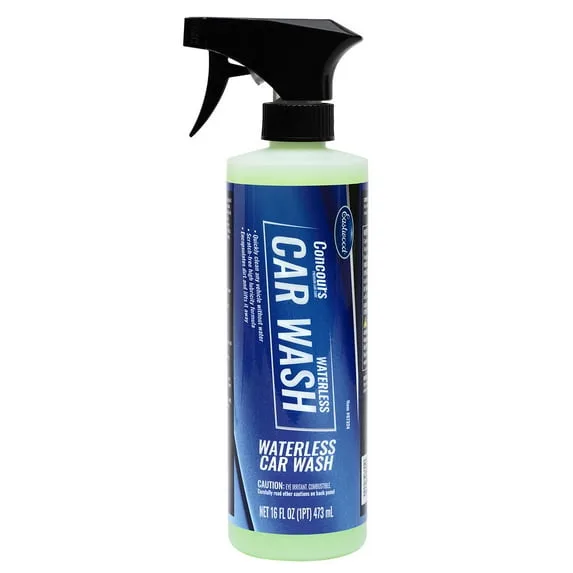
This is the variable most people overlook. Hard water leaves mineral deposits that show instantly on black paint. If you live in an area with hard water, you'll need a water filter or a rinseless wash method to avoid spotting.
Parking situation matters too. Street-parked black cars collect dust faster than garage-kept ones. Tree sap, bird droppings, and pollen are more visible on black than on silver or white.
Your Time, Tools, and Tolerance for Imperfection
Here's the honest truth: if you want a showroom shine, black requires more time. If you're okay with a few water spots or light swirls, it's not that bad. Your tolerance level is the biggest factor.
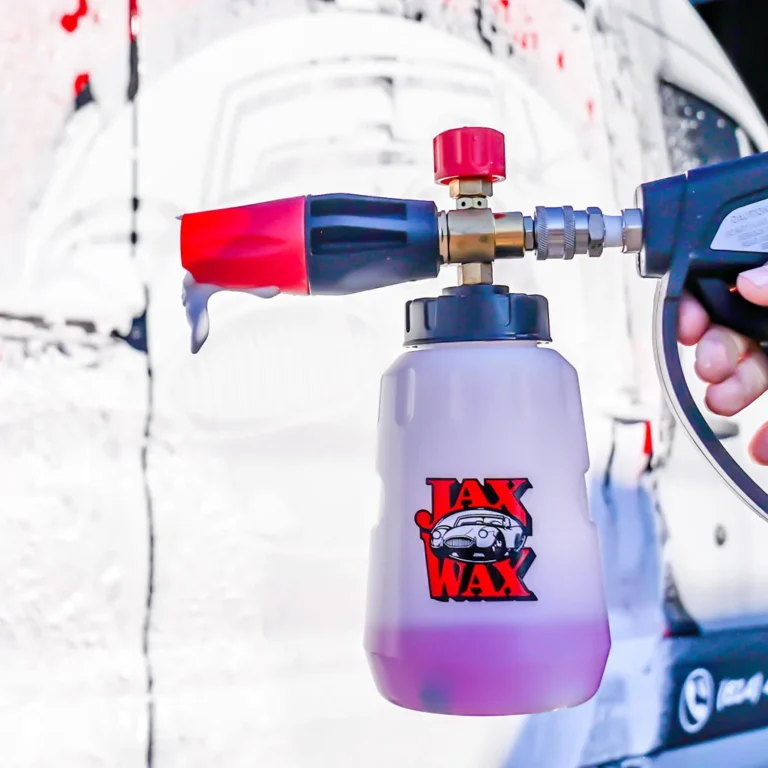
Tools also make a difference. A proper wash mitt, two buckets with grit guards, a good drying towel, and a pH-neutral shampoo are non-negotiable. Skip any of them, and you'll introduce scratches.
Quick Decision Tree: Is Washing a Black Car Easy for You?
Use this simple flow to find your answer.
- Do you park in a garage?
, Yes → Less dust, less UV exposure. Easier.
, No → More frequent washing needed. Harder.
- Do you have hard water?
, Yes → You'll need a deionizer or rinseless wash. Harder.
, No → Standard washing works. Easier.
- Do you have 45-90 minutes per wash?
, Yes → You can do it properly. Manageable.
, No → You'll cut corners and see imperfections. Harder.
- Do you mind visible swirl marks?
, Yes → You'll need correction and careful technique. Harder.
, No → You can wash quickly and ignore minor defects. Easy.
If you answered "yes" to all the harder outcomes, washing a black car will be frustrating. If you answered "easier" to most, it's perfectly doable.
What Makes Black Paint So Difficult (and What Doesn’t)
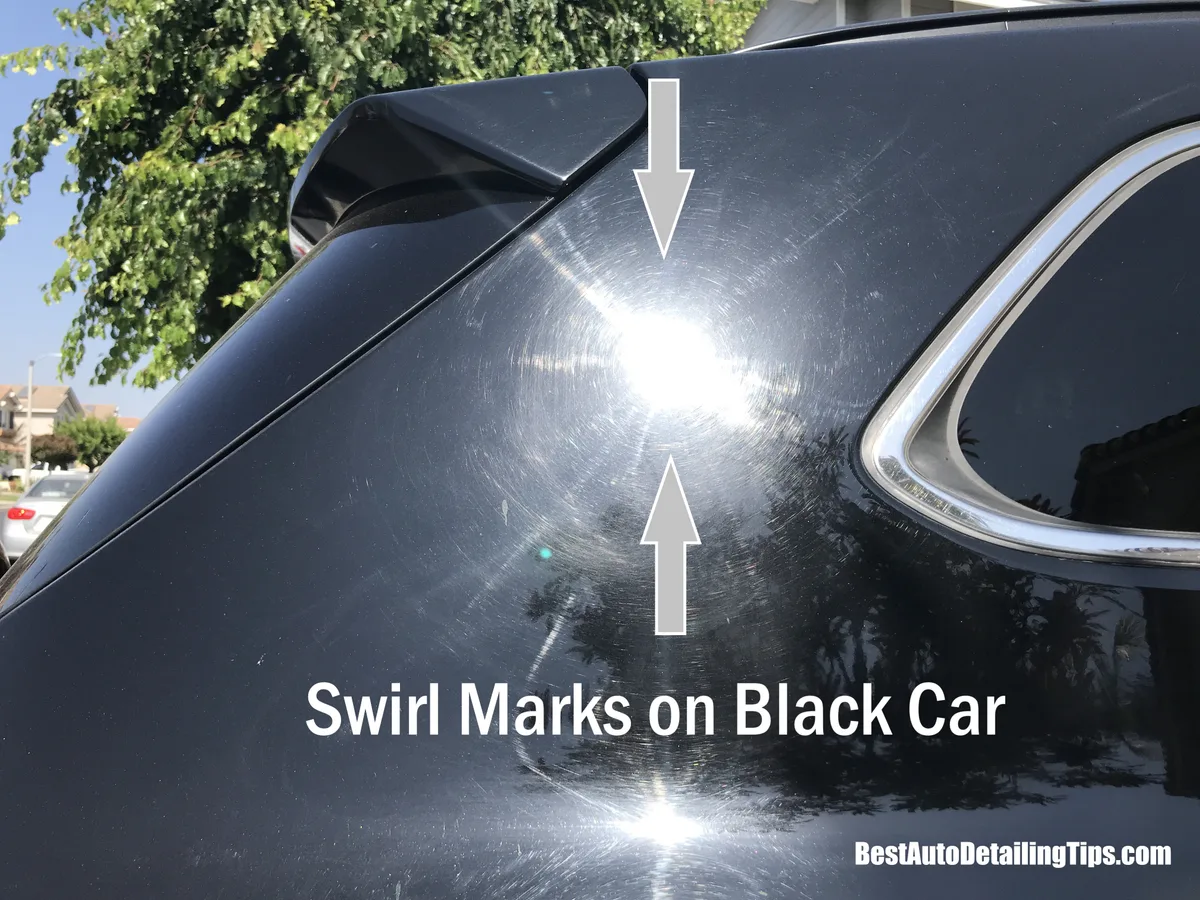
Image source: Bing (Web (fair-use with source credit))
Let's separate fact from myth.
What actually makes black paint difficult:
- Contrast. Swirl marks, scratches, and water spots are white or light-colored against the dark surface. They jump out at you.
- Heat absorption. Black paint gets hotter in the sun, which makes water dry faster and leaves more spots.
- Static attraction. Some research suggests dark paint can hold more static charge, pulling dust from the air. You'll notice dust within hours of washing.
What doesn't make it harder:
- The paint itself isn't weaker. Black cars aren't more prone to scratches just because they're black. The clear coat is the same.
- Black cars don't get dirtier faster in terms of grime. They just look dirtier because dust shows.
So the difficulty is visual, not structural. Your eyes are the problem.
The Two Biggest Pain Points: Swirl Marks and Water Spots
Image source: iNaturalist / Irene
These two issues cause more frustration than anything else.
Swirl Marks
Swirl marks are fine scratches in the clear coat that create a spiderweb pattern under light. They come from:
- Washing with a dirty mitt or sponge
- Using a bucket without a grit guard
- Drying with a towel that has trapped debris
- Taking your car through an automatic car wash with brushes
Once they're there, you can't wash them out. You need machine polishing to remove them. That's why prevention matters so much.
Water Spots
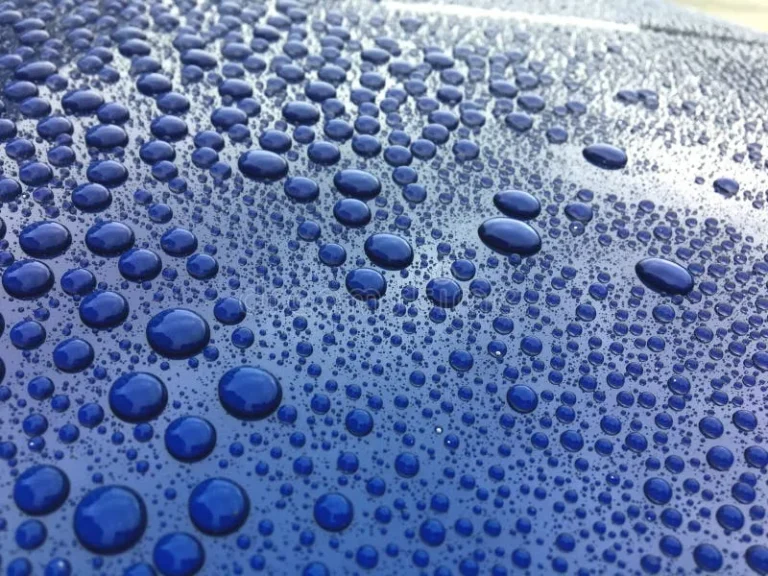
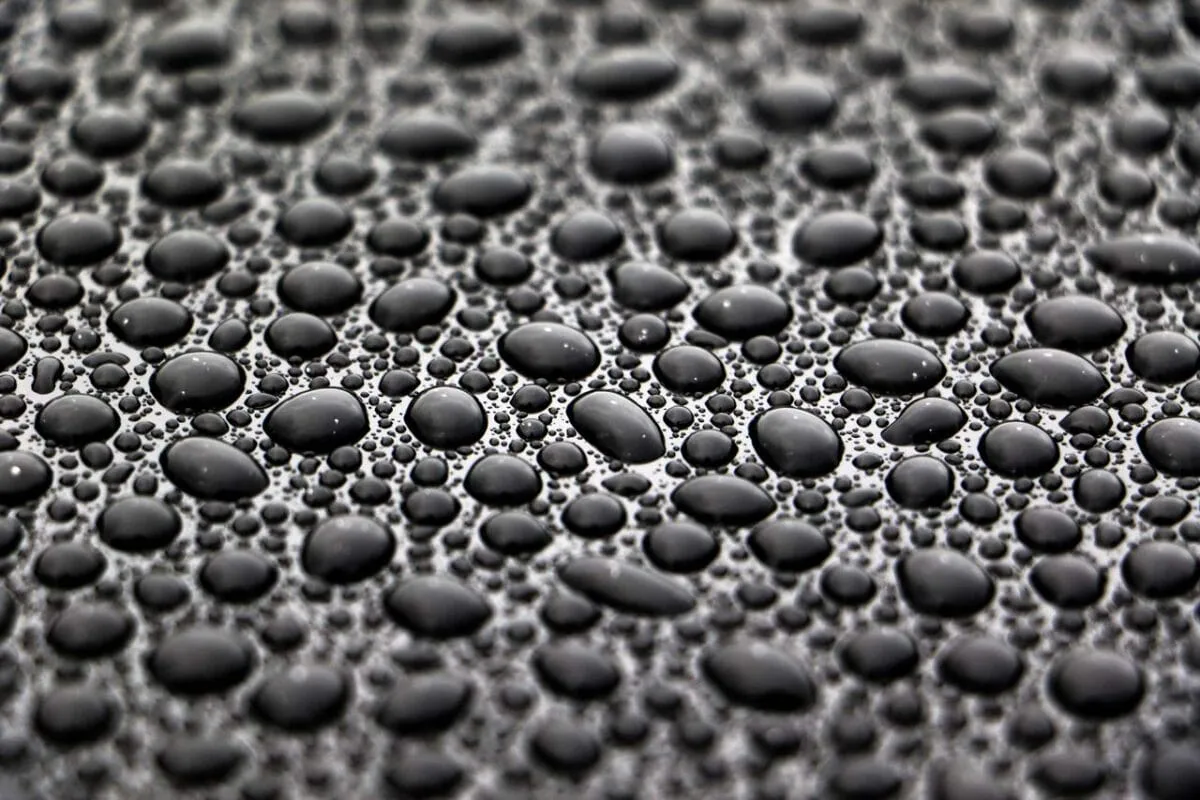
Hard water contains minerals like calcium and magnesium. When water evaporates on black paint, those minerals remain as white spots. In direct sun, they can etch into the clear coat permanently within minutes.
The fix is to dry your car immediately after washing, or use a rinseless wash that doesn't leave mineral deposits. A good best hard water spot remover for cars can help with existing spots, but prevention is easier.
Both pain points are manageable with the right habits. But ignoring them guarantees a frustrating experience.
[Continued in next section with remaining H2s]
Bing (Web (fair-use with source credit))