ByMax Lee
Guide to Colorado Move Over Law for Snow Plows and Winter Maintenance Vehicles
You hear that siren or see those flashing amber lights on a snow plow, and suddenly you're not sure what the law actually expects you to do. The Colorado move over law for snow plows and winter maintenance vehicles isn't just a suggestion. It's a specific legal requirement that can cost you hundreds in fines and points on your license if you get it wrong.
According to the Colorado State Patrol, more than 900 plows hit Colorado roads each winter season, and drivers who don't follow the law are a leading cause of close calls. So let's break down exactly what this law says, when it applies, and how to drive around these massive machines without putting yourself or the plow operator at risk.
Quick Answer
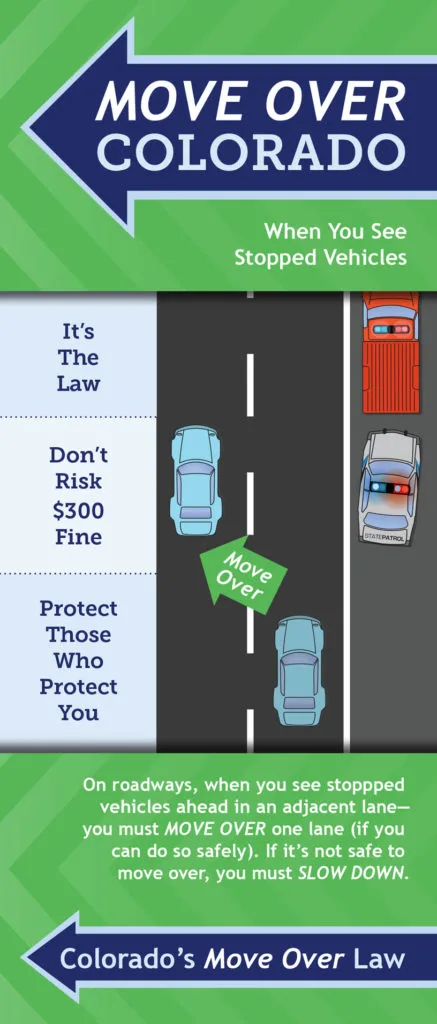
The Colorado move over law requires drivers to change lanes away from any stopped or slow-moving maintenance vehicle. If you can't change lanes safely, you must slow down to at least 25 mph below the posted speed limit. This applies to snow plows, sand trucks, and de-icing vehicles.
Violations bring fines starting around $35 plus surcharges and 3 to 4 points on your license. The law covers both stationary and moving maintenance operations.
Why This Law Matters More Than You Think
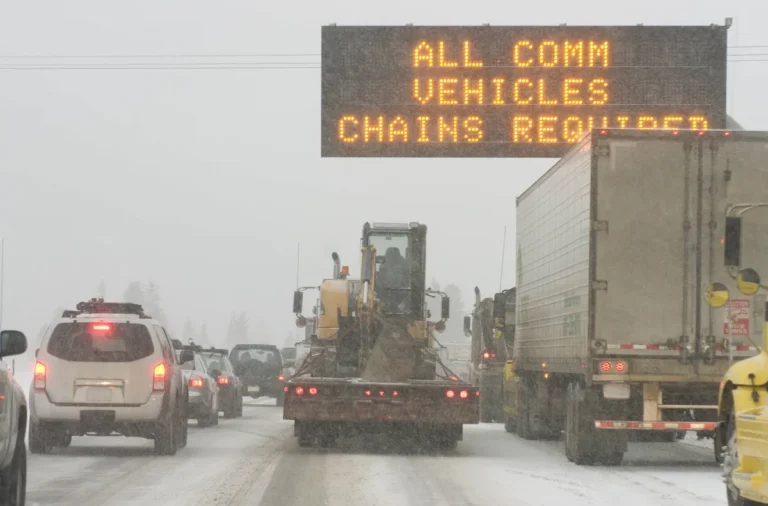
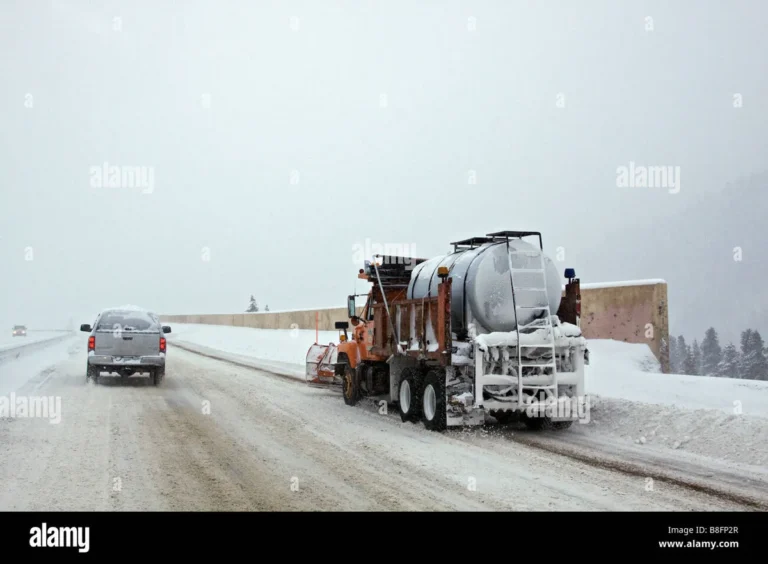
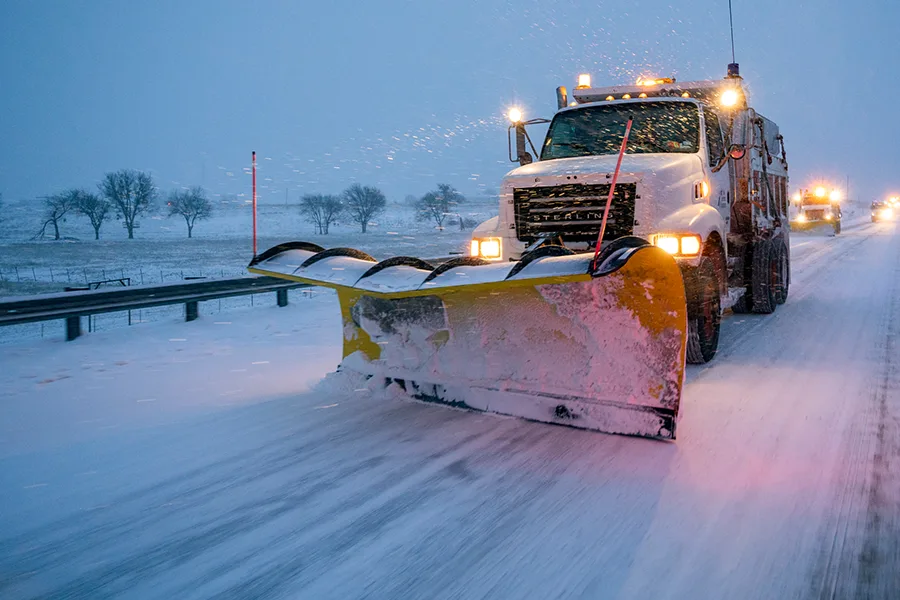
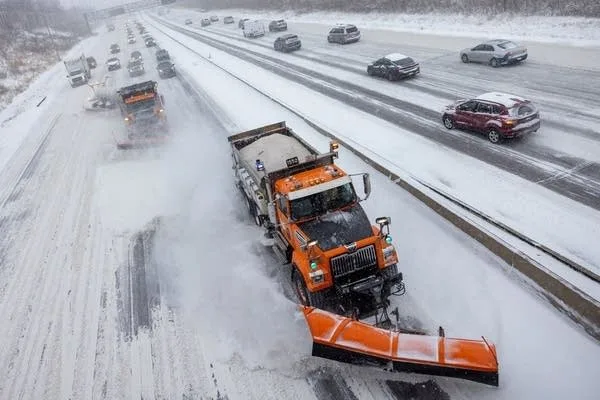
Think of a snow plow as a moving work zone. The driver is focused on clearing the road, not watching for cars zipping past. A plow can throw snow, ice, and salt in every direction, creating instant whiteout conditions for anyone following too close.
Worker safety is the real reason behind the law. Plow operators sit inches from traffic moving at highway speeds. A single rear-end collision at 65 mph can be fatal. CDOT reports that nearly 30 plows are hit each year in Colorado.
That's almost three per month during winter.
The law also protects you. When you move over or slow down, you give yourself more reaction time on icy roads. You avoid the spray that blinds your windshield. And you keep your car out of the plow's blind spots, which are massive on those long, wide trucks.
For more on Colorado driving tips, check our blog. But here's the short version: this law exists because plows are vulnerable, and so are you. Treat them like a highway crew with flashing lights, not a slow car you need to pass.
What the Colorado Move Over Law Actually Says About Snow Plows
The exact text comes from Colorado Revised Statutes, specifically C.R.S. 42-4-705 and 42-4-802. Here's what they mean in plain language.
The law applies to any maintenance vehicle with flashing lights. That includes:
- Snow plows (both CDOT and private contract)
- Sand and salt trucks
- De-icing trucks
- Graders and other heavy equipment used for road maintenance
Your two legal options, in order of priority:
Change lanes. If there's a lane next to you that is clear and safe, move into it. This is the preferred action. Staying in the same lane is only acceptable if no other lane exists or if it's unsafe to change lanes.
Slow down. If the road only has two lanes or traffic prevents a lane change, you must slow down. How much? At least 25 mph below the posted speed limit. If the limit is 65, you drop to 40. If the limit is 55, you drop to 30.
Yes, even if the plow is moving. That's the part most drivers miss. The law covers "stationary or slow-moving" maintenance vehicles. A plow driving at 35 mph on a 65 mph highway is slow-moving.
You still need to move over or drop to 40 mph.
Who Must Follow This Law (Spoiler: Everyone With a Wheel)
Every driver on a Colorado road has to follow this law. It doesn't matter if you're in a car, a truck, a motorcycle, or an RV. It doesn't matter if you live in Colorado or you're just passing through from another state.
The law applies on all public roads. That includes:
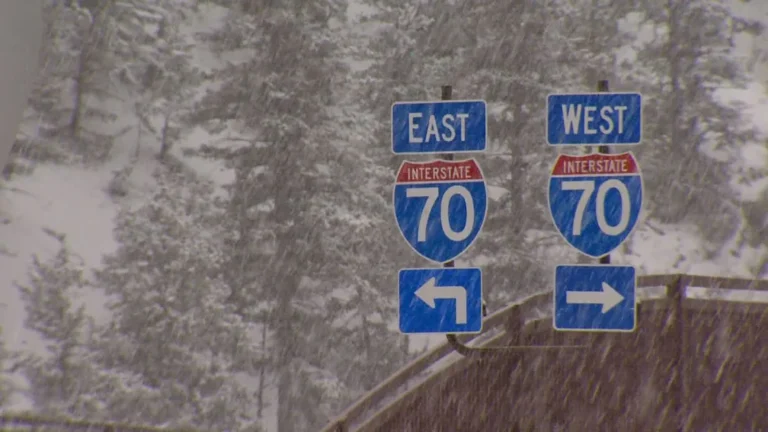
- Interstates (I-25, I-70, I-76, I-225)
- U.S. highways (US-285, US-36, US-50, US-550)
- State highways and county roads
- City streets where maintenance vehicles are working
Out-of-state drivers are not exempt. Colorado State Patrol officers can and do cite drivers from other states. The law is clearly posted on signs approaching Colorado's borders and on the back of most maintenance vehicles themselves.
Commercial drivers face extra scrutiny. If you hold a CDL, a violation here can trigger points on your commercial license, which could affect your employment. The same rules apply, but the consequences are higher.
When the Law Applies: Stationary vs Moving Maintenance Vehicles
This is where most confusion happens. Let's separate the two scenarios.
Stationary maintenance vehicles (parked on the shoulder or blocking a lane): The law applies exactly like the emergency vehicle move over law. You must vacate the adjacent lane if one exists. If not, slow down to 25 mph below the limit.
Moving maintenance vehicles (plow actively clearing the road): The law still applies. The key is "slow-moving." A plow traveling at 35 mph on a 65 mph road is slow-moving relative to traffic. You still have to move over or drop to 40 mph.
What about when the plow is going the same speed as traffic? If the plow is keeping up with traffic flow (say, both are doing 45 mph in a 45 zone), then it's not "slow-moving." But in practice, plows rarely match full speed. They're driving slower to clear snow. Assume the law applies any time you see amber or blue lights flashing.
Common trap: If the plow is moving and you try to pass it on the right. Don't. The law only covers the side of the vehicle you're approaching, but passing on the right near a plow is dangerous and can still lead to a citation under general reckless driving statutes.
What "Slow Down" Really Means in Practical Terms
The law says 25 mph below the posted speed limit. But what does that look like in real driving?
On the interstate: If the limit is 65, you drop to 40. That feels slow. It might feel unsafe with traffic behind you.
But it's the law. Put your hazards on if you're worried about being rear-ended, and change lanes as soon as you can.
On a two-lane highway: If the limit is 55, you drop to 30. That's a significant slowdown, but it's safer than squeezing past a plow at full speed. Wait until the plow pulls off or the road widens to a passing zone before you try to go around.
In a work zone: If the posted speed is already reduced to 40, you need to drop to 15. That sounds extreme, but it's the legal requirement. A judge won't expect you to drive 15 mph if that creates a hazard.
Use common sense: slow down significantly, but don't become a rolling roadblock. In practice, dropping to 20 below is usually enough.
But what if other drivers are honking or tailgating? Their impatience is not a legal defense. You can be cited for not slowing down even if someone behind you is pressuring you. The safest move is to put on your turn signal, slow down gradually, and change lanes the moment it's clear.
Remember: you're protecting lives, not just avoiding a ticket. A plow operator's survival depends on drivers like you giving them space. The fine is annoying, but a collision can be permanent.
The Penalties: Fines, Points, and Hidden Costs
Let's talk about what happens if you ignore this law. The base fine starts around $35, but that's rarely what you'll actually pay. Court costs, surcharges, and administrative fees can push the total to $150 or more for a first offense.
Points on your license are where it stings. A violation typically adds 3 to 4 points to your Colorado driving record. Get 12 points in 12 months, and your license gets suspended. That means a single plow-related citation uses up a quarter of your allowance.
Insurance companies notice. A move over violation shows up as a moving violation on your record. Your rates can jump 15 to 25 percent for three years. Over that time, you might pay an extra $600 to $1,200 in premiums.
The ticket itself is cheap. The long-term cost is not.
What about a second offense? Penalties increase. The fine goes up. The points can climb to 4 or more.
In serious cases, especially if a collision happens, you could face reckless driving charges, which carry heftier fines and possible jail time.
Commercial drivers face even more risk. A CDL holder with a violation can lose their job. Many trucking companies have zero-tolerance policies for moving violations. One bad decision around a plow can cost you your career.
Step-by-Step: How to Safely Approach and Pass a Snow Plow
You see the flashing amber lights ahead. Here's exactly what to do in four steps.
Step 1: Slow down early. Don't wait until you're right behind the plow. Start reducing speed as soon as you spot the lights. This gives you time and space to make a safe decision.
It also warns the driver behind you that something is happening.
Step 2: Check your mirrors and blind spots. Before you change lanes, look carefully. Plows are long and wide, and they sometimes extend into adjacent lanes. Make sure the lane next to you is clear.
Check twice. Snow and spray can hide other vehicles.
Step 3: Change lanes safely if possible. Signal your intention, then move into the next lane. Leave plenty of room between you and the plow. Don't cut back in too soon.
The plow might be throwing snow or salt that could hit your car.
Step 4: If you can't change lanes, slow to 25 mph below the posted limit. Put your hazards on if traffic behind you is heavy. Keep your distance. At least 200 feet is recommended.
That gives you time to react if the plow slows or stops suddenly.
What if the plow is in a no-passing zone? Don't pass. Wait until the road markings allow it. Passing a plow on a double yellow line is illegal and dangerous.
The plow might be straddling both lanes or about to turn.
What if the plow is on the shoulder? If it's stationary with lights flashing, move over if you can. If traffic prevents it, slow down significantly. Even a parked plow can have an operator walking around it.
Common Mistakes That Get Drivers Cited or Worse
We've seen the same errors over and over. Here are the ones that catch drivers off guard.
Thinking the law only applies to stationary vehicles. This is the biggest one. A moving plow still counts. The law says "stationary or slow-moving." If you're driving 65 and the plow is doing 35, you need to slow down or move over.
Slowing down but not enough. Dropping from 65 to 55 is not enough. The law says 25 mph below the limit. That means 40 mph on a 65 mph road.
Officers don't give warnings for being close. They measure your speed and write the ticket.
Changing lanes too close to the plow. The law requires a safe lane change. Cutting in front of a plow or squeezing past with inches to spare is dangerous. Give yourself room.
The plow's blind spots are massive, especially on the right side.
Forgetting about private maintenance vehicles. The law covers any maintenance vehicle with flashing lights, not just CDOT trucks. That includes private snow removal contractors working on highways or county roads. If the lights are on, the law applies.
Driving in the plow's spray. This might be the most dangerous mistake. When you follow too close, snow and salt spray covers your windshield completely. You go blind for several seconds at highway speed.
That's enough time to rear-end the plow or drift into another lane.

Proper car maintenance can help you avoid breakdowns on winter roads, but it won't protect you from a whiteout. Keep a safe distance instead.
How This Law Differs from the Emergency Vehicle Move Over Law
A lot of drivers think these laws are the same. They're close, but there are key differences worth knowing.
Emergency vehicles include police cars, ambulances, and fire trucks. The law for them requires moving over or slowing down when they have lights flashing, usually red or blue.
Maintenance vehicles include snow plows, sand trucks, and de-icing trucks. The law for them is similar but covers amber or blue lights. The required speed reduction is the same: 25 mph below the posted limit.
The big difference is when the law applies. Emergency vehicles typically trigger the law when they are stopped or stationary with lights on. Maintenance vehicles trigger the law when they are either stationary or slow-moving. A moving plow counts.
A moving police car without lights typically does not.
Another difference: visibility. Emergency vehicles are easy to spot. Plows blend into snow and weather. By the time you see them, you might be too close.
That's why the law expects you to be aware of conditions and anticipate plow activity.
Penalties are similar but not identical. Emergency vehicle violations often carry higher fines and more points. But both can lead to license suspension and insurance hikes.
What Out-of-State Drivers Need to Know
If you're driving through Colorado with plates from another state, this law applies to you. Ignorance is not a defense. Officers hear "I didn't know" all the time, and they still write the ticket.
Colorado posts signs at major entry points. When you cross the border on I-70, I-25, or I-76, you'll see signs about the move over law. Pay attention. They're there for a reason.
The law is stricter than some other states. Not every state requires a 25 mph drop. Some only ask you to "slow to a reasonable speed." Colorado is specific. If you're from a state with a looser law, adjust your driving.
Rental car drivers are especially vulnerable. If you rent a car in Denver and drive to the mountains, you might encounter plows on I-70. The rental company won't warn you. It's your responsibility to know the law.
Winter tourists are common targets. The Colorado State Patrol knows that out-of-state drivers often crowd plows on ski weekends. They patrol heavily on I-70 and other mountain routes. If you're visiting for skiing or snowboarding, take five minutes to understand the law.
Expert Tips for Winter Driving Around Maintenance Vehicles
You've got the law down. Now here's how experienced winter drivers handle plows on Colorado roads.
Give them a full lane. Don't try to squeeze past on the shoulder or in a narrow gap. Plows are wider than they look. Their mirrors extend past the cab.
Give them the space they need.
Watch for the plow's turn signals. Plow operators often turn suddenly into driveways, intersections, or medians to reverse direction. If you're following too close, you won't have time to react. Keep your distance and watch those blinkers.
Expect whiteout conditions. When you pass a plow, snow and salt spray can hit your windshield. Use your wipers and slow down before you enter the spray zone. Don't wait until you can't see.
Keep your headlights on. Even during the day, winter conditions reduce visibility. Headlights help you see the plow and help the plow operator see you. That's especially true in heavy snow or blowing wind.
Avoid sudden braking. If you're behind a plow and need to slow down, do it gradually. Sudden stops on snow or ice can send you into a slide. The plow operator is already going slow.
Ease off the gas and let your speed drop naturally.
For maintaining your car after winter driving, proper washing techniques and equipment can help. Check our guide on the right pressure washer PSI for car cleaning. And if you're washing your car after a snowy road trip, make sure you're using the right products.
Real Scenarios: What Would You Do?
Let's run through three common situations you'll face on Colorado roads this winter.
Scenario 1: Two-lane highway, plow ahead, no passing zone. You can't change lanes. The only lane is the one you're in. Slow down to 25 mph below the limit.
If the limit is 55, drop to 30. Wait for a passing zone or until the plow pulls over. Don't cross the double yellow line.
Scenario 2: Interstate, plow in the right lane, you're in the left lane. You're already in a different lane. Do you need to do anything? Yes.
If the plow has flashing lights, you still need to slow down or move over. If you're already a lane away, slowing down is your best option. Don't just blow past at full speed.
Scenario 3: Plow is stopped on the shoulder with lights flashing. This is the clearest case. Move over one lane if you can. If traffic prevents it, slow down to 25 mph below the limit.
Even if the plow is parked, the operator might be outside the vehicle checking equipment or clearing debris.
FAQs Drivers Ask Most Often
Does the move over law apply to private snow plows?
Yes. The law covers any maintenance vehicle with flashing lights, including private contractors working on highways or county roads. If the lights are on, the law applies.
What if I can't safely change lanes?
Stay in your lane and slow down to at least 25 mph below the posted speed limit. The law gives you two options. The lane change is preferred but not required if it's unsafe.
How many points does a violation add?
A typical violation adds 3 to 4 points to your Colorado driving record. Accumulating 12 points in 12 months triggers a license suspension.
Can I get a ticket for going too slow near a plow?
No. The law specifically allows you to slow down below the normal traffic flow. Other drivers might get impatient, but you won't get a ticket for following the law.
Put your hazards on if you're worried about being rear-ended.
Does the law apply in work zones with reduced speed limits?
Yes. If the posted speed in a work zone is 40, you need to drop to 15. That sounds extreme, but it's the law.
Use common sense and don't become a hazard yourself. In practice, dropping to around 20 mph is reasonable.
The Bottom Line: One Rule That Protects Everyone
The Colorado move over law for snow plows and winter maintenance vehicles comes down to one simple idea. Give them space. Slow down.
Move over.
That rule protects plow operators who work through the worst conditions to keep roads open. It protects you from fines, points, and insurance hikes. And it protects every other driver on the road by reducing the chance of a multi-car pileup in winter weather.
Keep these guidelines in mind every time you see those flashing amber lights. A few seconds of patience beats a ticket, a crash, or worse. Drive safe out there.