ByMax Lee
Guide to Colorado Winter Driving Safety Tips for High Altitude Mountain Passes
Bing (Web (fair-use with source credit))
Driving Colorado's high mountain passes in winter is a completely different experience than driving in Denver or the Front Range. The Colorado winter driving safety tips for high altitude mountain passes you will find in most generic articles miss what actually matters at 10,000 feet: how your car behaves differently, what the law actually requires, and when you need to stop and wait.
Our research, based on CDOT standards and Colorado State Patrol guidance, shows that the single biggest factor in pass-related accidents is drivers not understanding how altitude affects their vehicle's performance. As of 2026, Colorado maintains over 400 active avalanche paths along its highway system. The state's Traction Law applies to every passenger vehicle on designated passes from September through May.
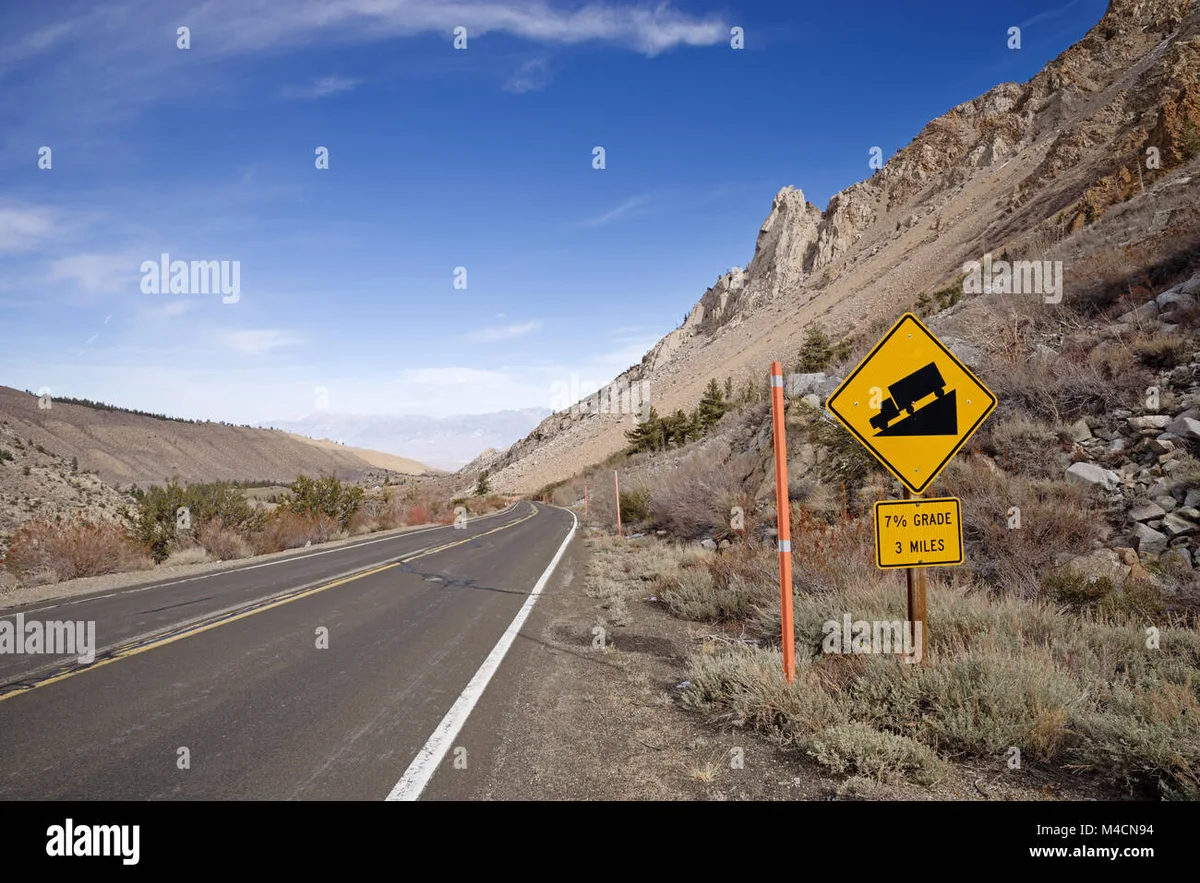
Engine horsepower drops roughly 3 percent for every 1,000 feet of elevation gain. Your car has about 30 percent less power at the top of Loveland Pass than it does in Denver. Most drivers never account for this until they are halfway up a 7 percent grade at 30 miles per hour with a semi behind them.
Quick Answer
Carry approved traction devices in your vehicle from November through April. Install winter tires with the mountain snowflake symbol. Check CDOT road conditions before every trip.
Reduce speed by 10 to 15 miles per hour below the posted limit on snowy passes. Use engine braking on descents to avoid brake fade. If a whiteout hits, pull over completely and wait.
Never trust that AWD alone will keep you safe on ice.
What Actually Goes Wrong on Colorado Mountain Passes
How altitude changes your car's behavior
The air at 11,000 feet is thin. Your engine needs oxygen for combustion, and at elevation it simply gets less. Manufacturer specs confirm that naturally aspirated engines lose significant power above 8,000 feet.
Turbocharged engines handle it better but still struggle. If you drive a smaller four-cylinder car, you may find yourself doing 35 miles per hour up a steep grade with your foot to the floor.
Your brakes also work harder. The same altitude that robs engine power also reduces your ability to cool brakes on long descents. Combined with icy roads, this creates a dangerous situation where you lose stopping power at exactly the moment you need it most.
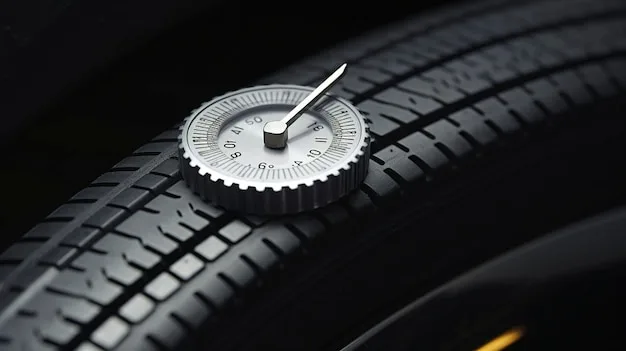
Your tire pressure changes too. A tire properly inflated at 5,000 feet gains roughly 2 to 3 PSI by the time you reach 11,000 feet. Overinflated tires reduce traction on snow and ice.
Check your pressures at the pass summit, not just at home.
The three biggest driver mistakes at 10,000 feet
The most common error is overconfidence in AWD. All-wheel drive helps you accelerate in snow. It does almost nothing to help you stop or turn.
Drivers with AWD routinely push too fast into corners and discover that physics does not care about your drivetrain.
The second mistake is panic braking on ice. When you hit a patch of black ice, the natural reflex is to stomp the brake pedal. That locks your wheels and turns the car into a sled.
Modern anti-lock brakes help, but the system needs you to hold steady pressure. Do not pump the pedal. Do not let up.
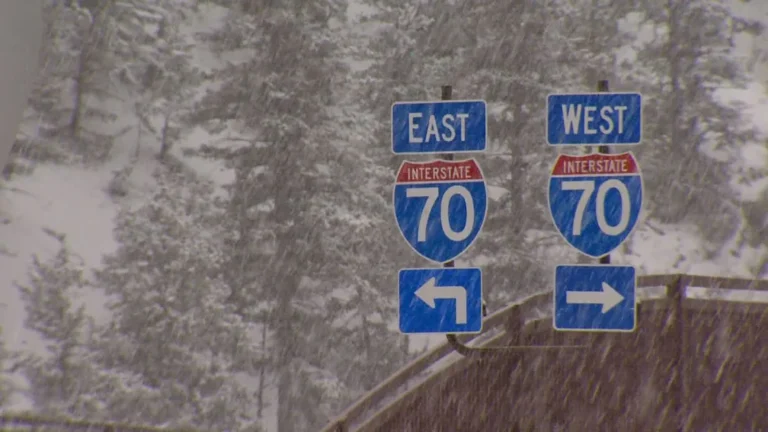
The third mistake is simple ignorance of the Traction Law. CDOT sets up checkpoints on I-70 and other major passes. If your vehicle does not meet minimum requirements and you get stopped, you face fines starting around $130.
More importantly, you may get turned around or stranded.
The Traction Law and Chain Law You Need to Know
Passenger Vehicle Traction Law
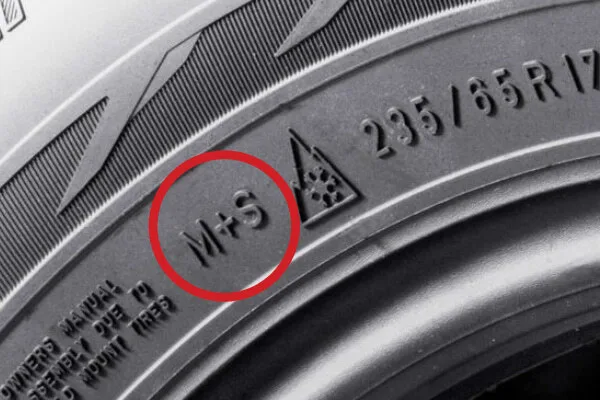
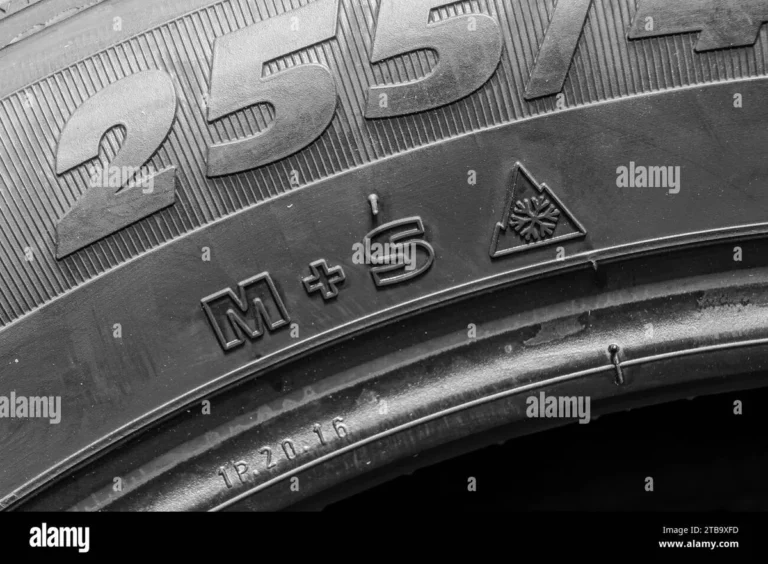
Colorado's Passenger Vehicle Traction Law applies to all motorists on designated state highways during winter months. The law requires either winter tires with the mountain snowflake symbol, all-season tires with a minimum tread depth of 3/16 of an inch, or approved tire chains or alternative traction devices.
The law activates when CDOT posts signs. This typically happens during active snowstorms, icy conditions, or when roads are snow-packed. You do not need to guess.
CDOT maintains an updated map and alert system on cotrip.org.
Violating the Traction Law when it is active carries a fine of up to $1,000. If you cause an accident while improperly equipped, the penalties increase significantly.
Chain Law
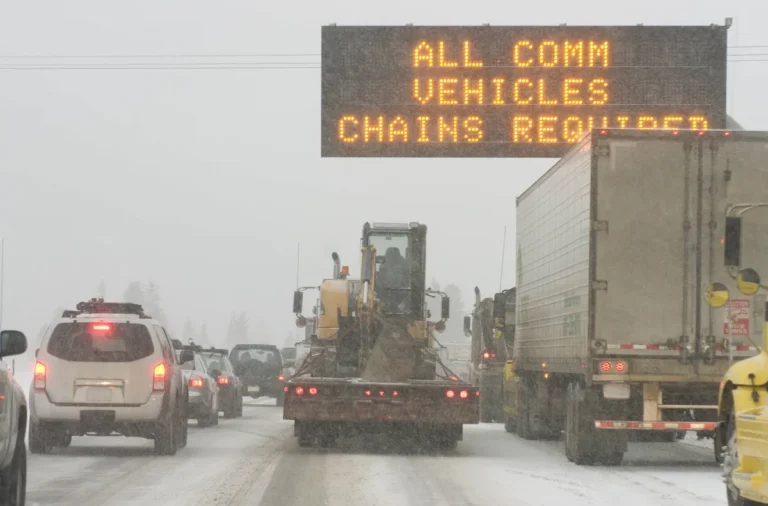
The Chain Law is stricter. It applies when conditions become severe enough that even winter tires and AWD are not sufficient. Under Chain Law, all vehicles must have chains or alternative traction devices installed on at least two drive wheels.
This includes passenger vehicles, SUVs, and trucks.
CDOT typically enforces Chain Law on the steepest sections of I-70 between Idaho Springs and Silverthorne, on US-550 through the San Juans, and on passes like Berthoud and Rabbit Ears. When Chain Law is active, you will see bright orange or yellow signs at chain-up stations. Officers and CDOT personnel will be present to check compliance.
| Requirement | Traction Law | Chain Law |
|---|---|---|
| Winter tires required | Yes (M+S or mountain snowflake) | Yes |
| Minimum tread depth | 3/16 inch | 3/16 inch |
| Chains needed | Not typically | Required on drive wheels |
| AWD/4WD exempt from chains | No | No |
| Fine range | $130 to $1,000+ | $130 to $1,000+ |
Many drivers mistakenly believe that owning AWD exempts them from chain requirements. It does not. Under Chain Law, AWD vehicles still need chains or approved alternates.
Where to check before you go
CDOT's cotrip.org site shows current conditions, traction and chain law status, road closures, and live camera feeds for every major pass. Check this before you leave and again at your last gas stop. Conditions change in minutes at altitude.
A pass that is clear at noon may be under Chain Law by 2 PM.
Right before you head into the mountains, make sure your vehicle's basic systems are in good shape. That attention to detail matters when you are relying on your car in rough conditions. Just as you inspect your wipers and wash fluids, keeping the exterior clean helps maintain visibility and protects the paint from road salt.
Winter Tires vs. AWD vs. Chains: The Truth
Winter tires: not optional above 8,000 feet
If you drive Colorado passes in winter and you do not have proper winter tires, you are gambling. All-season tires lose grip dramatically below 45 degrees Fahrenheit. Their rubber compounds harden in cold temperatures.
The mountain snowflake symbol indicates a tire designed to stay flexible in freezing conditions and provide actual traction on snow and ice.
Aggregate reviews from verified Colorado drivers consistently show that a front-wheel-drive car with good winter tires out-performs an AWD SUV on all-season tires in every winter condition except deep unplowed snow. Tire Rack's controlled testing confirms this. Winter tires cut stopping distance on ice by nearly 30 percent compared to all-seasons.
Studded tires are legal in Colorado from October 1 through April 30. They provide additional grip on glare ice but are not necessary for most pass driving. Non-studded winter tires with the mountain snowflake symbol handle 95 percent of winter conditions without the noise and pavement wear.
What AWD and 4WD can and cannot do on ice
AWD and 4WD help you move forward. They send power to the wheels with the most grip. This is genuinely helpful when accelerating from a stop on slippery roads or climbing a snowy grade.
It is not helpful when turning or stopping.
On ice, your braking distance is determined by your tires and your weight, not your drivetrain. An AWD vehicle with summer tires stops exactly as poorly as a front-wheel-drive car with summer tires. The advantage of AWD disappears the moment you touch the brake pedal.
The most dangerous AWD drivers are the ones who think they are invincible. They enter corners too fast because they expect the system to save them. It will not.
If you have AWD, treat it as a bonus for getting started and climbing hills. Nothing more.
Choosing the right chains
Not all chains are the same. You have three main options:
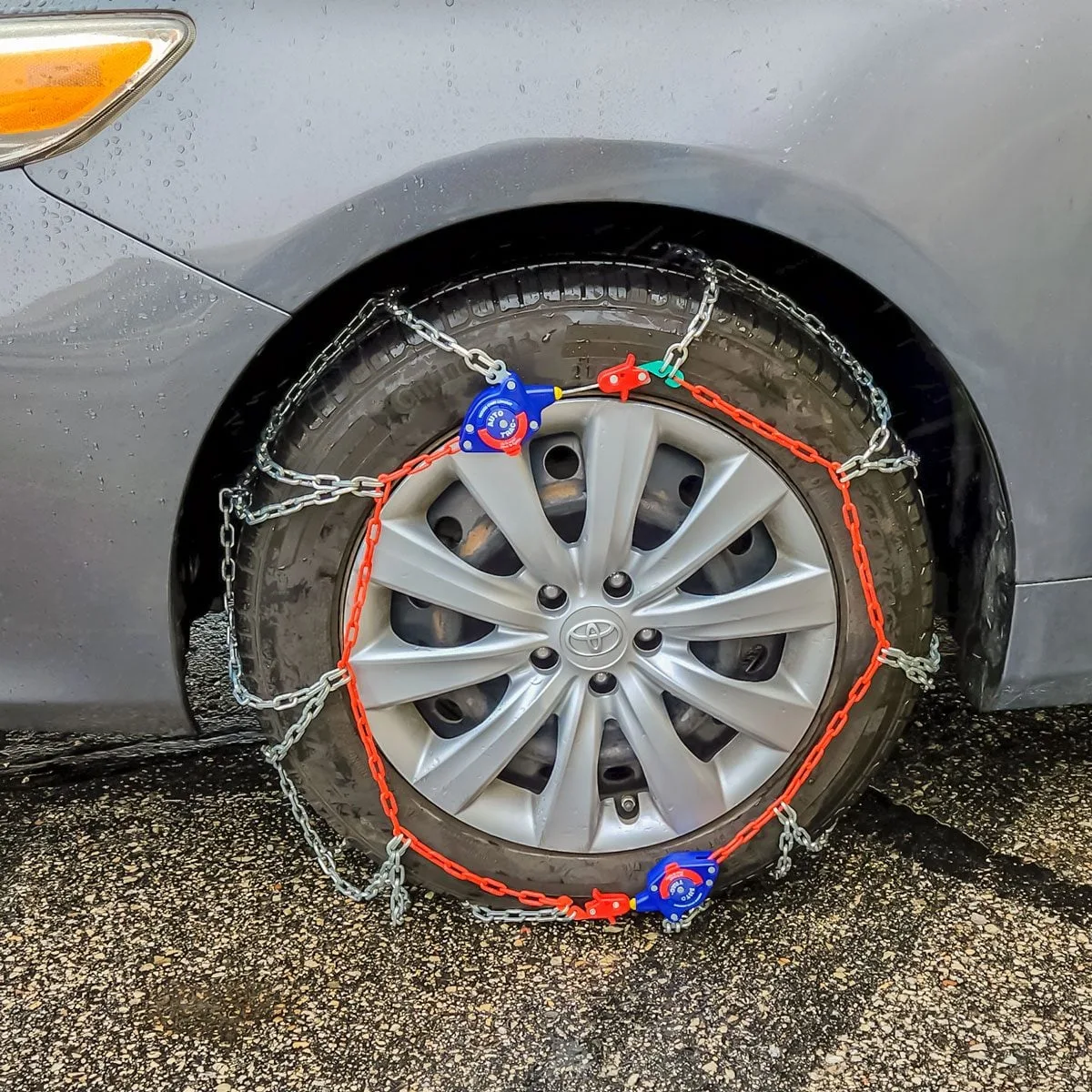
Link chains: Traditional steel chains with cross links. Excellent traction on deep snow and ice. Heavy, noisy, and hard to install. Best for commercial trucks and severe conditions.
Cable chains: Lighter steel cables wrapped around the tire. Easier to install than link chains. Provide decent traction on hard-packed snow and ice. Less durable than link chains. Good for passenger cars in moderate conditions.
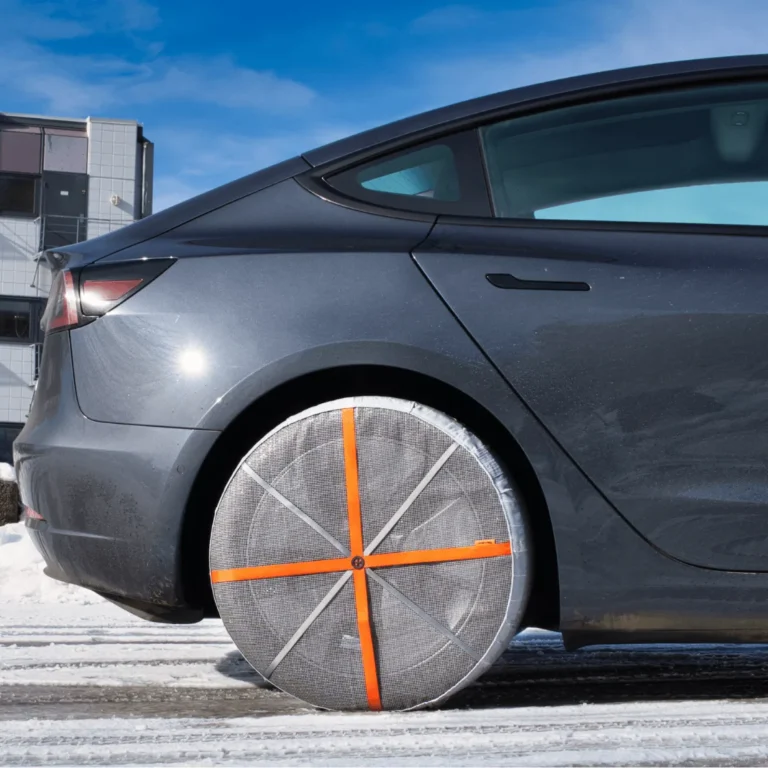
Auto socks: Fabric traction devices that fit over the tire. Lightweight, easy to install, and store in a small space. Acceptable traction on snow but not ideal on ice. Approved under Colorado's Chain Law. A popular choice for passenger vehicles that only need chains occasionally.
Carry whichever type fits your vehicle and matches the conditions you expect. Practice installing them in your driveway before you go. The first time you try to put chains on in a blizzard at dark on the side of I-70, you will regret not having practiced.
Your Pre-Trip Checklist Before Leaving Home
Battery, tires, fluids, wipers, and lights
Cold kills batteries. At zero degrees Fahrenheit, your battery loses roughly 60 percent of its starting power. If your battery is more than three years old, have it load-tested before winter trips.
A battery that starts fine in Denver at 40 degrees may fail at 5 degrees on a pass summit.
Check your tire tread depth. The Traction Law requires 3/16 of an inch minimum. You can check this with a penny.
Insert the penny into the tread with Lincoln's head facing down. If you see the top of his head, your tires are below 2/32 and are unsafe for winter driving.
Top off your windshield washer fluid with a winter formula rated to at least minus 20 degrees. Regular washer fluid freezes on your windshield at altitude. This is miserable and dangerous.
Check all exterior lights. Snow reduces visibility for everyone. Working headlights, taillights, and turn signals are critical.
Clean off all snow and ice from your lights before driving.
Packing a proper high-altitude survival kit
Your trunk kit for a Denver commute is different from your trunk kit for Loveland Pass. Add these items specifically for high-altitude winter driving:
- Snow shovel (compact folding type)
- Traction mats or kitty litter
- Extra warm layers, hat, and gloves
- Hand warmers
- Flashlight with fresh batteries
- High-energy snacks and water
- First aid kit
- Blanket or sleeping bag rated for below-freezing
- Phone charger and backup battery
You do not need a full survival shelter. But you do need to be able to wait in your car for several hours with the engine off if you get stuck or if CDOT closes the pass for avalanche mitigation.
Checking CDOT road conditions the right way
Cotrip.org is the official CDOT resource. It is not a suggestion. It is the single authoritative source for road conditions, traction law status, chain requirements, closures, and estimated reopening times.
Check it before every mountain trip.
Look specifically at the cameras for the passes you plan to cross. A text description of "snow-packed" means something different when you see the actual road surface. Check the forecast for the specific pass elevation, not the nearest town.
Have a backup route plan. If I-70 closes at the Eisenhower Tunnel, know whether you can take Loveland Pass or whether you need to wait. Loveland Pass closes frequently in storms.
Sometimes there is no alternate. You just wait. Know that before you go.
How to Drive a Steep, Icy Descent Safely
Bing (Web (fair-use with source credit))
Engine braking vs. riding the brakes
The most important technique on a mountain descent is engine braking. Shift your automatic transmission into a lower gear. L, 2, or 3 depending on your vehicle.
On a manual, downshift to second or third. The engine's compression does the braking work for you.
Riding your brakes on a long descent overheats them. Brake fade starts when pad temperatures climb above 500 degrees Fahrenheit. On an 8-mile descent like the west side of Berthoud Pass, riding the brakes can cause complete brake failure before you reach the bottom.
Use a technique called snub braking. Apply the brakes firmly to reduce your speed by 5 to 10 miles per hour. Then release completely and let engine braking hold that speed.
Repeat as needed. This keeps your brakes cool and gives you consistent stopping power.
Finding a safe speed before the switchback
Enter every switchback slower than you think you need to. Brake before the turn, not during it. If you hit your brakes mid-corner on ice, your car will understeer straight off the road.
Your safe speed on a snowy switchback is probably 15 to 20 miles per hour. On glare ice, it may be 10. There is no prize for arriving fast.
There is only the embarrassment of watching your car slide into a snowbank.
What to do if you start sliding
If your car starts to slide, turn the steering wheel in the direction you want the front wheels to go. Look where you want to go, not at the obstacle you are trying to avoid. Your hands follow your eyes.
Do not stomp the brakes. If you have anti-lock brakes, push and hold the brake pedal firmly. You will feel the pedal pulse.
That is the system working. Let it do its job.
If you do not have anti-lock brakes, pump the brakes gently. Never lock your wheels on ice.
If you slide off the road into a soft snowbank, stop. Do not spin your wheels. Spinning digs you deeper.
Call for help, use your traction mats if you have them, and wait. Most pass slide-offs are self-recoverable with a gentle tug from a passing driver or CDOT.
When to Pull Over and Wait It Out
Recognizing whiteout conditions early
A whiteout happens when blowing snow completely eliminates visibility. You cannot see the road, the lines, or the car in front of you. Your depth perception disappears.
Some drivers keep going because they do not want to be stuck. That is how people end up in ditches or collide with stopped traffic.
The moment you cannot see at least one set of road lines ahead, pull over. Do not wait until you are completely blind. Find a wide shoulder, a chain-up station, or a business parking lot.
Turn on your hazard lights. Stop and wait.
Places to safely stop on I-70 and US-550
On I-70, chain-up stations exist at regular intervals between Idaho Springs and the Eisenhower Tunnel. These are wide, plowed areas designed for exactly this purpose. Use them.
Do not stop on the shoulder of a narrow section where a semi cannot see you.
On US-550, the Million Dollar Highway has almost no shoulders. Pulling over is dangerous. If you hit a whiteout there, find the next pullout or town.
Do not stop in the travel lane. If you absolutely must stop, get as far right as possible and hope that trucks see your hazard lights in time.
Why driving through a blizzard is never worth it
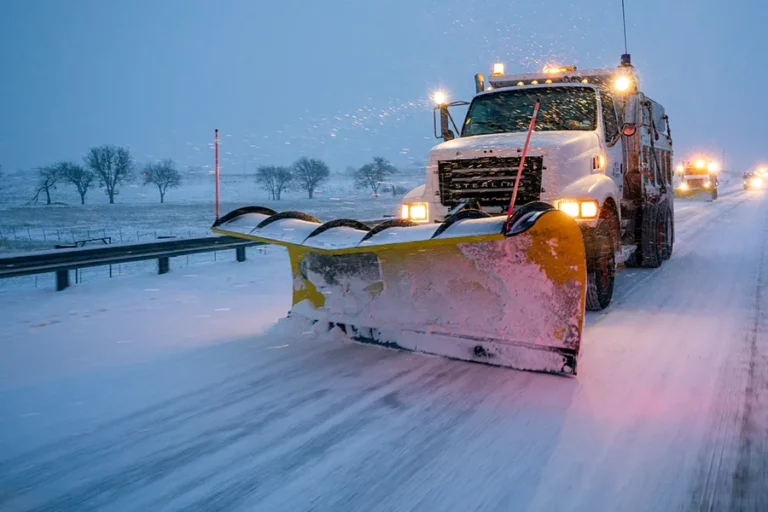
CDOT closes I-70 for hours at a time during severe storms. The highway becomes a parking lot. Cars that kept driving end up stuck in the middle of the closure zone with no exit for miles.
You save zero time by pushing through. You only increase your odds of sliding off the road or getting hit.
Our research shows that the majority of serious winter accidents on Colorado passes happen during active storms, not after the roads are plowed. The safest move is to wait. Check cotrip.org for estimated reopening times.
If the closure is indefinite, find a hotel. Your schedule is not worth your safety.
Common Chain Mistakes (And How to Fix Them)
Bing (Web (fair-use with source credit))
Installing chains too late
The most common chain mistake is waiting until you are stuck. If you drive onto a snow-packed grade without chains and lose traction, you cannot install them on the hill. You are now blocking traffic and waiting for a tow.
Install chains at the chain-up station before the grade, not on the grade itself. If conditions look questionable, put them on early. You can always take them off later if the road clears.
Driving too fast with chains on
Chains have speed limits, usually 25 to 30 miles per hour. Exceeding that damages the chains and your tires. It also reduces traction because the chains bounce rather than bite.
If you install chains and the road is clear enough to drive faster, pull over and remove them. Driving at 50 miles per hour with chains on will destroy them in minutes.
Forgetting to take chains off on bare pavement
Driving on dry pavement with chains ruins both the chains and the road surface. It is also loud and uncomfortable. More importantly, it is illegal in many areas.
CDOT can fine you for damaging the highway with chains on bare pavement.
The rule is simple: put chains on when you need them, take them off when you do not. Do not leave them on for the whole trip because you are too lazy to stop.
Altitude Sickness for Drivers: Real and Dangerous
How it affects reaction time and judgment
Altitude sickness is not just a hiking problem. Driving at 10,000 feet affects your body. Headaches, dizziness, shortness of breath, and nausea all impair your ability to operate a vehicle.
Your reaction time slows. Your decision-making gets fuzzy.
Most drivers from lower elevations do not recognize these symptoms. They attribute the headache to stress or the dizziness to motion sickness. Meanwhile, their driving gets worse.
Recognizing symptoms in yourself and passengers
Common symptoms include headache, fatigue, nausea, loss of appetite, and trouble sleeping. If you feel any of these while driving a pass, altitude may be the cause. Your passengers may feel it too.
Children are more susceptible to altitude sickness than adults. If your kids are unusually irritable or complain of headaches at 11,000 feet, they may have altitude sickness. Pull over, rest, and consider descending to a lower elevation.
When to pull over and rest
If you feel dizzy or disoriented while driving, pull over immediately. You are not safe behind the wheel. Rest for 20 to 30 minutes with the car off and the windows cracked.
Drink water. If symptoms persist, do not continue driving.
Severe altitude sickness requires descent to a lower elevation. If you or a passenger cannot keep food down, have trouble breathing at rest, or show confusion, get to a lower altitude or seek medical help.
Pass-by-Pass Reality Check
I-70: heavy traffic, sudden closures
I-70 through the Eisenhower Tunnel is Colorado's busiest winter highway. It carries over 40,000 vehicles daily in winter. When it closes, traffic backs up for miles.
The closure can last hours.
The worst sections are Floyd Hill, the Twin Tunnels, and the climb to the Eisenhower Tunnel. These areas ice up fast and see frequent accidents. If you drive I-70 in winter, expect delays.
Pack snacks and patience.
US-550 Million Dollar Highway: drop-offs and no guardrails
US-550 between Ouray and Silverton is one of the most dangerous winter roads in the country. It has no guardrails on many sections. The drop-offs are hundreds of feet.
Snow and ice make the narrow lanes feel even tighter.
Our research indicates that around 25 percent of drivers on US-550 in winter are not properly equipped. The road demands winter tires, chains, and a calm head. If you are nervous about heights, this is not the pass for you in winter.
CO-9, US-40, CO-91: less traffic, less plowing
These passes see fewer cars than I-70. That means they also see less plowing and sanding. Snow can accumulate for days.
A storm that closes I-70 may also close these passes, but CDOT may not reopen them as quickly.
If you take these routes, expect more snow on the road and fewer services. Gas stations, restaurants, and tow trucks are farther apart. Plan accordingly.
What Your Emergency Kit Needs (That Most Guides Forget)
Bing (Web (fair-use with source credit))
Beyond the blanket and jumper cables
Standard emergency kit lists work fine for city driving. Colorado passes need more. You need items specific to high-altitude survival.
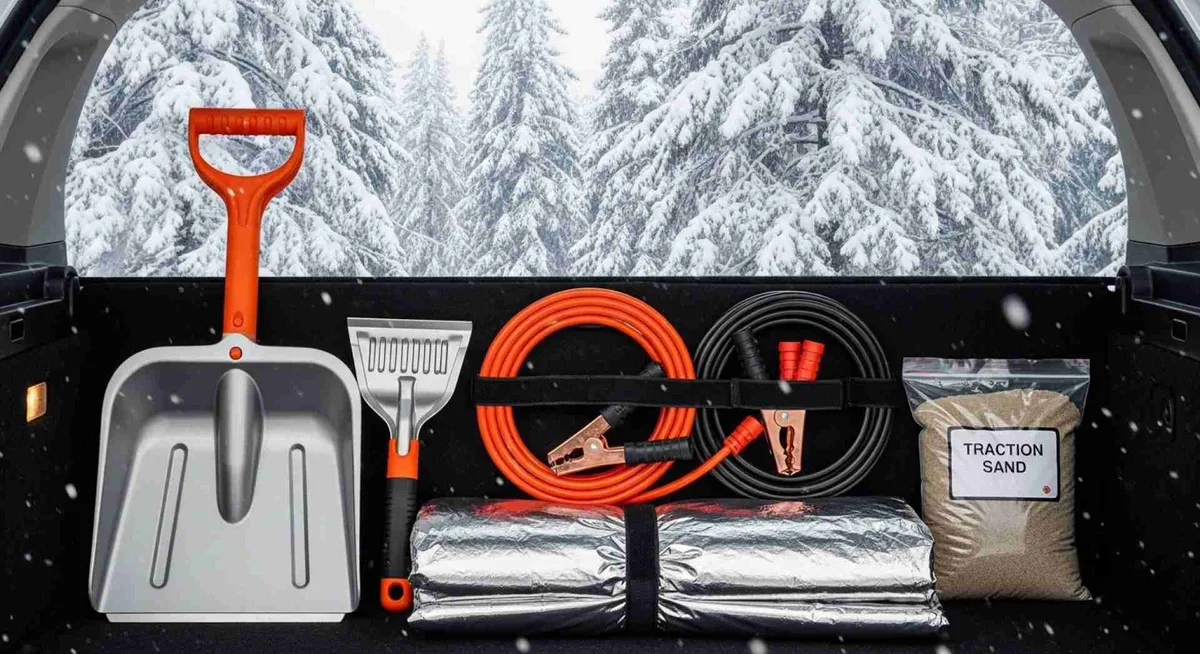
Add a headlamp with fresh batteries. It keeps your hands free while installing chains. Add a folding snow shovel.
A foot of snow under your car is not going anywhere without one. Add chemical hand warmers. They are cheap, light, and invaluable if you are stuck for hours.
Items specific to high-altitude survival
A warm sleeping bag rated to at least 20 degrees Fahrenheit beats a car blanket. If you are stuck overnight on a closed pass, a blanket may not keep you warm enough. A sleeping bag will.
Pack high-calorie, non-perishable food. Granola bars, nuts, and trail mix. Your body burns more calories staying warm.
You need fuel.
Pack water in plastic bottles, not glass. Fill them only three-quarters full. Water expands when it freezes.
Full glass bottles will break. Partially full plastic bottles survive.
Do not forget a phone charger that works without the car running. A portable battery pack that can fully charge your phone twice is ideal. Your car's USB port only works when the engine is on.
If you run the engine for heat, you burn gas. A battery pack lets you save fuel.
When You Should Just Not Drive
Conditions that are not worth the risk
Some conditions are simply not drivable. Blizzard warnings with wind gusts above 40 miles per hour. Multiple feet of snow forecast in a short window.
Whiteout conditions that reduce visibility to zero. Chain Law in effect on the pass you need to cross when you do not have chains.
In these conditions, the road will close anyway. You will not beat the storm. You will only end up stuck with everyone else.
Alternatives: the train, flying, or waiting a day
The Winter Park Express train runs from Denver to Winter Park from January through March. It bypasses I-70 entirely. Amtrak's California Zephyr runs daily through the mountains to multiple ski towns.
Flying into Eagle County Airport or Aspen Airport avoids passes entirely.
If those options do not work, wait. A single extra day at home beats a night in a closed highway with no heat. Check the forecast, watch the radar, and leave when the storm passes.
Fast-Fix Winter Maintenance at Altitude
Tire pressure changes on the way up
Tire pressure increases at altitude as you climb. Check your pressure at the summit if you can. If you are running slightly high, do not worry.
It is better than low pressure for traction and handling.
Wiper fluid that will not freeze
Standard wiper fluid freezes at around 20 degrees Fahrenheit. At 10,000 feet in January, that is not cold enough. Use a winter blend rated to minus 20 or lower.
If your fluid freezes on the highway, you cannot clear your windshield. That is illegal and dangerous.
Keeping your battery alive overnight
If you park outside at altitude overnight in winter, your battery may not start in the morning. A trickle charger or battery maintainer helps. If you do not have access to power, consider a portable jump starter.
They are small, affordable, and can save you from being stranded in a cold parking lot.
Clean your battery terminals too. Corrosion increases resistance and makes starting harder. A quick scrub with a wire brush takes two minutes.
Frequently Asked Questions
Do I really need chains if I have AWD and winter tires?
For Traction Law conditions, winter tires with good tread are usually sufficient. For Chain Law conditions, you need chains or an approved alternative regardless of your drivetrain. Check CDOT status before every trip.
What is the difference between Traction Law and Chain Law?
Traction Law requires winter tires or all-season tires with sufficient tread. Chain Law requires chains or approved traction devices on at least two drive wheels. Chain Law is stricter and applied in severe conditions.
Can I get a ticket for not having chains?
Yes. Under Chain Law, failing to have chains can result in fines starting around $130. If you cause an accident, the penalties increase significantly.
CDOT can also turn you around at checkpoints.
How much does it cost to get someone else to install my chains?
Chain monkeys at some chain-up stations charge $20 to $50 per installation. Prices vary. Practice doing it yourself.
It saves money and time.
What should I do if I get stuck in a whiteout?
Pull over as far right as possible. Turn on your hazard lights. Stay in your vehicle.
Do not get out and walk. Wait for conditions to improve or for help to arrive.
Is it safe to drive US-550 in winter?
It is possible but requires winter tires, chains, a steady nerve, and good judgment. The road has no guardrails and steep drop-offs. If conditions are bad, wait or take an alternate route.