ByMax Lee
Guide to Colorado Approved Alternative Traction Devices for Two Wheel Drive Vehicles
You're driving a 2WD car in Colorado and a storm rolls in. The flashing sign on I-70 says "Traction Law in Effect." You don't have 4WD. You don't have studded tires.
Now what?
This is exactly where Colorado approved alternative traction devices for two wheel drive vehicles come into play. They're legally recognized equipment that can keep you moving and keep you out of trouble with CDOT. As of 2026, the state maintains a specific published list of approved devices.
Not everything that says "snow chain" on the box makes the cut. Understanding which devices work for your 2WD car, how to install them, and when the law actually requires them can save you a fine, a tow, or worse.
Quick Answer
Colorado requires approved traction devices on 2WD vehicles during chain law conditions. CDOT maintains an official list of approved devices. AutoSock fabric sleeves and certain Peerless and SCC chains qualify.
You must install them on your drive wheels. Carrying them is not enough. You need them on when the sign says so.
Fines start around $100.
Approved traction devices for 2WD vehicles in Colorado
Why This Matters More Than You Think
Colorado's traction laws are enforceable statutes with real penalties. Get caught driving a 2WD vehicle without approved devices during a chain law, and you're looking at a fine that can hit several hundred dollars. If you cause an accident because you couldn't stop, your insurance company may look hard at whether you were legally equipped.
The state breaks its winter driving requirements into two levels. The Passenger Vehicle Traction Law requires either 4WD/AWD with adequate tires, 2WD with winter tires, or 2WD with approved alternative traction devices. The Passenger Vehicle Chain Law demands actual chains or approved alternative devices on all vehicles that aren't already 4WD with snow tires.
Most drivers confuse the two, and that confusion gets people stranded or ticketed.
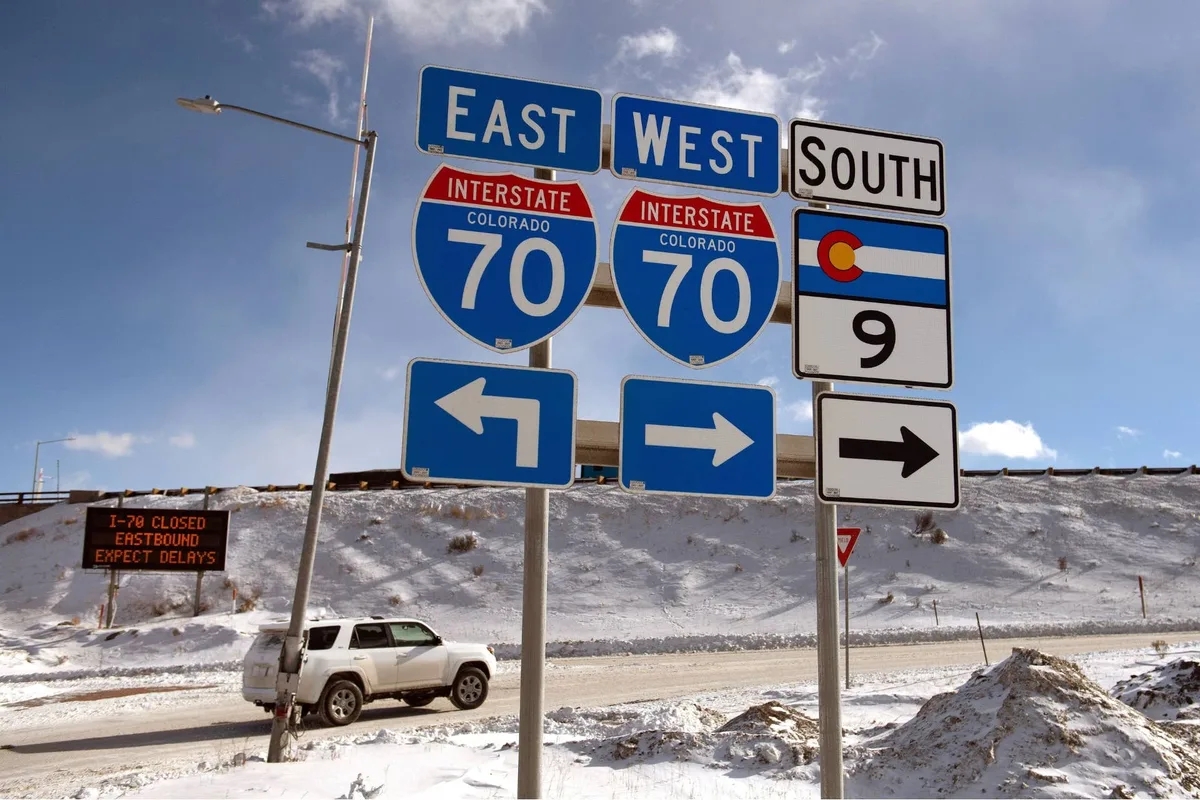
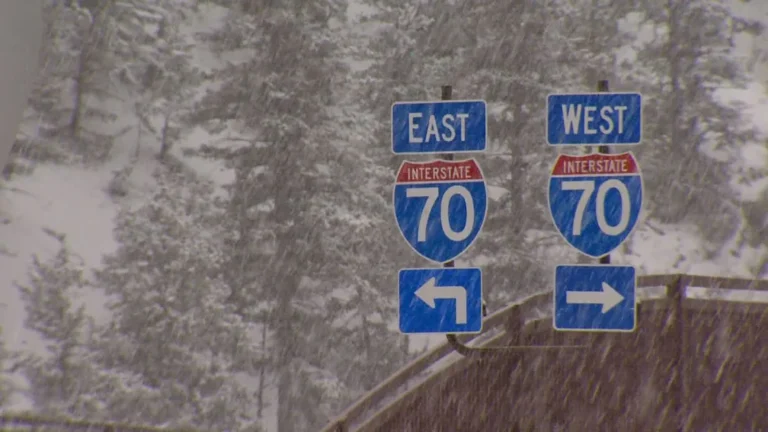
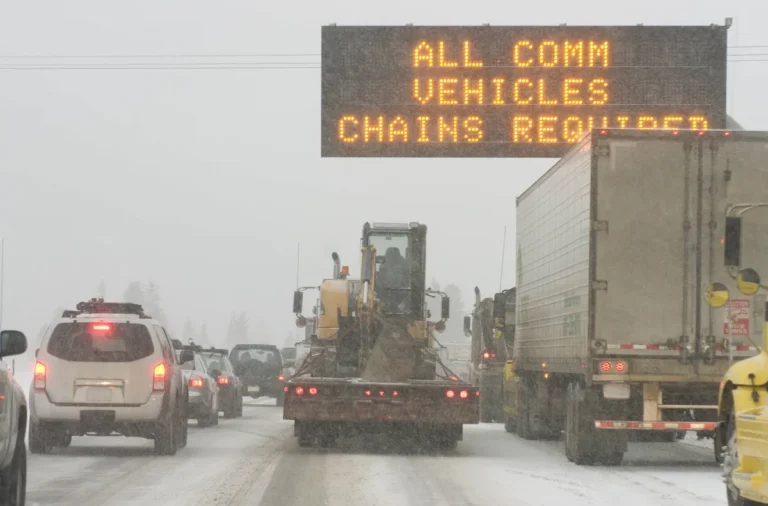
Traction law signage on Colorado highways
For the most current and official information on Colorado's traction laws, always refer to the Colorado Department of Transportation (CDOT).
The Cold Hard Truth About Colorado's Traction Law
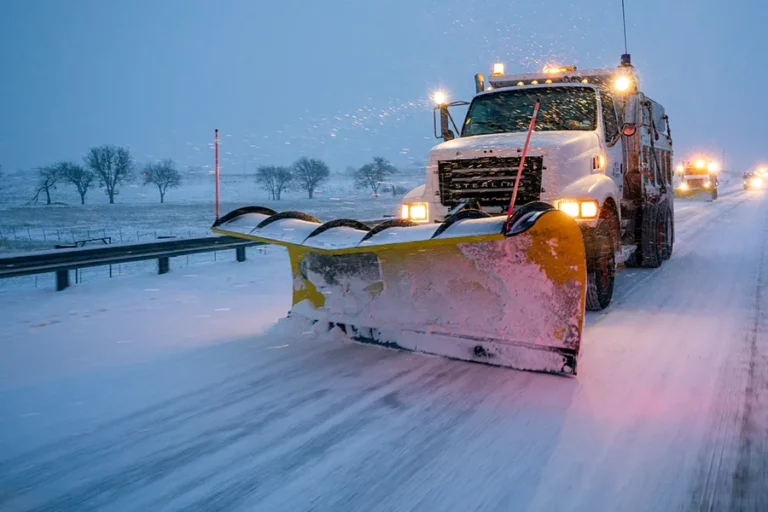
Colorado Revised Statute 42-4-301 gives CDOT and the Colorado State Patrol authority to restrict travel during winter weather. When conditions get bad, they post signs and set up checkpoints.
Here's what you need to know about the two levels:
Traction Law (Code 15)
All vehicles must have snow tires, 4WD/AWD, or approved traction devices
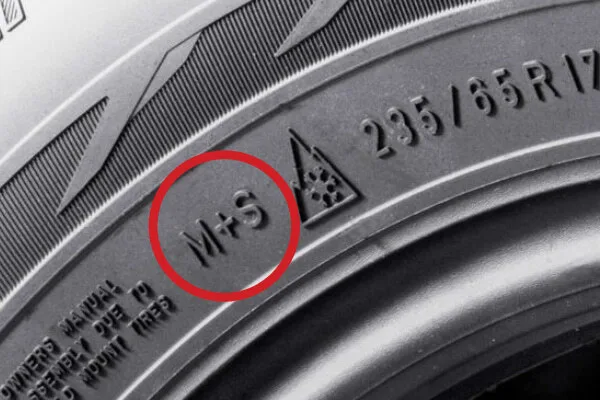
2WD vehicles must have either winter tires (mud and snow rated with 3/16 inch tread) or approved devices
This is the common level during moderate snow
Chain Law (Code 16)
Every vehicle must have chains or approved alternative traction devices
Even 4WD and AWD vehicles need them unless they already have snow tires
This level goes up during heavy storms and on steep mountain passes
If you see a Chain Law sign in a 2WD car, you need approved devices on your drive wheels. Period. Many drivers assume all-season tires will get them through.
They won't at chain law level.
What Counts as "Approved" and What Doesn't
CDOT maintains an actual list of approved devices. The list updates annually, usually around October. If your device isn't on that list, it doesn't matter how much you paid for it.
The CDOT List vs. What's in the Store
Not every auto parts store stocks only approved devices. You can buy a box of inexpensive cable chains that aren't on the approved list. The store can sell them.
You can buy them. But if a CDOT officer checks at a chain law checkpoint, non-approved devices won't cut it.
Go straight to CDOT's website for the current approved list. It includes specific model numbers, not just brand names. AutoSock is approved but only specific sizes.
Peerless Chain has several approved models. Security Chain Company's Super Z6 makes the cut. Generic no-name chains from a big box store probably don't.
For those looking to maintain their vehicle's exterior during winter, keeping it running smoothly includes proper cleaning. Using a reliable machine for washing can prevent damage from road salt and grime.
AutoSock: The Fabric Option
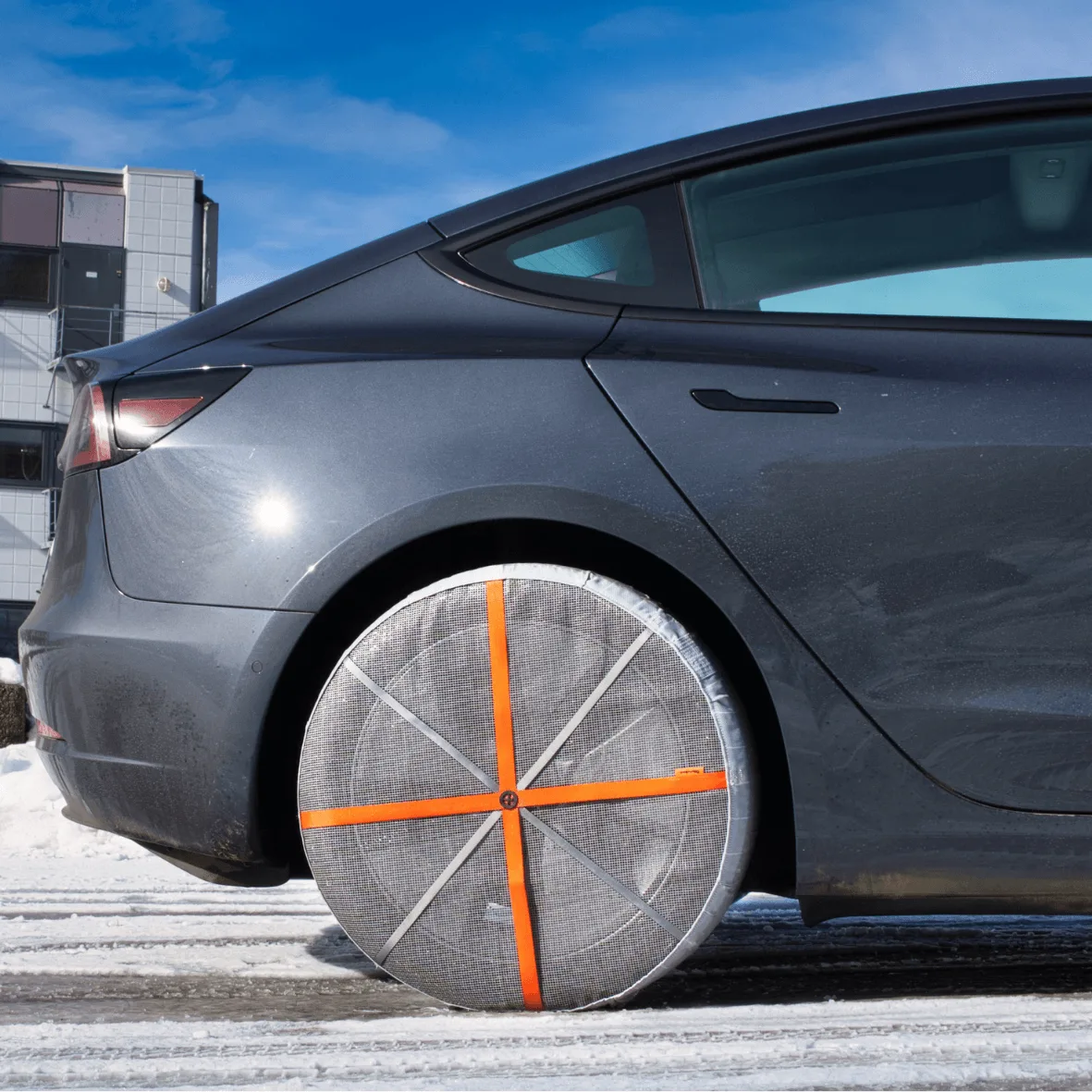
AutoSock is the most common approved device you'll see on 2WD vehicles in Colorado. It's a fabric sleeve made from high-tensile synthetic material. You pull it over your tire, drive a few feet to seat it, and you're good to go.
No metal. No noise. No damage to your wheels or paint.
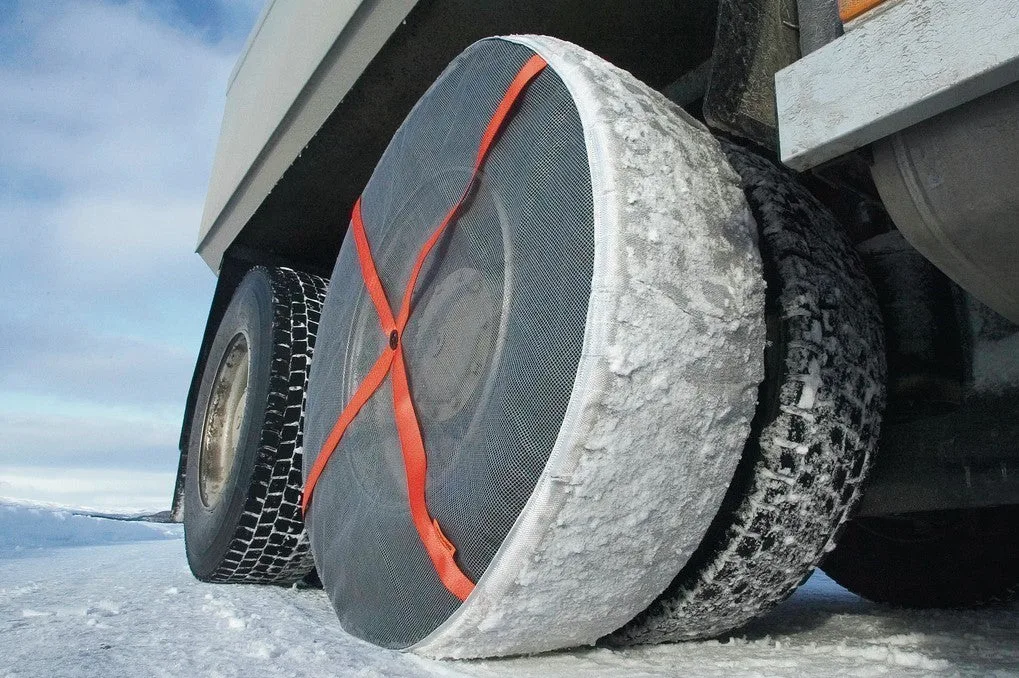
AutoSock fabric traction device for easy installation
AutoSock works well on snow and ice. They're not great on bare pavement. Drive too far on dry road and the fabric wears through fast.
They're designed as a get-through-the-storm solution. Most users report 30 to 50 miles of use before the fabric shows significant wear.
One major advantage for 2WD cars is clearance. Some vehicles, especially sporty sedans and lower coupes, don't have enough space between the tire and wheel well for traditional chains. AutoSock fits those tight spaces.
They also store flat, taking up almost no trunk space.
Peerless and Other Chain-Based Devices
For drivers who want traditional chain performance, Peerless Chain and Security Chain Company make approved models. These are metal devices made from steel or hardened alloy. They provide better traction on hard-packed snow and ice compared to fabric options.
The trade-off is weight, noise, and installation difficulty. Chains are heavier. They make noise when you drive.
Getting them on correctly takes practice. If you've never installed tire chains before, do not learn on the side of I-70 in a blizzard.
Buy the device ahead of time. Open the box. Practice installing it in your driveway when it's dry and warm.
That 15 minutes of practice can save an hour of frustration in the cold.
How to Match the Right Device to Your 2WD Vehicle
Not every approved device fits every car. Your choice depends on what you drive, where you drive, and how often you hit winter roads.
Front-Wheel Drive vs. Rear-Wheel Drive
You only install devices on your drive wheels. Front-wheel drive cars need them on the front tires. Rear-wheel drive cars need them on the back.
Putting them on the non-drive wheels does nothing for traction.
A front-wheel drive sedan with approved devices on the front tires can climb most mountain passes in moderate snow. The same car with devices on the rear tires will spin out at the first incline. Get this wrong and you might as well not have devices at all.
Tire Size and Clearance
Check your tire size before you buy anything. It's printed on the sidewall. Something like P215/65R16.
You need a device that matches that exact size. One size too big or too small means the device won't seat properly. It can slip off while driving.
Clearance is the next check. Some 2WD cars, especially newer ones with low-profile tires and tight wheel wells, can't fit traditional chains. If you can fit your finger between the tire and the suspension component at the tightest point, you have enough clearance for AutoSock.
Chains need more room. Check your owner's manual. Many manuals say whether the vehicle can accommodate chains.
For those who frequently wash their cars during winter, using a top-rated brewers can help maintain a clean finish without damaging the paint.
Your Driving Routes
Where you drive influences which device makes sense. If you mainly drive I-70 from Denver to the ski resorts, you need something that handles sustained highway conditions and steep grades. Chains perform better here because they handle longer distances and harder use.
If you drive in town, on plowed side streets, or only hit snow occasionally, AutoSock is probably enough. It's easier to install and remove. It doesn't beat up your car.
For most suburban driving scenarios, it provides adequate traction to get you home safely.
The Real Cost: Upfront, Ongoing, and If You Get It Wrong
Price Ranges for Approved Devices
Fabric sleeves like AutoSock run between $50 and $150 for a set of two. Chain-based options from Peerless or SCC land between $80 and $200. The variance comes down to tire size.
Larger tires need more material, so they cost more.
Device Type Typical Price Range Lifespan (approximate) Best For
Fabric sleeve (AutoSock) $50 to $150 30 to 50 miles of use Occasional drivers, tight clearance
Cable chains $60 to $120 3 to 5 seasons Light-duty winter driving
Ladder chains $80 to $150 5 to 8 seasons Frequent mountain passes
Diamond pattern chains $100 to $200 8+ seasons Heavy snow, steep grades
Fabric sleeves are technically single-use products. You can reuse them if they're not worn through, but most users report visible wear after one extended trip. Chains last multiple seasons if you maintain them properly.
Dry them after use. Store them in a bag. Check for rust before each winter.
What a Fine Actually Costs You
Fines for driving without approved devices during a chain law start around $100 and can climb to $500 depending on the county and conditions. Some areas add court fees and administrative costs.
If you cause an accident without required traction devices, your insurance company may classify it as negligence. That means higher premiums, potential coverage gaps, or denied claims. Some insurers specifically ask about traction device compliance when processing winter accident claims.
Compare that to $80 for a basic set of approved chains. The math is straightforward. Buying the device is cheaper.
Carrying it is cheaper. Using it when required is cheaper than the alternative.
Where to Buy Approved Devices in Colorado
Knowing where to purchase CDOT-approved traction devices can save you time and ensure compliance. Many major auto parts retailers in Colorado stock approved options, but availability can vary by location and season. National chains like AutoZone, O’Reilly Auto Parts, and NAPA Auto Parts typically carry Peerless and Security Chain Company models during winter months. Specialty outdoor and automotive stores, such as REI or local 4×4 shops, may also carry AutoSock and other approved devices.
For the most reliable selection, consider ordering directly from the manufacturer’s website or authorized online retailers. Always verify that the specific model number matches CDOT’s current approved list before purchasing. Some retailers may not be aware of the latest updates, so bringing a printed copy of the list can help ensure you get the right product.
Step-by-Step: Installing It Like You Mean It
Practicing Before the Storm
Practice installing your devices before you need them. Open the box in your driveway on a dry afternoon. Read the instructions.
Figure out which side faces inward. Learn how the tensioning mechanism works.
Do this once, and installation in a storm takes under 10 minutes. Skip this, and you're kneeling in snow at the side of a dark highway trying to decipher a poorly translated instruction sheet. We've seen it happen.
Installing Fabric Sleeves
AutoSock and similar fabric sleeves are the easiest option. Lay the sleeve flat on the ground in front of your tire. Drive onto it slowly so the tire sits centered on the fabric.
Pull the sleeve up and over the top of the tire. Most designs have a hook or strap that secures the sleeve on the inside.
Drive forward about 50 feet to let the sleeve seat itself. Check that it's centered. If it's crooked, pull over and adjust.
A crooked sleeve wears unevenly and may come off.
Installing Chains
Lay the chain flat behind the tire. Drive onto it. Hook the inner cable or chain over the top of the tire.
Connect the outer fasteners. Tighten everything according to the manufacturer's specs.
The critical step comes after you drive 100 to 200 feet. Stop and re-tighten the chains. They always loosen slightly as they seat into the tire tread.
Skipping this step means your chains will start slapping against the wheel well.
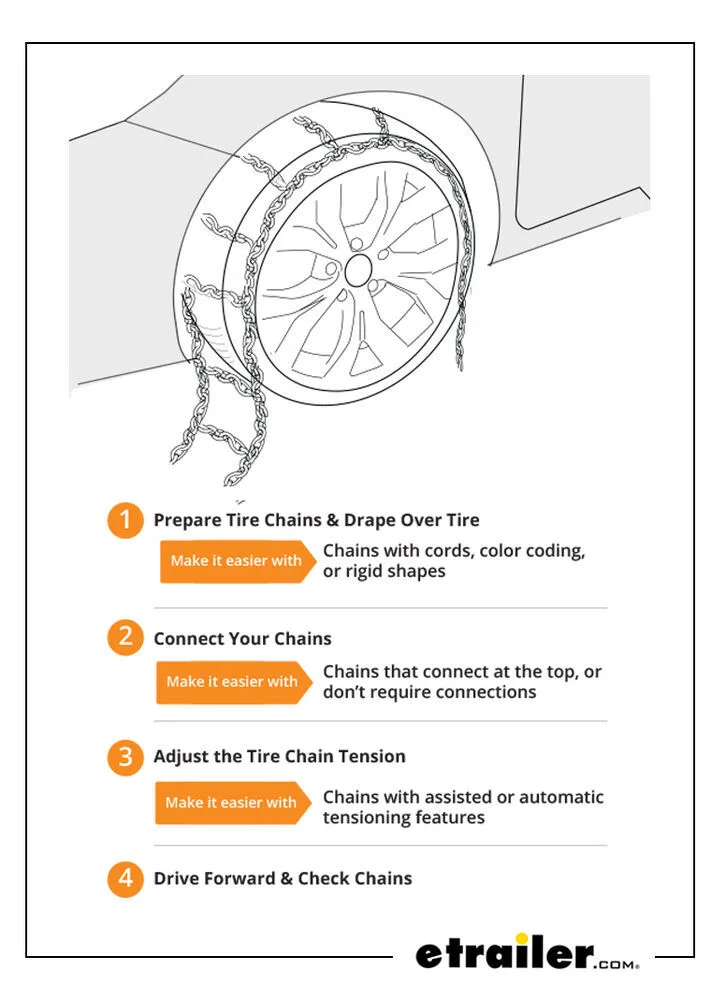
Step-by-step guide to installing tire chains correctly
Tensioning and Checking After a Few Feet
Both fabric sleeves and chains need a re-check after initial movement. Drive slowly for a short distance. Pull over.
Inspect the device. Make sure it hasn't shifted. Check that no straps or hooks are rubbing against suspension components or brake lines.
A properly installed device fits snugly against the tire without excessive slack. If you can move it more than an inch by hand, it's too loose. Re-tighten and check again.
Maintenance and Storage Tips for Longevity
Proper care extends the life of your traction devices and ensures they work when needed. After each use, remove any snow, ice, or road salt to prevent corrosion, especially for metal chains. For fabric sleeves like AutoSock, inspect for tears or excessive wear and allow them to dry completely before storing. Store all devices in a sealed container or bag to protect them from moisture and dust.
For chains, apply a light coat of oil or chain lubricant before storing to prevent rust. Keep them in a dry place, away from extreme temperatures. If your chains develop rust, clean them with a wire brush and reapply lubricant before the next use. For fabric sleeves, avoid folding them tightly, as this can cause creases that may weaken the material over time.
Common Mistakes That Get People Stuck or Fined
Buying the Wrong Brand or Model
The most expensive mistake is buying a device not on the CDOT approved list. You might get a great deal on clearance chains. If they're not on the list, they're worthless at a checkpoint.
Always check the list before you buy.
Installing on the Wrong Axle
This one is surprisingly common. A 2WD vehicle only gets traction from its drive wheels. Front-wheel drive needs devices on the front.
Rear-wheel drive needs them on the back. Installing them on the non-drive axle gives you steering control but no forward traction.
Driving Too Fast or Too Long
Approved traction devices have speed limits. Fabric sleeves are typically rated for 30 to 40 mph. Chains are usually rated for 30 mph.
Exceed those speeds and you risk damaging the device, your tires, or your vehicle's bodywork.
Remove the devices once you reach bare pavement. Driving on dry roads with chains or sleeves installed wears them out fast and can damage your tires.
Forgetting to Remove Them
People drive onto dry pavement and forget the devices are on. A few miles later, they hear a strange noise. Then a thumping.
Then the device comes apart. At highway speeds, a broken chain can do serious damage to your wheel well, brake lines, and quarter panel.
When you remove your devices, store them in your trunk. That way you have a physical reminder that you took them off.
When to Use Them vs. When to Rely on Something Else
Winter Tires Alone
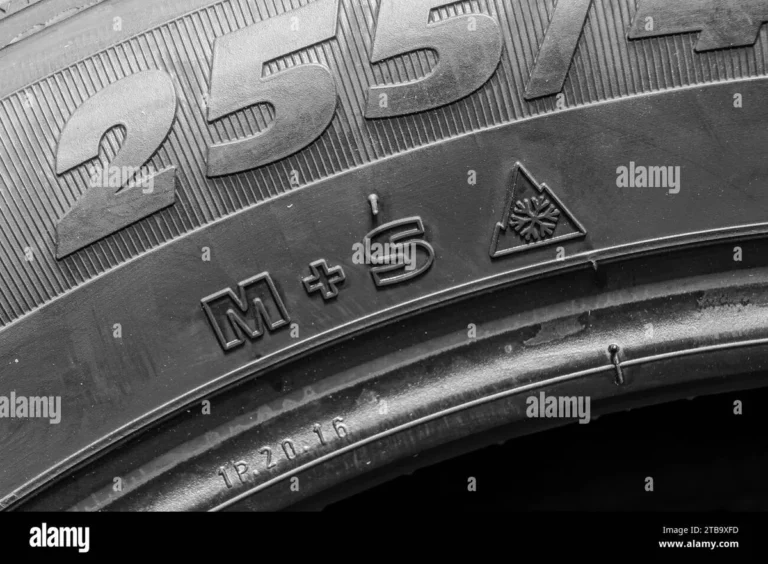
Winter tires with the mountain snowflake symbol provide excellent traction on snow and ice. If you live in Colorado full time and drive winter roads weekly, a set of dedicated winter tires is a better investment than carrying chains.
But winter tires alone don't satisfy chain law requirements. If a chain law is in effect, you still need approved traction devices in your vehicle. The tires help you drive.
The devices help you comply with the law.
For many 2WD drivers, the best setup is winter tires plus one set of approved devices in the trunk. Use the tires for everyday winter driving. Deploy the devices only when chain law goes into effect.
Studded Tires (Legally, October Through April)
Studded tires offer superior grip on ice. They're legal in Colorado from October 1 through April 30. Outside that window, you can't run them.
Studded tires damage road surfaces, so some drivers avoid them.
If you regularly drive icy mountain passes, studded tires plus approved devices give you maximum traction. But for most 2WD drivers, winter tires plus fabric sleeves provide enough capability at lower cost.
4WD or AWD Without Chains
A common myth is that 4WD or AWD exempts you from traction requirements. It doesn't. During a chain law, even 4WD and AWD vehicles need approved traction devices unless they're equipped with snow tires.
Many SUV and truck drivers learn this the hard way when they get stopped at a checkpoint.
For your 2WD vehicle, carry the devices. Use them when required. Don't assume the SUV behind you has it figured out either.
Real Scenarios: What Happens on I-70, Loveland Pass, and Your Suburb Street
The Weekend Ski Trip
You drive a front-wheel drive sedan. You live in Denver. You want to hit Breckenridge on a Saturday.
The forecast says snow. You pack your AutoSocks in the trunk.
You hit I-70 westbound. Wet but not terrible. No chain law is in effect.
Then you hit the Eisenhower Tunnel. On the other side, it's dumping. The signs flash Chain Law.
You pull off at the chain-up area near Silverthorne.
You already practiced at home. In eight minutes, both front tires have AutoSocks installed. You recheck tension after 100 feet.
You drive the remaining 20 miles at 30 mph. No issues. You arrive at the resort parking lot, remove the sleeves, and enjoy your day.
The Daily Commute in a Snowy Suburb
You live in Colorado Springs. You drive a rear-wheel drive truck. Your commute is 15 miles on plowed surface streets.
A storm dropped six inches overnight. The roads are slushy but city plows are out. You install your chains just for the hill near your house.
You climb the hill without slipping. At the top, the road is clear. You pull over and remove them.
This is the right call. Using devices only where you need them preserves their lifespan. A set of quality chains handled this way can last five winters.
The First Winter in Colorado
You just moved from Texas. Your 2WD sedan has all-season tires. You didn't know about traction laws.
A storm hits. You drive to work without thinking about it. The roads are bad but manageable.
Then you hit a checkpoint. The officer asks if you have traction devices. You don't.
You get a citation for $150.
After that, you buy a set of approved fabric sleeves. You keep them in the trunk. For the rest of winter, you drive prepared.
No more surprises.
Comparison: Fabric Sleeves vs. Traditional Chains
To help you decide between fabric sleeves and traditional chains, here’s a detailed comparison based on key factors:
| Factor | Fabric Sleeves (AutoSock) | Traditional Chains |
|---|---|---|
| Ease of Installation | Very easy, no tools required | Moderate, requires practice |
| Weight | Lightweight | Heavy |
| Noise | Quiet | Noisy |
| Durability | Single-use or limited use | Multi-season |
| Speed Limit | 30-40 mph | 30 mph |
| Clearance Required | Minimal | More space needed |
| Storage | Compact, flat | Bulky |
| Cost | $50-$150 | $80-$200 |
| Best For | Occasional use, tight clearance | Frequent use, heavy snow |
This table can help you quickly assess which option aligns best with your needs and driving habits.
Quick Decision Guide: Should You Buy Sleeves or Chains?
Choose fabric sleeves if you drive a low-clearance car, only hit snow occasionally, and want the easiest installation.
Choose chains if you drive mountain passes regularly, want multi-season durability, or have plenty of wheel well clearance.
Your Situation Best Pick
Tight wheel well clearance Fabric sleeves
Occasional mountain trips Fabric sleeves
Weekly mountain driving Chains
Heavy snow or steep grades Chains
Lowest upfront cost Fabric sleeves
Best long-term value Chains
Parking outdoors (rust risk) Fabric sleeves
Seasonal Preparation: Getting Ready Before Winter Hits
As winter approaches, take proactive steps to ensure you’re prepared for Colorado’s traction laws. Start by checking CDOT’s updated list of approved devices for the current year, as it may change from season to season. Purchase your devices early—demand spikes as the first snowfall approaches, and popular models can sell out quickly.
Next, verify your tire size and confirm compatibility with your chosen device. If you’re unsure, consult with a knowledgeable salesperson or the manufacturer’s customer service. Once you have your devices, practice installing them in a controlled environment, such as your garage or driveway. This hands-on experience will build confidence and reduce stress during an actual emergency.
Finally, assemble a winter emergency kit for your car. In addition to your traction devices, include items like a shovel, ice scraper, blankets, flashlight, and non-perishable snacks. Being prepared can make all the difference if you find yourself stranded or delayed due to winter weather.
Frequently Asked Questions
Do I need approved devices if I have winter tires?
Yes, during a Chain Law. Winter tires satisfy the Traction Law level. When Chain Law goes into effect, you still need approved traction devices in your vehicle.
Can I use AutoSock on dry pavement?
No. Fabric sleeves wear through quickly on dry roads. They're designed for snow and ice only.
Remove them as soon as you reach clear pavement.
How do I know if my chains are on the CDOT approved list?
Check CDOT's official website. The list includes specific brand names and model numbers. If your device isn't listed, it doesn't count at a checkpoint.
What happens if I get caught without devices during a chain law?
You get a fine starting around $100. It can go higher depending on the county. You may also be turned around or blocked from proceeding.
Can I install devices on only one drive wheel?
No. You need them on both drive wheels. Installing on just one creates uneven traction and can make your vehicle pull to one side.
How often should I replace my AutoSock?
Most users replace them after one or two storms. Once the fabric shows visible wear or thinning, it's time for a new pair. Chains last years if maintained properly.
Are there any exemptions to the traction law?
Exemptions are rare and typically apply only to emergency vehicles or vehicles with specific commercial purposes. For most drivers, compliance is mandatory when traction or chain laws are in effect. Always assume the law applies to you unless you have confirmed otherwise with CDOT.
Can I use traction devices on all four tires?
While the law only requires devices on the drive wheels for 2WD vehicles, you can install them on all four tires if you choose. This may provide additional stability, especially in deep snow or on steep inclines. However, it’s not required and may not be practical for all vehicles, particularly those with limited clearance.
Your Check-List Before Hitting the Road
- Check CDOT's website for current traction laws on your route
- Confirm your approved devices are in the trunk
- Verify the devices match your tire size
- Practice installation at least once in good weather
- Pack gloves and a headlamp for emergency installations
- Know whether your vehicle is front-wheel or rear-wheel drive
- Remove devices immediately when roads clear
Conclusion
Colorado’s traction laws are designed to keep drivers safe during winter conditions, and compliance is non-negotiable for 2WD vehicles. Approved alternative traction devices like AutoSock fabric sleeves or Peerless/SCC chains provide a legal and practical solution when 4WD or winter tires aren’t enough. By understanding the differences between Traction Law and Chain Law, selecting the right device for your vehicle, and practicing installation beforehand, you can avoid fines, accidents, and unnecessary stress.
Take the next step today: visit CDOT’s official website to review the current list of approved devices, purchase the right option for your car, and practice installing it before winter weather arrives. Being prepared isn’t just about following the law—it’s about ensuring you and your vehicle are ready for whatever Colorado’s roads throw your way.