ByMax Lee
Guide to Colorado Passenger Vehicle Chain Law Activation During Severe Winter Storms
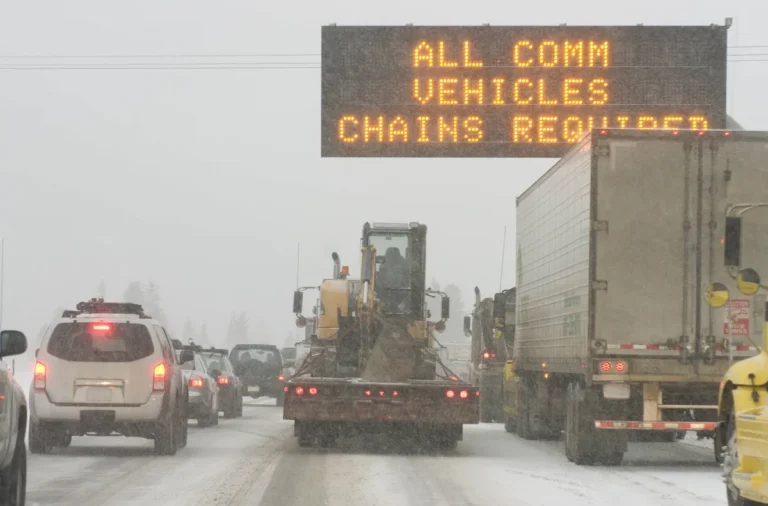
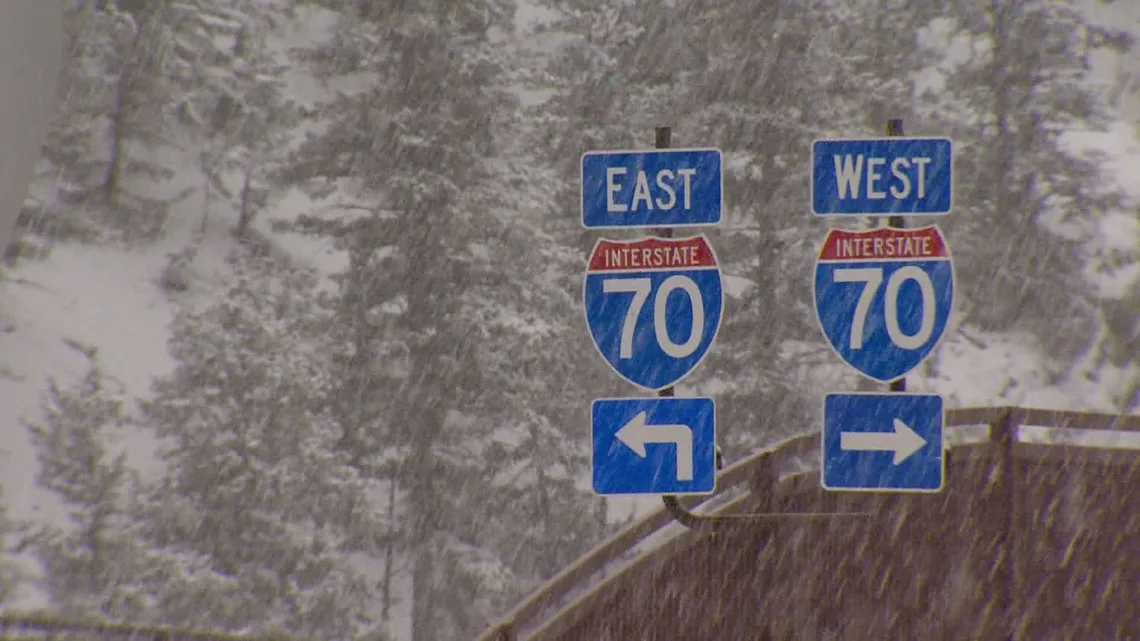
You're driving up I-70 on a Friday afternoon in January. The snow started light around Idaho Springs, but by the time you hit the Eisenhower Tunnel, it's a full-blown whiteout. Then you see it: an orange electronic sign flashing "CHAIN LAW ACTIVE, CODE 18." If you don't have chains in your trunk, you're about to have a very bad day.
The Colorado passenger vehicle chain law activation during severe winter storms isn't something you can bluff your way through. As of 2026, the fine for ignoring it can hit $1,000 per vehicle, and that's before the tow truck. Most drivers don't actually understand when the law kicks in, what devices are legal, or where enforcement happens.
By the time you see the flashing sign, it's too late to turn back. Let's fix that.
Bing (Web (fair-use with source credit))
Quick Answer
The Colorado passenger vehicle chain law activates when severe winter storms create hazardous road conditions on mountain highways. CDOT posts "Code 18" signs at designated zones. You must have chains or an approved traction device on at least two drive wheels.
All-wheel drive alone does not satisfy the requirement. The fine reaches $1,000 per vehicle for noncompliance. Check CDOT's live map before every mountain trip.
Why This Law Exists — and Why It Catches People Off Guard
Colorado's chain law exists because every winter, dozens of vehicles slide off I-70 in a single storm. Those accidents close the highway for hours and strand hundreds of people. The state saw this pattern year after year and decided that voluntary warnings weren't cutting it.
The law targets the worst conditions. We're not talking about a light dusting on the Front Range. We're talking about storms that drop a foot of snow on Loveland Pass in three hours, reducing visibility to near zero and turning the road into polished ice.
In those conditions, even the best all-season tires lose their grip. Chains create mechanical traction by biting into the ice and snow.
What catches most people: They don't check road conditions before leaving. They assume their SUV with all-wheel drive is invincible. They've never actually seen a chain law checkpoint or know what the signs mean.
By the time they figure it out, they're past the last exit and staring at a trooper waving them to the side.
A 2023 storm on I-70 near Silverthorne triggered the chain law for 14 straight hours. CDOT reported over 200 slide-offs in that single stretch. Drivers without chains were turned around at checkpoints, adding two to three hours to their trips.
The ones who had chains rolled through at 25 mph without issue.
The law keeps traffic moving. A single car without chains spinning its wheels can stop a thousand cars behind it. CDOT would rather inconvenience you for ten minutes at a chain-up area than shut down the highway for four hours because of a jackknifed sedan.
The One Thing That Makes the Law Active (Not Just Cold Weather)
The chain law doesn't activate automatically when it snows. It's not tied to the calendar, the temperature, or even the amount of snow on the ground. The law activates based on a specific operational decision by CDOT and the Colorado State Patrol.
The trigger conditions are:
| Condition | What It Means |
|---|---|
| Road surface condition | Ice, packed snow, or slush covering the entire lane |
| Visibility | Below 1/4 mile due to blowing or falling snow |
| Accident rate | Multiple slide-offs or crashes in a short segment |
| Forecast intensity | Projected snowfall rate exceeding 2 inches per hour |
CDOT's maintenance supervisors and the State Patrol make the call together. They look at real-time road sensor data, weather radar, and reports from plow drivers. When they determine the road surface has become consistently hazardous, they activate the chain law for specific highway segments.
The part that trips people up: The law can activate for a 10-mile stretch while the road 5 miles away is perfectly clear. You might drive through clear pavement for an hour, hit a wall of snow, and suddenly see chain law signs. It's localized and dynamic.
It can activate at 2 PM, deactivate at 5 PM, and reactivate at 8 PM as conditions change.
The law has two tiers. The Traction Law (sometimes called the "Mountain Driving Law") requires either winter tires with adequate tread or chains. The Passenger Vehicle Chain Law (Code 18) requires chains or an approved alternative traction device specifically.
The chain law is the more severe of the two.
How to know before you go: CDOT maintains a live map on their website showing current chain law status for every highway segment. The map uses a simple color code: green for clear, yellow for traction law, and red for chain law. Check it before you leave.
Check it again when you're halfway there. Conditions change fast in Colorado.
What "Code 18" Means on a Roadside Sign
You're driving along, and suddenly you see an orange electronic sign flashing "CODE 18." If you've never seen it before, it can be confusing. Here's exactly what it means.
Code 18 is CDOT's internal designation for the passenger vehicle chain law. It's not a speed limit. It's not a road closure advisory. It's a mandatory legal requirement that every passenger vehicle on that highway segment must have chains or an approved traction device installed on at least two drive wheels.
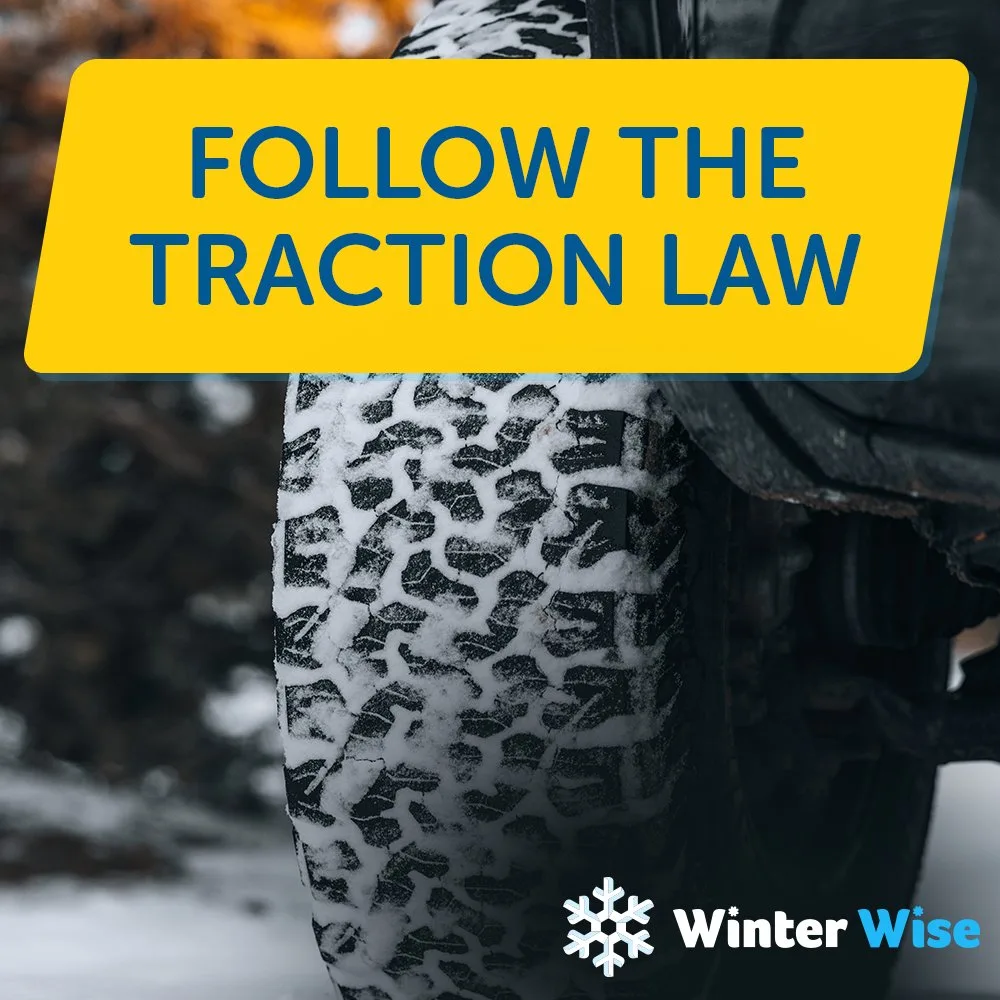
Image source: Bing (Web (fair-use with source credit))
The signs are bright orange with white text. You'll also see smaller black-and-white signs at the entry points to chain law zones that say "Traction Device Required Beyond This Point."
What happens after you see the sign:
- You have a short window to pull over and install your chains. Usually, there's a chain-up area within a mile or two of the sign.
- If you don't have chains, you must exit the highway before the checkpoint. Every chain law zone has a designated exit that serves as the enforcement boundary.
- If you continue past the checkpoint without chains, a trooper will stop you. You'll get a citation and be directed to turn around or wait for conditions to improve.
The speed limit under Code 18 is typically posted at 25 mph. If it's not explicitly signed, the general rule is "reasonable and prudent for conditions." That means under 40 mph on the interstate and under 25 mph on mountain passes. Exceeding that isn't just dangerous.
It's grounds for a separate reckless driving citation.
One more thing: Code 18 applies to all passenger vehicles. That means sedans, SUVs, pickup trucks under one ton, vans, and minivans. Commercial trucks have their own separate chain law (Code 15) with different requirements.
If you're driving a personal vehicle, you're under Code 18.
What Counts as a Legal Traction Device in Colorado
This is where most of the confusion lives. Colorado law defines a "traction device" specifically, and not everything that helps in snow qualifies.
The approved devices under Code 18:
| Device Type | Legal? | Notes |
|---|---|---|
| Traditional metal tire chains | Yes | The gold standard. Biting edges dig into ice. |
| Cable chains | Yes | Lighter and easier to install, but less aggressive. |
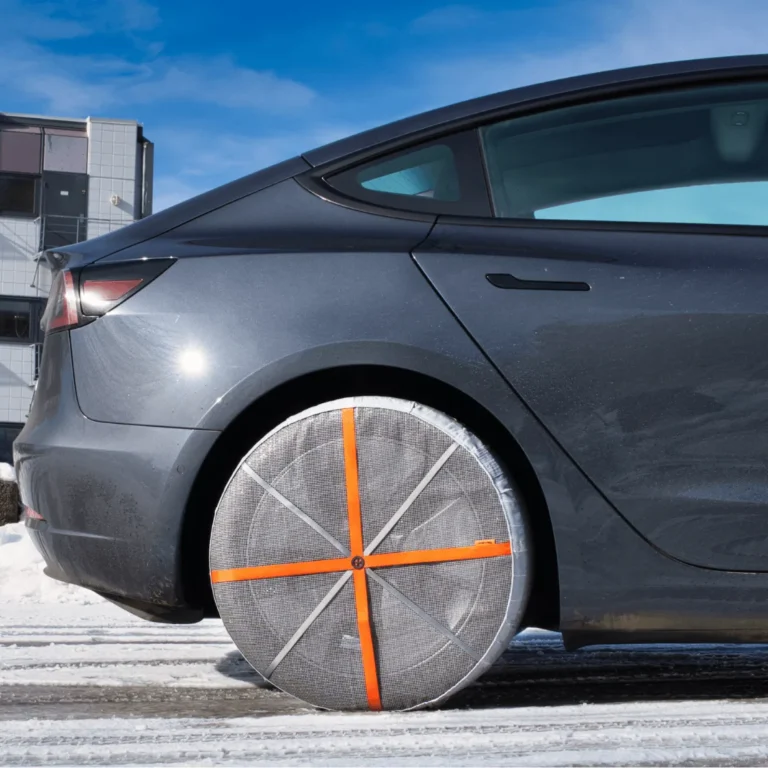
| AutoSock | Yes | Cloth-based traction aid. Legal in Colorado. |
| Studded tires | Yes | But only between September and May. Banned on some highway sections. |
| Winter tires (3PMSF) | No, by themselves | Count under Traction Law, NOT under Code 18. |
| All-season tires | No | Never count for either law. |
| All-wheel drive | No | Not a traction device. |
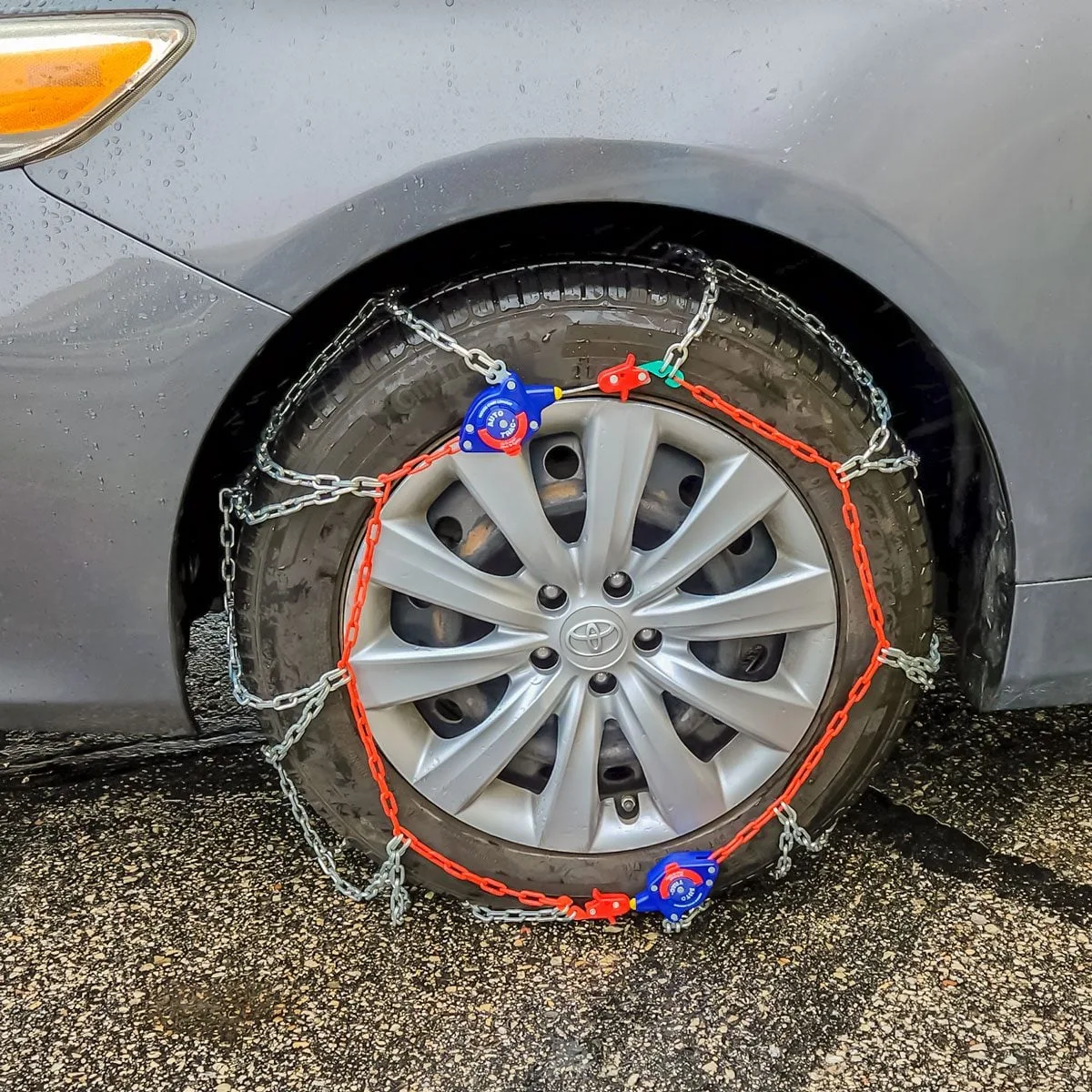
Image source: Wikimedia Commons / Cliff from I now live in Arlington, VA (Outside Washington DC), USA (CC BY)
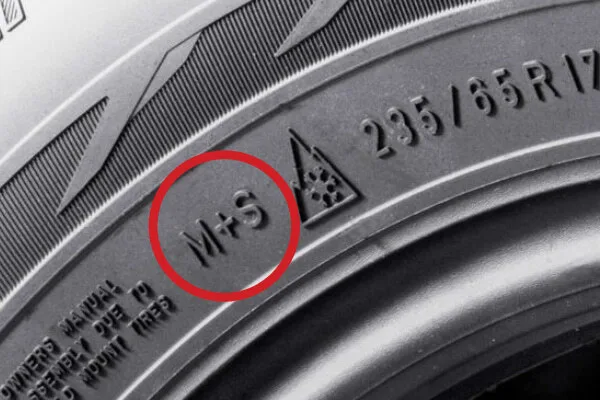
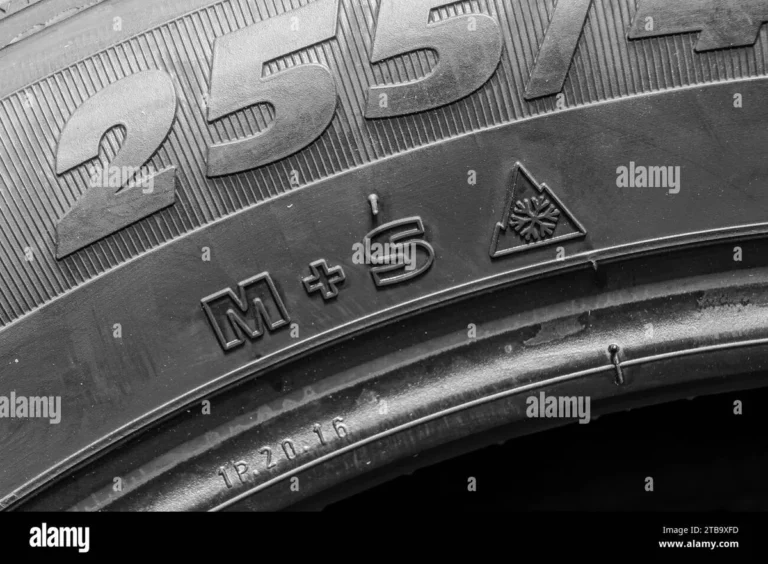
The critical distinction: Under the Traction Law, you can use snow tires marked with the three-peak mountain snowflake symbol (3PMSF) plus adequate tread depth. Under the Code 18 chain law, snow tires alone are not sufficient. You need a physical device that wraps around the tire and provides mechanical bite.
What "adequate tread" means: Colorado law says 3/16 of an inch minimum tread depth. You can measure this with a tire gauge or use the penny test. Stick a penny into the tread with Lincoln's head facing down.
If you can see the top of his head, your tread is too low.
Installation requirements: The device must be on at least two drive wheels. For front-wheel drive cars, that's the front wheels. For rear-wheel drive, the rear.
For all-wheel drive, you can choose either axle. Most recommendations suggest the front for better steering control.
Check your vehicle's owner's manual before buying chains. Some modern cars with low-profile tires, tight wheel wells, or electronic suspension systems have restrictions on which types of chains you can use. A few high-performance sedans prohibit traditional chains entirely and require cable chains or AutoSocks.
The Devices That Don't Count (Even If You Think They Do)
Every winter, drivers get citations because they assumed something counted that doesn't. Let's clear up the most common misconceptions.
All-wheel drive and four-wheel drive are the biggest offenders. Under Code 18, it doesn't matter if you have four driven wheels, locking differentials, and a terrain response system. Without chains or an approved device, you're violating the law.
AWD helps you accelerate, but it doesn't help you stop or steer on ice.
Winter tires are excellent. They're made of softer rubber compounds that stay flexible in cold temperatures. They have deeper tread patterns designed to evacuate snow and slush.
But under Code 18, they don't satisfy the requirement. You need a mechanical traction device on top of them.
Studded tires occupy a gray area. They are legal in Colorado as a traction device, but only during the designated studded tire season (usually September through May). Some highway sections, particularly in the Denver metro area and on certain mountain roads, have permanent bans on studded tires.
If you're on a stretch where studs are prohibited, they don't count.
All-season tires with deep tread are common on rental cars and family sedans. They're fine for light snow on flat roads. They are not fine for Code 18 conditions.
The rubber compound hardens in cold temperatures, and the tread pattern is designed for rain, not ice.
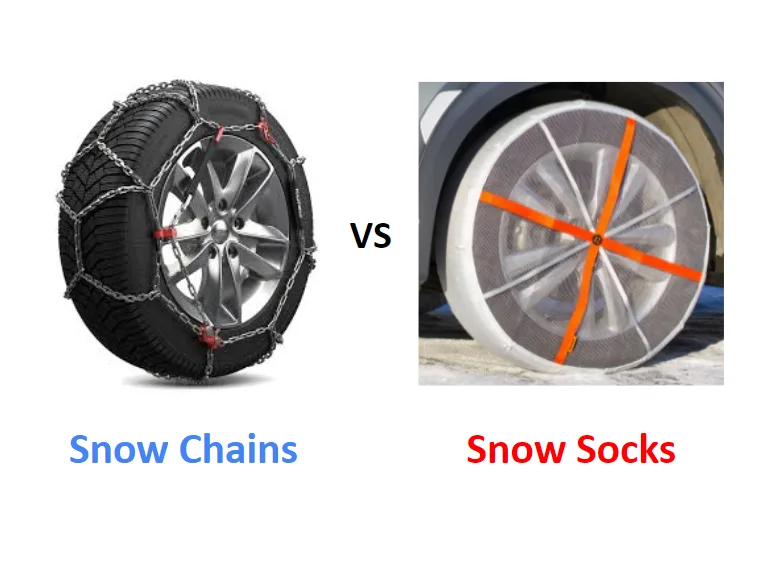
Image source: Bing (Web (fair-use with source credit))
Why this catches rental car drivers specifically: Rental agencies in Colorado are required by law to inform you about mountain driving requirements. The notice is often a half-page at the bottom of a rental agreement you signed on your phone. A lot of tourists end up on I-70 without chains, see the Code 18 sign, and have no idea what it means.
If you're driving a rental, stop at an auto parts store in Denver before you head into the mountains. A basic set of chains costs less than the fine and takes ten minutes to buy.
The bottom line: if you see the Code 18 sign and you don't have a physical traction device in your trunk, pull off at the next exit and wait. The checkpoint is coming. It's better to lose an hour than to lose $1,000.
Where Enforcement Actually Happens (It's Not Everywhere)
Chain law enforcement isn't random. CDOT and the State Patrol focus on specific corridors where conditions get dangerous fastest.
The primary enforcement zones:
| Highway | Segment | Notes |
|---|---|---|
| I-70 | Evergreen to Vail Pass | The busiest and most heavily enforced stretch |
| US 6 | Loveland Pass | Closed frequently in storms |
| US 40 | Berthoud Pass | Steep grades, tight curves |
| CO 9 | Frisco to Hoosier Pass | Popular alternative route |
| US 285 | Kenosha Pass to Fairplay | Long stretch at high elevation |
Checkpoints are set up at strategic points: right after the last exit before a long climb, at the base of a steep pass, or just before a tunnel. Troopers wave vehicles into a designated area and check for chains or approved devices. If you don't have them, you get a citation and a directive to turn around.
What enforcement looks like in practice: Troopers don't check every single car. They set up rolling checkpoints where they stop every third or fourth vehicle. If they see you clearly have chains installed, they wave you through.
If they see bare tires, they pull you over. The whole process takes about 15 seconds per vehicle.
What Happens If You Ignore It or Don't Have Chains
The consequences go beyond the fine. Let's be clear about what you're facing.
Financial cost:
- Fine for first offense: up to $1,000 per vehicle
- Fine for second offense within 12 months: up to $1,500
- Tow truck if you get stuck: $200 to $500
- Potential insurance premium increase if cited
- Possible denial of insurance claim if you crash without chains
Practical consequences:
- You'll be turned around at the checkpoint, adding hours to your trip
- You may be forced to wait at a chain-up area until conditions improve
- Your vehicle could be towed if it's blocking traffic
- You risk getting stranded overnight if the highway closes behind you
Legal consequences:
- The citation is a traffic infraction, not a criminal offense
- Points may be added to your driving record
- Commercial drivers face additional penalties
The State Patrol does not give warnings for chain law violations during active storms. If you're caught, you're cited. Period.
How to Install Chains in the Cold Without Losing Your Mind
Installing chains in a blizzard at the side of I-70 is one of the more miserable experiences you'll have as a driver. But it doesn't have to be that bad if you prepare.
Before you leave:
- Practice installing your chains once in your driveway. Do it when it's warm and dry. Time yourself.
- Check that the chains fit your tires. Sizes matter. A chain that's too loose will damage your vehicle.
- Keep a pair of waterproof gloves in your chain bag. Your hands will thank you.
- Carry a small flashlight or headlamp. Most chain installations happen in the dark.
Step-by-step installation:
- Pull off at a safe, flat spot. Chain-up areas are marked with blue signs. Use them.
- Lay the chains out flat on the ground in front of the drive wheels. Make sure there are no twists.
- Drive the vehicle forward so the tires sit on top of the chains. Stop with the tire centered on the chain.
- Drape the chains over the tire. Connect the inner cable first, then the outer.
- Tighten the chains by pulling the tensioner strap or cable. They should be snug but not guitar-string tight.
- Drive forward about 50 feet and stop. Tighten again. Chains stretch as they seat.
- Re-tighten after one mile. This is the step most people skip, and it's why chains come loose.
Pro tip: If you're installing chains on a hill, point your wheels straight and use wheel chocks if you have them. A rolling vehicle with a chain half-installed is a recipe for injury.
The Most Common Mistakes Drivers Make
After watching countless drivers fumble through chain installations and checkpoint stops, here are the mistakes we see most often.
Mistake 1: Waiting until you see the sign. The sign means you're already in the enforcement zone. You should have your chains ready to install before you hit the mountains. Better yet, install them at the chain-up area before the checkpoint.
Mistake 2: Buying chains that don't fit. Chains have size ratings that correspond to tire dimensions. A chain labeled for a 225/65R17 tire won't fit a 235/55R19 tire. Check your tire sidewall before you buy.
Mistake 3: Not tightening after installation. Loose chains slap against the wheel well, damaging both the chain and your vehicle. They can break and wrap around the axle. Tighten them twice.
Mistake 4: Driving too fast with chains. Most chain manufacturers recommend a maximum speed of 30 to 40 mph. Exceeding that can snap the chain or damage your tires. Chains are for crawling, not cruising.
Mistake 5: Thinking AWD is a substitute. We've said it before, but it bears repeating. AWD helps you go. Chains help you stop.
They are not the same thing.
Mistake 6: Forgetting chains for the rental car. Rental cars in Colorado often come with all-season tires that are marginal in snow. If you're renting in Denver and heading to the mountains, buy chains at a local auto parts store. Return them unopened if you don't use them.
What to Do When You See the "Chain Law Active" Signs
You see the flashing orange sign. Now what? Here's your decision tree.
If you have chains and know how to install them:
- Continue to the next chain-up area. It's usually within one to two miles.
- Pull off the highway completely. Do not stop on the shoulder.
- Install chains on your drive wheels following the steps above.
- Drive slowly. Stay under 40 mph.
- Re-tighten after one mile.
If you have chains but don't know how to install them:
- Pull into the chain-up area.
- Ask another driver for help. Most Colorado drivers are willing to assist.
- Watch a quick video on your phone if you have signal.
- Install the chains. Drive slowly.
- You'll gain confidence after the first mile.
If you don't have chains:
- Take the next exit. Do not continue past the checkpoint.
- Wait at a gas station or rest area for conditions to improve.
- Check CDOT's live map for updates on chain law status.
- If the law deactivates, continue carefully without chains.
- If it stays active, buy chains at the nearest store or wait it out.
If you have winter tires but no chains:
- Your winter tires count under the Traction Law, but not under Code 18.
- Take the next exit if you're in a chain law zone.
- Install chains if you have them. If not, wait for deactivation.
A Quick Decision Guide for Front Range Drivers Heading to the Mountains
Let's make this simple. Before you leave Denver, Colorado Springs, or Boulder for a mountain trip, run through this checklist.
Before you go:
- Check CDOT's live chain law map
- Check weather forecasts for the pass you're crossing
- Verify your chains fit your tires
- Pack waterproof gloves and a flashlight
- Fill your gas tank and pack extra food and water
Choose your preparation level based on conditions:
| Your Situation | What to Do |
|---|---|
| Clear forecast, no snow in 48 hours | No chains needed. Carry snow tires or all-seasons with good tread. |
| Snow in forecast, Traction Law possible | Carry chains in your trunk. Snow tires recommended. |
| Active storm, Chain Law likely | Install chains before you leave. Check CDOT map hourly. |
| Code 18 active on your route | Do not drive without chains. Turn around if you don't have them. |
In the car:
- Keep your phone charged
- Tell someone your route and expected arrival time
- Layer warm clothing even if it seems unnecessary
- Learn how to install your chains before you need to do it in the snow
Frequently Asked Questions
How do I know if the chain law is active right now?
Check CDOT's live chain law map on their website. The map uses color coding: green for clear, yellow for traction law, and red for chain law. You can also call 511 for road condition updates.
Third-party apps often lag behind official sources.
Can I drive a rental car without chains in Colorado?
Technically yes, if the chain law is not active. But if Code 18 is posted and you don't have chains, you'll be cited. Rental cars typically come with all-season tires that are inadequate for severe winter storms.
Buy chains at an auto parts store in Denver before heading to the mountains.
Do I need chains on all four wheels?
No. Colorado law requires chains or an approved traction device on at least two drive wheels. For front-wheel drive, that's the front wheels.
For rear-wheel drive, the rear. For all-wheel drive, you can choose either axle, though front is recommended for steering control.
What's the difference between the Traction Law and the Chain Law?
The Traction Law requires winter tires with adequate tread or chains. The Chain Law (Code 18) requires chains or an approved traction device specifically. Winter tires alone are not enough under Code 18.
The chain law is activated during the most severe conditions.
Will my insurance cover damage if I crash without chains?
Your insurance company may deny a claim if you crashed while violating a legal road requirement. Colorado's chain law is mandatory, not advisory. If you're cited for not having chains and you crash, the insurance company can argue you were operating the vehicle illegally.
That's a risk worth avoiding.
Can I use AutoSocks instead of chains?
Yes. AutoSocks are a cloth-based traction aid that is legal in Colorado under Code 18. They're easier to install than metal chains and work well on packed snow.
However, they wear out faster on bare pavement and are less effective on thick ice. Check that they fit your tire size before using them.