Leaving your car running while you dash inside for a minute might seem harmless, but Delaware law on leaving a vehicle running and unattended on public property takes it seriously. This isn’t just about convenience, it’s a safety and theft prevention measure with real consequences.
Per Delaware Title 21, § 4176, you can’t leave a motor vehicle unattended with the engine running on public property. As of 2026, violations can lead to fines or even towing, depending on local enforcement.
Quick Answer
Delaware law on leaving a vehicle running and unattended on public property prohibits it. The state considers this a public safety risk. Offenders may face fines under Title 21.
Local police enforce this strictly in many areas.
Is It Illegal to Leave Your Car Running Unattended in Delaware?
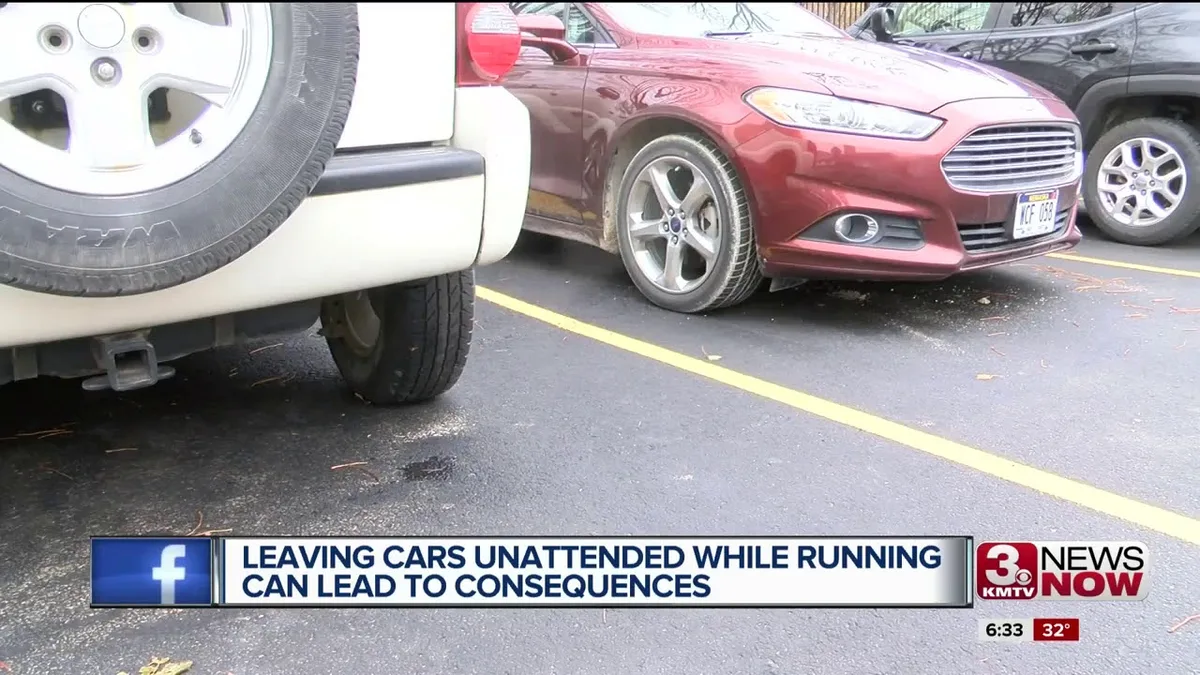
Yes. Delaware explicitly bans leaving a vehicle running and unattended on public property. This includes streets, parking lots, and any area accessible to the public.
The law aims to prevent theft, accidents, and unnecessary idling.
Some drivers assume remote start changes the rule, but that’s not the case. If you’re not in the vehicle or within immediate control, you’re still violating the statute. Municipalities like Wilmington may have additional ordinances, so always check local rules.
Where Exactly This Applies (Public Property vs. Private)
Public property is the key trigger. This covers:
- City streets and highways
- Public parking lots (including those at parks or government buildings)
- Sidewalks or any area open to public access
Private property is a different story. If you’re on your own driveway or a private lot with permission, the state law doesn’t apply. However, some homeowners’ associations or private lot owners may have their own rules, so it’s worth confirming.
What the Delaware Vehicle Code Actually Says
The relevant statute is Delaware Title 21, § 4176. It states that no person shall leave a motor vehicle unattended with the engine running on any public street or highway. The term "unattended" means the driver is not in or immediately adjacent to the vehicle.
This law doesn’t just apply to cars. It covers any motor vehicle, including trucks, motorcycles, and even recreational vehicles if they’re on public property.
For the full text, you can review the Delaware General Assembly’s official code.
The Risks You’re Taking If You Break This Rule
Leaving your car running unattended isn’t just a minor oversight. Here’s what you’re risking:
- Theft: An idling car is an easy target. Thieves can hop in and drive off in seconds.
- Accidents: If the vehicle rolls or is put in gear accidentally, it could injure someone or damage property.
- Carbon monoxide poisoning: In enclosed or poorly ventilated areas, idling can be deadly.
- Fines: Police can issue citations on the spot.
Children and pets left in running vehicles add another layer of danger. Delaware law treats this as a serious safety violation.
When You Might Get Away With It (Exceptions & Gray Areas)
There are a few narrow exceptions where the law doesn’t apply. Emergency vehicles with flashing lights are exempt. So are vehicles being serviced or tested by a licensed mechanic.
Remote start systems create some confusion. If you’re using a factory-installed remote start and stay within line of sight, some officers may overlook it. But this isn’t a guaranteed pass.
How Police Enforce This in Real Life
Enforcement varies by location. In high-traffic areas like Wilmington, police are more likely to issue citations. In quieter towns, you might get a warning first.
Officers typically look for cars running with no one inside or nearby. If they see an open door or keys in the ignition, they’ll act quickly.
Municipal Differences: Wilmington, Dover, and Other Local Rules
Wilmington has its own idling ordinance that’s stricter than the state law. The city limits idling to three minutes for most vehicles. Dover and other municipalities may have similar rules.
Here’s a quick comparison of key areas:
| Location | State Law Applies | Local Idling Limit | Typical Fine Range |
|---|---|---|---|
| Wilmington | Yes | 3 minutes | $50–$200 |
| Dover | Yes | Varies | $75–$150 |
| Newark | Yes | None (state only) | $50–$100 |
Always check with the local police department for the most current rules.
What Happens If You’re Caught (Fines, Towing, and Other Penalties)
First offenses usually result in a fine. The amount depends on the jurisdiction but typically falls between $50 and $200. Repeat offenders may face higher penalties.
In some cases, your vehicle could be towed. This is more likely if the car is blocking traffic or creating a safety hazard. You’ll also have to pay towing and impound fees to get it back.
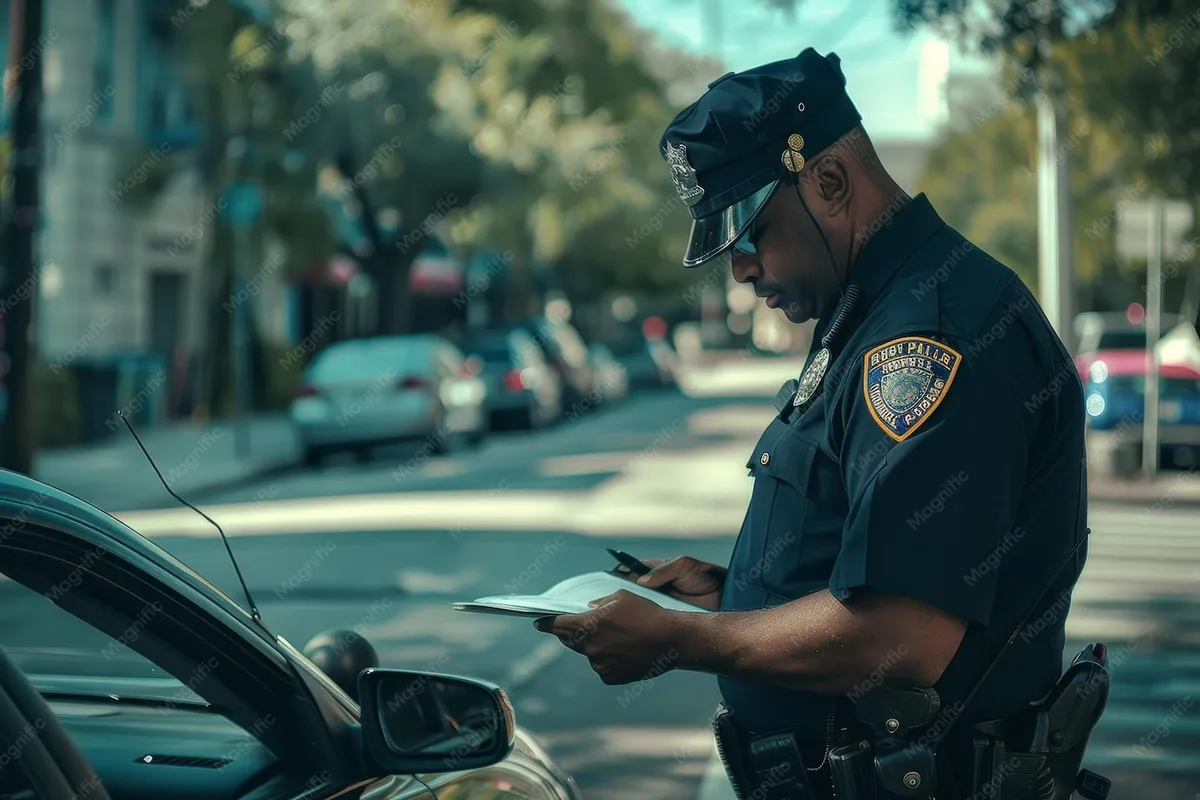
If a child or pet is left inside, the situation escalates. Police may charge you with endangerment.
How to Warm Up Your Car Legally in Delaware
The simplest solution is to stay with your vehicle. If you need to warm it up, do it while you’re inside. This keeps you in compliance and prevents theft.
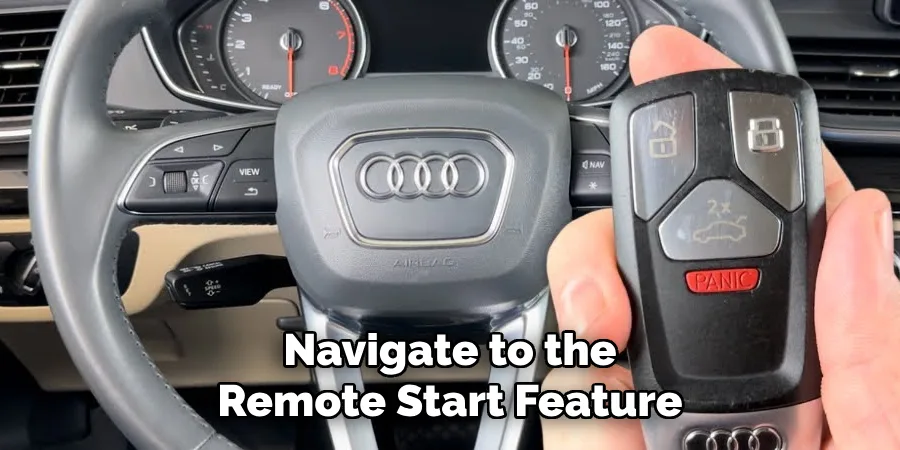
If you have a remote start, use it only when you can see the car. Never walk away while it’s running. Some newer models have features that automatically shut off the engine after a set time.
For extreme cold, consider an engine block heater. These plug-in devices warm the engine before you start it, reducing the need for idling.
Common Mistakes That Get People in Trouble
Assuming remote start makes it legal is the biggest error. Many drivers think this feature bypasses the law, but it doesn’t. If you’re not in or near the vehicle, you’re still violating the statute.
Another common mistake is leaving the car running while paying for gas. Even if you’re just a few feet away, this counts as unattended.
What to Do If Your Car Is Running and You Need to Step Away
Turn it off. That’s the simplest solution. If you must leave it running, stay within arm’s reach of the vehicle.
If you’re in a situation where you can’t turn it off, like a medical emergency, call local law enforcement. They can provide guidance or temporary permission.
FAQs About Delaware’s Unattended Running Vehicle Law
Does this law apply to diesel trucks?
Yes. The statute covers all motor vehicles, including diesel trucks. There are no exemptions based on fuel type.
Can I leave my car running to charge my phone?
No. The law doesn’t make exceptions for charging devices. If the engine is running and you’re not in the vehicle, it’s a violation.
What if I’m just warming up the car for a few minutes?
That’s still illegal. The law doesn’t specify a time limit. Any unattended running vehicle on public property is prohibited.
Are there any medical exemptions?
Not under state law. Some municipalities might have provisions, but Delaware’s statute doesn’t include medical exemptions.
Can I be arrested for this?
Unlikely for a first offense. You’ll probably get a fine. However, repeat violations or endangering others could lead to more serious charges.