ByMax Lee
Is Remote Start Legal in Delaware for Winter Warm-Ups?
Delaware remote start engine legality for warming up vehicles in winter depends on two key factors: unattended vehicle laws and idling restrictions. You can’t leave your car running unattended, even with remote start, but short warm-ups may be allowed if you stay nearby.
As of 2026, Delaware’s Title 21 § 4176 explicitly prohibits leaving a vehicle unattended while the engine runs. This law doesn’t single out remote start systems, but it applies the moment you step away.
Quick Answer
Delaware allows remote start for warming up vehicles in winter. You must stay within a reasonable distance of the car. Unattended idling is illegal.
The engine can run for a limited time. Check local ordinances for exact limits.
Delaware’s Unattended Vehicle Law: What It Actually Says
Delaware’s law is clear: you cannot leave a vehicle unattended with the engine running. This is under Title 21, Section 4176 of the Delaware Code. The statute doesn’t mention remote start specifically, but it covers any situation where the engine is on and the driver isn’t present.
The intent is to prevent theft and accidents. A running car with no one inside is an open invitation for thieves. It’s also a safety hazard if the vehicle rolls or causes harm.
Enforcement varies by municipality. Some areas may be stricter, especially in high-theft zones.
How Remote Start Systems Work (And Why It Matters Here)
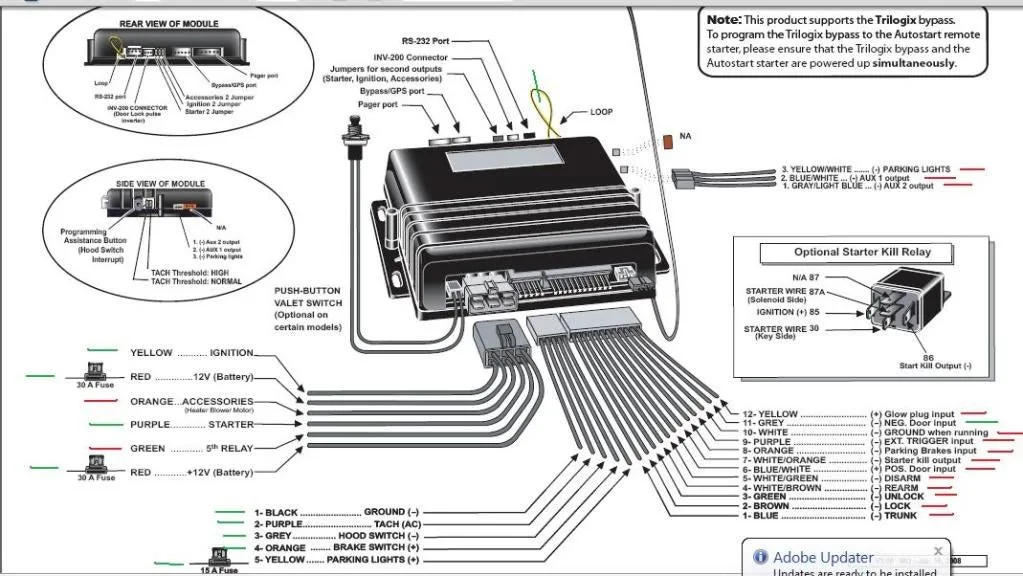
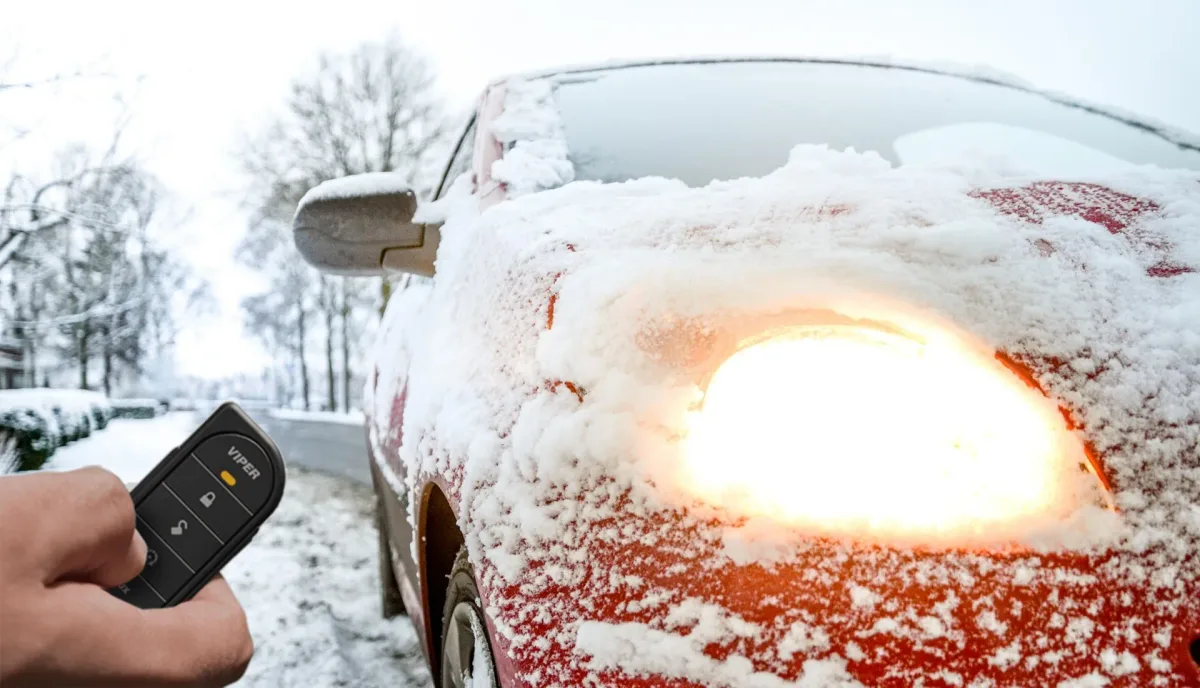
Remote start lets you turn on your engine from a distance, usually via a key fob or smartphone app. The system engages the starter motor, ignition, and fuel systems without a key in the ignition. Most factory and aftermarket systems include safety features like automatic shutdown if the car isn’t in park.
In Delaware, the issue isn’t the technology, it’s the unattended part. If you activate remote start and walk away, you’re violating the law. The system itself is legal, but how you use it determines compliance.
Some newer models have "remote start with proximity" features. These require the key fob to stay within a certain range, which can help you stay compliant.
The 3 Biggest Risks of Remote Start in Delaware
Theft
A running car is a prime target. Thieves can jump in and drive off in seconds. Even with the doors locked, some systems can be bypassed.
Carbon Monoxide Poisoning
Idling in an enclosed space, like a garage, can lead to deadly fume buildup. This risk spikes in winter when windows are up and garages are closed.
Legal Penalties
Violating Delaware’s unattended vehicle law can result in fines. Repeat offenses may lead to higher penalties or even vehicle impoundment.
When You Can Legally Warm Up Your Car in Delaware
You’re in the clear if you stay within a few feet of your vehicle. The law targets unattended cars, not those with a nearby driver. If you’re scraping ice off the windshield while the engine runs, you’re likely compliant.
Some municipalities allow brief idling for warm-ups, often up to 5 minutes. Always confirm local rules, as they can override state law. Factory remote start systems often have built-in timers that shut off the engine after 10-15 minutes.
If your car has a keyless ignition, the same rules apply. The key fob must be with you, and you must remain close enough to take control if needed.
When You Can’t—And the Penalties You Risk
You can’t use remote start if it means leaving your car unattended. Delaware treats this the same as leaving keys in the ignition. The penalty for violating § 4176 is a fine, typically $25 to $100 for a first offense.
Repeat violations can lead to higher fines or even misdemeanor charges. Some municipalities add their own penalties on top of state law.
If your car is stolen while running unattended, insurance may deny the claim. Most policies require reasonable care to prevent theft.
Delaware’s Idling Laws: Time Limits and Exceptions
Delaware doesn’t have a statewide idling limit for passenger vehicles. However, some counties and cities do. Wilmington, for example, restricts idling to 5 minutes in most cases.
The state does enforce idling rules for commercial vehicles. These are stricter, often limiting idling to 3-5 minutes. Passenger cars usually get more leeway.
Exemptions exist for emergency vehicles and extreme weather. If temperatures drop below freezing, some areas allow longer idling.
Carbon Monoxide Danger: The Hidden Winter Risk

Carbon monoxide is odorless and invisible. A running car in an enclosed space can fill with deadly fumes in minutes. This is especially risky in attached garages where fumes can seep into the home.
Symptoms of poisoning include headache, dizziness, and nausea. These can escalate to unconsciousness or death without warning. Never idle your car in a garage, even with the door open.
Modern vehicles produce less CO than older models, but the risk remains. Remote start doesn’t change this. Always move your car outside before warming it up.
Theft Prevention: How to Use Remote Start Safely
Keep your key fob with you at all times. Some systems allow the car to be driven without the fob present, which thieves exploit. Always verify your system’s security features.
Park in well-lit areas when using remote start. Visibility deters thieves. Consider a steering wheel lock for added security.
Set your remote start to the shortest possible runtime. Many systems default to 10-15 minutes. Shorter durations reduce exposure to theft and idling risks.
What About Aftermarket vs. Factory Remote Start?
Factory systems are integrated with the vehicle’s security. They often include features like automatic door locking and engine shutdown if the car is shifted out of park. These are generally safer and more reliable.
Aftermarket systems vary in quality. Cheaper models may lack safety features. Always choose a reputable brand and professional installation.
Both types must comply with Delaware’s unattended vehicle law. The technology doesn’t change the legal requirements.
Practical Workarounds for Cold Delaware Mornings
A block heater is a safe alternative for diesel engines. It warms the coolant and oil without idling. Plug it in overnight for easier starts in extreme cold.
For gas engines, consider an engine blanket. These insulated covers retain heat and reduce warm-up time. They’re legal and don’t involve leaving the car running.
If you must idle, do it in a well-ventilated area. Open garage doors fully and never leave the car unattended.
FAQs: Delaware Drivers’ Most Asked Questions
Can I use remote start if I’m just scraping ice off my windshield?
Yes, as long as you stay within a few feet of the vehicle. The law targets unattended cars, not those with a nearby driver.
What’s the maximum idling time allowed in Delaware?
There’s no statewide limit for passenger vehicles. Some cities like Wilmington cap it at 5 minutes. Always check local rules.
Does remote start void my warranty?
No, but misuse might. If theft or damage occurs while the car was left running unattended, warranty claims could be denied.
Are there any exceptions for extreme cold?
Some areas allow longer idling in sub-freezing temperatures. Confirm with local authorities, as rules vary.
Can I get a ticket for using remote start in my driveway?
Yes, if you leave the car unattended. The law applies on private property too.
The Bottom Line: Can You Use Remote Start in Delaware?
You can use remote start in Delaware, but you must stay nearby. The moment you walk away, you’re breaking the law. Factory systems with proximity features help, but they don’t override state regulations.
The safest approach is to avoid unattended idling entirely. Use alternatives like block heaters or engine blankets for cold mornings. If you do idle, keep it short and stay close.