Delaware low-digit license plate market and private transfer legalities can be confusing, especially when buyers and sellers assume the rules are the same as regular vehicle sales. The process has strict DMV requirements, and one wrong move can void the transfer or even lead to legal trouble.
As of 2026, Delaware allows private transfers of low-digit plates, but only if the plate is currently registered or retained under the owner’s name. The state’s Division of Motor Vehicles enforces specific steps, including notarization and proof of ownership.
Quick Answer
Delaware low-digit license plate market and private transfer legalities require DMV approval. Private transfers are legal if the plate is retained or registered. Notarization and Form MV213 are mandatory.
Fees range from $10 to $25.
Why Delaware Low-Digit Plates Are a Big Deal (and the Legal Risks)
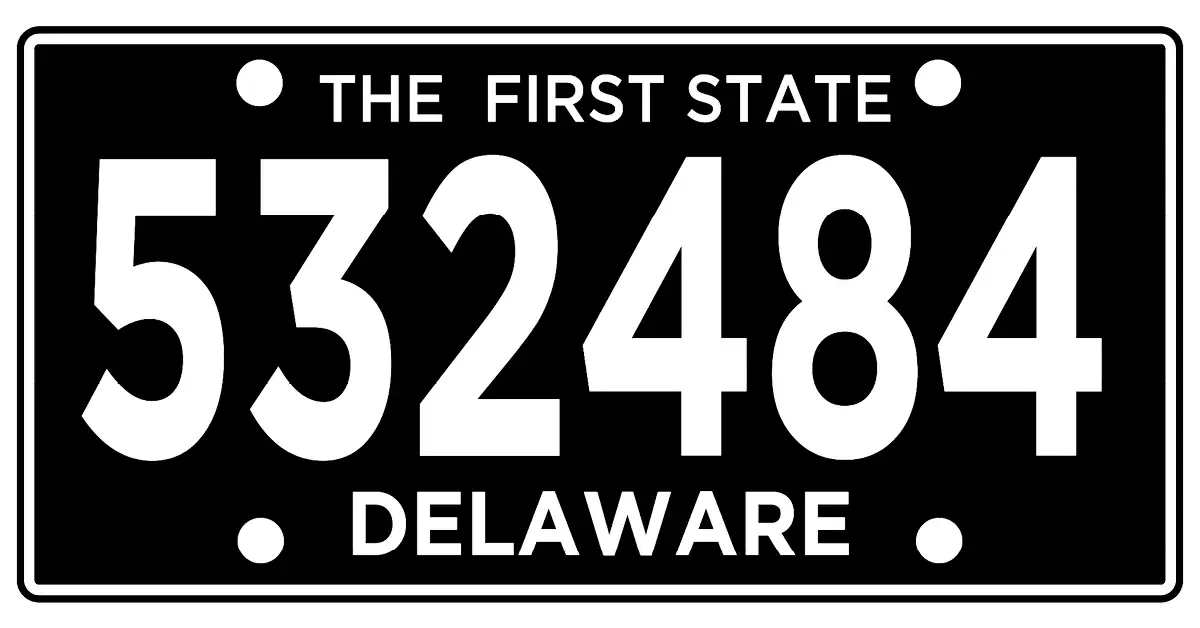
Low-digit plates (1, 999) are rare, with only about 1,000 in circulation. Their scarcity drives demand among collectors, classic car owners, and status seekers.
The risk comes from assuming these plates transfer like regular vehicle titles. Delaware treats plates as separate property, so ownership doesn’t automatically follow the car. Skipping DMV steps or forging documents can lead to felony charges under Title 21, §103.
How Delaware’s Plate System Works for Low-Digit Tags
Delaware issues standard plates in sequential order, but low-digit tags are often retained by owners. The state allows plate retention when selling a vehicle, so the owner keeps the plate instead of surrendering it.
Retained plates stay in the owner’s name until reassigned to a new vehicle or transferred privately. The DMV tracks ownership separately from vehicle titles, which is why private transfers require extra verification.
Can You Privately Transfer a Delaware Low-Digit Plate? (The Short Answer)
Yes, but only if the plate is currently registered or retained in the seller’s name. The buyer must be a Delaware resident, and the transfer must follow DMV procedures.
Non-residents cannot legally take ownership of a Delaware plate, even in a private sale. The DMV will reject transfers without proper documentation, leaving the buyer with an invalid plate.
Delaware’s Official Transfer Rules: What the DMV Requires
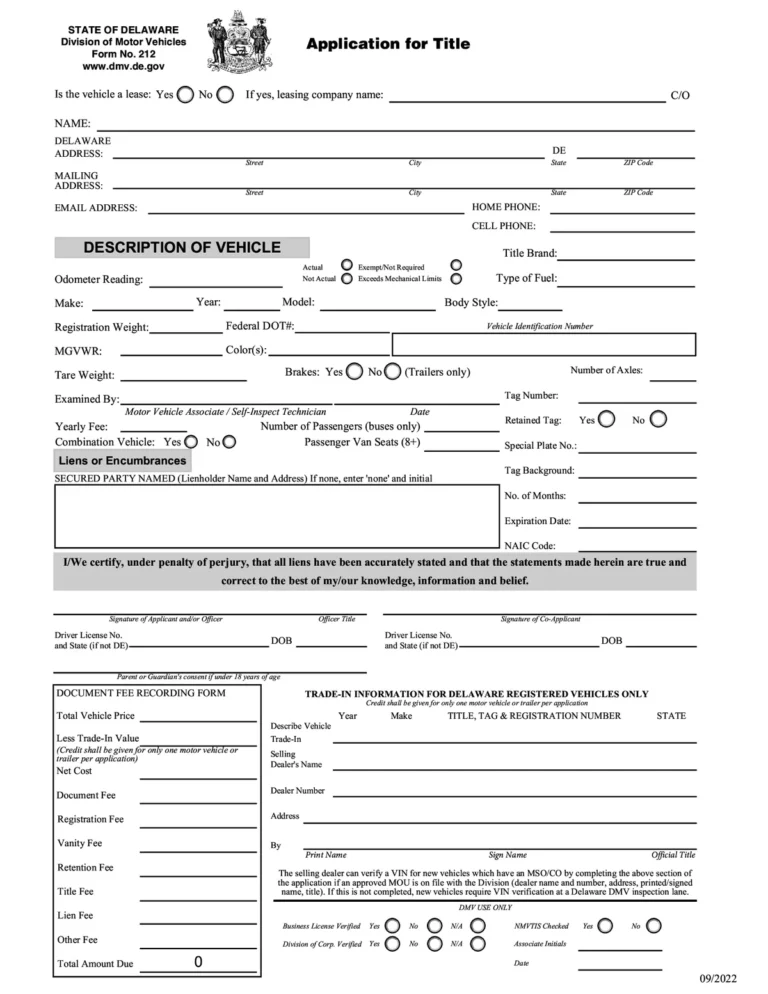
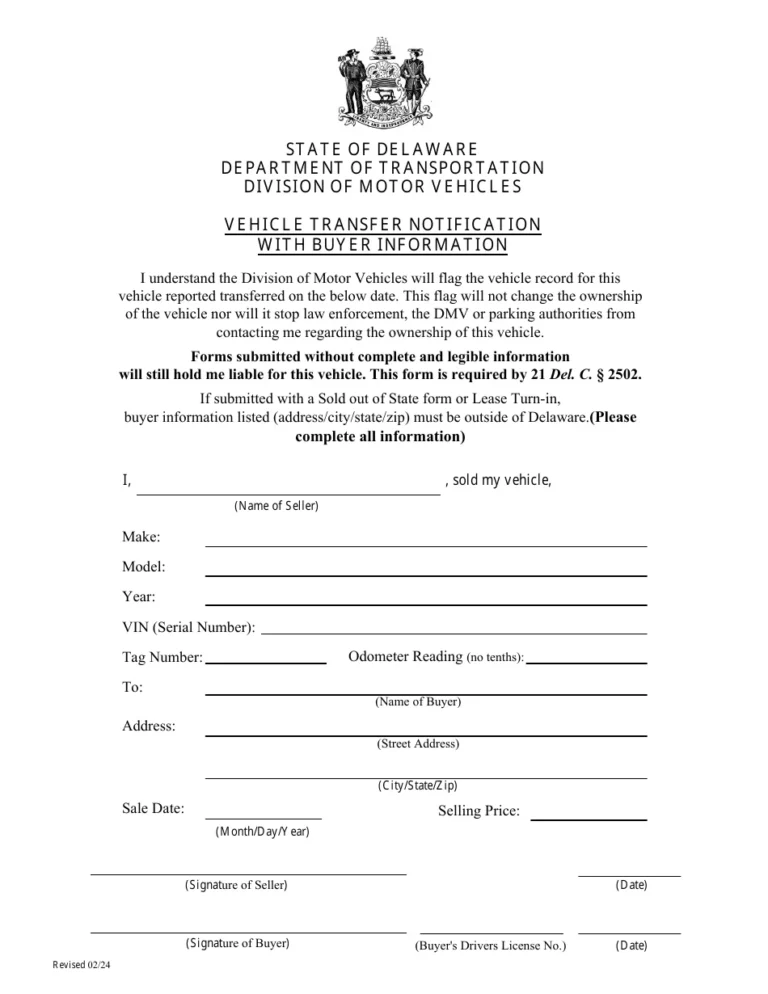
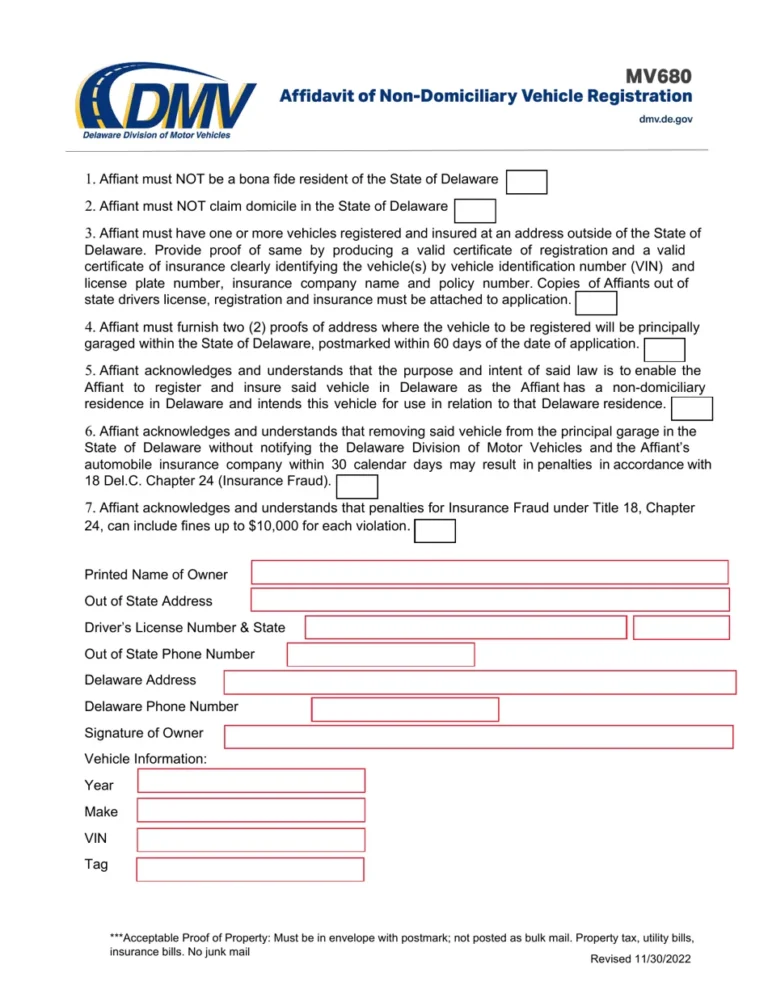
The Delaware DMV mandates a few non-negotiable steps for private plate transfers. First, the seller must complete Form MV213, the Application for Transfer of Registration/Plates. This form requires the plate number, vehicle information (if applicable), and both parties’ details.
Next, the transfer must be notarized. Delaware does not accept unsigned or unnotarized agreements, and the DMV will refuse to process the transfer without this step. As of 2026, the notarization fee is typically $5, $15, paid separately from the DMV’s $10, $25 transfer fee.
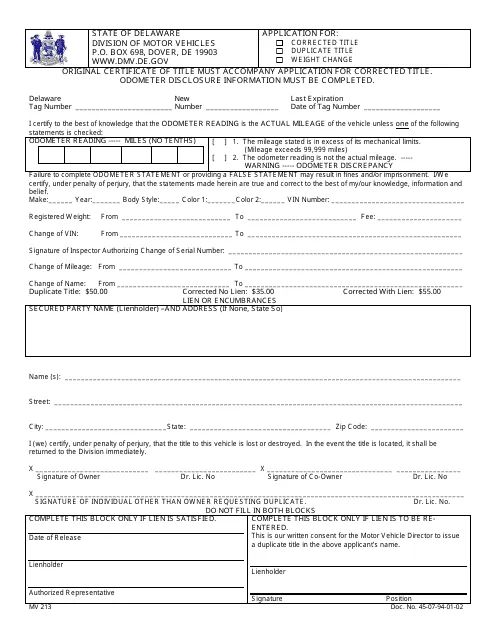
The seller must also provide proof of plate ownership, such as the current registration or a retention receipt from the DMV. If the plate was previously assigned to a vehicle, that vehicle’s title may be required to confirm the seller’s right to transfer it.
For more details on vehicle-related documentation, check the state’s retention receipt process. The DMV’s official guidelines are available on dmv.de.gov.
Step-by-Step: How to Legally Transfer a Low-Digit Plate in Delaware
Start by confirming the plate is eligible. It must be registered to the seller’s name or retained under their account with the DMV. If it’s assigned to a vehicle, that vehicle’s title should match the seller’s name.
Next, complete Form MV213 with both parties’ information. The seller fills out the current plate details, and the buyer provides their Delaware driver’s license number.
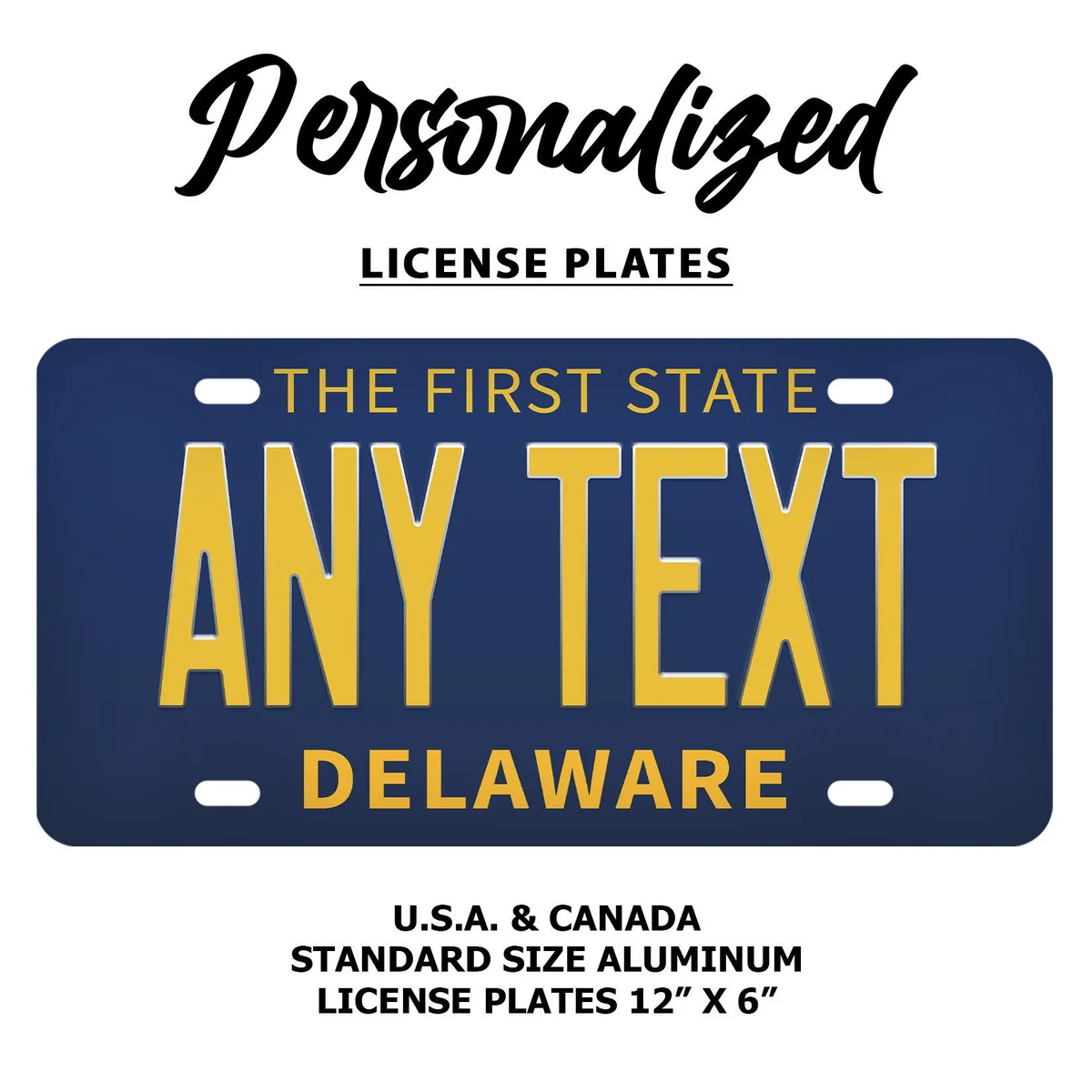
Take the form to a notary. Both parties must sign in front of the notary, who will stamp and date the document. Without this step, the DMV will reject the transfer.
Submit the notarized form to the DMV in person or by mail. Include the transfer fee, which is $10 for standard plates and up to $25 for specialty or low-digit plates. Processing typically takes 1, 2 weeks.
Costs, Fees, and Hidden Expenses of a Private Plate Transfer
The DMV charges a flat transfer fee of $10, $25, depending on the plate type. Low-digit plates often fall at the higher end of this range.
Notarization adds another $5, $15, paid directly to the notary. Some mobile notaries charge extra for travel, so factor that in if you’re not visiting an office.
Hidden costs can arise if the plate isn’t properly retained. If the seller didn’t retain the plate before selling the vehicle, they may need to pay a retention fee to reclaim it. This can add $20, $50 to the total.
Buyers should also budget for potential market premiums. Low-digit plates often sell for $100, $50,000+ in private sales, depending on the number and condition.
Common Scams and Mistakes That Get Transfers Rejected
One of the most common scams is selling a plate that isn’t actually retained. Sellers may claim ownership but fail to provide the DMV retention receipt. Without this, the transfer is invalid.
Another mistake is skipping the notary. Some buyers and sellers assume a handshake deal or a simple signed agreement is enough. Delaware law requires notarization, and the DMV will not process the transfer without it.
Fraudulent plates are also a risk. Some sellers offer low-digit plates that are replicas or altered. The DMV can spot these during inspection, and using a fake plate can lead to a Class E felony charge.
Finally, out-of-state buyers often assume they can take the plate home. Delaware plates cannot be transferred to non-residents, so the DMV will reject these applications outright.
How to Verify a Seller’s Plate Ownership Before Buying
Ask for the DMV retention receipt or current registration. This is the only official proof that the seller owns the plate. If they can’t provide it, walk away.
Check the plate number against the DMV’s records. You can call or visit a DMV office to confirm the plate is registered or retained under the seller’s name.
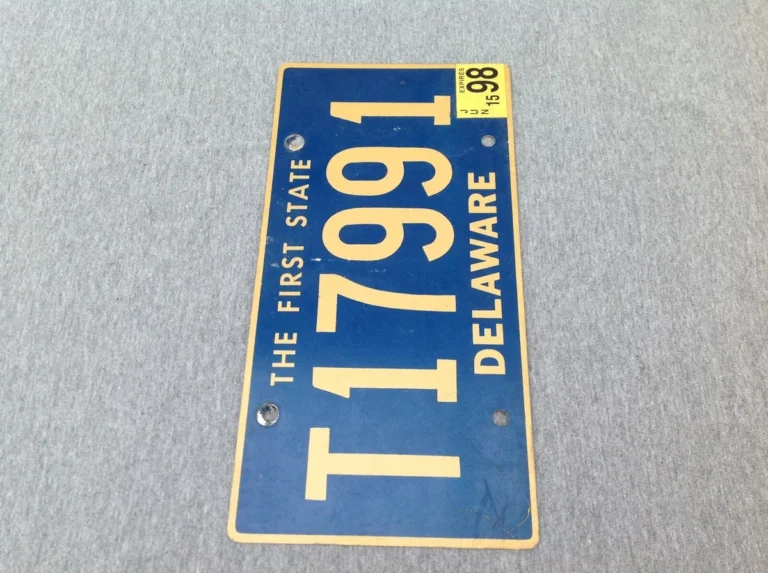
Inspect the plate itself. Look for signs of tampering, such as altered numbers or non-standard materials. Genuine Delaware plates have consistent fonts, spacing, and reflective coatings.
For added security, meet at a DMV office. Some locations allow on-the-spot verification and transfer processing. This eliminates the risk of forgeries or incomplete paperwork.
When to Walk Away from a Plate Deal (Red Flags)
If the seller refuses to meet at the DMV or provide notarized documents, end the deal. Legitimate sellers have no reason to avoid these steps.
Be wary of plates priced far below market value. Low-digit plates rarely sell for less than $100, and anything significantly cheaper is likely a scam or a fake.
Avoid sellers who pressure you to skip steps. Phrases like “We don’t need the DMV” or “Just sign here” are major red flags. Delaware’s transfer process is strict for a reason.
Never buy a plate without seeing the physical tag. Photos can be edited, and descriptions can be misleading. Always inspect the plate in person before handing over any money.
Delaware Residency Rules: Who Can Actually Buy and Transfer Plates
Delaware law restricts plate transfers to state residents only. The buyer must provide a valid Delaware driver’s license or ID to complete the transfer.
Non-residents cannot legally take ownership of a Delaware plate, even if they own property in the state. The DMV will reject any transfer application from an out-of-state buyer.
Some sellers attempt to bypass this by registering the plate to a Delaware address temporarily. This is fraud and can result in the plate being confiscated and the seller facing penalties.
Market Reality: What Low-Digit Plates Actually Sell For
Low-digit plates in Delaware typically sell for $100 to $5,000 in private transactions. Single-digit and double-digit plates command the highest prices, often reaching $10,000 or more.
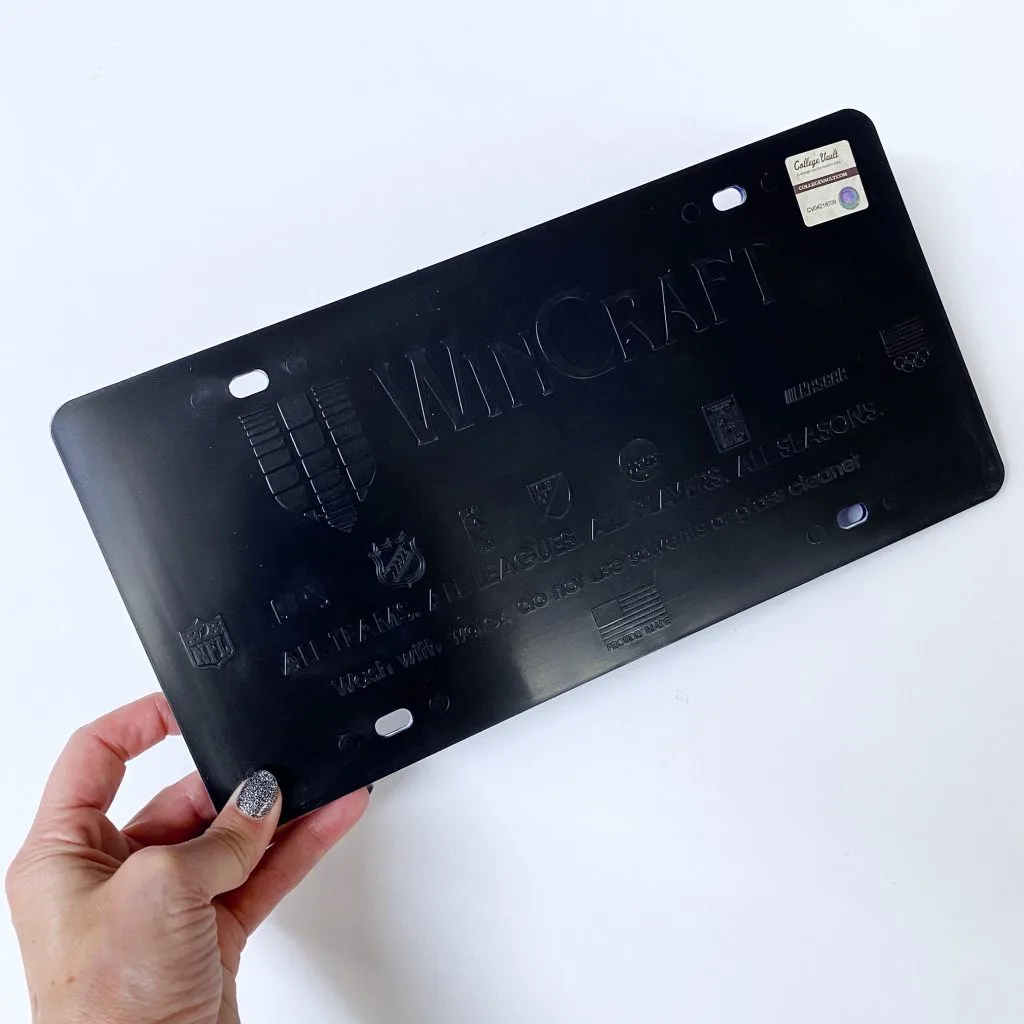
The value depends on the number sequence, plate condition, and historical significance. Plates issued in the 1950s or earlier, like the vintage blue tags, can sell for premium prices among collectors.
Online marketplaces and collector forums are the most common places to find these plates. Prices can vary widely, so buyers should research comparable sales before making an offer.
FAQs About Delaware Low-Digit Plate Transfers
Can I transfer a Delaware plate to a family member out of state?
No. Delaware plates can only be transferred to state residents. Out-of-state family members cannot legally take ownership.
How long does a plate transfer take?
Processing typically takes 1 to 2 weeks. In-person submissions may be faster than mail-in requests.
What happens if I lose the notarized form?
You’ll need to start over. The DMV requires a new notarized Form MV213 to process the transfer.
Are low-digit plates worth more than standard plates?
Yes. Low-digit plates, especially single or double-digit tags, often sell for $100 to $50,000+ in the collector market.
Can I use a low-digit plate on multiple vehicles?
No. A plate can only be assigned to one vehicle at a time. You must transfer it properly between vehicles.