ByMax Lee
Florida Lemon Law: Protect New Car with Arbitration
Your brand-new Florida car just won't cooperate. The check engine light doesn't go off. The transmission stutters every time you hit the highway.
You drop it at the dealer, get it back, and the same problem appears a week later. The good news is that the Florida lemon law for new vehicle consumer protection and arbitration was written precisely for this situation. It protects you from being stuck with a defective vehicle the manufacturer can't fix.
Florida's law is specific and measurable. It gives the manufacturer a set number of chances. After three repair attempts or 30 calendar days out of service for the same problem, the law says your vehicle is presumed a lemon.
From there, the state provides a free arbitration forum through the New Motor Vehicle Arbitration Board. You don't need a lawyer to start, but you do need a clear paper trail.
Quick Answer
Florida's Lemon Law covers new vehicles under warranty. Chapter 681 applies after three repair attempts or 30 days in the shop. You can seek a refund or replacement through state arbitration.
The arbitration process costs nothing to file. You have 24 months from vehicle delivery to file your claim.
Why Florida's Lemon Law Matters for New Car Buyers
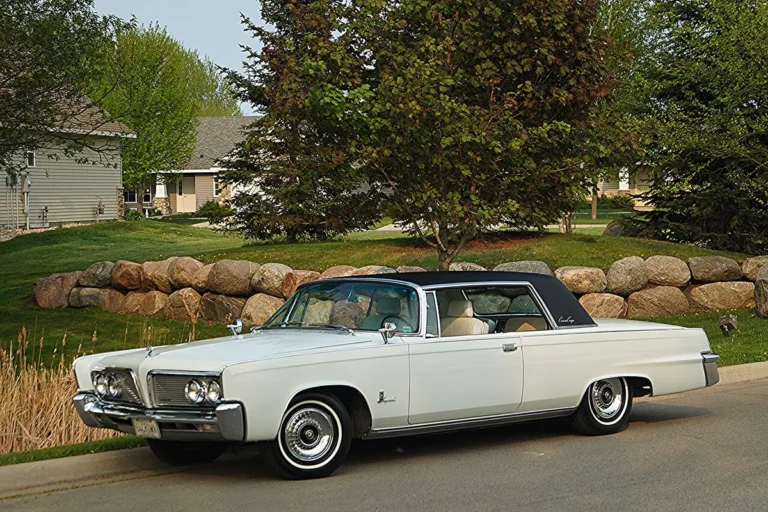
Wikimedia Commons / Pedro Ribeiro Simões from Lisboa, Portugal (CC BY)
Buying a new car is a massive investment. When your vehicle has a persistent defect that the dealer can't fix, the financial loss goes beyond the monthly payment. Your time is wasted.
Your trust is gone. The Lemon Law gives you legal leverage against the manufacturer.
In our research, the biggest takeaway for Florida consumers is how straightforward the state system is compared to private arbitration. The Florida Department of Agriculture and Consumer Services (FDACS) runs the program. It is free to use.
This levels the playing field against the manufacturer's legal team.
The law creates a presumption in your favor. Once you hit the repair thresholds, the burden shifts. The manufacturer must prove the vehicle doesn't qualify as a lemon.
Without this law, you would have to sue them under general warranty law, which is expensive and slow.
The Core Rule: Three Repair Attempts or 30 Days Out of Service
Bing (Web (fair-use with source credit))
This is the engine of the Florida Lemon Law. Two different triggers open the door to arbitration.
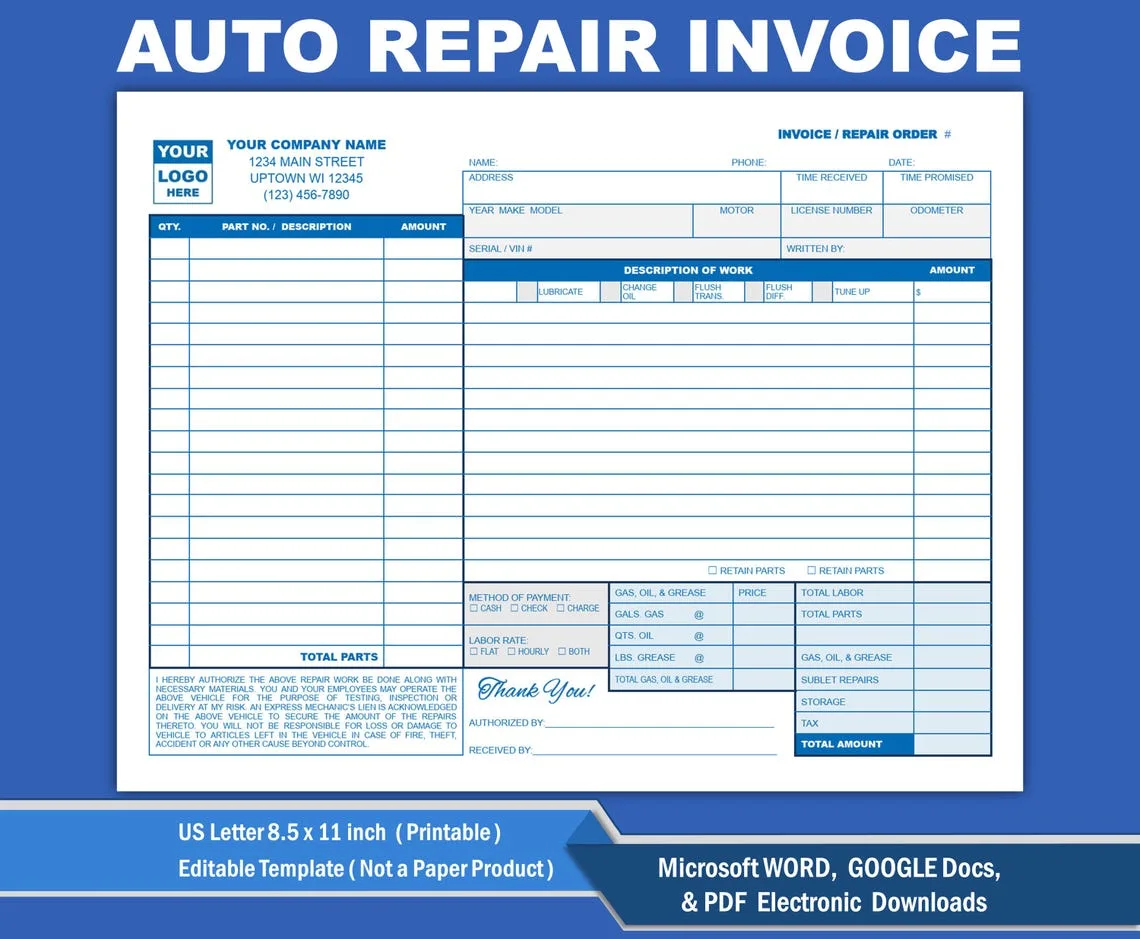
The three repair attempt rule. If the same substantial defect requires three trips to the dealership, and they actively try to fix it each time, you have a strong case. You need to show the repair orders. They need to document the same problem.
If the dealer just changes a battery, it probably doesn't count. If they replace a transmission, it does.
The 30 days out of service rule. You can also qualify if your car has been in the shop for a total of 30 calendar days. This doesn't have to be for the same problem. It can be a total of all repair visits.
Days count from the moment you drop the car off until it is ready for pickup. Business days and weekend days count the same.
| Condition | Trigger | Key Details |
|---|---|---|
| Standard Defect | 3 repair attempts | Must be the same substantial nonconformity. |
| Standard Defect | 30 calendar days out of service | Total time in the shop. Can be multiple visits. |
| Serious Safety Defect | 1 repair attempt | For specific safety systems (brakes, steering, airbag). |
| Serious Safety Defect | 30 days out of service | Same rule applies. |
The 30 day rule is a big one. Many people think they need a specific number of repair attempts, but if the dealer just keeps the car for a month, you have a valid claim. Check your repair orders carefully.
Add up the days.
Serious Safety Defects: The Two Attempt Threshold
Some problems are more urgent than others. Florida law recognizes this. A serious safety defect is a failure that substantially impairs the vehicle's operation, braking, steering, or safety equipment.
What counts? Think brakes that fail, steering that locks up, airbags that deploy randomly (or not at all), or a fuel system that leaks. Florida Statute 681.104 is crystal clear here.
If the defect is likely to cause death or serious bodily injury, the manufacturer gets just one attempt to fix it. After that single attempt, your vehicle is presumed a lemon.
This is a powerful provision. If your car's electronic steering assist fails completely, you are not required to bring it back for a second or third try. The law says one chance is enough.
This pushes manufacturers to prioritize safety buybacks quickly.
The 30 day rule still applies here too. Even if the safety defect isn't life threatening, if the dealer has your car for 30 days trying to fix it, you are still covered.
What Qualifies as a Nonconformity (Substantial Defect)
Not every little problem qualifies as a lemon law claim. The law covers nonconformities. A nonconformity is a defect that substantially impairs the use, value, or safety of a motor vehicle.
What counts as substantial impairment?
- The car stalls while driving. (Use, value, safety)
- The air conditioning is broken in a Florida summer. (Value, possibly use)
- The paint is peeling within the first year. (Value)
- The transmission constantly slips. (Use, value, safety)
- The infotainment screen freezes, losing navigation, camera, and climate control. (Value, use)
What does NOT count?
- Minor squeaks or rattles that don't affect driving.
- Normal wear and tear (tires, brakes).
- A dead battery that holds a charge after replacement.
- Things caused by neglect or abuse.
The key is proving the defect is not just an annoyance. It has to genuinely affect how you use the car or how much it is worth. The arbitration board hears both sides.
If a dealer says we couldn't duplicate the problem, your written complaint and the service history become crucial evidence.
Step-by-Step Guide to Filing an Arbitration Claim
You have the repair records. You know the threshold is met. Now what?
The Florida Lemon Law arbitration process is specific. Missing a step can delay or deny your claim.
Step 1: Send a certified letter to the manufacturer. You must give the manufacturer written notice of the defect and one last chance to fix it. Send it to the manufacturer's regional customer service office, not the dealer. Use certified mail with a return receipt.
Keep a copy.
Step 2: Give them the final repair attempt. Take the car to the dealer specified in the manufacturer's letter. Let them try again. If they fix it, the process stops.
If they don't, you have your final repair order.
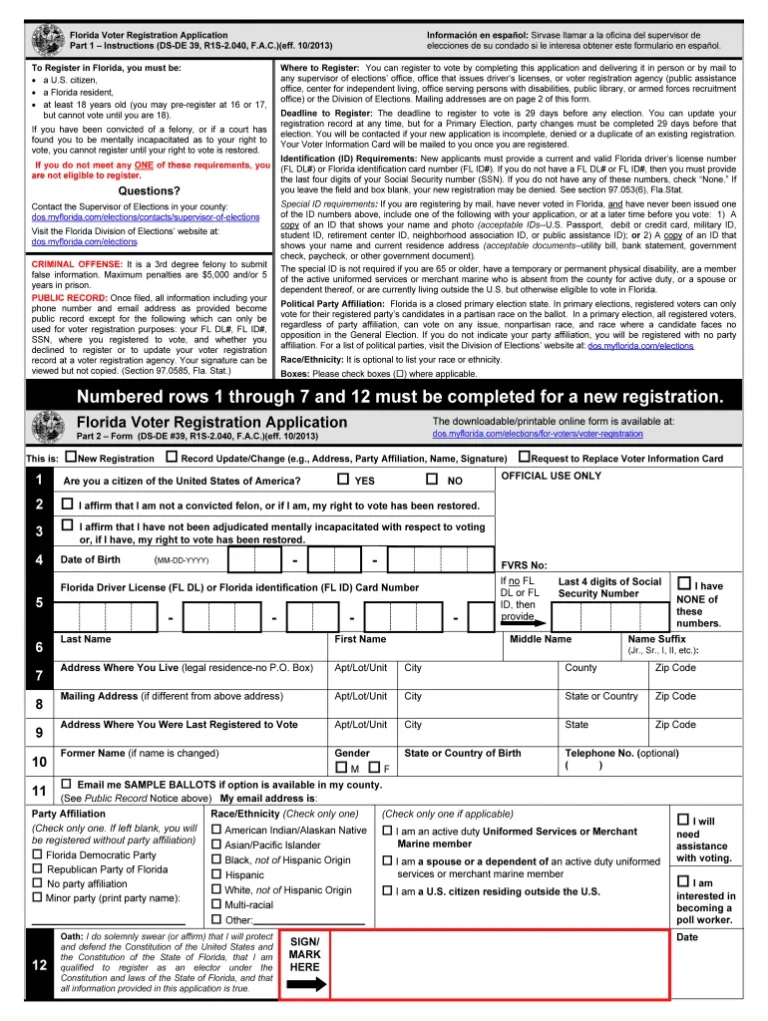
Step 3: File the application with FDACS. Go to the Florida Department of Agriculture and Consumer Services Lemon Law page. Download the arbitration application (Form 5520). Fill it out.
Attach all your repair orders and the certified mail receipt.
Step 4: The arbitration hearing. The board schedules a hearing. You can present your case in person, by phone, or in writing. The manufacturer presents theirs.
You bring your repair orders, the vehicle (if requested), and a timeline. The hearing is relaxed compared to a courtroom.
Step 5: Get the decision. The arbitrator issues a decision. You have two choices. If you accept the decision, the manufacturer must give you a refund or a replacement.
If you reject it, you can take the case to court, but the manufacturer is released from the arbitrator's decision.
What to expect after a win. The refund includes the purchase price, taxes, fees, and incidental costs (towing, rentals, etc.). The manufacturer typically has 30 to 40 days to comply after you accept the award. If they don't, you can go to court to enforce the award.
Refund vs. Replacement: What a Win Looks Like

Wikimedia Commons / The original uploader was Snow storm in Eastern Asia at English Wikipedia. (CC BY)
If the arbitrator rules in your favor, you get a choice. The manufacturer must offer you either a refund (called a buyback) or a replacement vehicle. You get to pick.
The refund route. Florida law says the manufacturer has to reimburse you the full purchase price. That includes sales tax, registration fees, and any finance charges you paid. They also cover incidental damages like towing and rental car costs.
The manufacturer can subtract a small usage fee based on how many miles you drove before the first repair visit.
The replacement option. The manufacturer gives you a comparable new vehicle. It should be as close as possible to the original in make, model, and options. If you took a loan on the lemon, the manufacturer handles the payoff.
You start fresh with a new loan on the replacement.
| Remedy | What You Get | What the Manufacturer Deducts |
|---|---|---|
| Refund (Buyback) | Full purchase price, taxes, fees, finance charges, incidental costs | Mileage offset (reasonable use) |
| Replacement | Comparable new vehicle, loan payoff, new loan for replacement | Nothing, but may negotiate if options differ |
Both options get the lemon out of your life. The refund gives you cash. The replacement gives you another shot with a hopefully reliable car.
Leased Vehicles: Your Rights Under the Same Law
You leased your new car instead of buying it. The Florida Lemon Law still covers you. Lessees are explicitly included.
The process works almost the same way. You file the arbitration claim just like a buyer. The same repair thresholds apply.
The big difference is how the refund is calculated. If you win, the manufacturer refunds all your lease payments to the leasing company. You get back your down payment, any security deposit, and any other fees you paid out of pocket.
The lease agreement is canceled. You walk away.
The leasing company is usually the vehicle owner. So the refund goes to them first. But you are made whole for what you paid.
The law protects you from being stuck in a lease on a defective vehicle.
Common Mistakes That Can Derail Your Case

Bing (Web (fair-use with source credit))
Most people lose their lemon law case before they even file. The mistakes are simple and avoidable.
Not keeping every repair order. Every time you bring the car in, get a written repair order. Ask for it even if they say no charge. That piece of paper is your proof.
Without it, you cannot prove the defect or the number of attempts.
Taking the car to different dealers. Florida law says you should give the manufacturer a reasonable number of attempts. If you jump between dealers, they can argue you never gave them a fair shot. Pick one dealer and stick with it.
Not sending the certified letter. This is the most common error. You must send a written notice to the manufacturer by certified mail with a return receipt. That is not optional.
Skipping it can get your claim dismissed.
Missing the deadline. The clock does not stop. You have 24 months from delivery to file arbitration. If you are close to that deadline, file immediately.
Do not wait.
Arbitration vs. the Manufacturer's Internal Dispute Program
Most car manufacturers have their own internal complaint process. You may have heard of BBB AUTO LINE or the manufacturer's customer mediation program. These are not the same as Florida's state arbitration program.
The state arbitration program is managed by FDACS. It is independent. The arbitrator is neutral.
If you accept the decision, the manufacturer is legally bound to follow it.
Internal programs are different. They are run by the manufacturer or a third party they hire. The decision is often non binding.
That means the manufacturer can ignore it. And if you lose in their internal program, you may have waived your right to state arbitration.
| Factor | Florida State Arbitration | Manufacturer Internal Program |
|---|---|---|
| Runs by | FDACS (state agency) | Manufacturer or third party |
| Binding on manufacturer? | Yes, if you accept the award | Usually no |
| Cost to you | Free | Free |
| Right to reject decision | Yes, you can still go to court | Varies. May limit your options |
We recommend starting with the state arbitration process. It keeps your rights intact. If you do use an internal program first, make sure you understand whether it is a condition of your warranty.
Some warranties require you to try internal dispute resolution before you go to state arbitration. Read your warranty booklet carefully.
Critical Deadlines You Cannot Afford to Miss
Florida Statute 681.104 gives you a strict timeframe. Miss it and your claim is gone.
The 24 month deadline. You have 24 months after the vehicle's delivery date to file an arbitration claim. This is measured from the original delivery, not from the date you discovered the defect. The clock starts ticking the day you drive off the lot.
The warranty deadline. The law also says you must file within the term of the manufacturer's express warranty. If your warranty is 36 months or 36,000 miles, you have until the earlier of those limits. But the absolute maximum is 24 months from delivery, even if your warranty is longer.
The 30 day response period. After you send the certified letter, the manufacturer gets 30 days to make a final repair attempt. You cannot file arbitration until that window closes unless they refuse.
No extensions. The law does not accept excuses. If your car is in the shop for the entire 24 months, that still counts. You must file before the deadline.
The only exception is if the manufacturer is actively working on the car and you have documentation of the ongoing issue. Even then, you should file before the deadline passes.
Our advice: as soon as you hit the three attempt or 30 day threshold, start the process. Do not wait. File the certified letter.
The deadline sneaks up faster than you think.
When It's Smart to Hire a Lemon Law Attorney
You can handle a Florida Lemon Law claim on your own. The state arbitration process is designed for consumers without lawyers. Many people win their cases unrepresented.
But there are situations where an attorney adds serious value. If the manufacturer fights hard and brings a lawyer to the hearing, an attorney levels the field. If your claim involves a serious safety defect or a huge financial loss, professional help is worth the fee.
Attorneys who specialize in lemon law charge on a contingency basis. That means you pay nothing upfront. They take a percentage of your settlement or award.
In our research, most consumer lawyers take about 30 percent. If you win, you still come out ahead.
You may also need a lawyer if the manufacturer ignores an arbitration award. They have 40 days to comply after you accept the decision. If they don't, you need to go to court.
An attorney can file an enforcement action quickly.
The Florida Bar's referral service or a local consumer law group can point you to a qualified lemon law attorney. Ask about their experience with Florida's arbitration board specifically. Not every lawyer knows this system.
Quick Answers to the Most Common Questions
How long does arbitration take after I file?
Most cases are resolved within 40 to 60 days from filing. The board schedules a hearing within that window. The decision comes shortly after.
Can I keep driving my car during the process?
Yes. Keep driving it normally. If the defect is safety related, use your judgment.
You are not required to stop driving unless the vehicle is impounded.
What if I still owe money on my loan?
The refund covers the full purchase price, including the loan payoff. The manufacturer sends the payment directly to your lender. You get any leftover equity.
Does the Florida Lemon Law cover used cars?
Only if the used car still has an active manufacturer's warranty. Some used cars with remaining factory warranty may qualify. There is no separate used car lemon law in Florida.
What happens if the manufacturer rejects the arbitration decision?
Manufacturers must accept the decision if you do. If they refuse, you can file a court order to enforce the award. The judge can hold them in contempt.
Can I file for more than one defect?
Yes. Multiple defects that each substantially impair use, value, or safety can count. The 30 day out of service rule covers all visits combined.
Your Action Guide: What to Do Next
You now know the Florida Lemon Law process. The steps are clear. The deadlines are strict.
Here is exactly what to do.
Step one: Gather every repair order. Find every piece of paper from every visit. Organize them by date. Highlight the defect description.
Step two: Count your attempts and days. Add up how many times you took the car in for the same problem. Count how many total days it spent in the shop. Compare to the three attempt or 30 day rule.
Step three: Send the certified letter. Write to the manufacturer's regional office. Explain the defect. Demand a final repair attempt.
Send it certified mail with return receipt.
Step four: Wait the 30 days. Give the dealer one last chance. If they fix it, you are done. If not, you have your final repair order.
Step five: File with FDACS. Complete Form 5520. Attach all repair orders and the certified mail receipt. Submit it online or by mail.
Step six: Prepare for the hearing. Organize your timeline. Bring the vehicle if requested. Keep your language clear.
The arbitrator just needs the facts.
Do not wait. The 24 month clock is ticking. Start today.
You have every right to a vehicle that works. The Florida Lemon Law is on your side.