You just had a fender bender in Florida. The other driver's bumper has a crack, your headlight is shattered, and you're staring at what looks like $600 in damage. Now the big question: do you have to report this to law enforcement?
Florida reporting a traffic crash to law enforcement for damages over $500 isn't optional, it's a state law with teeth.
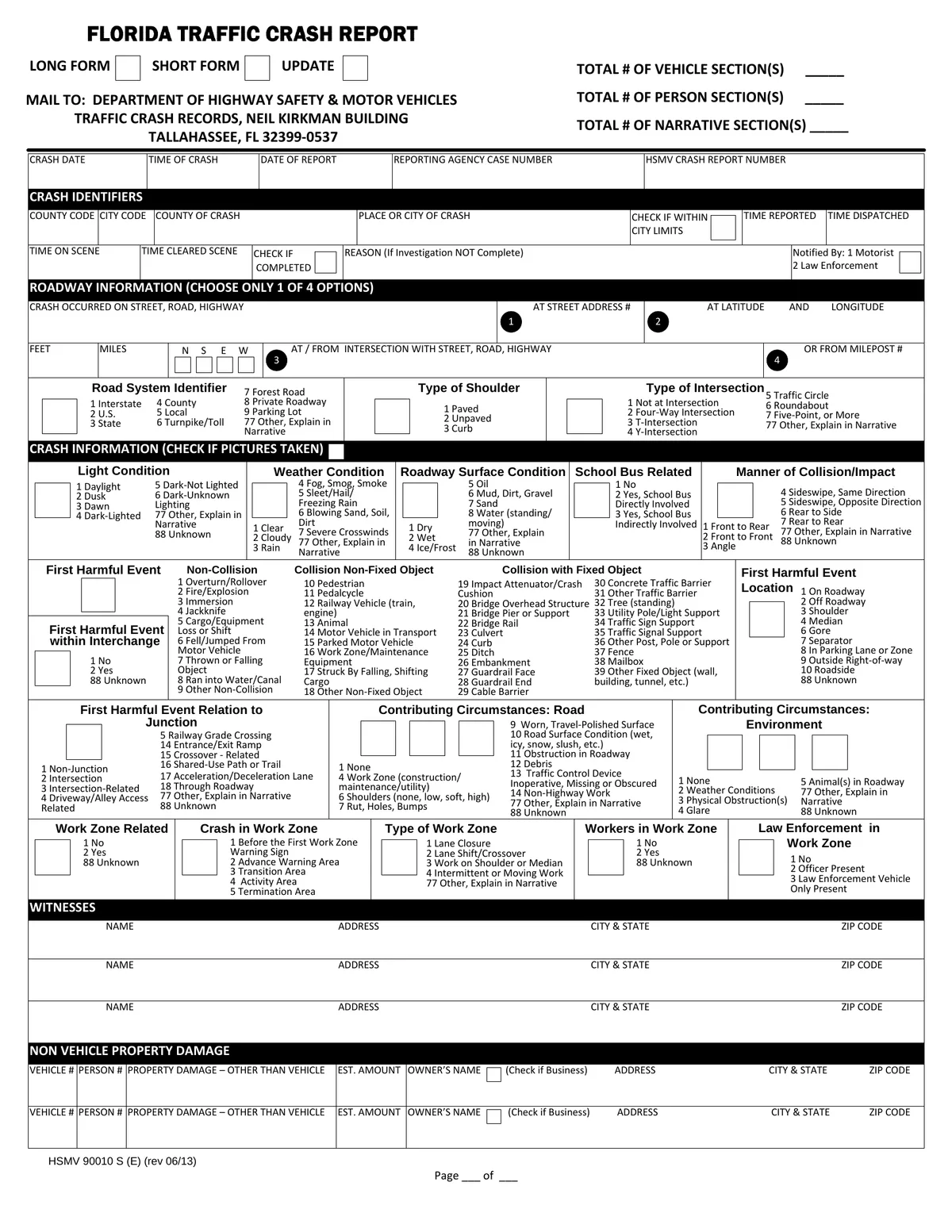
Under Florida Statutes 316.065 and 316.066, you've got two legal paths. One is getting an officer-completed crash report at the scene. The other is filing a self-report using a Driver Report of Traffic Crash (Form FR 300) within 10 days.
Miss that deadline and you risk automatic license suspension. Let's break down exactly how this works, when each option applies, and how to stay fully legal.
Quick Answer: Do You Need to Call Police After a Florida Crash Over $500?
Yes. Florida law requires you to report any crash where property damage exceeds $500. This applies even if nobody is injured and both vehicles are driveable.
You have two choices: have an officer respond and complete a crash report, or file a self-report (Form FR 300) within 10 days. Calling law enforcement is the simpler route when they're available. If they don't respond, you must self-report.
Either way, you need an official crash report number to satisfy the law and protect your license.
Core Facts: Florida Law on Reporting a Traffic Crash
No single "accident report law" covers every situation. Instead, two different statutes work together to create your legal obligation.
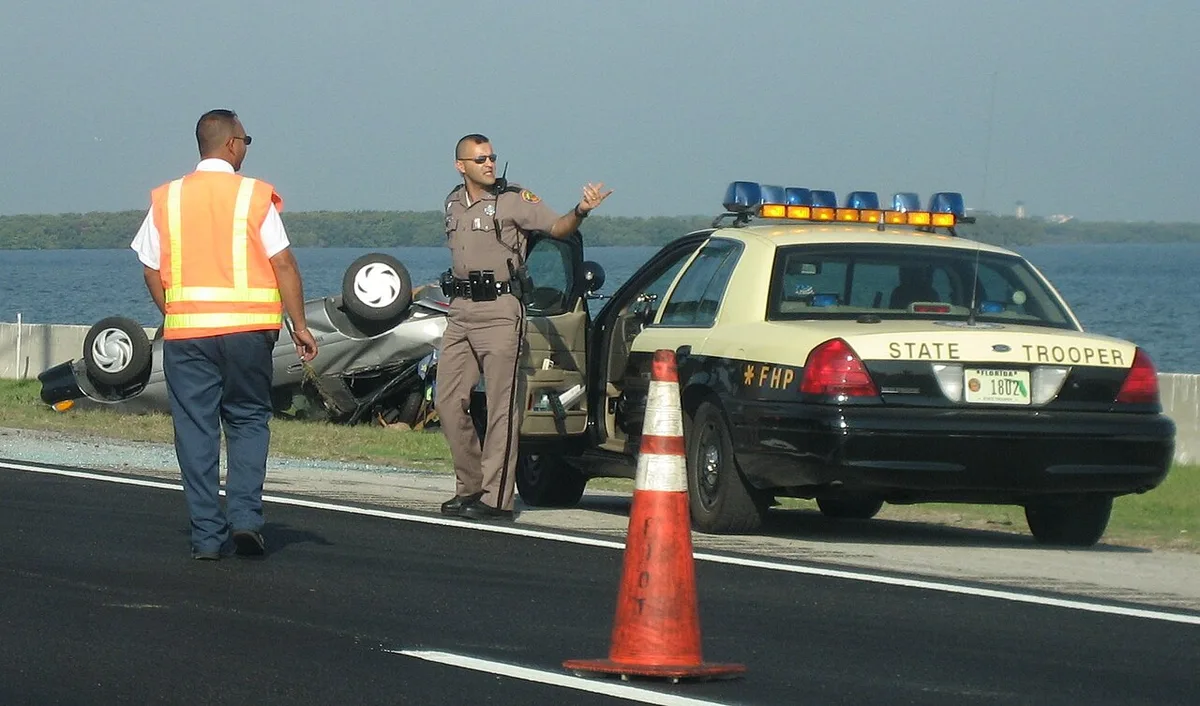
Florida Statute 316.065(1)(a), Immediate Notice: If your crash involves injury, death, a hit and run, or disabled vehicles blocking traffic, you must immediately report it to local law enforcement or the Florida Highway Patrol. For a simple property-damage-only crash over $500, you aren't legally required to call 911 unless traffic is blocked. But technically you must still make the crash known so an officer can investigate if they choose to respond.
Florida Statute 316.066, Written Driver Report: This is the big one. If a law enforcement officer does not complete a crash report at the scene (or if they respond but don't write a formal long-form report), you, as the driver, must file a written report with the Florida Department of Highway Safety and Motor Vehicles (FLHSMV) within 10 calendar days. The form is officially called the Driver Report of Traffic Crash or Form FR 300.
Key consequences if you ignore this:
- FLHSMV will flag your driver record for failure to report a crash.
- Your license gets suspended, automatically, with no warning, until you file the report and pay a reinstatement fee.
- If you fled the scene (even a minor unattended vehicle scrape), failure to report can upgrade a civil violation to a criminal charge under Florida Statute 316.061.
Quick reference table:
| Requirement | Deadline | Threshold | Form |
|---|---|---|---|
| Immediate notice to law enforcement (injury/blockage) | At scene | Injury, death, or obstruction | N/A |
| Written driver report to FLHSMV | 10 calendar days | Property damage > $500 | FR 300 |
Understanding the $500 Threshold – What Property Counts?
The $500 figure in the law refers to total property damage from the crash. Not just your vehicle damage, and not just the other car's damage. It includes any physical property that got damaged in the incident.
Examples of what counts toward the $500 threshold:
- Vehicle body damage (bumper, quarter panel, headlight, windshield)
- Paint scratches and dents if repair costs exceed $500
- Damaged mailboxes, fences, utility poles, guardrails, or landscaping
- Cargo damage in a commercial vehicle
- Road signs, traffic signal equipment, or building structures (if you hit a storefront)
The law uses the reasonable cost to repair, not your insurance deductible. So even if your repair bill is $475 and the other driver's is $200, you're well over $500 combined.
Example scenario:
You back into a neighbor's fence at 5 mph. Your bumper gets a small crack ($200 to repair). The fence panel is splintered ($350 to replace).
That's a combined $550 in property damage, over the $500 threshold. You must report this crash to law enforcement or self-file.
When in doubt, report it. The law doesn't make you an expert estimator on scene. If there's any reasonable chance the total damage exceeds $500, file a report. The penalty for guessing wrong (license suspension) far outweighs the few minutes it takes to file.

Problem & Pain Point: When Law Enforcement Says “We’re Not Responding”
This is where most drivers get tripped up. You call the police after a minor crash, and the dispatcher says, "Unless there's an injury or a blockage, we're not sending an officer." Or an officer arrives, looks at the damage, and says, "This is just property damage. Exchange info and go online to report it."
You walk away thinking you're fine. But the law still requires a written crash report. You now have 10 days to self-file.
If you do nothing, you're in violation just as if you'd driven away from the scene.
Why this happens:
- Florida's "Move It" law (Statute 316.061) requires drivers to move vehicles out of traffic after a minor crash. It doesn't remove your reporting duty.
- Law enforcement agencies prioritize injury crashes and traffic hazards. A $600 fender bender without injuries gets low priority.
- Some jurisdictions now direct all property-damage-only crashes to an online self-reporting system.
The trap:
You assume the phone call or the brief officer visit fulfills your obligation. It doesn't. You need either a complete officer-written crash report (with a report number) or a self-filed FR 300.
A verbal "you're good" or an exchanged license number means nothing to FLHSMV.
What to do instead:
If an officer doesn't produce a formal crash report at the scene, ask for a case number anyway. Then immediately document everything, photos, driver info, damage, location, and time, and plan to self-file within 10 days. Don't wait to see if your insurance company files one for you.
They may not, and the clock is ticking from the crash date, not from when you talk to your adjuster.
Comparison: Officer Crash Report vs. Driver Self-Report (FR 300)
Both options satisfy Florida's reporting requirement, but they're very different in process, speed, and cost. Here's how they stack up.
Officer-Completed Crash Report (Long Form)
- Who does it: Law enforcement officer at the scene
- Cost: Free (though getting a copy costs about $10 later)
- Time: Day of crash
- Official record: Yes, FLHSMV gets it automatically
- Insurance value: High, insurers prefer officer reports for fault determination
- Privacy: Report becomes a public record (anyone can request it)
- Best for: Crashes with clear fault, presence of injuries, or when an officer actually responds
Driver Self-Report (Form FR 300)
- Who does it: You, the driver
- Cost: Free to file
- Time: Up to 10 days from crash
- Official record: Yes, you'll get a crash number
- Insurance value: Accepted by most insurers, though they may ask for supplemental details
- Privacy: Also public record, but less detail is included
- Best for: Unattended vehicle hits, parking lot scrapes, and when police won't respond
Bottom line: If an officer completes a report, you don't need to file the FR 300. If they don't, you must self-file. There's no penalty for filing the FR 300 even if an officer later completes a report, but if you file the FR 300 after an officer report already exists, you may create confusion.
Always verify a crash report number exists before self-filing.
Where to file the FR 300:
- Online via FLHSMV's E-Crash portal (fastest option)
- By mail: print the form and send it to FLHSMV, 2900 Apalachee Pkwy, Tallahassee, FL 32399
- In person at your local DMV or FLHSMV office (call ahead to confirm)
You'll need: your driver license, vehicle registration, insurance ID card, the other driver's information, a description of the crash, and an estimate of damage.
A quick checklist before you file:
- Total property damage is over $500 (or you're unsure)
- No officer completed a crash report at the scene
- You have the other driver's name, license, plate, and insurance
- You have photos of damage and the crash location
- You're within the 10 day window
If you need to report an unattended vehicle crash where you can't find the owner, the same 10 day rule applies. Document the damage to your vehicle and property, leave a note if possible, and file the FR 300 explaining the circumstances. The same goes for a hit and run where the other driver flees, report it immediately to law enforcement (since a hit and run always requires immediate notice), then follow up with a self-report if no crash report was generated.
Ignoring it isn't an option, and trying to handle it on your own almost always backfires when FLHSMV flags your record months later.
Step-by-Step Process: How to File Your Crash Report
You have two legal paths. Pick the one that matches what happened at the scene. Both satisfy the law if you follow the rules.
Option 1 – Call Law Enforcement and Get a Long-Form Report
Call 911 or the non-emergency line for the agency that covers the crash location. This is the local police department, county sheriff, or Florida Highway Patrol. Tell the dispatcher the crash involves property damage over $500.
If an officer responds, stay at the scene until they complete the report. Get the crash report number before you leave. Ask for the agency name and case number.
The officer submits the report to FLHSMV automatically. You do not need to file an FR 300. Request a copy of the report later through FLHSMV or the agency.
The standard fee is $10.
Option 2 – Self-Report Online or by Mail Within 10 Days
Use this path if no officer came, or if they came but did not write a formal crash report. Go to the FLHSMV E-Crash portal at flhsmv.gov. Click "File a Crash Report." Create an account or log in.
Fill in every required field: your license, registration, insurance, the other party's info, date, time, location, and a clear description of what happened. Upload photos of the damage if you have them. Submit before the 10 day deadline.
You will receive a crash report number immediately. Save it. If you prefer paper, download Form FR 300 from the FLHSMV site.
Print it. Fill it out completely. Mail it to FLHSMV, 2900 Apalachee Parkway, Tallahassee, FL 32399.
Allow extra days for mail delivery. The postmark does not count, FLHSMV must receive it within 10 days.
Mistakes to Avoid That Lead to License Suspension
The most common mistake is assuming a phone call to police counts as filing the report. It does not. You need a written report with a crash number.
Another mistake is waiting for the insurance company to handle it. They may not file with FLHSMV. The 10 day clock starts on the crash date, not when you talk to your adjuster.
Drivers also forget to report crashes on private property. The law applies anywhere in Florida if damage exceeds $500. Failing to report a hit and run is a separate crime under Statute 316.061.
Even if you are the victim, you must report it. Leaving a note on an unattended vehicle is not enough. You must also file the FR 300.
Using an outdated form or skipping required fields will get your report rejected. That restarts the clock. Always use the current FR 300 from the official FLHSMV site.
Legal Compliance: What the 10-Day Deadline Really Means
The deadline is 10 calendar days from the date of the crash. Not business days. Not days after you get an estimate.
The day of the crash counts as day one. If the crash happened on a Friday, the report is due by the following Monday (day 10). Weekends and holidays do not extend the deadline.
FLHSMV tracks receipt date, not postmark date. If you mail it, send it certified with tracking at least five days before the deadline. Online filing is instant and safest.
If you miss the deadline, FLHSMV will suspend your license. You will get a notice by mail. The suspension stays until you file the report and pay a reinstatement fee.
The fee is $15 for a first offense. It goes up for repeat violations. Driving on a suspended license is a criminal misdemeanor.
Do not risk it. File on time even if you are still disputing fault or waiting on repair estimates. You can update the report later if needed.
Expert Tips for Documenting Damage and Building Your Report
Strong documentation makes the report accurate and protects you if the other driver changes their story. Take photos from every angle. Get wide shots showing the vehicles in place.
Get close ups of each scratch, dent, and broken part. Photograph the other vehicle's license plate and VIN tag. Capture the scene, street signs, intersection, skid marks, debris.
Write down the exact time and location. Note the weather and lighting. Record the other driver's full name, license number, plate, and insurance policy number.
Take a photo of their insurance card and license if they allow it. Get witness names and phone numbers. If the other driver refuses to share info, note that in your report.
Do not admit fault. Stick to facts. "I was stopped at a red light.
The other vehicle hit my rear bumper." That is a fact. "The other driver was speeding" is an opinion. Let the report reflect what you saw.

Real Scenarios: Hit-and-Run, Unattended Vehicle, and Private Property Crashes
These three situations confuse drivers the most. Here is how the law applies to each.
Hit and run with property damage only: The other driver flees. You must immediately call law enforcement. This triggers the immediate notice requirement under Statute 316.061.
If an officer responds and writes a report, you are done. If no officer responds, you must still file the FR 300 within 10 days. Describe the fleeing vehicle as best you can.
Include color, make, model, partial plate, and direction of travel. Your uninsured motorist property damage coverage may apply if you have it.
Unattended vehicle (you hit a parked car): Stop. Try to find the owner. If you cannot, leave a note with your name, address, and phone number in a visible spot.
Then you must report the crash to the nearest law enforcement agency. You can call the non emergency line. After that, file the FR 300 within 10 days if no officer wrote a report.
Photograph the damage to both vehicles and the note you left. This protects you from a hit and run charge.
Private property (parking lot, driveway, gated community): The reporting law still applies if damage exceeds $500. Law enforcement may not respond to private property crashes. That does not remove your duty.
Call the agency anyway to create a record. Then self file the FR 300. Your insurance company will want the crash report number.
Without it, they may delay or deny the claim. The property owner may also request a copy for their records.
Costs & Data: Crash Report Fees, Timelines, and Deadlines
| Item | Cost | Timeline |
|---|---|---|
| FR 300 self‑filing | Free | Within 10 calendar days |
| Official crash report copy | $10 | Available 7‑10 days after crash |
| License reinstatement (1st offense) | $15 | After suspension takes effect |
| License reinstatement (repeat) | $75+ | After suspension takes effect |
The 10 day clock is absolute. Weekends and holidays do not pause it. FLHSMV receives online filings instantly.
Mailed forms must arrive by day 10. A postmark does not count. Suspension notices go out by mail and take effect 20 days after the notice date.
You can check your status at flhsmv.gov using your driver license number.
FAQs on Florida's Crash Reporting Laws
Do I need to report a crash if the other driver pays cash for repairs?
Yes. The $500 threshold is based on actual damage cost, not who pays. If total damage exceeds $500, you must report regardless of private settlement.
What if the damage looks minor but the shop estimate comes back over $500?
File the FR 300 immediately. You can amend it later with the final estimate. Filing on time protects your license.
Can I file the report from out of state?
Yes. The E‑Crash portal works from anywhere with internet access. You need your Florida license number and the crash details.
Does a parking lot fender bender count?
Yes. Any location in Florida qualifies if property damage exceeds $500. Police often decline to respond, but your filing duty remains.
Will my insurance rates go up if I self‑file?
The report itself does not trigger a rate change. Your insurer reviews fault and claims history. An accurate report helps them assess correctly.
What happens if I lose the crash report number?
Log back into the E‑Crash portal or call FLHSMV at 850‑617‑2000. They can look it up with your license number.
Final Checklist: Your Action Steps for Full Compliance
- Stop and check for injuries. Call 911 if anyone is hurt.
- Move vehicles out of traffic if safe. Florida's Move It law requires it.
- Exchange names, licenses, plates, and insurance with the other driver.
- Photograph all damage, the scene, and the other vehicle's VIN and plate.
- Call the local police, sheriff, or FHP. Request a crash report.
- If an officer writes a report, get the number and agency name. You are done.
- If no officer writes a report, file Form FR 300 online at flhsmv.gov within 10 calendar days.
- Save your crash report number. Give it to your insurance company.
- Order the official $10 copy for your records if needed.
- Mark your calendar, no late filing, no excuses.
- Stop and check for injuries. Call 911 if anyone is hurt.
- Move vehicles out of traffic if safe. Florida's Move It law requires it.
- Exchange names, licenses, plates, and insurance with the other driver.
- Photograph all damage, the scene, and the other vehicle's VIN and plate.
- Call the local police, sheriff, or FHP. Request a crash report.
- If an officer writes a report, get the number and agency name. You are done.
- If no officer writes a report, file Form FR 300 online at flhsmv.gov within 10 calendar days.
- Save your crash report number. Give it to your insurance company.
- Order the official $10 copy for your records if needed.
- Mark your calendar, no late filing, no excuses.