ByMax Lee
Florida 10-Day Address Change Requirement for Driver Records
Moving is a whirlwind. Between packing boxes and redirecting mail, the Florida 10 day address change notification requirement for driver records is easy to overlook. That slip can cost you far more than a stamp.
Florida Statute 322.19 gives you exactly 10 calendar days after establishing a new permanent residence to notify the Department of Highway Safety and Motor Vehicles. There is no grace period. Updating your driver license alone is not enough.
Here is what you need to stay legal and avoid the fines.
Quick Answer
Notify FLHSMV within 10 days of your move. Update your license and registration separately. Online or in person both work.
The duplicate license costs about $25. Missing the deadline can lead to fines.
Why This 10-Day Rule Actually Matters
Your address on file is how the state reaches you. Registration renewals, toll notices, and insurance reminders all go to that address. If it is wrong, you miss them.
The most common problem we see: someone updates their license online and thinks they are done. Their registration renewal goes to the old address. They never see it.
An expired tag follows. Driving with an expired tag is a separate ticket with its own fine.
Missed toll invoices compound fast. Three unpaid violations can trigger a license suspension. The 10 day window exists to keep your record current so the state can find you when it needs to.
Image source: Bing (Web (fair-use with source credit))
What the Law Says – Florida Statute 322.19
Florida Statute 322.19 states that when you move to a new permanent residence after receiving a driver license, you must notify the department of the change within 10 days. The language is clear. It does not say "within a reasonable time." It says 10 days.
The law applies to two groups: new residents moving into Florida and current Florida residents moving within the state. If you already hold a Florida license and move across the county line, the same rule applies.
A non-moving violation is the penalty for failing to notify. That adds a fine of $30 to $100 plus court costs on top of whatever other ticket you may receive. It is an avoidable expense.
Image source: Bing (Web (fair-use with source credit))
When the Clock Starts: Defining New Permanent Residence
The law defines permanent residence as the place where you live with the intent to remain. A three month vacation rental does not count. A 12 month lease does.
If you buy a house, day one is closing day. If you rent an apartment, day one is move in day. The clock starts when you physically settle into your new home.
For snowbirds, the trigger is when Florida becomes your primary residence. That is typically when you spend more than half the year here. For college students moving into off campus housing, your address must reflect where you actually live during the school year.
The Real Risk: Fines, Suspensions, and Missed Renewals
The direct fine for failing to notify is a non-moving violation. But the hidden costs are often worse.
| Risk | Real Consequence |
|---|---|
| Non-moving violation | $30 to $100 plus court costs |
| Missed registration renewal | Expired tag fine, possible impound |
| Unpaid toll notices | License and registration suspension after 3 violations |
| Wrong address on insurance | Claim denial in an accident |
A speeding ticket can become two tickets if your address is wrong. The registration renewal you never see keeps you driving on an expired tag. Toll invoices pile up at the old house until the state suspends your license.
The cheapest fix is to update your address on day one.
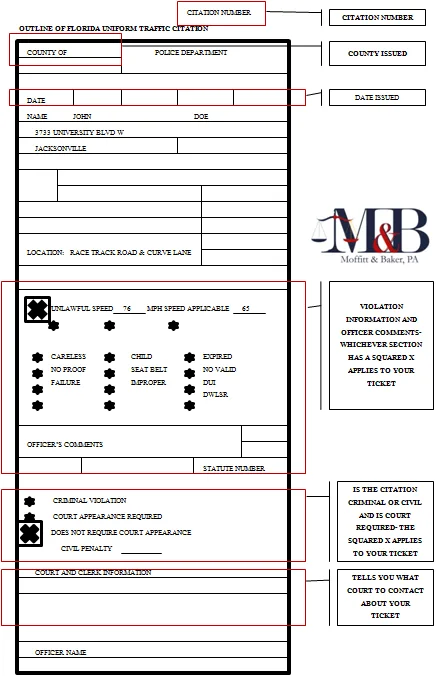
Image source: Bing (Web (fair-use with source credit))
Step by Step: How to Update Your Driver License Address
Here is the process that keeps you fully compliant.
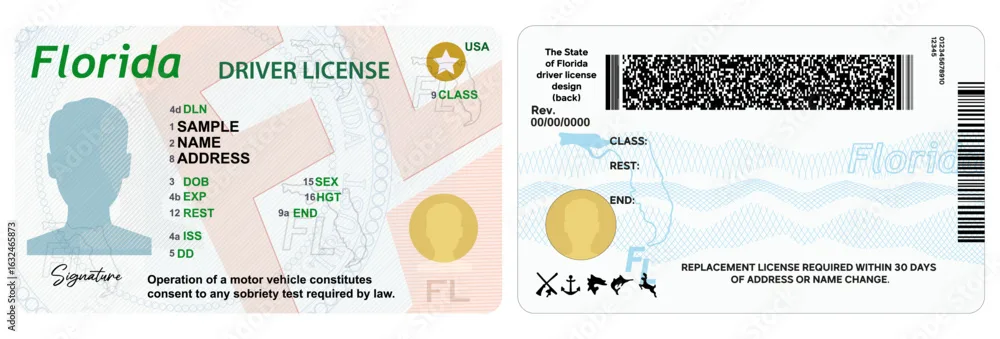
Step 1: Choose your method. Online works for in-state moves through the FLHSMV GoRenew portal. In person at your county tax collector office is best if you also need to update your registration. Mail is slow and not recommended.
Step 2: Gather your documents. You need two proofs of your new physical address. A utility bill, lease, mortgage statement, or bank statement dated within the last 30 days works. No P.O. boxes accepted.
Step 3: Pay the fee. A duplicate license with your new address costs about $25. Some county offices add a small service charge.
Step 4: Confirm the update. Save your confirmation number. Log into the FLHSMV portal later to verify the new address appears on your record.
Step 5: Update your registration. This is a separate transaction and does not happen automatically. Visit your county tax collector or use their portal.
The Hidden Trap: Your Vehicle Registration Is Not Automatically Updated
This is the mistake that catches most people. Florida keeps two separate records. Your driver license record and your vehicle registration record are independent databases.
Updating one does not update the other.
If you only update your license, the state mails your registration renewal to the old address. You never see it. Your tag expires without you knowing.
The fix is straightforward. Go to your county tax collector office with your current registration, proof of your new address, and a form of ID. Ask for an address change on your vehicle registration.
That is a separate step you must complete.
If you moved to a different county, your registration must be re-issued. The discretionary sales surtax changes by county. The state needs the correct rate on your record.
For a look at how a similar rule works in another state, the process for California's 10 day address change follows a comparable structure.
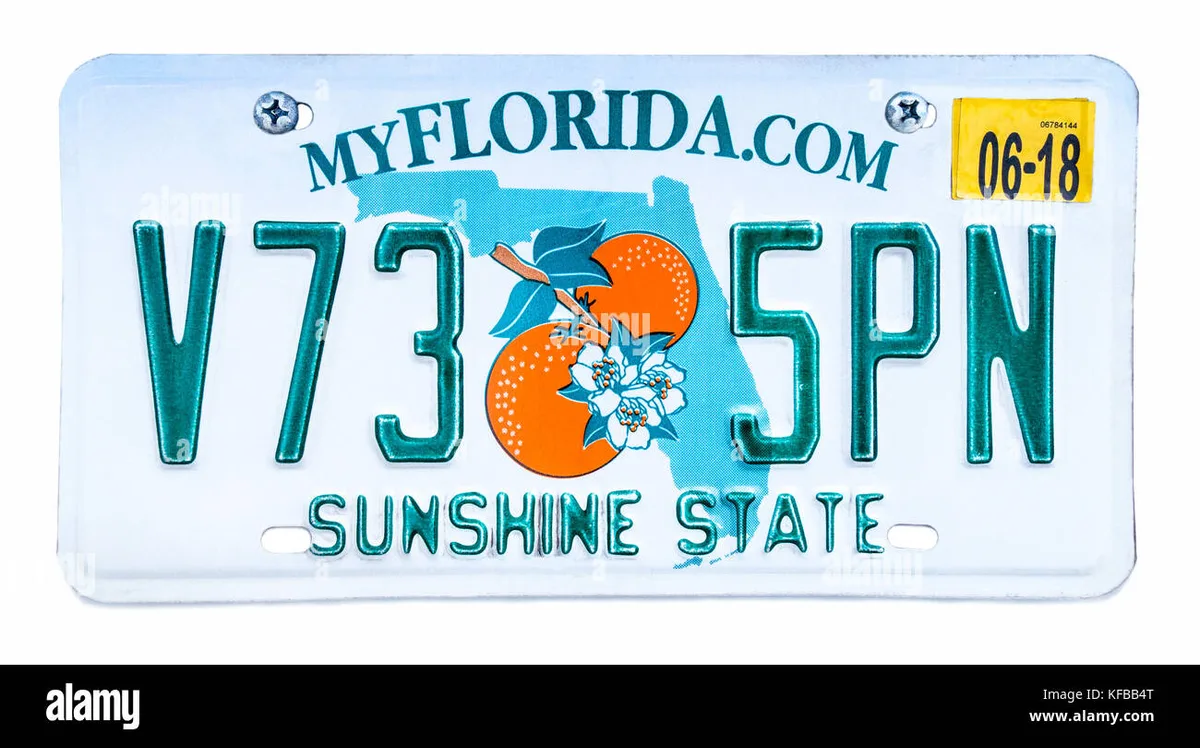
Image source: Bing (Web (fair-use with source credit))
Don't Forget Your Insurance Policy
Your auto insurance rate is based on your garaging address. That is where you park the car most of the time. When you move, your risk profile changes.
If you file a claim with an old address on your policy, the insurer can argue you misrepresented the risk. That can lead to a claim denial. It is one of the most overlooked pitfalls of a late address update.
Call your agent or update your policy online the same day you move. Your premium may change. A safer neighborhood could lower it.
A denser urban area could raise it. Either way, you want accurate coverage.
Online vs In Person vs Mail: Which Option Should You Pick?
| Method | Best For | Speed | Cost | Risk |
|---|---|---|---|---|
| Online | In state moves, license only | Instant | $25 | Does not update registration |
| In Person | County moves, new residents, both updates | Same day | $25 | None, immediate confirmation |
| No computer access, no rush | 2 to 4 weeks | $25 | Processing delay may exceed 10 day window |
Online is the fastest for updating your license. It does not touch your registration. In person is the most thorough.
You can handle both records in one visit and leave with printed confirmation. Mail is the riskiest because of processing delays. If you are near day 10, avoid it.
Real ID holders face the same process. You must present documents proving your new address. Real ID documentation requirements follow a standard pattern across states.
Costs at a Glance: Fees, Fines, and What a Missed Deadline Really Costs
| Item | Cost |
|---|---|
| Duplicate driver license | About $25 |
| Registration address change (same county) | $5 to $10 |
| Registration re-issue (new county) | Varies by remaining term and surtax |
| Non-moving violation | $30 to $100 plus court costs |
| Expired registration fine | Up to $500 |
| Toll suspension reinstatement | $200 or more |
The direct fee for updating your address is minimal. The fines for missing the deadline are not. An expired tag from a missed renewal notice can cost hundreds.
A suspended license from unpaid tolls costs even more to reinstate.
Who Needs to Pay Closest Attention
New Florida residents. You have 30 days to get a Florida license from out of state. That is a separate law. But the 10 day address rule still applies to your registration once you are here.
Register your car within 10 days of establishing residence.
County to county movers. Moving to a new Florida county means your registration must be re-issued. The local sales surtax changes. The state does not adjust it automatically.
You must notify them.
Snowbirds. If Florida is your primary residence, your license and registration must show a Florida address. Moving to a new Florida home, even if you split time elsewhere, triggers the 10 day rule. A temporary rental does not.
A permanent move does.
College students. Moving into off campus housing requires an address update. Your license should show where you live while attending school. If you remain a dependent with your parents home as your permanent address, you can keep that.
Check with an advisor if you are unsure.
Common Questions About Florida's 10-Day Address Change
What if I already missed the deadline?
Fix it today. The worst consequence is not the fine. It is the risk that every day with the wrong address sends your renewal notices and toll bills to the old house.
Update your records now to stop that risk.
Can I use a P.O. Box as my address?
No. Florida requires a physical residential address for your driver license and registration. A P.O.
Box can be used for mailing purposes, but your record must show where you actually live.
Does updating my license online fix my registration automatically?
No. That is the most common trap. The online portal only updates your driver license record.
You must update your vehicle registration separately at your county tax collector office.
What documents do I need to bring for an in person update?
Two proofs of your new physical address. Acceptable documents include a utility bill, lease agreement, mortgage statement, or bank statement. They must show your name and the new address.
Bring your current license and registration too.
Will I lose my Real ID status if I change my address?
No. You keep your Real ID status. You just need to provide documents proving your new address during the update process.
The same Real ID documentation standards apply.
Your Post-Move Checklist
Do these three things within 10 days of your move. Update your driver license address. Update your vehicle registration address at the county tax collector.
Call your insurance agent to change your garaging address.
Do not skip the registration step. It is the most common mistake. Once all three are complete, you are fully compliant with Florida law.