ByMax Lee
Guide to Arizona Motorcycle Lane Filtering Law 2026
If you've ever been stuck on a hot Phoenix freeway watching your engine temperature climb while you bake in your gear, you know why the Arizona motorcycle lane filtering law matters. Passed in 2019, this law gives riders a legal way to move past stopped or slow traffic. But only under very specific conditions.
The catch is that many riders get the details wrong. A wrong move can cost you points on your license. Our research shows that the most common misunderstanding is about speed.
The law caps your filtering speed at 35 mph. Traffic ahead must be stopped or nearly stopped. Let's walk through what the law actually says so you can ride with confidence and stay legal.
Quick Answer
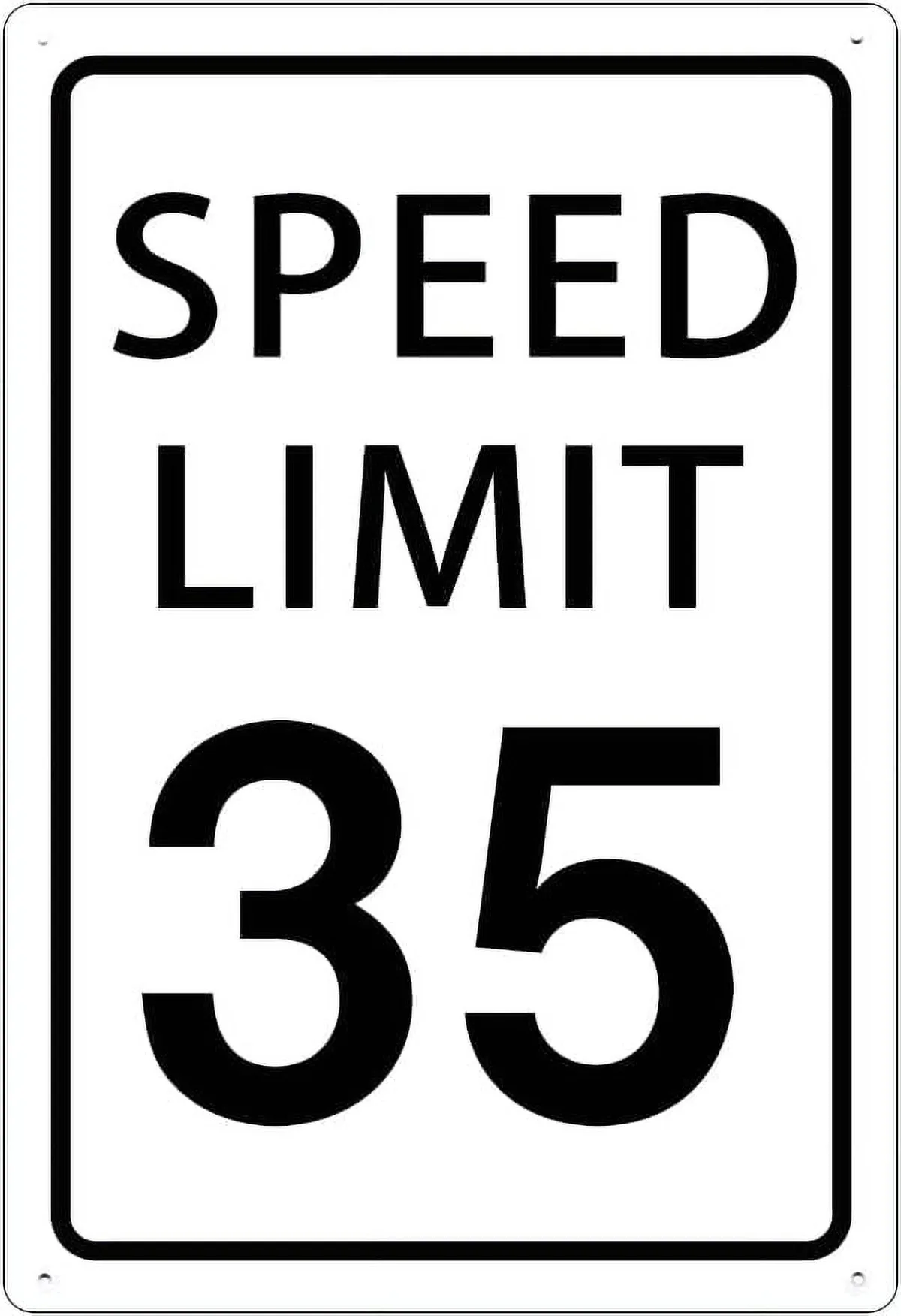
Arizona's lane filtering law lets motorcyclists pass between stopped or slowing cars on roads with a speed limit of 35 mph or less. You must have at least two lanes in your direction. Your speed cannot exceed 35 mph.
Filtering on shoulders or bike lanes is illegal. Know the conditions before you filter.
Why This Law Gets Misunderstood (And Why Getting It Right Matters)
Bing (Web (fair-use with source credit))
The confusion starts with the word "splitting." Lane splitting means riding between moving lanes of traffic at highway speeds. That is illegal in Arizona. Filtering is a specific legal subset of that behavior.
The public conversation does not always make that distinction clear.
Here is what trips riders up. The law does not say "you can filter anywhere." It says you can filter only when the road's posted speed limit is 35 mph or less. That rules out most highways.
Even if traffic is crawling on I-10 at rush hour, if the posted limit is 65 mph, you cannot legally filter.
Why does getting this right matter? Two reasons. First, a ticket for improper filtering carries moving violation points on your Arizona license.
Accumulate enough points and you risk a suspension. Second, filtering outside legal conditions puts you in danger. Cars do not expect a motorcycle to appear between lanes at higher speeds.
Blind spots, sudden lane changes, and doors opening are real hazards.
A common source of confusion comes from hearing about California's laws. California allows lane splitting without the same speed limit restriction. Arizona is not California.
If you are moving here from another state, look up ARS § 28-905 before you ride. The law is straightforward once you read it.
We recommend checking your specific city's traffic patterns. Phoenix, Tucson, and Mesa all have roads where filtering is legal. But each city has stretches where the speed limit changes block by block.
Knowing your route matters more than knowing the general rule. For broader Arizona vehicle ownership advice, browse our Blog covering maintenance, safety, and local driving laws.
What Arizona Law Actually Says About Lane Filtering
Bing (Web (fair-use with source credit))
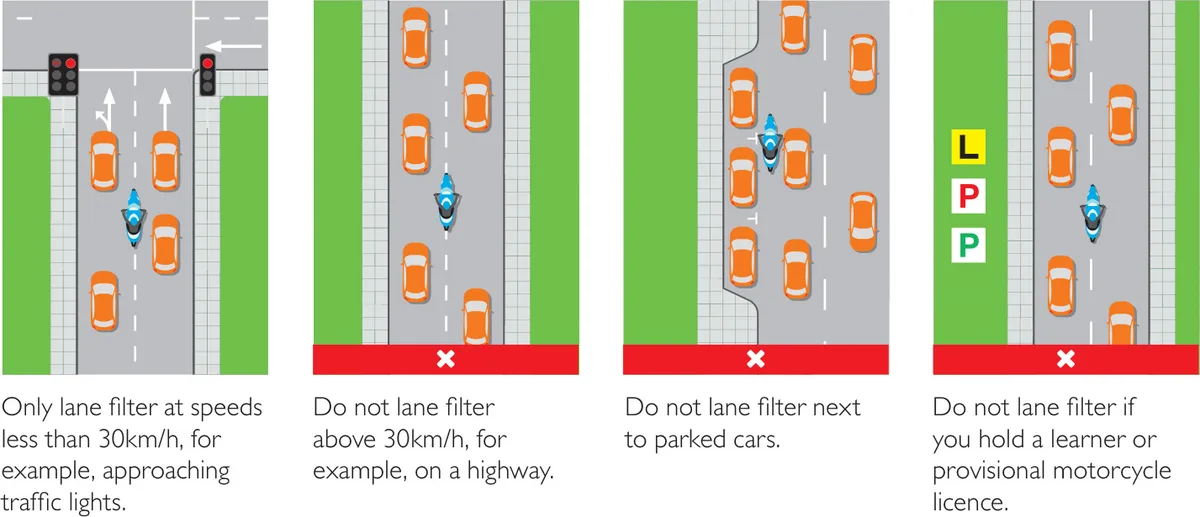
The relevant statute is Arizona Revised Statutes § 28-905. A person operating a motorcycle may overtake and pass another vehicle in the same lane only when:
- The traffic is stopped or slowing
- There are at least two lanes in the same direction
- The posted speed limit is 35 mph or less
- The motorcycle does not exceed 35 mph
The law uses the word "may." It is permissive, not required. Nobody can force you to filter. You choose to do it, and you bear the responsibility if something goes wrong.
Here is a clean breakdown of the legal requirements:
| Condition | Requirement |
|---|---|
| Traffic speed | Stopped or slowing |
| Minimum lanes | Two or more in your direction |
| Posted speed limit | 35 mph or less |
| Your speed while filtering | 35 mph maximum |
| Filtering position | Between the leftmost lane and the adjacent lane |
| Shoulders or bike lanes | Forbidden |
| Passing on the right | Forbidden |
Notice what the table does not say. It does not say you can filter between every lane pair. It does not say you can filter on roads where the speed limit is 45 mph just because traffic is stopped.
The posted limit is the controlling factor.
As of 2026, there have been no significant amendments to this law since its 2019 passage. It remains one of the more restrictive filtering laws in the country. The intent was to give riders relief in urban congestion without creating new risks at higher speeds.
If you want to read the statute directly, visit the Arizona State Legislature's official site. Pulling it up and reading it yourself takes ten minutes. We strongly recommend doing that at least once.
The Key Difference Between Filtering and Splitting (It's Not Just Semantics)
People use these two terms like they are the same thing. They are not. In Arizona, the difference is the difference between legal and illegal.
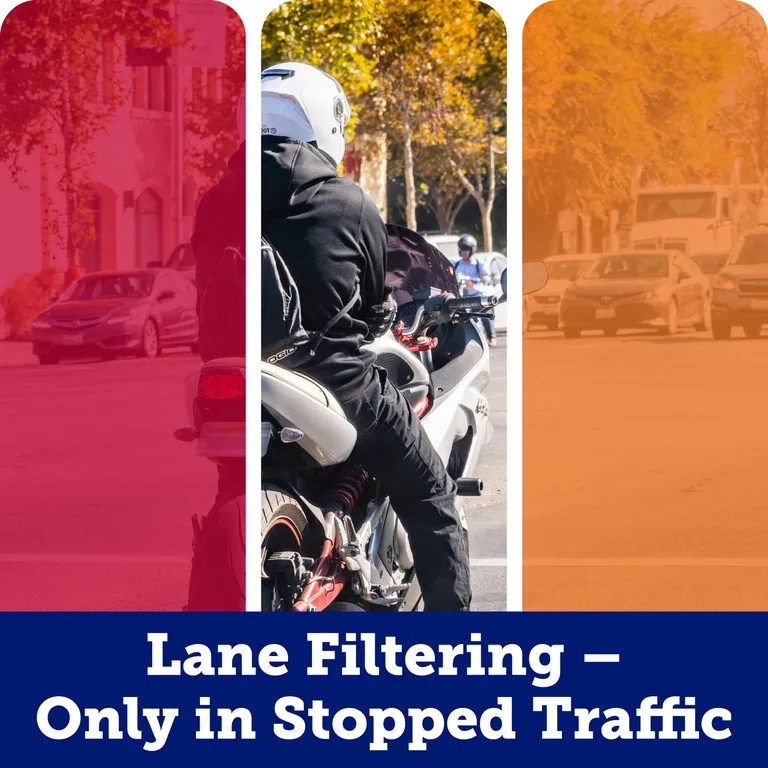
Lane filtering means moving between stopped cars at low speed. It is what you do at a red light or in a traffic jam where cars are barely moving. Your speed is low.
The risk is low. The law allows it.
Lane splitting usually refers to moving between moving cars at higher speeds. A rider zipping between lanes on a freeway at 50 mph while cars do 40 is splitting. That is not legal in Arizona.
The legal line is clear. If the posted speed limit is over 35 mph, you cannot be between lanes even if traffic is stopped. If you roll past a line of stopped cars on a 45 mph road, you are technically lane splitting.
An officer can cite you for it.
| Concept | Legal in Arizona? | Typical speed | Typical road |
|---|---|---|---|
| Lane filtering | Yes, with conditions | Under 35 mph | Surface streets |
| Lane splitting | No | 35+ mph | Highways |
| Shoulder riding | No | Any speed | Any road |
| Passing on the right | No | Any speed | Any road |
Some riders argue they were "just filtering" when pulled over on a highway. That argument does not work. The law looks at the posted speed limit first.
If the sign says 55, the answer is no.
This distinction matters because Arizona's filtering law was designed for urban congestion. Think downtown Phoenix during rush hour. Think Scottsdale Road or Broadway Boulevard in Tempe.
These roads have speed limits of 35 mph or less. Filtering makes sense there. On the 101 or the 60, the speed limit is higher.
Filtering is not allowed there.
Where You Can (and Can't) Legally Filter in Arizona
Bing (Web (fair-use with source credit))
Knowing the general rule is one thing. Knowing where it applies is another. Let us get specific.
Roads where filtering is typically legal:
- Surface streets with speed limits of 35 mph or less
- Downtown Phoenix roads in lower-speed sections
- Scottsdale Road where the limit drops to 35 mph
- Broadway Road and Southern Avenue in Tempe and Mesa
- University Drive in Tempe
- School zones during active hours (15-25 mph)
- Construction zones with reduced speed limits of 35 mph or less
Roads where filtering is typically illegal:
- All Arizona highways with posted limits of 40 mph or higher
- I-10, I-17, US 60, Loop 101, Loop 202, SR 51, SR 143
- Frontage roads next to highways if their posted limit is above 35 mph
- Residential streets with only one lane in your direction
- Any road with a "No Passing By Motorcycles" sign
Here is the thing many riders miss. A road's speed limit can change within a few blocks. Mill Avenue in Tempe has sections at 35 mph and sections at 40 mph.
You could legally filter on one block and break the law on the next. Pay attention to speed limit signs.
If you commute daily on the same route, take ten minutes to map where the speed limit drops to 35 mph or below. That is where filtering is an option. Everywhere else on your route, plan on sitting in traffic.
One more point. The law says filtering is allowed when traffic is "stopped or slowing." That does not mean "anytime you want to save time." If traffic is flowing at 30 mph on a 35 mph road, you cannot weave between lanes. The traffic needs to be slowed or stopped.
Use your judgment.
How to Filter Safely and Legally: A Step-by-Step Guide
Bing (Web (fair-use with source credit))
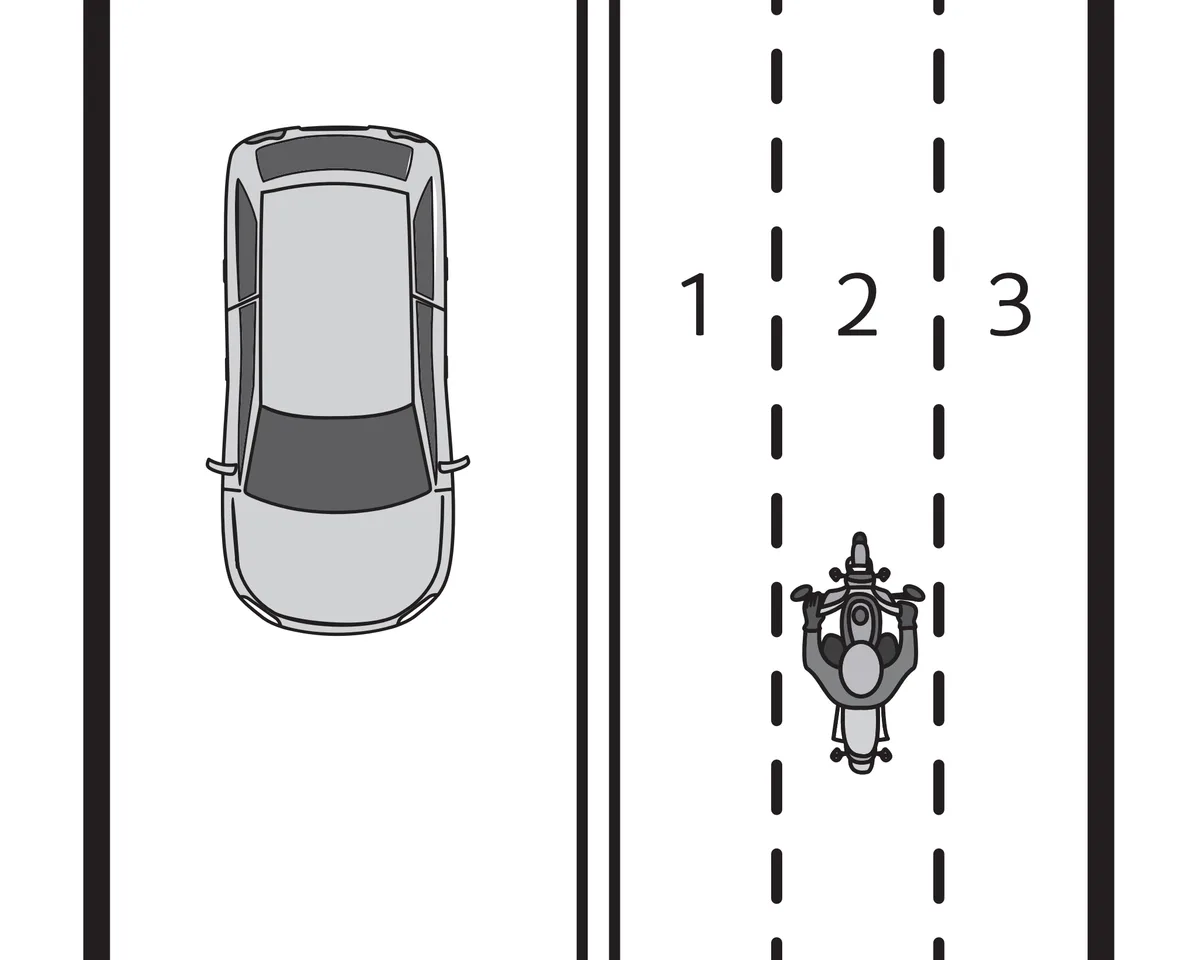
Filtering is a skill. Doing it safely takes practice and awareness. Here is a step-by-step process based on best practices from rider training.
Step 1: Check the posted speed limit. Look at the speed limit sign. If it is 35 mph or less, you are in a legal zone. If it is 40 mph or higher, do not filter.
Step 2: Confirm at least two lanes in your direction. You need two or more lanes heading the same way. Single-lane roads are out.
Step 3: Evaluate the traffic ahead. Is traffic stopped or slowing? If cars are moving at a normal pace, stay put. Filtering is a low-speed maneuver.
Step 4: Position yourself correctly. Move to the left side of your lane. The law allows filtering between the leftmost lane and the lane to its right. Do not filter between the middle and right lanes.
Step 5: Check your mirrors and blind spots. Look over your shoulder. Check both mirrors. Expect a car to change lanes without signaling.
Step 6: Proceed at a safe, controlled speed. Do not exceed 35 mph. Do not go so slow that you are unstable. A good rule is 10 to 15 mph faster than stopped traffic, up to 35 mph maximum.
Step 7: Watch for gaps and hazards. Look for drivers who might open a door or merge into your space. Watch for debris in the gap between lanes. Oil and gravel collect there.
Step 8: Return to a normal lane position before traffic resumes. Do not stay between lanes as traffic starts moving. Merge back into a lane at a safe gap. Signal your move.
Here are pro tips from experienced Arizona riders:
- Never filter on a road you do not know. Familiar routes give you confidence about speed limit changes.
- Make eye contact with drivers when possible. A driver who sees you is less likely to merge into your path.
- Cover your brakes. Keep two fingers on the front brake lever.
- Avoid filtering next to large vehicles. Buses and trucks have bigger blind spots.
- Do not filter if you are tired or distracted. This maneuver demands full attention.
The Motorcycle Safety Foundation offers training courses that include filtering techniques. If you are new to Arizona or new to filtering, taking one of those courses is a smart investment. Remember that filtering is optional.
If conditions do not feel right, stay in your lane. Arriving a minute later is better than not arriving at all.
5 Common Mistakes That Get Riders Ticketed
Even experienced riders make errors. Here are the most common reasons Arizona motorcyclists get cited.
Mistake 1: Filtering on a road with a 40+ mph speed limit. Riders see stopped traffic on a 45 mph road and assume filtering is fine. It is not. The law looks at the posted limit, not the traffic speed.
Mistake 2: Filtering between the wrong lanes. The law only allows filtering between the leftmost lane and the lane to its right. Sliding between the middle and right lanes is outside the legal position.
Mistake 3: Exceeding 35 mph while filtering. Even on a legal road, your speed matters. If an officer clocks you at 38 mph between lanes, that is a violation.
Mistake 4: Filtering on the shoulder or in a bike lane. This is not filtering. This is illegal riding. Shoulders and bike lanes are not travel lanes for motorcycles.
Mistake 5: Filtering when traffic resumes normal speed. If cars start moving at 30 mph and you stay between lanes, you have switched from filtering to lane splitting. Merge back before traffic picks up.
What Happens If You Break the Law — Penalties and Points
Arizona treats improper filtering as a moving violation. Here is what you face.
| Violation | Points | Typical fine range |
|---|---|---|
| Improper lane use or passing | 2 points | $150 to $250 |
| Speeding while filtering (over 35 mph) | 3 points | $200 to $400 |
| Reckless driving (if unsafe filtering) | 4 to 8 points | $500 to $1,000+ |
Two points might not sound bad. But accumulate 8 points in 12 months and the Arizona Motor Vehicle Division can suspend your license. Accumulate 12 points and you face a mandatory suspension hearing.
Beyond fines, a moving violation can raise your insurance rates. Our research shows that a single two-point violation can increase annual premiums by 10 to 20 percent depending on your provider. Over a few years, that one filtering ticket could cost you hundreds more.
If you cause an accident while filtering illegally, you face civil liability. Arizona follows a comparative fault system. If you are found more than 50 percent at fault, you cannot recover damages for your injuries.
The other driver's insurance company will use the illegal filtering as evidence of negligence.
How Arizona Compares to Other States (Quick Context)
Arizona's law sits in the middle of the national landscape. A few states allow filtering. Most do not.
| State | Filtering allowed? | Key restriction |
|---|---|---|
| Arizona | Yes | 35 mph limit, posted speed limit 35 mph or less |
| California | Yes | No speed limit restriction, must be safe |
| Utah | Yes | 45 mph limit, only on roads with 45+ mph limit |
| Montana | Yes | Only when traffic is stopped, under 20 mph |
| Texas | No | Not explicitly legal |
| Nevada | No | Not explicitly legal |
Do not assume another state's law applies in Arizona. If you ride across state lines, check the local law before you filter. A legal maneuver in California can get you ticketed in Nevada.
Real-World Scenarios: When Filtering Works and When It Doesn't
Scenario 1: Downtown Phoenix at 5:00 PM on Washington Street. Traffic is stopped at a light. The posted speed limit is 35 mph. Two lanes in each direction.
This is the textbook legal filtering situation. Move to the left side of your lane, check mirrors, proceed slowly between the left and center lanes. No ticket risk.
Scenario 2: I-10 near the Stack interchange at rush hour. Traffic is crawling at 5 mph. The posted speed limit is 65 mph. You cannot filter here.
Even though traffic is stopped, the road's speed limit is too high. Sitting in traffic is your only legal option.
Scenario 3: Broadway Road in Tempe, 35 mph zone. Traffic is flowing at 30 mph. Not stopped. Not slowing significantly.
Do not filter. The law requires traffic to be stopped or slowing. Wait until traffic actually slows or stops.
Scenario 4: A construction zone on a 35 mph road. The posted limit is reduced to 25 mph due to construction. Traffic is stopped. Two lanes.
Filtering is legal here, but use extra caution. Construction zones have uneven surfaces, debris, and workers who may step into the gap.
Official Resources and Where to Verify the Law Yourself
Never rely solely on forum advice. Go straight to the source.
Start with the Arizona State Legislature's website at azleg.gov. Search for ARS § 28-905. Read the exact language.
It is short and clear.
For enforcement questions, contact the Arizona Department of Public Safety or your local police department. Officers can explain how they interpret the law in your city.
The Motorcycle Safety Foundation offers rider courses that cover filtering techniques. Their curriculum is based on research and real-world data. Taking an MSF course in Arizona gives you hands-on practice with safe filtering.
If you have questions about your specific situation, consult a traffic attorney who practices in Arizona. A quick consultation can save you from a costly mistake.
Frequently Asked Questions
Is lane splitting legal in Arizona?
No. Lane splitting between moving lanes of traffic at highway speeds is illegal. Arizona only allows low-speed lane filtering under the specific conditions in ARS § 28-905.
Can I filter on the shoulder of the road?
No. Filtering on the shoulder, in a bike lane, or on any unpaved surface is illegal. The law only allows filtering between the leftmost lane and the adjacent lane.
What happens if I get a ticket for illegal filtering?
You will receive a moving violation with two or more points on your license. Fines typically range from $150 to $400 depending on the violation. Your insurance rates may also increase.
Does Arizona law require me to filter?
No. The law permits filtering. It does not require it.
You are always allowed to stay in your lane and wait in traffic. Filtering is optional.
Can I filter past police vehicles?
Legally yes, if the conditions allow. But use extreme caution. Some officers may not expect a motorcycle filtering past them.
Make eye contact if possible and proceed slowly.
Does filtering affect my insurance rates?
Illegal filtering does not directly affect your rates. But a ticket for improper filtering is a moving violation. Moving violations can raise your premiums.
Legal filtering itself does not increase your insurance risk.
Final Takeaway: Ride Smart, Stay Legal
Arizona's lane filtering law gives you a legitimate tool for beating urban congestion. But it comes with strict limits. Know the posted speed limit.
Check for two lanes. Keep your speed under 35 mph. Stay between the correct lanes.
Never filter on roads with speed limits above 35 mph. Never use shoulders or bike lanes. Never assume that stopped traffic makes filtering legal on any road.
The posted limit controls everything.
When in doubt, stay in your lane. A few extra minutes in traffic are better than a ticket or a crash. Read the statute yourself.
Take a rider training course. And ride every day like the road is watching you.
If you found this guide helpful, our Blog has more resources on safe driving, vehicle care, and Arizona-specific traffic laws.