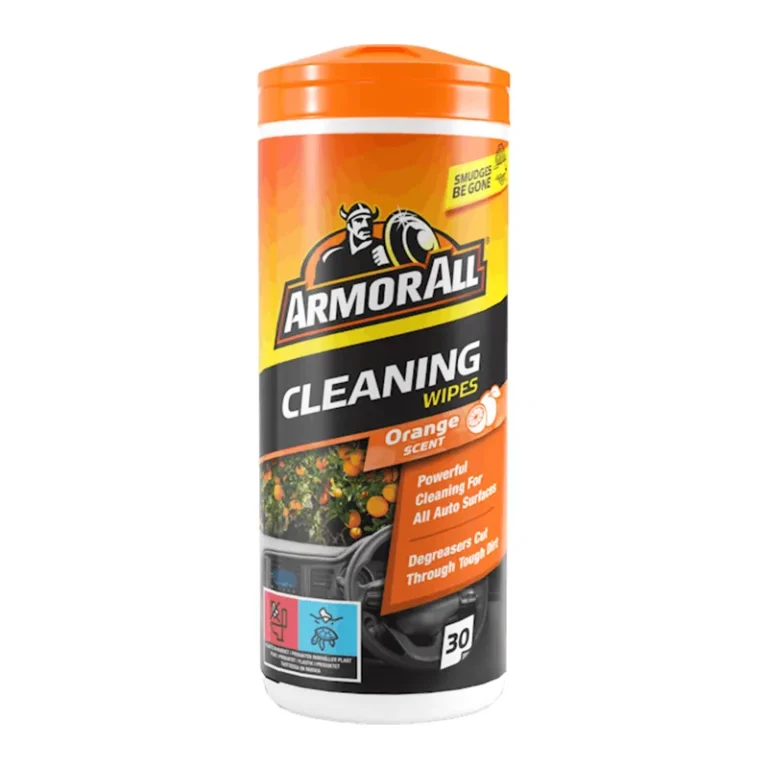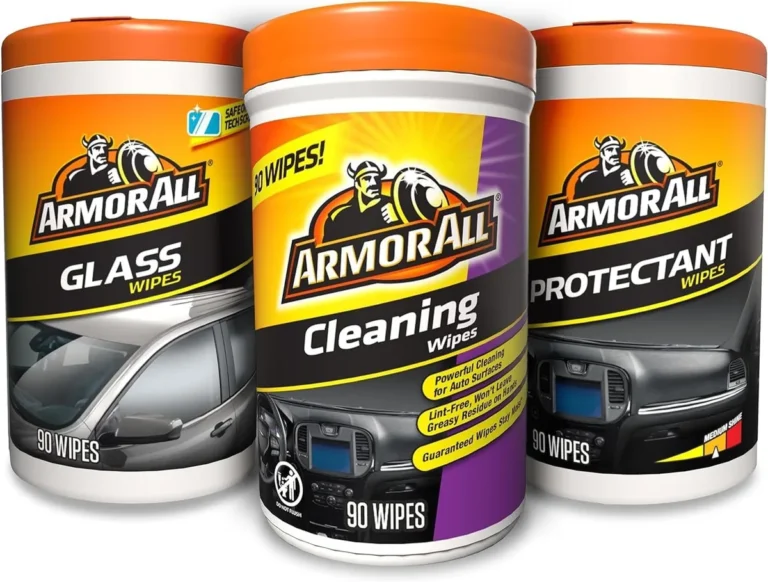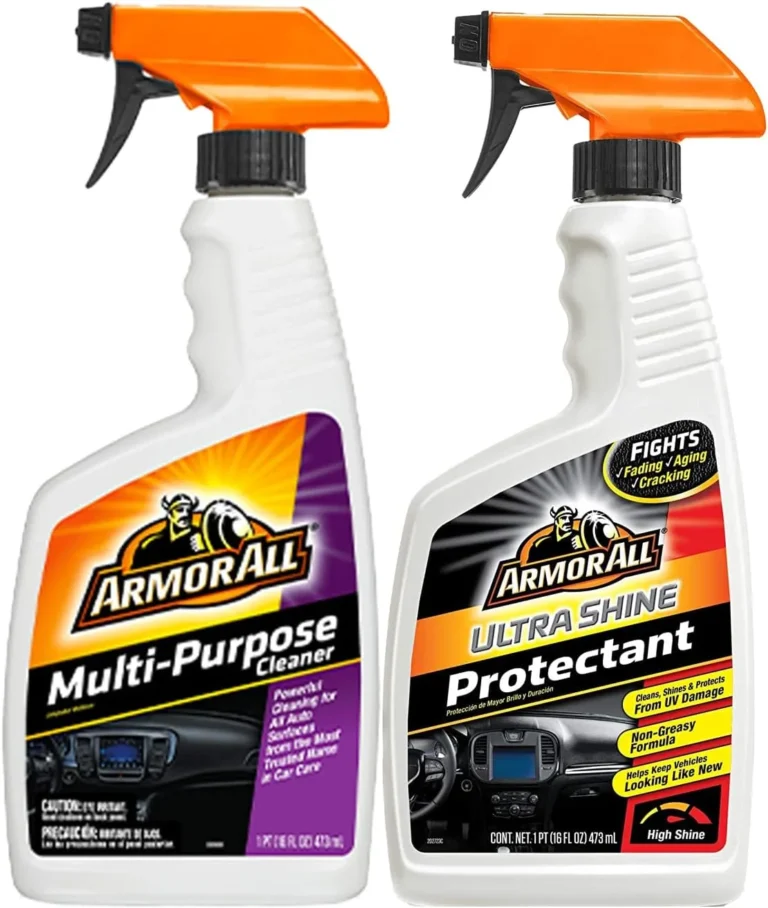
If your car has multiple dust inside what should i use to clean it without any scratch and to get it completely clear, the right tools make all the difference. Dust builds up fast in car interiors, especially in vents, crevices, and textured surfaces, and using the wrong method can leave scratches or streaks.
Per manufacturer guidelines for automotive care, microfiber cloths and soft-bristle tools are the safest options for most surfaces. The key is matching the tool to the material and the type of dust you're dealing with.
Quick Answer
Use a microfiber cloth for smooth surfaces. A soft brush works for vents. Vacuum crevices first.
Avoid paper towels or harsh chemicals.
Why Dust Keeps Building Up Inside Your Car
Dust enters through open windows, doors, and even the HVAC system. Most modern cars have cabin air filters, but these only catch larger particles. Fine dust settles on every surface, especially plastic and rubber, which generate static electricity.
The texture of your dashboard and door panels also traps dust. Smooth surfaces show dust less, but matte or textured finishes hold it tighter. This is why a quick wipe often just moves dust around instead of removing it.
The Fastest Way to Remove Dust Without Scratching
Start with a dry microfiber cloth for light dust on smooth surfaces. Microfiber’s fine fibers lift dust without scratching, unlike paper towels or old rags. For heavier dust, a slightly damp cloth works better, but avoid soaking any surface.
For stubborn dust in tight spaces, use a soft-bristle brush or compressed air. Brushes dislodge dust from vents and seams, while compressed air blows it out of hard-to-reach areas. Always follow up with a vacuum to catch the loosened dust before it resettles.
What You’ll Need (And What to Avoid)
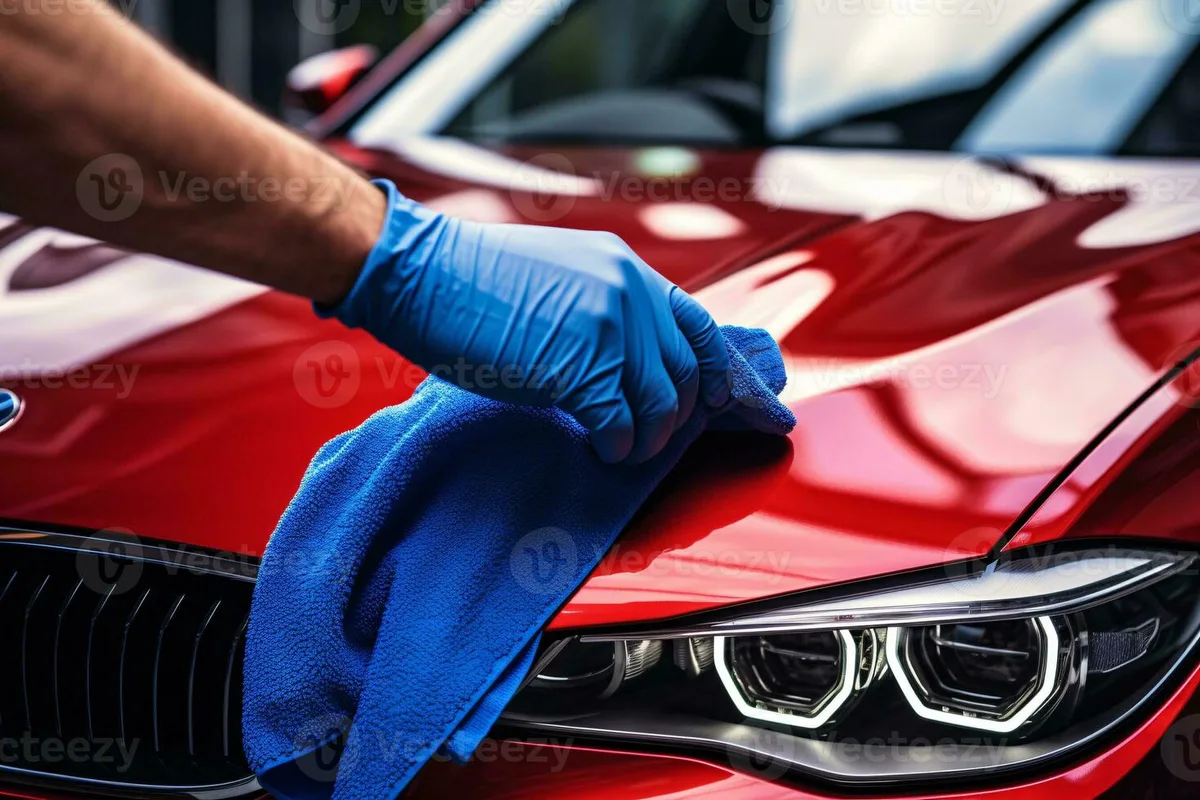
Here’s a simple table of the best tools for dust removal:
| Tool | Best For | Avoid On |
|---|---|---|
| Microfiber cloth | Dashboards, door panels, glass | Delicate leather (if dry) |
| Soft-bristle brush | Vents, crevices, textured trim | Painted surfaces |
| Vacuum with brush attachment | Seats, floor mats, cup holders | Loose wires or electronics |
| Compressed air | Deep vents, under seats | Directly on sensors |
| pH-balanced cleaner | Stubborn grime on plastic/vinyl | Unsealed wood or suede |
Skip paper towels, rough sponges, or household cleaners with ammonia or bleach. These can scratch, discolor, or damage interior materials. Manufacturer specs confirm that pH-neutral cleaners are safest for most car interiors.
Step-by-Step: How to Clean Every Surface Safely
Dashboard, Door Panels & Plastic Trim
Start at the top and work downward so dust falls to lower surfaces you’ll clean later. Use a dry microfiber cloth first to lift loose dust. For stuck-on grime, lightly dampen the cloth with water or a pH-balanced interior cleaner.
Wipe in straight lines, not circles, to avoid swirl marks. For textured plastic, a soft brush can help dislodge dust from the grooves. Finish with a dry cloth to prevent streaks.
Air Vents & Tight Spaces
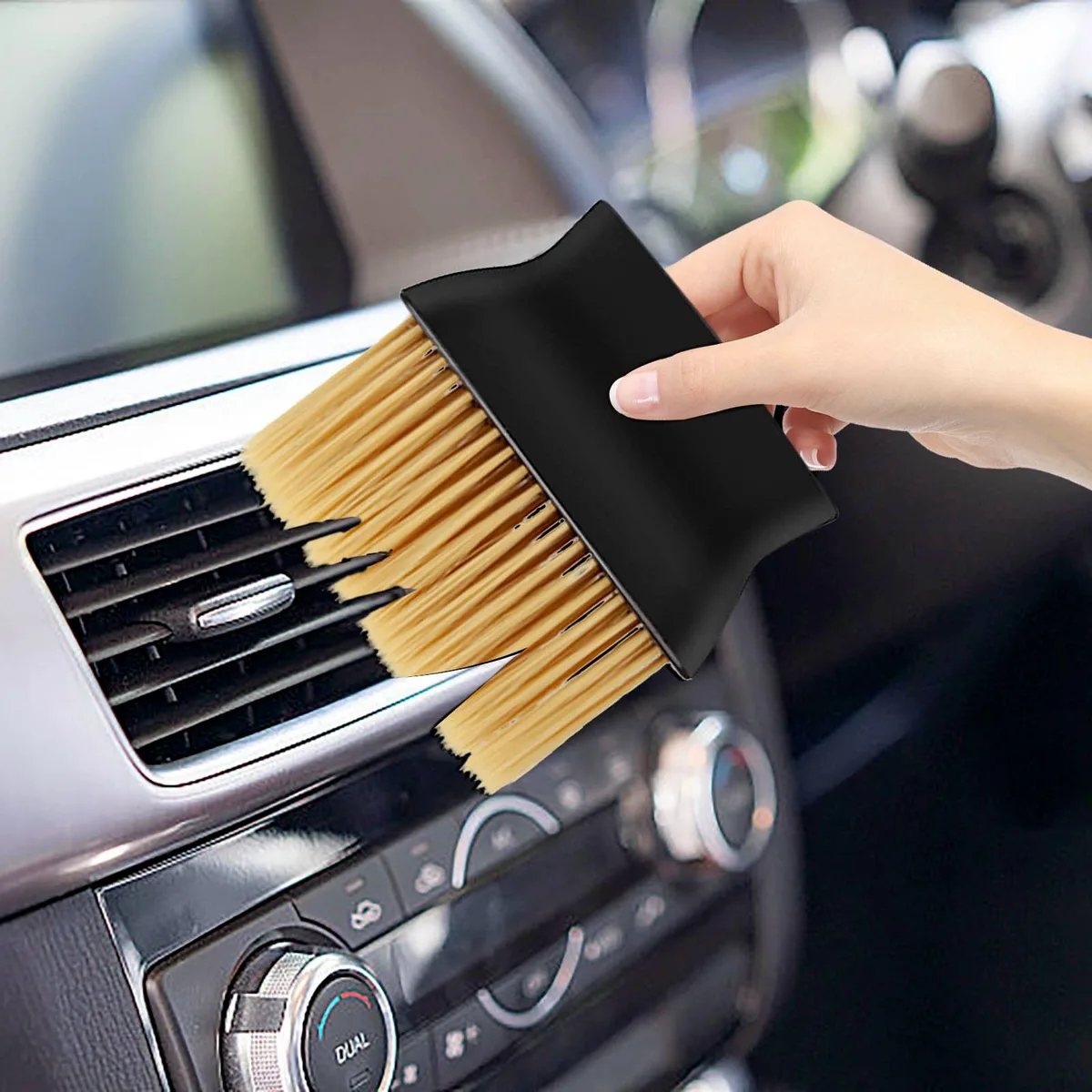
Vents collect dust quickly because air flows through them constantly. Use a soft-bristle brush or a vent cleaning tool to reach between the slats. A can of compressed air can blow out dust from deeper inside, but hold the can upright to avoid moisture spray.
For stubborn buildup, wrap a microfiber cloth around a thin object like a paint stir stick to reach into narrow gaps. Avoid metal tools or sharp objects that can damage the vent fins. According to SAE International, improper cleaning can reduce airflow efficiency by up to 20%.
Seats, Crevices & Cup Holders
Vacuum seats first to remove loose dust and debris. Use the upholstery attachment to avoid damaging fabric or leather. For leather seats, follow with a damp microfiber cloth and a leather-safe cleaner if needed.
Crevices between seats and center consoles trap dust and crumbs. A thin nozzle attachment on your vacuum works best here. For cup holders, a soft brush or wrapped microfiber cloth can reach the bottom without scratching.
Glass & Touchscreens
Use a clean microfiber cloth and a glass cleaner formulated for automotive use. Avoid household glass cleaners with ammonia, which can damage tinted windows or anti-glare coatings. Spray the cleaner on the cloth, not directly on the glass, to prevent drips.
For touchscreens, use a screen-safe cleaner or a 50/50 mix of distilled water and isopropyl alcohol. Wipe gently in one direction to avoid streaks. Manufacturer guidelines for most infotainment systems recommend against paper towels or rough fabrics.
Best Tools for Stubborn Dust vs. Light Dust
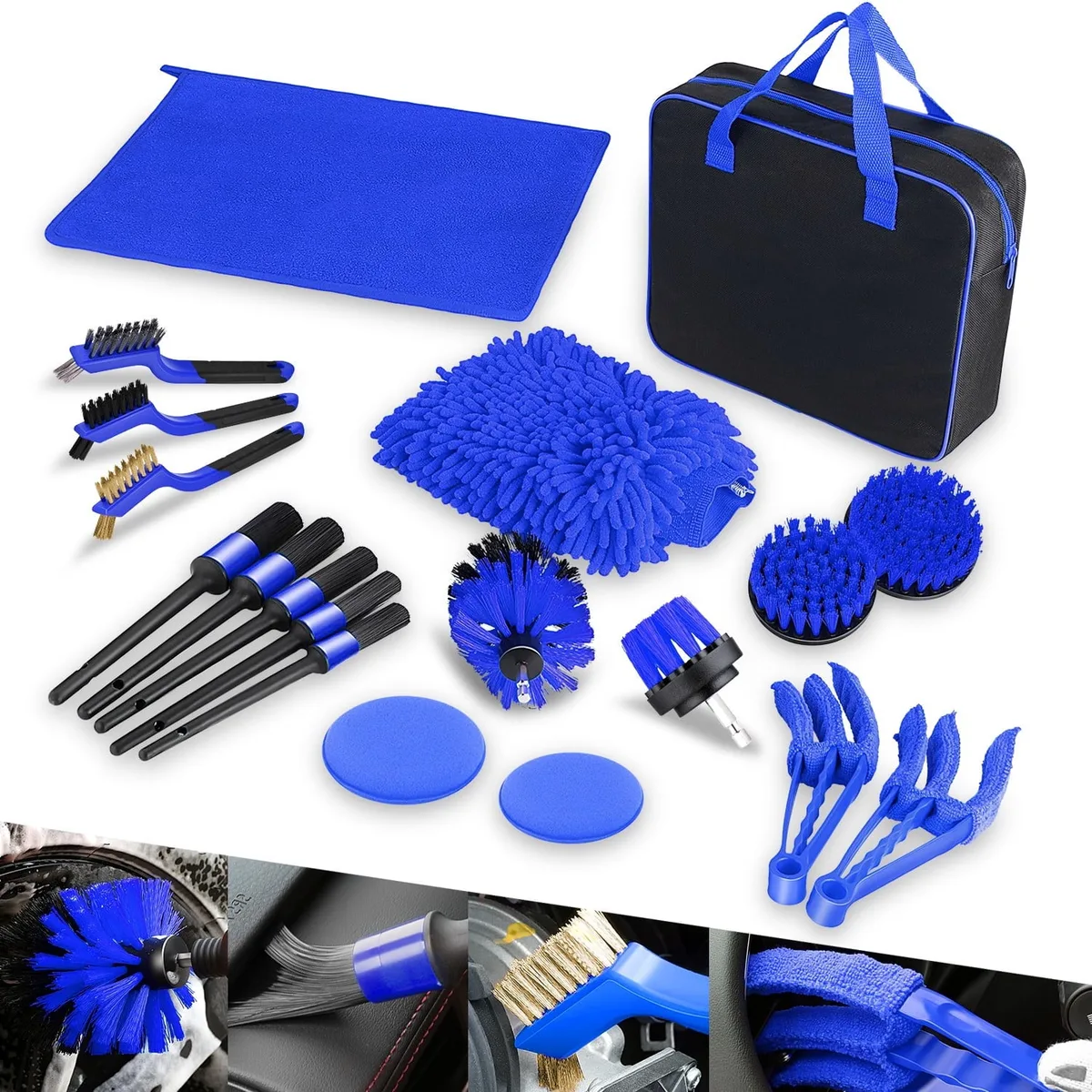
Light dust on smooth surfaces needs only a dry microfiber cloth. For stubborn dust in textured areas, a soft brush or slightly damp cloth works better. Heavy buildup in vents or seams may require compressed air or a specialized vent brush.
Here’s a quick comparison:
| Dust Type | Best Tool | Technique |
|---|---|---|
| Light dust | Microfiber cloth | Wipe in straight lines |
| Stubborn dust | Soft brush + vacuum | Brush first, then vacuum |
| Deep vent dust | Compressed air | Short bursts, hold can upright |
| Sticky grime | Damp microfiber + cleaner | Test on hidden spot first |
Common Mistakes That Cause Scratches or Streaks
Using paper towels or rough cloths leaves micro-scratches on plastic and glass. Circular wiping motions create swirl marks on dashboards and door panels. Over-wetting surfaces with cleaner can cause streaks or damage sensitive materials.
Applying cleaner directly to the surface often leads to drips and uneven coverage. Always spray the cloth first, then wipe. Skipping the final dry pass with a clean microfiber cloth can leave residue that attracts more dust.
How to Keep Dust From Coming Back So Fast
Regular cleaning prevents dust buildup from becoming a bigger job. Aim for a quick dusting every 1-2 weeks, especially if you park outside or drive on dirt roads. Using an anti-static spray on plastic surfaces can help repel dust between cleanings.
Replace your cabin air filter every 12,000 to 15,000 miles, or as recommended in your owner’s manual. A clogged filter lets more dust circulate inside the car. Parking in a garage or using a car cover also reduces dust accumulation.
When to Use Water, Spray, or Just a Dry Cloth
A dry microfiber cloth is best for light dust on most surfaces. Use a slightly damp cloth for stuck-on dust or fingerprints. Spray cleaners are only needed for grease or stubborn grime, but always test on a hidden spot first.
For leather, use a dedicated leather cleaner and conditioner. For glass and touchscreens, a screen-safe spray is ideal. Avoid excessive moisture on electronics or unsealed surfaces.
Quick Fixes vs. Deep Cleaning: Which Do You Need
A quick dusting with a microfiber cloth takes 5-10 minutes and keeps things tidy. This works for weekly maintenance. A deep clean involves vacuuming, brushing, and detailed wiping, which is best done every 3-6 months.
If your car looks dusty but isn’t visibly dirty, a quick fix is enough. If dust is caked in vents or crevices, or if surfaces feel gritty, it’s time for a deep clean.
FAQs About Car Interior Dust Removal
How often should I clean my car’s interior?
Aim for a quick dusting every 1-2 weeks. Do a deep clean every 3-6 months, or more often if you drive frequently on dusty roads.
Can I use household cleaners on my car’s dashboard?
Avoid household cleaners with ammonia or bleach. These can damage plastic and vinyl over time. Stick to pH-balanced automotive cleaners.
What’s the best way to clean air vents?
Use a soft-bristle brush or compressed air. Hold the can upright to prevent moisture from spraying into the vents. Follow up with a vacuum.
Will a damp cloth scratch my dashboard?
Not if you use a microfiber cloth. Avoid paper towels or rough fabrics. Wipe gently in straight lines to prevent swirl marks.
How do I prevent dust from coming back quickly?
Use an anti-static spray on plastic surfaces. Replace your cabin air filter regularly. Park in a garage or use a car cover when possible.