Black Friday deals are live on Amazon · limited-time discounts, grab them before they’re gone
Grab the deals

ByMax Lee
How to Wash a Car With PPF and Ceramic Coating: Expert Tips
Paint Protection Film (PPF) and ceramic coating make car care easier—but they do not make the surface scratch-proof or maintenance-free. Dirt, road salt, bird droppings, hard-water minerals, and poor washing technique can still stain or damage the film and coating.
The safest approach is a gentle, contact-minimising wash using clean microfiber tools, coating-safe shampoo, controlled water pressure, and thorough drying. This guide explains how to wash a car with PPF and ceramic coating, which products to use, what to avoid, and how to recognise when the protection needs professional attention. You can also read our guide on are soft touch car washes safe.
What PPF and Ceramic Coating Do
Paint Protection Film
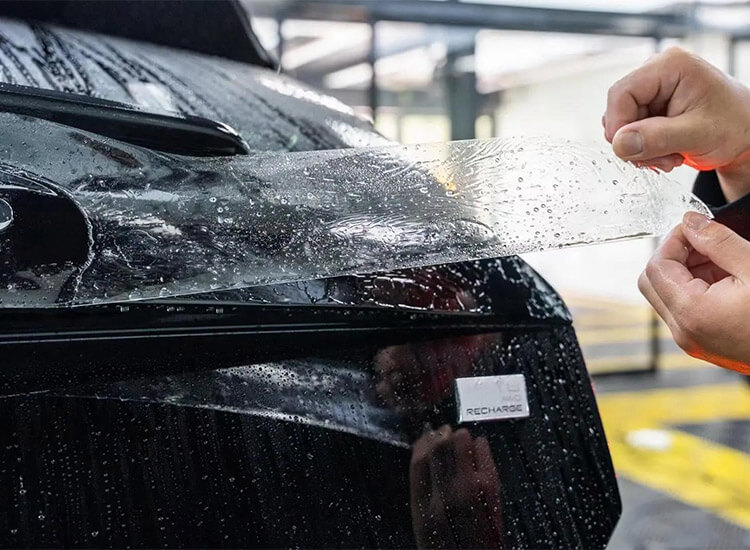
PPF is a transparent thermoplastic film applied over painted panels. It is designed to help protect vulnerable areas from stone chips, light abrasion, road debris, and some environmental contamination.
Many modern films have a self-healing top layer. Heat or warm water can help minor surface marks disappear, but self-healing does not repair deep cuts, punctures, lifting edges, or damaged adhesive. You can also read our guide on best car wash soap for ceramic coated cars.
Ceramic Coating
A ceramic coating is a cured, chemically bonded protective layer applied to paint, PPF, or other compatible surfaces. It increases surface slickness and water behaviour, making contamination easier to remove.
Ceramic coating does not prevent every scratch, eliminate water spots, or replace washing. It can also be applied over PPF, so a vehicle may have both systems working together:
- PPF provides physical film protection.
- Ceramic coating provides chemical resistance, gloss, and easier cleaning.
- Neither product makes aggressive washing safe.
For the best result, follow the film and coating manufacturer’s care instructions. Product chemistry varies, and some PPF warranties specify approved soaps, drying methods, or restrictions on automatic washes. Manufacturer resources such as XPEL’s official care guidance are useful when your installer did not provide written instructions. You can also read our guide on best microfiber towel for washing car.
How PPF and Ceramic Coating Change the Washing Process
A coated or filmed car usually releases dirt more easily, but the remaining contamination still has to be removed without dragging grit across the surface. The key risks are:
- Pressing abrasive dirt into the film
- Using a dirty wash mitt or towel
- Allowing soap to dry in the sun
- Directing high-pressure water at exposed film edges
- Using solvents or strong degreasers unnecessarily
- Leaving mineral-rich water to evaporate on the surface
In practice, the most common mistake is treating strong water beading as proof that the surface is clean. Beading only describes how water behaves; it does not mean that road film, dust, or mineral residue has been removed.
Supplies You Need
Use separate tools for wheels and painted or filmed panels. Brake dust and grit from wheels can quickly create scratches if they are transferred to the bodywork. You can also read our guide on best hose filter for car washing.
Recommended washing supplies
- Two large buckets with grit guards, using the two-bucket washing method
- pH-neutral automotive shampoo approved for coated surfaces
- Clean microfiber wash mitts
- A separate mitt or brush for wheels
- A hose with a gentle spray pattern or a pressure washer
- Wheel cleaner labelled safe for the wheel finish and coating
- Soft wheel brushes with no exposed metal
- Several high-quality microfiber drying towels
- A dedicated glass towel
- Optional air blower for mirrors, badges, panel gaps, and PPF edges
- Nitrile gloves if using wheel or decontamination chemicals
What to check before buying a product
The label should identify the product as suitable for automotive paint, PPF, or ceramic coatings. Avoid choosing a cleaner solely because it produces a lot of foam. Foam can improve lubrication, but it is not a measure of cleaning power or safety.
Do not use household dish detergent, abrasive polishes, scouring pads, kitchen sponges, or unknown solvents on PPF or ceramic coating. You can also read our guide on best car wash kit for ceramic coating.
Best Conditions for Washing
Wash in the shade when the panels are cool to the touch. A cloudy day can work well, provided rain will not interrupt the process.
Avoid washing when:
- The paint or film is hot from direct sun
- Strong wind is blowing dust onto the vehicle
- The shampoo will dry before you can rinse it
- Freezing temperatures could trap water in locks and panel gaps
- You cannot dry the vehicle promptly
If you must wash in warm conditions, work on smaller sections and rinse more frequently. Always keep the surface wet until the soap has been removed. You can also read our guide on how to prevent water spots on car after washing.
How to Wash a Car With PPF and Ceramic Coating
1. Inspect the vehicle first
Walk around the car before adding water. Look for:
- Loose PPF edges or lifting corners
- Existing scratches, chips, or stains
- Heavy mud in wheel arches
- Bird droppings, tree sap, or insects
- Areas where a previous coating may be failing
Do not aim a pressure washer directly at lifted film. Mark the affected area mentally or with a temporary piece of painter’s tape nearby, then arrange an inspection with the installer.
2. Clean the wheels and tyres
Wheels are usually the dirtiest part of the car, so clean them before washing the body. Rinse each wheel thoroughly to remove loose grit, then apply a compatible wheel cleaner. You can also read our guide on best water filter for car washing.
Agitate gently with dedicated brushes and keep the wheel wet. Rinse before the product dries. Never use the same mitt or bucket on the wheels and paint.
If you use an iron-removing or acidic product, follow its label carefully and keep it away from unprotected surfaces unless the manufacturer specifically approves that use. You can also read our guide on is ceramic coating at car wash worth it.
3. Pre-rinse the entire vehicle
Rinse from the roof downward. The goal is to remove loose dust, sand, and road grit before a wash mitt touches the surface.
A pressure washer can be useful, but technique matters more than maximum pressure:
- Use a wide spray pattern.
- Keep the nozzle moving.
- Maintain a safe distance rather than spraying at close range.
- Do not concentrate the stream on film seams, badges, sensors, rubber seals, or damaged areas.
- Avoid forcing water underneath an exposed PPF edge.
A gentle hose rinse is safer than an overly aggressive pressure-washer setup.
4. Prepare the wash solution
Fill one bucket with the manufacturer’s recommended amount of pH-neutral car shampoo and water. Fill the second bucket with clean rinse water. You can also read our guide on how to wash ceramic coated car in winter.
Use the soap bucket only for the bodywork. After each panel or small section, rinse the mitt in the clean-water bucket before loading it with fresh shampoo.
A common mistake is using too much soap. Excess product can leave residue and does not compensate for dirty water or poor lubrication. You can also read our guide on best car wash shampoo for ceramic coating.
5. Wash from the top down
Start with the roof, glass, and upper pillars. Move to the bonnet, boot, upper doors, and lower panels last.
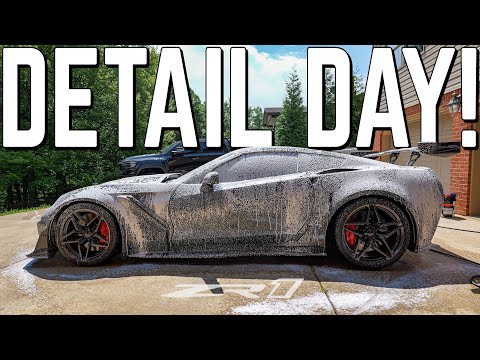
Use light pressure and straight, overlapping passes. Do not scrub aggressively or make circular motions. The aim is to allow the lubricated mitt to lift contamination, not grind it into the film.
For each section:
- Soak the microfiber mitt in the shampoo solution.
- Glide it across a small panel with minimal pressure.
- Rinse the mitt thoroughly in the clean-water bucket.
- Inspect the mitt for trapped grit.
- Reload it with shampoo before moving to the next section.
Use a separate mitt for the lowest sections of the doors, rear bumper, and rocker panels because these areas collect more road debris. You can also read our guide on best cloth for waterless car wash spray.
Credit: www.youtube.com
6. Treat stubborn contamination carefully
Do not scrub bird droppings, insects, tree sap, or tar while they are dry. Soak the affected area with shampoo solution or a product specifically approved for PPF and ceramic coating.
Give the contamination time to soften, then rinse and gently wipe it away. For tar or adhesive residue, use a compatible automotive tar remover and test it on an inconspicuous area first.
If a mark remains after a gentle wash, stop rather than increasing pressure. A professional detailer can determine whether it is contamination, staining, etching, or film damage.
7. Rinse thoroughly
Rinse from the roof down, paying attention to:
- Mirrors and mirror mounts
- Door handles
- Emblems and trim
- PPF seams and wrapped edges
- Grilles and panel gaps
- Wheel arches
- The underside of bumpers
On a ceramic-coated vehicle, a final gentle “sheeting” rinse can help remove much of the standing water. Do not rely on beading alone; water trapped around trim and seams still needs to be dried.
8. Dry without dragging dirt
Use a clean, plush microfiber drying towel. Lay it flat and gently pull it across the panel, or pat the surface dry. Avoid twisting, pressing hard, or reusing a towel after it falls on the ground.
An air blower is particularly helpful for pushing water out of:
- PPF edges
- Door mirrors
- Grilles
- Badges
- Window trim
- Door and boot gaps
- Fuel-filler surrounds
If the towel becomes saturated or visibly dirty, replace it. Dry glass with a separate towel to prevent streaks.
9. Inspect the finish
Under good lighting, check for:
- Remaining soap residue
- Water spots
- Streaks or smears
- Contamination around film edges
- Areas that no longer shed water normally
- New scratches or marks
Do not apply a polish, abrasive compound, or clay bar automatically. These procedures may alter a ceramic coating and can damage or abrade PPF unless performed with the correct product and technique.
How Often Should You Wash the Car?
A practical schedule is every one to two weeks under normal driving conditions. Adjust it according to exposure rather than following a rigid calendar.
Wash sooner after:
- Driving through road salt or winter brine
- Heavy rain followed by dust
- Long highway trips
- Exposure to construction dust
- Pollen or industrial fallout
- Bird droppings or tree sap
Prompt removal matters because acidic or sticky contamination can etch the coating, stain the film’s topcoat, or leave a mark in the underlying finish.
For vehicles that are driven infrequently, inspect the surface weekly and clean isolated contamination as soon as possible.
Can You Use an Automatic Car Wash?
Touchless washes are generally less abrasive than automatic systems with rotating brushes, but their detergents can be strong and their drying process may be incomplete. If you use one in an emergency, choose the gentlest available program, avoid wax or polishing add-ons of unknown chemistry, and dry the vehicle afterward.
Avoid automatic washes with:
- Rotating brushes
- Reused cloth strips
- Brush contact with exposed PPF edges
- Aggressive drying blowers aimed at loose film
- Unidentified spray waxes or sealants
A properly maintained self-serve bay can be acceptable if you bring a clean mitt and towels, use the rinse cycle to remove loose grit, and never use the facility’s shared brush on the vehicle.
Products and Techniques to Avoid
Do not use the following unless the PPF or coating manufacturer specifically approves them:
- Household dish soap
- Strong all-purpose cleaners at high concentration
- Undiluted degreasers
- Abrasive kitchen sponges
- Stiff brushes on painted or filmed panels
- Automatic brush washes
- Dry dusting with a dirty towel
- High-pressure spraying directly at film edges
- Solvent-based cleaners left on the surface
- Abrasive polish or compound
- Silicone-heavy products that leave difficult residue
A pressure washer itself is not automatically harmful. Poor distance, a narrow nozzle, excessive pressure, and spraying at film edges are the real concerns.
Caring for PPF After Washing
PPF needs special attention at its edges and seams. Keep those areas clean, but do not lift or pick at them. If an edge begins to curl, collect dirt, or show adhesive, contact the installer before the problem spreads.
Minor marks in a self-healing film may improve with warmth, but never apply uncontrolled heat with a heat gun. Hot water or normal ambient warmth is safer; deep cuts and punctures require film replacement.
Clean bird droppings and insects promptly. Place a damp microfiber towel over the contamination for a few minutes instead of rubbing it dry.
Credit: preproppf.com
Caring for Ceramic Coating After Washing
After the car is clean and dry, you may use a compatible ceramic maintenance spray or topper. These products can restore slickness and improve water behaviour, but they do not repair a worn or contaminated coating.
Use a maintenance product only when:
- The surface is completely clean
- The product is approved for your coating
- You follow the stated dilution and application instructions
- You remove excess residue before it dries
Do not layer random spray waxes, sealants, and ceramic products without checking compatibility. A product that looks glossy at first can leave streaks, mask coating issues, or make future maintenance more difficult.
What If Water No Longer Beads?
Reduced beading does not always mean the coating has failed. The surface may be covered by mineral deposits, traffic film, oily residue, or fallout.
Use this order of diagnosis:
- Wash carefully with a coating-safe shampoo.
- Dry and inspect the surface.
- If the finish still feels rough, ask a professional about safe chemical decontamination.
- If water behaviour remains poor after decontamination, have the coating assessed.
- Recoat only after the surface has been correctly prepared.
Avoid applying another coating over contamination. It can trap defects and produce uneven results.
Signs You Need Professional Help
Contact the PPF installer or a reputable detailer if you notice:
- Film edges lifting or shrinking
- Yellowing, cracking, or severe hazing
- Deep cuts or punctures
- Permanent stains after gentle cleaning
- Coating high spots or cured streaks
- Persistent roughness after washing
- Water spots that cannot be safely removed
- A panel that looks noticeably different from adjacent panels
Professional correction is especially important for PPF because aggressive polishing can thin, mark, or permanently alter the film.
PPF and Ceramic Coating Washing Checklist
| Stage | Best practice |
|---|---|
| Before washing | Work in shade and inspect film edges |
| Wheels | Use separate tools and rinse thoroughly |
| Pre-rinse | Remove loose grit before contact washing |
| Shampoo | Choose a coating-safe, pH-neutral product |
| Contact wash | Use clean microfiber and light pressure |
| Technique | Work top to bottom in small sections |
| Rinsing | Keep soap from drying on the surface |
| Drying | Use clean towels and optional air drying |
| Maintenance | Apply only compatible coating products |
| Contamination | Remove bird droppings and sap promptly |
Frequently Asked Questions
Can I use regular car soap on PPF and ceramic coating?
Use a pH-neutral automotive shampoo labelled safe for PPF or ceramic coatings. “Regular” soap may be acceptable if it is designed for vehicle paint, but household dish soap and unknown detergents are poor choices for routine maintenance.
How often should I wash a car with PPF and ceramic coating?
Every one to two weeks is a useful starting point for a normally driven vehicle. Wash sooner after salt, mud, bird droppings, tree sap, or heavy road contamination. The right interval depends on the car’s environment and use.
Is a pressure washer safe for PPF and ceramic coating?
Yes, when used carefully with a wide spray pattern, sensible distance, and controlled pressure. Keep the nozzle moving and never aim concentrated spray at lifted or exposed film edges, trim, sensors, or seals.
For people who use compressed air to dry vehicles, equipment selection matters; a suitable air-system setup can help, but clean, dry air and a soft nozzle are more important than maximum pressure.
Should I dry the vehicle after washing?
Yes. Drying reduces mineral deposits and prevents water from remaining around mirrors, trim, badges, and PPF seams. Use clean microfiber towels, gentle pressure, and an air blower where practical.
Can PPF and ceramic coating be washed together?
Usually, yes. If the ceramic coating was applied over the PPF, use the same gentle wash process across both surfaces. However, always follow the specific film and coating manufacturer’s instructions because approved chemicals can differ.
Can I wax a car with ceramic coating and PPF?
You can use a compatible maintenance product, but avoid traditional abrasive waxes or products containing cleaners unless they are approved for the coating and film. Check compatibility before applying anything over the protected surfaces.
Why does my coated car still get water spots?
Ceramic coating changes how water sits on the surface; it does not remove minerals from the water. Water spots form when droplets evaporate and leave deposits behind. Dry the vehicle promptly and address existing mineral marks with a product or service approved for the coating.
Final Takeaway
The safest way to wash a car with PPF and ceramic coating is to reduce friction and contamination at every stage: rinse thoroughly, use clean microfiber tools, wash from top to bottom, keep the surface cool, and dry it completely.
Clean wheels with separate equipment, avoid brushes and harsh chemicals, and never pressure-wash directly into PPF edges. With consistent maintenance and prompt removal of bird droppings, sap, salt, and mineral residue, both the film and coating can continue to protect the vehicle and maintain its appearance.








