Dust on your car isn’t just ugly, it’s abrasive. Left too long, it turns into a gritty layer that scratches your paint every time you wipe it. Knowing how to wash dust off a car the right way saves you from swirl marks and faded finishes.
A proper wash uses about 40, 140 gallons of water, but the real key is technique, not volume. Get this wrong, and you’ll trade a clean car for a damaged one.
Quick Answer
Wash dust off your car with a pre-rinse to remove loose dirt. Use the two-bucket method with pH-balanced soap. Dry with a clean microfiber towel to prevent water spots.
Avoid washing in direct sunlight.
Why Dust on Your Car Is More Than Just an Eyesore
Dust isn’t harmless. It’s made of tiny particles, dirt, pollen, brake dust, that act like sandpaper on your paint. Over time, this leads to micro-scratches, oxidation, and a dull finish.
The longer dust sits, the harder it bonds to the surface. Manufacturer guidelines and automotive care standards confirm that abrasive contaminants can reduce paint gloss significantly if not removed properly. That’s why regular, careful washing matters.
The 3 Biggest Mistakes People Make When Washing Dusty Cars
Using a single bucket. This re-deposits dirt onto your car, causing swirl marks. Always use two buckets, one for soap, one for rinsing your mitt.
Washing in direct sunlight. Water dries too fast, leaving spots and streaks. Work in the shade or on a cloudy day.
Skipping the pre-rinse. Blasting off loose dust first prevents scratching during the wash. A pressure washer or hose on a gentle setting does the job.
What You’ll Need: Tools & Supplies for a Scratch-Free Wash
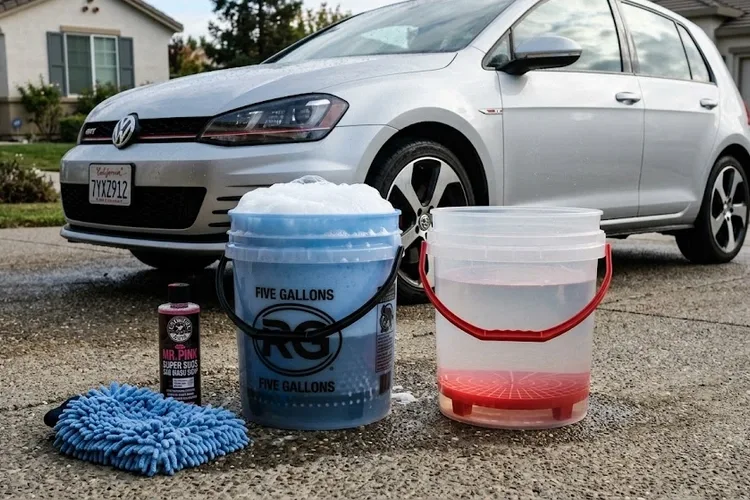
You don’t need a garage full of gear, but the right tools make all the difference. Stick to basics: pH-balanced car soap, two buckets, a wash mitt or microfiber sponge, a hose or pressure washer, and drying towels.
For wheels and tires, a separate brush and wheel cleaner help remove brake dust without damaging the finish. A durable hose ensures consistent water flow, which is key for a thorough rinse.
| Tool | Purpose | Why It Matters |
|---|---|---|
| pH-balanced soap | Cleans without stripping wax | Protects paint and clear coat |
| Two buckets | Separates clean and dirty water | Prevents re-contamination |
| Microfiber mitt | Lifts dirt without scratching | Safer than sponges or brushes |
| Drying towel | Absorbs water without streaking | Prevents water spots |
Step-by-Step: How to Wash Dust Off Your Car Without Damaging the Paint
Pre-rinse. Start by hosing down the car to remove loose dust. Use a pressure washer on a low setting (1,200, 1,900 PSI) or a garden hose with a nozzle. Work from the top down to let gravity help carry dirt away.
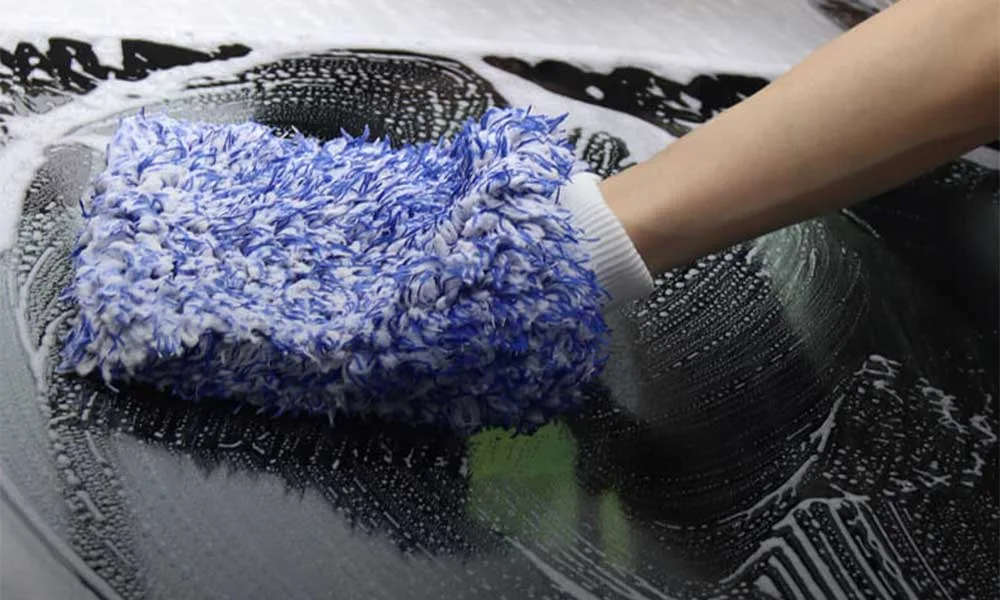
Wash in sections. Fill one bucket with soapy water and another with clean water for rinsing your mitt. Wash the car in sections, roof, windows, body panels, using straight-line motions, not circles. This minimizes swirl marks.
Waterless Wash vs. Traditional Wash: Which Is Better for Dust?
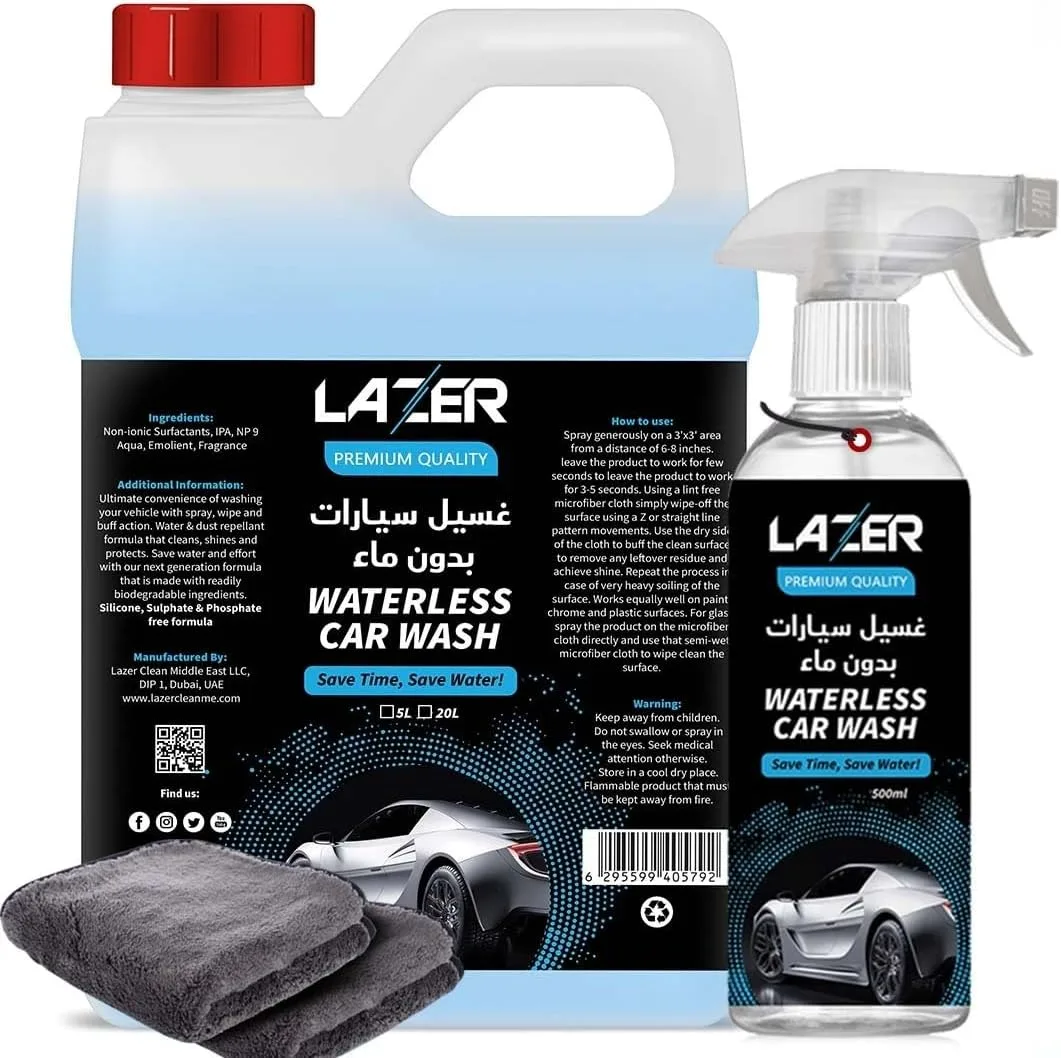
A waterless wash works well for light dust and quick touch-ups. It uses a spray-on cleaner and microfiber towels to lift dirt without water. This method saves time and water, making it ideal for dry climates or quick cleanups.
A traditional wash is better for heavy dust or caked-on grime. It uses soap, water, and a thorough rinse to remove contaminants completely. If your car has a thick layer of dust, this is the safer choice.
When to Use a Pressure Washer (And When to Avoid It)
Use a pressure washer for stubborn dust and deep cleaning. Set it to 1,200, 1,900 PSI to avoid damaging paint or trim. Keep the nozzle at least 12 inches away from the surface.
Avoid pressure washers on delicate parts like window seals, loose trim, or older paint jobs. High pressure can strip wax, peel decals, or force water into sensitive areas.
How Often Should You Wash a Dusty Car?
In dusty or polluted areas, wash your car every 1, 2 weeks. This prevents buildup that can scratch the paint or clog filters.
In moderate climates, a monthly wash is usually enough. If you notice a visible layer of dust, don’t wait, clean it off to protect the finish.
Pro Tips for Stubborn Dust, Pollen, or Road Grime
For pollen, use a quick detailer spray before washing. This helps lift the particles without grinding them into the paint.
For road grime, pre-treat with a dedicated wheel cleaner or degreaser. Let it sit for 1, 2 minutes, then agitate with a brush before rinsing.
How to Protect Your Car After Washing (Wax, Sealant, or Quick Detailer)
Wax adds a protective layer that enhances shine and repels water. It lasts 1, 3 months and is easy to apply by hand.
Sealants are synthetic and last longer, up to 6 months. They’re more durable but can be trickier to apply evenly.
A quick detailer spray is the fastest option. It adds temporary protection and gloss between full washes. Use it after drying for a fresh look.
Frequently Asked Questions
Can I wash my car with dish soap?
No. Dish soap strips wax and damages paint over time. Use pH-balanced car soap instead.
How do I prevent water spots?
Dry the car immediately after washing with a clean microfiber towel. Work in the shade to slow evaporation.
Is a pressure washer safe for all cars?
Not always. Older paint, loose trim, or delicate finishes can be damaged. Stick to 1,200, 1,900 PSI and keep the nozzle 12 inches away.
What’s the best way to clean wheels?
Use a dedicated wheel cleaner and a soft brush. Avoid the same mitt you use for the body to prevent cross-contamination.
How often should I wax my car?
Every 3, 6 months for most cars. Wax more often if you park outside or drive in harsh conditions.
Can I wash my car in the sun?
Avoid it. Direct sunlight causes water to dry too fast, leaving spots and streaks. Wash in the shade or on a cloudy day.