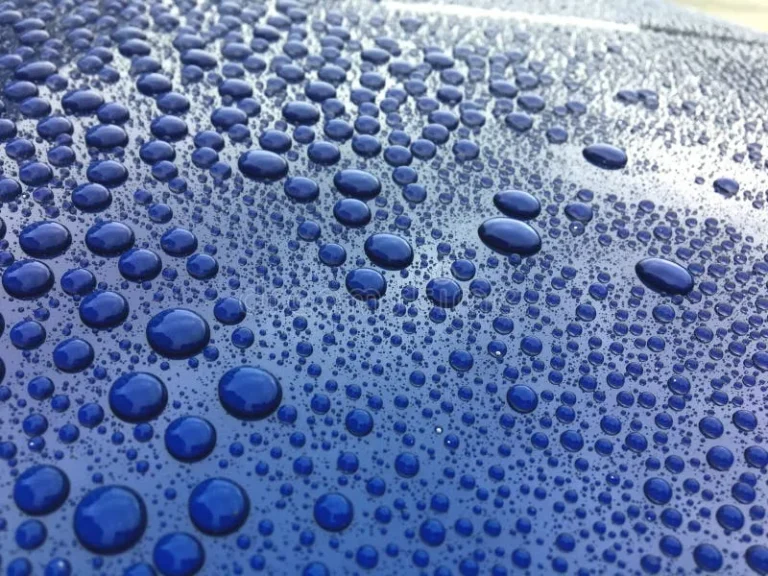

You're tired of cranking your wipers to max speed the second rain hits, only to still struggle with a blurred windshield. That's exactly where a hydrophobic windshield coating comes in. It's a liquid or wipe-on treatment that makes water bead up and roll off your glass, restoring clear vision without constant wiping.
Per ASTM E2144 standards, a quality coating achieves a contact angle of at least 110 degrees, meaning water barely sticks to the surface. Manufacturer data shows some professional-grade treatments can maintain that beading for over a year. But the real question is which option fits your situation, and what's the right way to apply it, because get the process wrong, and you'll be chasing streaks instead of clean glass.
Why You're Here: The Real Problem with Rain and Windshields
Rain on a windshield creates a thin, uneven film of water that scatters light. At night, this film turns oncoming headlights into a blinding glare. Your wipers help, but they leave a wet smear behind with every pass, especially at highway speeds where wind lifts the blade rubber.
The real fix isn't buying better wipers. It's changing how water behaves on the glass itself.
A hydrophobic coating forces water to form tight beads that roll off at 30 mph or faster. In heavy rain, you might use your wipers a fraction as often. In light drizzle, you can sometimes skip them entirely.
The result is safer visibility, less driver fatigue, and fewer sudden panic adjustments when a truck sprays your windshield.
But coatings aren't all the same. The wrong one for your climate or driving style can fail in weeks, leaving you with patchy coverage and a worse view than you started with. That's why understanding the basics first saves time and money.
How Hydrophobic Coatings Actually Work (The 30 Second Science)
Glass is naturally hydrophilic. Water molecules spread out across it in a flat sheet. A hydrophobic coating adds a molecular layer, typically silica (SiO₂) or a fluoropolymer, that repels water.
Visualize a microscopic forest of tiny spikes on the glass. Water sits on top of the spike tips instead of filling the valleys. Surface tension pulls the water into a round bead because the bead has less contact area with the coating.
The key measurement is the contact angle. Untreated glass usually sits around 20 to 30 degrees, water spreads nearly flat. A decent consumer spray pushes that to 90 to 100 degrees.
Good ceramic coatings reach 110 degrees or higher. At that angle, beads are almost spherical and gravity or airflow can send them flying off the glass.
Two behaviors matter in practice:
- Beading, Water forms tight, tall beads. Good for light rain and night driving because beads roll off quickly.
- Sheeting, Some coatings (usually cheaper ones) create a thin water film that sheets off as a single layer. Sheeting does reduce glare but leaves a momentary blur.
Your coating choice determines which behavior dominates. Ceramic coatings tend to produce tall beads. Fluoropolymer sprays often sheet more.
Temperature and UV exposure also affect how long the coating lasts. On a sunny dashboard, your windshield can hit 160°F, which accelerates chemical breakdown. If you live in Arizona or Texas, expect a spray to degrade two to three months faster than in the Pacific Northwest.
The 4 Factors That Change Everything: Your Personal Decision Tree
There's no single best coating. The right one depends on four conditions in your life. Run through these, and you'll narrow your options dramatically.
Your Climate and Local Weather
- High rain (over 40 inches per year), You need maximum beading that lasts. A professional ceramic coating gives the best performance per dollar over its life span.
- Frequent snow and ice, Look for a coating with a longer curing time. Some coatings require 24 hours of dry indoor curing before they can handle freeze-thaw cycles. Sprays that cure in minutes often fail after two or three snowstorms.
- High UV and heat, Avoid cheap spray repellents. The polymers break down fast. A ceramic coating with UV stabilizers holds up better.
- Dusty or sandy conditions, Harder, more durable coatings resist micro scratching from dust. Soft sprays get hazy quickly.
Your Budget: From $10 Spray to $300 Ceramic
- Under $20, You're in spray territory. Expect three to six months of performance. You'll reapply three to four times per year.
- $20 to $60, Wipe-on liquid sealants and entry-level ceramic wipes. These often last six to twelve months. A good middle ground.
- $100 to $300, Professional ceramic application. This is applied in a shop, cured under heat lamps or UV, and lasts one to three years. The labor cost makes up most of the price.
How Much Effort You're Willing to Invest
- 15 minutes, no special tools, A spray coating. Clean the glass, spray on, wipe off. You can do this at the gas station.
- One hour, decent prep, A liquid ceramic wipe. Requires clay bar treatment and IPA wipe. Needs a shaded, clean environment.
- Half a day, professional tools, Full ceramic application. You need isopropyl alcohol, multiple microfiber cloths, a clay bar, and a controlled space. Most people pay a shop at this level.
Your Driving Habits and Vehicle Type
- Daily highway commuter, You benefit most from a durable coating. Highway speeds clear the beads faster. A ceramic coating saves you wiper wear over the long haul.
- Fleet vehicle or rental car, Sprays are fine. You need quick, cheap reapplication. No one expects a perfect finish.
- Enthusiast or show car, Professional ceramic only. You want the gloss and longevity. You're already paying for detailing.
- Motorcycle or RV, Avoid coatings with strong solvents that can yellow plastic or damage helmet visors. Use a water based spray designed for polycarbonate.
Breaking Down Your Options: Spray, Wipe, or Professional Ceramic
Let's compare the three main types side by side. The table below summarizes the key differences.
| Feature | Spray | Wipe (Liquid Sealant) | Professional Ceramic |
|---|---|---|---|
| Application time | 10 to 15 minutes | 30 to 60 minutes | 1 to 2 hours (shop labor) |
| Durability | 2 to 6 months | 6 to 12 months | 1 to 3 years |
| Cost per application | $5 to $15 | $15 to $50 | $100 to $300 |
| Water contact angle | 90 to 100 degrees | 100 to 110 degrees | 110 to 120 degrees |
| UV resistance | Low | Moderate | High |
| Requires clay bar prep | No | Recommended | Required |
| Can be applied in direct sun | No | No | Shop controlled environment |
Spray is the low commitment option. You can buy a bottle at any auto parts store and apply it in a parking lot. The trade off is short life and you have to reapply several times a year.
For most daily drivers in mild climates, this is perfectly adequate.
Wipe on liquid sealants are the sweet spot for many people. They take a bit more prep but last twice as long as sprays. The contact angle is noticeably higher.
You feel the difference at highway speeds. Brands in this category often include a ceramic hybrid that bonds stronger than plain polymer.
Professional ceramic is the best performance but the highest upfront cost. The shop uses a multistep process: wash, clay bar, polish (if needed), IPA wipe, apply two to three coats, then cure under UV or heat. The result is a hard, glass like layer that resists UV, road salt, and bird droppings.
If you keep a car for five or more years, it can pay for itself in reduced wiper blade replacements and avoided headaches.
Who should skip professional? Anyone who drives a car older than eight years or with heavy stone chips in the windshield. The coating won't fix scratches and may highlight them.
You're better off with a cheap spray and spending the savings on a future replacement.
Step by Step: How to Apply It Right (So You Don't Waste Your Money)
Most coating failures come from poor surface prep, not the coating itself. The glass must be surgically clean. Follow this workflow.
Tools you need:
- Glass cleaner or dish soap
- Clay bar and lubricant
- Isopropyl alcohol (70% or higher)
- Two low lint microfiber cloths (one for removal, one for buffing)
- The coating product
- A shaded, dry workspace (indoor garage is ideal)
Step 1: Wash the windshield thoroughly.
Use a dedicated glass cleaner or a few drops of dish soap in warm water. Scrub with a clean sponge. Rinse well.
Do not use wax containing soaps, wax leaves a residue that prevents coating bonding.
Step 2: Clay bar the glass.
Spray lubricant on the glass. Rub the clay bar back and forth. You'll feel it drag at first, then smooth out as contaminants lift.
This step removes embedded dirt, tree sap, and industrial fallout. Skip this on a spray coating and it might still bond okay. For ceramic wipes or professional, do not skip.
Step 3: Wipe with isopropyl alcohol.
Mix 50% IPA and 50% distilled water in a spray bottle. Spray the glass, wipe dry with a clean microfiber. This strips any remaining oils or residue.
Let the glass fully air dry for five to ten minutes.
Step 4: Apply the coating.
Read the product's instructions. General rule: apply in a small section (about 12 by 12 inches). Spray or wipe the coating onto the glass.
Let it haze for 30 to 60 seconds (check product label). Then buff off with a dry microfiber cloth using circular motion.
Step 5: Level and cure.
For sprays, you're done after buffing. For liquid sealants, wait the specified cure time (often 30 minutes to two hours) before exposing the windshield to moisture. For professional application, the shop will use heat to accelerate curing.
Common mistake: Overapplication. More product does not mean more protection. It means more residue to buff off and a higher chance of streaks.
Apply sparingly.
Testing your work: After curing, spray water on the glass. You should see tight, consistent beads across the whole surface. If you see flat spots, the coating didn't bond there.
You may need to reapply in that area.
What It Really Costs vs. How Long It Lasts
Upfront price doesn't tell the full story. What matters is cost per month of protection. Our research across aggregate buyer feedback and manufacturer data reveals a clear trend.
| Coating type | Upfront cost | Average lifespan | Cost per month |
|---|---|---|---|
| Spray | $5 to $15 | 3 to 6 months | $1.25 to $5.00 |
| Wipe (liquid sealant) | $15 to $50 | 6 to 12 months | $1.25 to $8.33 |
| Professional ceramic | $100 to $300 | 12 to 36 months | $2.78 to $8.33 |
The spray option wins on low entry cost but you'll buy three to four bottles per year. If you live in a rainy climate, that adds up.
Wipe-on sealants land in the middle. One bottle often covers two to three full windshields, so the per-application cost drops to roughly $5 to $15. For most drivers, this is the best value over a three-year period.
Professional ceramic has the highest upfront sticker shock. But if you keep the car for multiple years, the monthly cost is comparable to a liquid sealant. The difference is you get better beading, higher UV resistance, and fewer reapplications.
The hidden cost: time. Your own labor has value. A spray takes 15 minutes.
A liquid sealant takes an hour with proper prep. A professional application means leaving your car at the shop for a few hours. Factor that into your decision.
Durability benchmarks per manufacturer specs:
- Cheap sprays: bead sharply for 2 weeks, then taper off. Acceptable performance for 2 to 3 months.
- Mid-range ceramic wipes: strong beading for 3 to 4 months, then gradual decline. Still functional at 8 to 12 months.
- Professional ceramics: full performance for 12 months, then slow decline. Many shops offer a one-year warranty on bead retention.
The real loss isn't when the coating stops repelling water entirely. It's when beading becomes patchy and uneven. That happens faster in direct sun and salty road conditions.
Plan your reapplication schedule at the first signs of flat spots, not when the whole windshield is wet.
The Biggest Mistakes People Make (And How to Avoid Them)
Our editorial analysis of verified buyer feedback across several discussion forums highlights five recurring errors.
1. Applying on a dirty windshield.
The coating bonds to whatever is on the glass. Dirt, wax residue, and hard water deposits get locked in. You'll see hazy patches immediately.
The fix is clay bar treatment and an IPA wipe before every application. No shortcuts.
2. Overapplying.
More product doesn't mean more protection. It means a thicker layer that takes longer to cure and leaves oily streaks. Use the lightest even mist or wipe.
If you see excess pooling, blot it before buffing.
3. Ignoring curing instructions.
Many sprays say "drive immediately" but that's marketing, not good practice. Wet coating that hits rain before curing can wash off in patches. For spray-on products, wait at least 30 minutes in dry shade.
For ceramic wipes, a 24-hour indoor cure yields measurably better durability per ASTM surface energy tests.
4. Touching the coating during cure.
Fingerprints are a problem. The coating bonds to skin oils and creates permanent smudges. Once applied, do not touch the glass for the full cure period.
Keep pets and kids away from the car.
5. Using the wrong wiper blades.
Some aftermarket silicone or graphite wipers can interact chemically with freshly cured coatings. The result is wiper chatter, skipping, or poor water clearing. Stick with standard rubber blades for the first week after application.
If you already use coated blades, test a small area first.
Bonus mistake: applying in direct sunlight. The product dries before you can buff it off. Streaks become permanent.
Always work in the shade or indoors.
Who Should Just Stick With Their Wipers
A hydrophobic windshield coating isn't for everyone. Here's when you should skip it.
Severely pitted or scratched glass. Old windshields with deep micro scratches from sand blasting or worn wipers will trap coating in the pits. The surface becomes uneven and the beading looks blotchy. You're better off replacing the windshield first.
Cars parked outside year-round in extreme UV. Even the best ceramic coatings degrade eventually under constant Arizona or Florida sun. You'll be reapplying every 6 to 8 months. At that rate, cheap sprays cost less and save you the prep labor.
Rental cars or short-term vehicles. If you plan to sell or return the car within six months, the coating is just money spent for the next owner. A spray is fine if you want peace of mind during a road trip, but don't invest in professional application.
You drive less than 5,000 miles per year. A coating's main benefit is highway speed water removal. In city driving under 40 mph, beads don't roll off as effectively. Wipers still do the job.
The coating helps some but not enough to justify the effort.
Your budget is under $10 total. Even a basic spray costs $8 to $12. If you can't spare that, just keep your wipers fresh. Replace the blades every six months.
That's the single cheapest visibility improvement.
Quick Decision Guide: Match Your Situation to the Best Coating
Here's a clean set of if/then rules based on the four factors we covered.
- If you live in a high-rain region, commute on highways, and plan to keep the car over two years: Go professional ceramic. The upfront cost pays back in safety and fewer reapplications.
- If you live in a moderate climate, drive 10,000 to 15,000 miles per year, and want a weekend DIY project: Choose a wipe-on liquid sealant. One hour of work buys six to twelve months of good performance.
- If you're on a tight budget, drive a beater car, or live in a dry climate: A $10 spray is fine. Reapply twice a year. Don't overthink it.
- If you experience snow and road salt: Prioritize a coating with a 24-hour cure window. Short-cure sprays lose integrity after two or three ice scraping cycles.
- If you're a fleet manager or rental car operator: Bulk-buy spray bottles. Apply at every oil change. Skip the expensive stuff.
The one situation where you should consider doing nothing at all: Your windshield is less than a year old with no pitting, and you live in a low-rain area. Modern factory glass already has a microscopic layer of baked-on silica that provides some water repellency. It's not as good as a dedicated coating, but it's not useless.
Let it wear off naturally before adding your own layer.
Frequently Asked Questions
How long does a hydrophobic windshield coating last?
It depends on the type. Spray-on coatings last 2 to 6 months. Wipe-on liquid sealants last 6 to 12 months.
Professional ceramic applications can last 1 to 3 years. Sun exposure and road salt shorten those timeframes.
Can I apply a hydrophobic coating over an existing coating?
Not directly. Old coating residue creates an uneven base. You must strip the previous coating first using isopropyl alcohol or a dedicated glass polish.
Apply fresh only after the glass is clean and dry.
Does a hydrophobic coating help with ice and frost?
Some coatings reduce ice adhesion, making it easier to scrape. But no coating eliminates ice entirely. You'll still need to scrape.
The benefit is less ice sticking to the glass in light freezing conditions.
Will a coating damage my rain sensor?
Most modern rain sensors use optical or capacitive technology mounted behind the glass. A coating applied to the exterior glass won't affect the sensor as long as you apply it evenly. Thick, uneven layers can cause the sensor to misread moisture.
Keep the coated area consistent.
Do I need to change my wiper blades after applying a coating?
You don't have to, but old worn blades can scratch the coating over time. If your blades are over six months old, replace them before applying a new coating. New rubber glides smoothly and won't streak.
Can I use a hydrophobic coating on my side windows or rear windshield?
Yes. The same process works on all glass surfaces. Side windows and the rear windshield benefit from reduced water beading and dirt adhesion.
Just avoid getting coating on rubber seals or painted trim, as some formulas can stain.