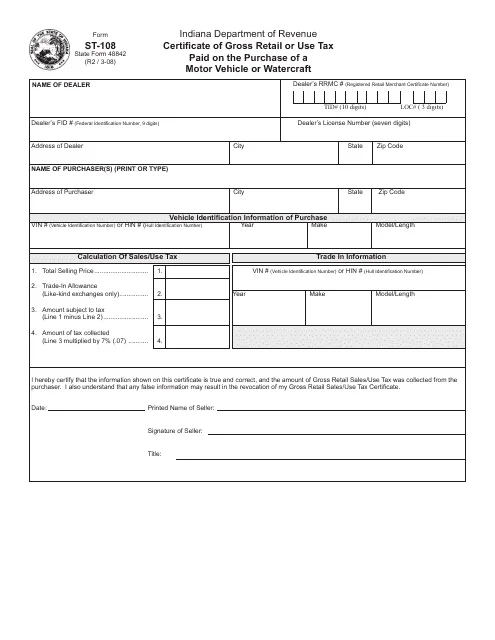
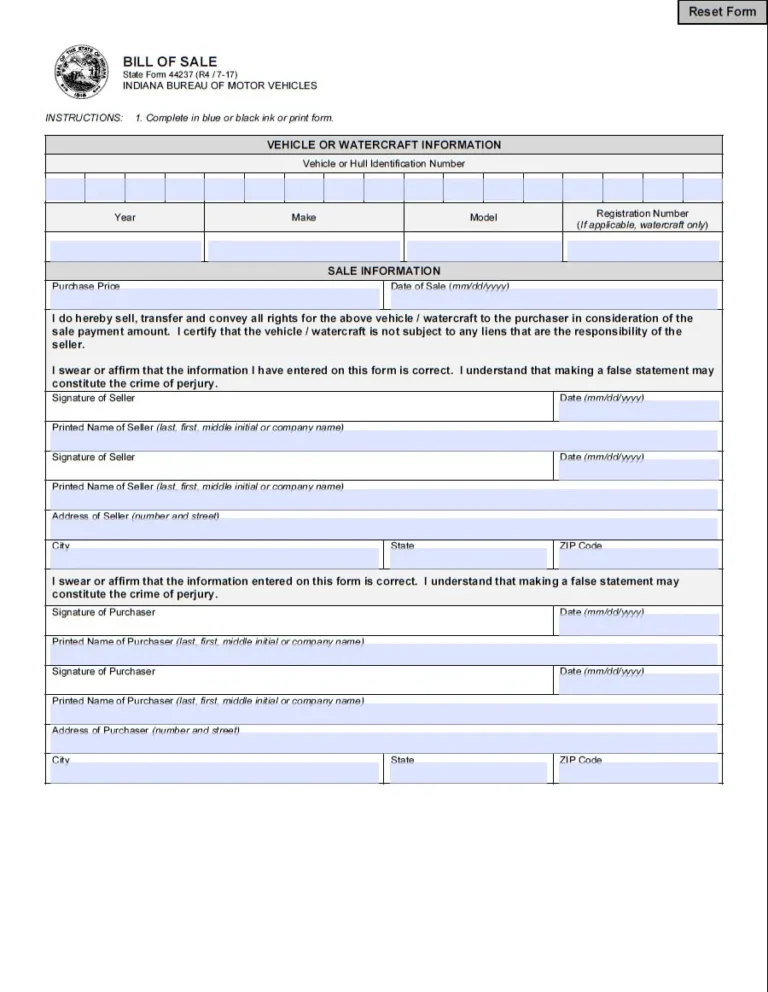
Catalytic converter theft is surging in Indiana, costing vehicle owners thousands in repairs and insurance headaches. The Indiana catalytic converter theft prevention and etching program benefits drivers by making stolen parts easier to track and harder to sell, which deters thieves in the first place.
Replacement costs average $1,000 to $3,000, and hybrids like the Toyota Prius are targeted even more often. Indiana’s free or low-cost etching programs add a layer of protection that’s worth the small time investment.
Quick Answer
Indiana catalytic converter theft prevention and etching program benefits include deterring theft and aiding recovery. Etching marks your converter with a unique ID. This makes it traceable if stolen.
Thieves avoid marked parts. Some insurers offer discounts for etched converters.
Why Catalytic Converter Theft Is a Big Problem in Indiana
Indiana has seen a sharp rise in catalytic converter thefts, especially in cities like Indianapolis and Fort Wayne. Thieves target these parts because they contain precious metals like palladium, rhodium, and platinum, which fetch high prices at scrap yards. A stolen converter can be removed in under two minutes with basic tools.
Hybrid vehicles are particularly vulnerable due to their higher concentration of precious metals. As of 2026, Indiana remains a hotspot for these thefts, with law enforcement reporting hundreds of cases annually. The lack of serial numbers on most converters makes them nearly impossible to trace once stolen.
How Indiana’s Etching Program Fights Theft
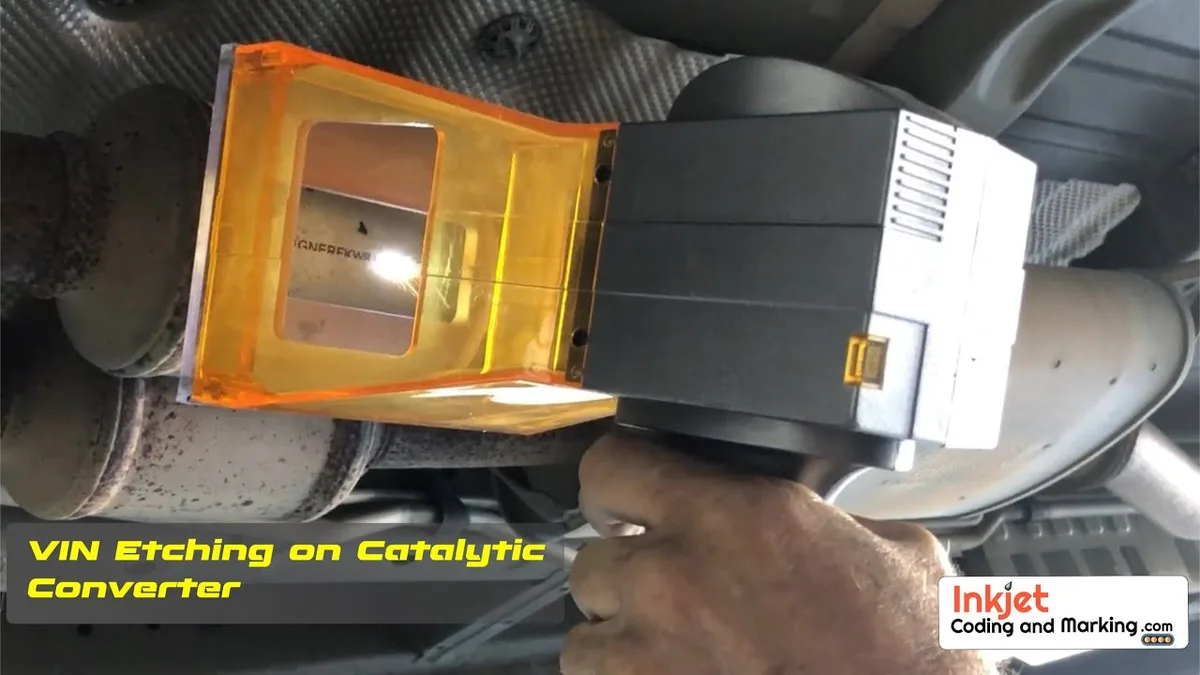
Indiana’s etching program is a proactive measure to combat catalytic converter theft. By engraving a vehicle’s VIN or a unique identification number onto the converter, the program makes stolen parts easier to identify and return to their rightful owners. This process is quick, non-invasive, and often free or low-cost through local law enforcement or community events.
The program also collaborates with scrap yards and recyclers, who are required to check for etched markings before purchasing converters. This creates a strong deterrent, as thieves are less likely to target marked parts that can be traced back to a specific vehicle. According to the National Insurance Crime Bureau, etched converters are significantly less likely to be stolen.
What Exactly Is Catalytic Converter Etching?
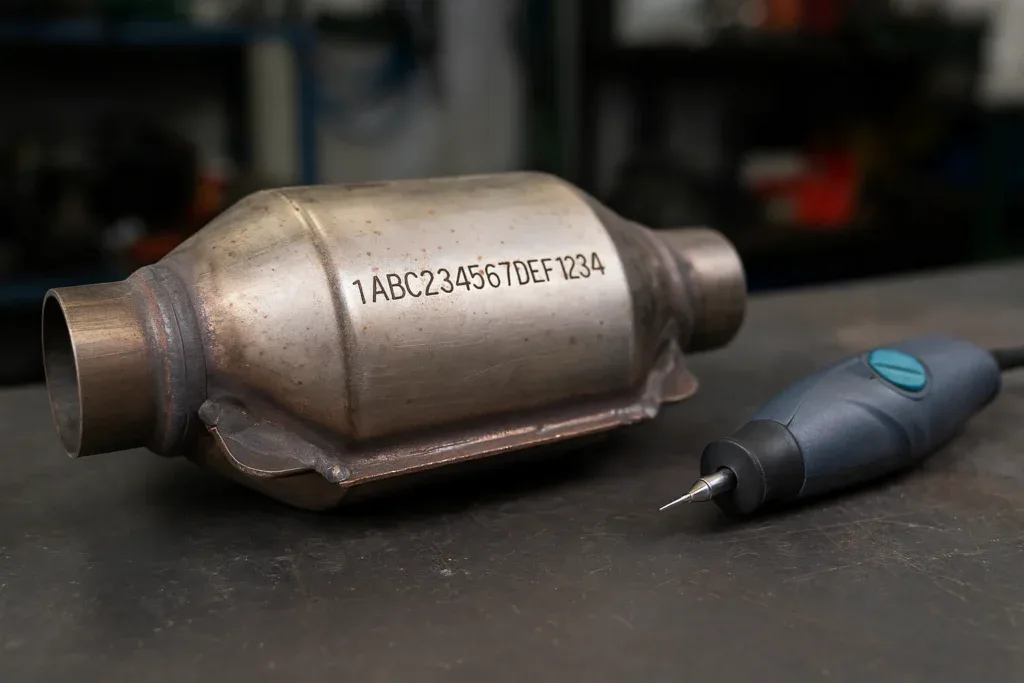
Catalytic converter etching involves permanently marking the converter with a unique identifier, such as the vehicle’s VIN or a custom serial number. This is typically done using a high-temperature-resistant etching tool or laser engraving. The marking is visible and durable, ensuring it remains legible even under extreme conditions.
The process doesn’t damage the converter or affect its performance. It simply adds a layer of security by making the part identifiable. Many etching programs also provide a sticker or certificate to place in the vehicle’s window, signaling to thieves that the converter is marked.
How the Indiana Etching Program Works Step by Step

Indiana’s etching program is straightforward and accessible. Here’s how it typically works:
- Find a Participating Location: Many local police departments, auto shops, and community organizations host etching events. The Indiana State Police often coordinates these programs.
- Schedule an Appointment: Some locations require appointments, while others offer drive-up services.
- Vehicle Inspection: A technician will locate your catalytic converter and prepare it for etching.
- Etching Process: The VIN or a unique ID is etched onto the converter using specialized equipment. This takes about 10 to 30 minutes.
- Documentation: You’ll receive a certificate or sticker confirming the etching.
The entire process is quick, often free, and provides long-term protection.
Does Etching Actually Stop Theft? (The Real Impact)
Etching doesn’t make your converter theft-proof. It does make it far less attractive to thieves. Scrap yards and recyclers in Indiana are required to check for markings, which reduces the resale value of stolen parts.
Data from the National Insurance Crime Bureau shows etched converters are stolen at a significantly lower rate. Thieves prefer unmarked parts they can sell quickly without scrutiny. Some insurance companies even offer premium discounts for vehicles with etched converters.
Other Ways to Protect Your Catalytic Converter
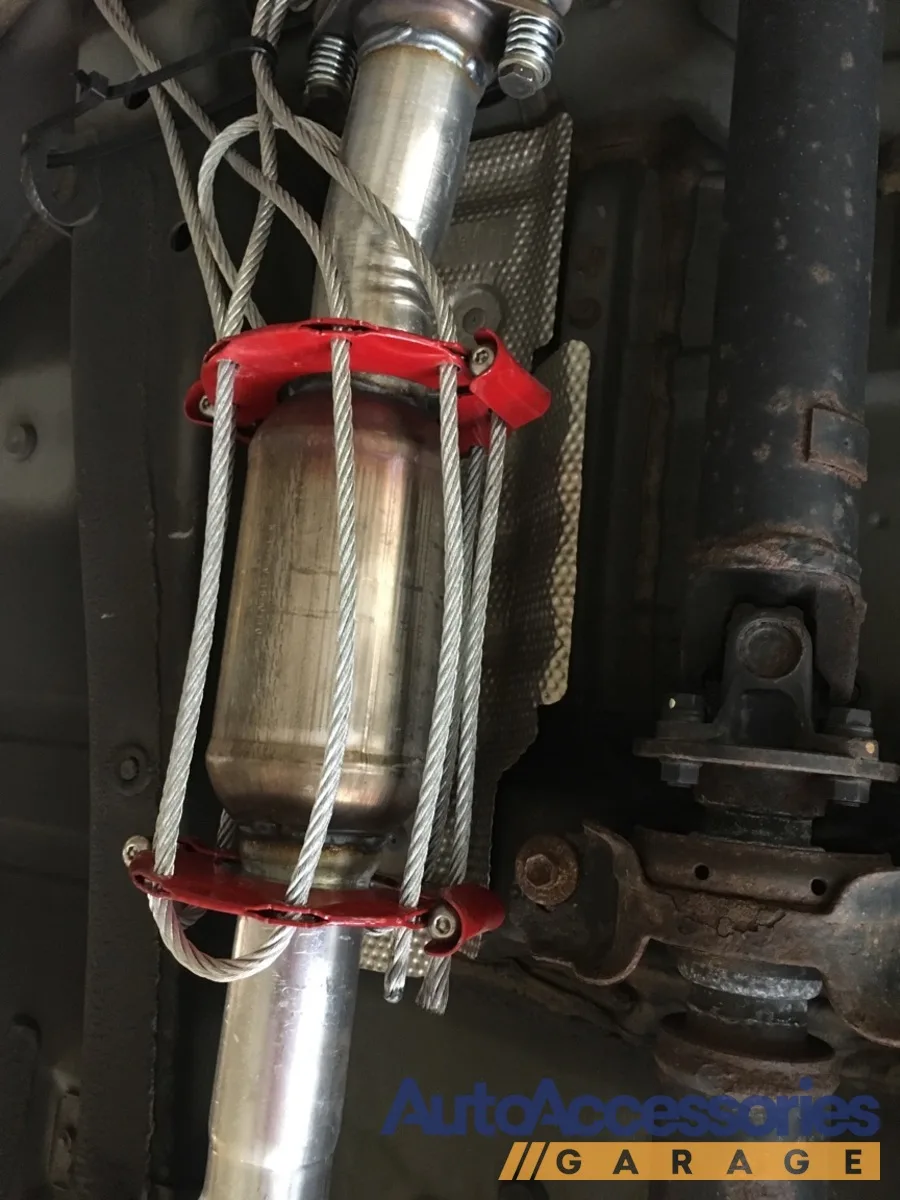
Etching is just one layer of defense. Physical barriers work too. Anti-theft cages or clamps make removal harder and more time-consuming.
Parking strategies help as well. Always park in well-lit areas or garages when possible. Motion-sensor lights or security cameras near your parking spot add another deterrent.
Costs: Etching vs. Replacement vs. Anti-Theft Devices
| Protection Method | Cost | Effectiveness | Notes |
|---|---|---|---|
| Etching | Free–$50 | High | Often free through police programs |
| Anti-theft cage | $150–$400 | Very high | Requires professional installation |
| Replacement | $1,000–$3,000+ | N/A | Out-of-pocket if uninsured |
| GPS tracker | $100–$300 | Moderate | Monthly fees may apply |
Etching is the most cost-effective option. Anti-theft devices add physical protection but come with higher upfront costs. Replacement is always the most expensive route, especially for hybrids or trucks with larger converters.
Which Vehicles Are Most at Risk in Indiana?
Toyota Prius models top the list. Their converters contain more precious metals, making them prime targets. Honda CR-Vs, Ford F-Series trucks, and Hyundai Tucsons are also frequently hit.
Older vehicles without factory anti-theft measures are more vulnerable. Thieves often target SUVs and trucks because their higher ground clearance makes access easier. As of 2026, Indianapolis, Fort Wayne, and Evansville report the highest theft rates in the state.
Indiana Laws and Scrap Metal Rules You Should Know
Indiana requires scrap dealers to verify ownership before purchasing catalytic converters. Sellers must provide a valid ID and vehicle documentation. This makes it harder for thieves to fence stolen parts.
The state also mandates that dealers keep records of all converter transactions for at least two years. Law enforcement uses these records to track stolen parts. Some counties have additional ordinances, so check local regulations for extra protections.
Common Mistakes That Make Theft Easier
Parking in dark, isolated areas gives thieves the perfect opportunity. Leaving your car unattended for long periods in high-risk locations increases the risk. Even a well-lit parking lot can be risky if it lacks security cameras.
Ignoring basic maintenance can also make your vehicle a target. A rusted or loosely attached converter is easier to remove. Some drivers assume newer cars are safe, but thieves target all models with valuable converters.
FAQs About Indiana’s Catalytic Converter Etching Program
Is etching my catalytic converter really free in Indiana?
Many police departments and community organizations offer free etching events. Some auto shops may charge a small fee, typically under $50.
How long does the etching process take?
The actual etching takes about 10 to 30 minutes. The entire appointment usually wraps up in under an hour.
Will etching void my vehicle’s warranty?
No. Etching is a non-invasive process that doesn’t affect the converter’s function.
Can I etch my converter myself?
DIY etching kits exist, but professional services are more reliable. Improper etching can damage the converter or make the marking unreadable.
Does etching work on all vehicle types?
Yes. The process works on any vehicle with a catalytic converter, including cars, trucks, and SUVs.
Final Verdict: Is Etching Worth It for Indiana Drivers?
Etching is one of the simplest and most effective ways to protect your catalytic converter. The low cost and minimal time investment far outweigh the potential savings from avoiding theft.
Combined with other precautions like parking in secure areas and using anti-theft devices, etching significantly reduces your risk. For Indiana drivers, it’s a smart, low-effort preventive measure.