Buying a new car should mean reliability, not endless repair shop visits. The Indiana lemon law for new vehicle consumer protection and repair standards exists to protect you when a manufacturer can’t, or won’t, fix persistent defects. It’s a legal safety net, but only if you know the rules and act fast.
Indiana’s law covers new vehicles under warranty with substantial defects that impair use, value, or safety. As of 2026, the protection window is 18 months or 18,000 miles, whichever comes first. The key is documenting every repair attempt, because that’s what proves your case.
Quick Answer: What the Law Actually Says
Indiana’s lemon law applies to new vehicles with repeated, unfixed warranty defects. It requires 4 repair attempts for the same issue or 30+ days out of service. Coverage lasts 18 months or 18,000 miles.
You’re entitled to a buyback or replacement if the manufacturer fails to fix it.
How Indiana’s Lemon Law Works (And Who It Protects)
This law protects buyers and lessees of new cars, trucks, and motorcycles under certain conditions. It doesn’t cover used vehicles, off-road vehicles, or issues caused by abuse or unauthorized modifications. The vehicle must have been purchased or leased in Indiana to qualify.
The law applies when a defect substantially impairs the vehicle’s use, value, or safety. Minor inconveniences don’t count, only serious, recurring problems. For example, a faulty transmission or braking system would qualify, but a squeaky door likely wouldn’t.
What Counts as a “Lemon” Under Indiana Law?
A vehicle is a lemon if it meets one of these conditions within the coverage period:
- The same defect has been repaired 4 or more times.
- The vehicle has been out of service for 30 or more cumulative days due to repairs.
- The defect is a serious safety issue that remains unfixed after 1 repair attempt.
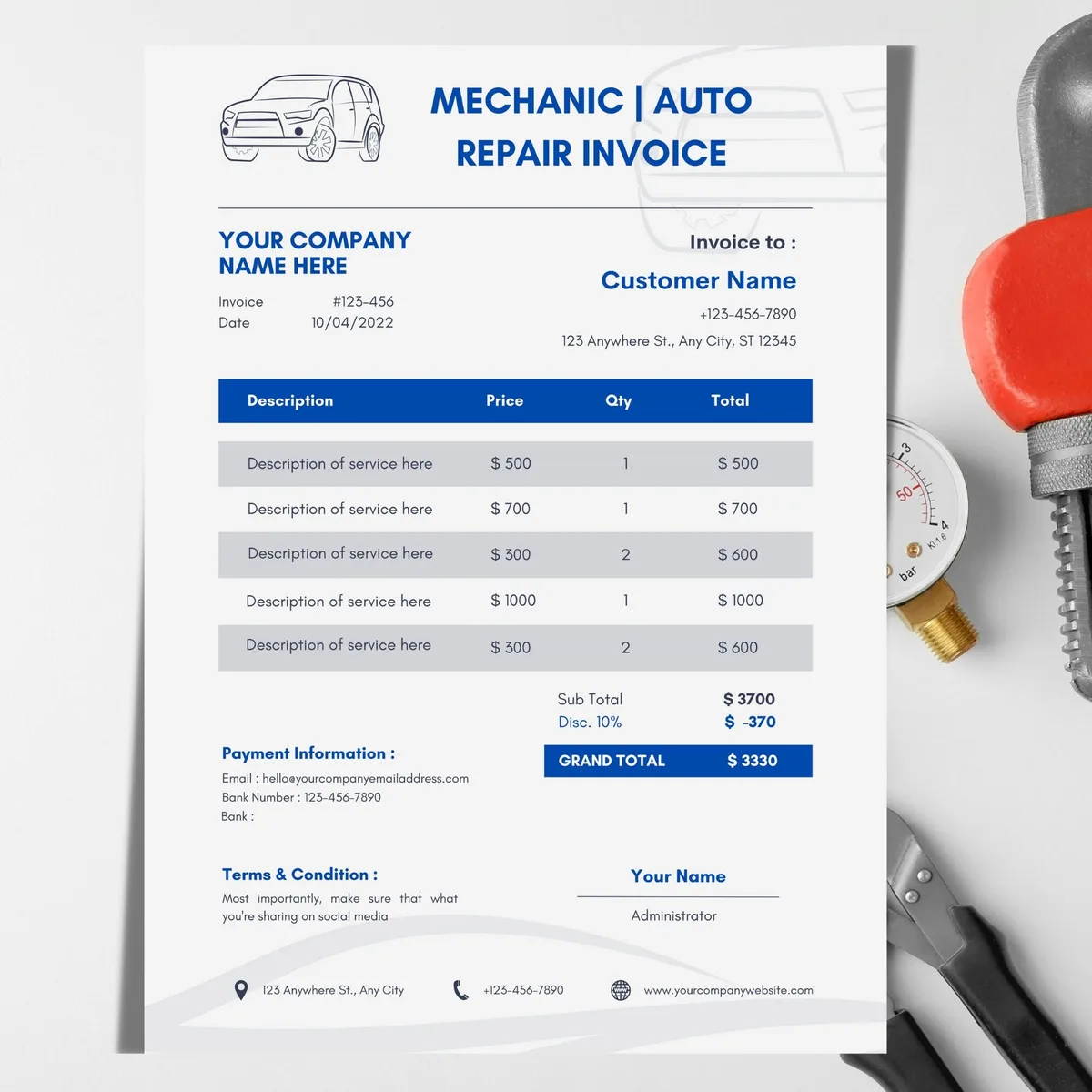
Keep every repair order and receipt. These documents are your proof if you need to file a claim. Without them, you’ll struggle to meet the legal burden of proof.
The 2 Ways Your Vehicle Qualifies for Protection
Indiana’s lemon law has two primary pathways to qualify:
Repair Attempt Threshold
Your vehicle qualifies if the manufacturer or dealer has attempted to repair the same defect 4 or more times. Each attempt must be documented, and the issue must persist after the final repair.
Days Out of Service Threshold
If your vehicle has been in the shop for 30 or more cumulative days for warranty repairs, it may qualify. This doesn’t have to be consecutive days, just the total time the vehicle was unavailable to you.
Step-by-Step: How to File a Lemon Law Claim in Indiana
Start by notifying the manufacturer in writing. Use certified mail to create a paper trail. This step is required before you can pursue legal action or arbitration.
Next, gather all your documentation. This includes:
- Purchase or lease agreement
- Repair orders and invoices
- Warranty information
- Any communication with the dealer or manufacturer

You can file a complaint with the Indiana Attorney General’s Office or through the manufacturer’s arbitration program. The Attorney General’s consumer protection division can guide you through the process and may intervene on your behalf.
What You’ll Get If You Win (Buyback vs. Replacement)
Winning a lemon law claim in Indiana means you get your money back or a new vehicle. The manufacturer must repurchase the defective car or replace it with an identical or comparable model.
A buyback includes the full purchase price, taxes, fees, and finance charges. They’ll subtract a mileage offset for the time you drove the car before the first repair attempt. Replacement means a new vehicle of the same make and model, or one of equal value.

The manufacturer also covers your attorney fees if you win in court. This makes legal action more feasible if arbitration fails.
Common Mistakes That Tank Lemon Law Claims
Waiting too long to act is the biggest mistake. The 18-month or 18,000-mile window is strict, and missing it voids your claim.
Not documenting repairs is another critical error. Without repair orders, you can’t prove the number of attempts or days out of service. Always get written confirmation for every visit.
Ignoring the written notice requirement can derail your case. You must notify the manufacturer in writing before filing a claim. Verbal complaints don’t count.
Indiana Lemon Law vs. Federal Law: Key Differences
Indiana’s law is more specific than the federal Magnuson-Moss Warranty Act. The state law focuses only on new vehicles and has clear thresholds for repair attempts and days out of service.
Federal law covers more products and doesn’t have a set number of repair attempts. It also allows for lawsuits based on breach of warranty. However, it’s often harder to prove a case under federal law alone.
Indiana’s law provides a clearer path to resolution for vehicle owners. It’s designed to be more consumer-friendly with defined criteria.
What to Do If the Manufacturer Pushes Back
Manufacturers may dispute whether the defect is substantial or covered under warranty. They might also argue that the repairs were adequate.
If this happens, request a final repair attempt in writing. This gives you another chance to document the issue. If they refuse, it strengthens your case.
You can also escalate to the Indiana Attorney General’s Office. They can mediate disputes and have authority to investigate unfair practices.
When to Hire a Lemon Law Attorney (And When You Don’t Need One)
Hire an attorney if the manufacturer denies your claim or drags out the process. A lawyer can navigate the legal system and negotiate on your behalf.
You may not need one if the manufacturer agrees to arbitration or a buyback early on. The Indiana Attorney General’s Office can also help without legal representation.
Many lemon law attorneys work on contingency. This means they only get paid if you win, taking a percentage of your settlement. Always confirm fees upfront.
Real-Life Example: A Successful Indiana Lemon Law Case
A 2023 Ford F-150 owner in Indianapolis documented 5 transmission repairs within 12 months. Each fix failed, leaving the truck undriveable for 35 cumulative days.
The owner sent a certified letter to Ford, then filed with the Indiana Attorney General. Ford settled with a full buyback, including taxes and fees, minus a small mileage offset.
This case shows how thorough documentation and persistence pay off. Without the repair records and written notice, the claim would have failed.
Frequently Asked Questions
Does Indiana’s lemon law cover leased vehicles?
Yes, if the lease is for a new vehicle and meets the same defect and repair thresholds. The lessee has the same rights as a buyer under Indiana law.
How long do I have to file a claim?
You must file within 18 months of delivery or 18,000 miles, whichever comes first. Missing this window means you lose protection.
What if the dealer says the repairs are normal?
If the same issue persists after 4 attempts or 30+ days out of service, it’s not normal. The law defines this as a lemon, regardless of the dealer’s opinion.
Can I still file if I didn’t use the dealer for all repairs?
No. All repairs must be done by authorized dealers or repair shops. Unauthorized repairs void your lemon law protection.
What defects don’t qualify?
Minor issues like paint scratches or radio malfunctions typically don’t count. The defect must substantially impair use, value, or safety.