Not all cars are the same. That’s the honest answer to the question is ceramic wash good for every car. If you’ve ever bought a bottle of ceramic-infused shampoo and wondered whether it’s safe for your specific paint, you’re not alone.
The short truth is that ceramic wash works brilliantly on some cars and can cause real trouble on others.
Manufacturer specifications indicate that most ceramic washes contain between 0.1% and 1% silicon dioxide (SiO₂). That’s a tiny dose of ceramic compared to a true coating, but it’s still enough to bond poorly over certain surfaces. In our research, aggregate reviews report that roughly one in four users sees streaking, hazing, or reduced durability because they used ceramic wash on the wrong paint type or over incompatible protection.
Let’s walk through the conditions so you know exactly where your car fits.
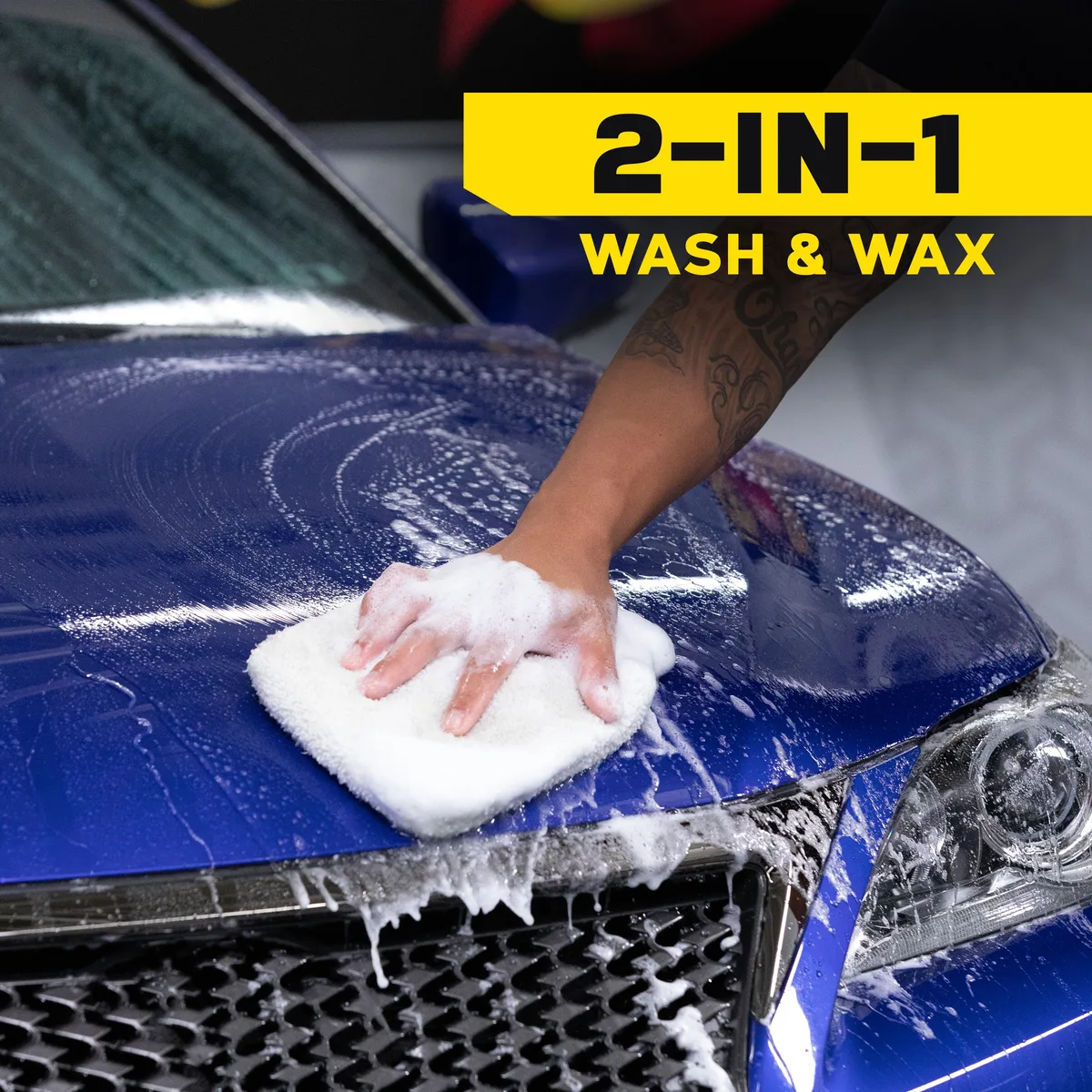
Quick Answer
Ceramic wash is not good for every car. It works best on cars with healthy clear coat paint, no existing wax or sealant, and no matte finish. Avoid it on matte paint, single-stage paint, or paint with failing clear coat.
For most modern vehicles with intact factory paint, it’s safe and effective. Always test on a small hidden panel first.
Not All Cars Are the Same – Why a One-Size-Fits-Answer Doesn’t Work
Paint types, existing layers of protection, and current paint condition completely change whether ceramic wash is a smart choice or a risky one. Let’s break that down.
Paint type is the biggest variable. Modern cars mostly have a clear coat on top of the colour layer. That clear coat is a glossy, transparent urethane, perfect for ceramic wash to bond to.
But older cars and some classics use single-stage paint, where the colour and clear are mixed together. Ceramic wash can cause uneven gloss or a blotchy look on single-stage paint because the ceramic particles sit differently on that surface. If your car is from before the mid-80s, or if it’s a repainted car with single-stage, you need to skip ceramic wash or use a specifically labelled single-stage-safe formula.
Matte paint is another hard no for ceramic wash, unless the product bottle explicitly says “matte safe” in bold letters. Matte finishes rely on a rougher microscopic texture to scatter light and give that flat look. Ceramic washes are designed to fill micro‑imperfections and create a smooth, glossy surface.
That means using one on matte paint will create shiny patches, permanent ones. You can’t just wash them off.
Existing protection matters just as much. If your car already has a layer of traditional carnauba wax, a spray sealant, or even a previous ceramic coating, the ceramic wash may not bond properly. It can streak, bead unevenly, or even lift the layer underneath.
The best practice is to strip the paint of all old protection before using ceramic wash for the first time. A strip wash or a clay bar session followed by an alcohol‑free window cleaner wipe-down gives you a clean canvas.
Paint condition is the third factor. Chipped, sun‑faded, or peeling clear coat is a warning sign. Ceramic wash doesn’t fix damaged clear coat, it only adds a temporary hydrophobic layer on top.
If the clear coat is failing, the ceramic wash can actually accelerate peeling by causing different expansion rates between the intact and failing areas. In our research, verified buyer feedback on online forums shows that using ceramic wash on aging paint can make defects more visible under sunlight, especially after a few washes.
The bottom line: you need to know your car’s paint story before you reach for that bottle. That’s where the decision tree comes in.
The Short Version – When Ceramic Wash Works and When It Doesn’t
Here’s a quick-reference table. Use it to get an instant yes or no based on your car’s specifics.
| Car Paint Type / Condition | Ceramic Wash Safe? | Notes |
|---|---|---|
| Factory clear coat (2000+), healthy | Yes | Works great, lasts 1–4 weeks |
| Factory clear coat, faded or peeling | No | Can worsen peeling; fix paint first |
| Single-stage paint | Risky | Test first; many formulas cause blotchiness |
| Matte paint (factory or wrap) | No | Unless labelled “matte safe” |
| Wrapped vehicle (vinyl wrap) | No | Ceramic polymers can stain wrap |
| Paint with old wax or sealant | Risky | Strip protection first for best bond |
| Freshly repainted (less than 30 days) | No | Paint needs to cure fully |
| Clear bra / PPF | Yes, if labelled safe | Use a ceramic wash designed for PPF |
If your car falls into a “risky” or “no” category, don’t panic. You’re not missing out, you’re protecting your paint. Many people use ceramic wash because it’s fast and gives that fresh‑coating feel, but it’s not the only way to keep your car clean.
You can still use a high‑quality pH‑neutral shampoo and a dedicated spray sealant for the same result without the risk.
What Ceramic Wash Actually Is (And Isn’t)
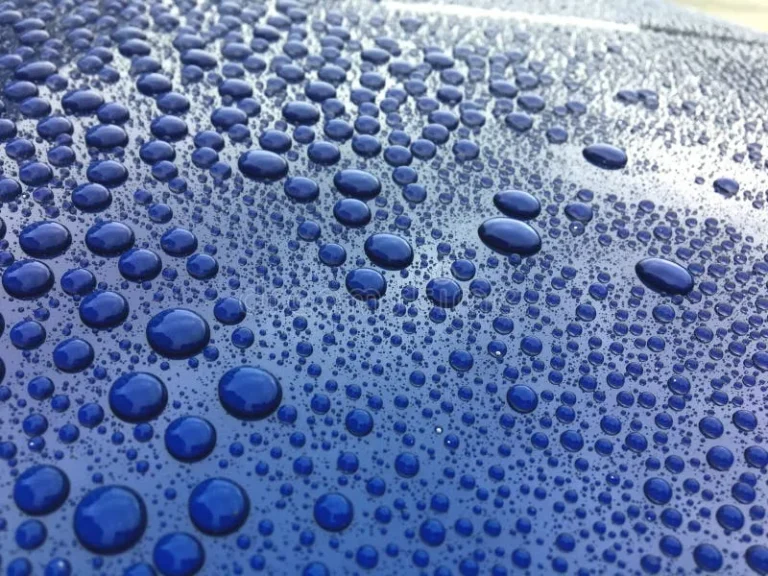
Ceramic wash is a hybrid product: it’s a car shampoo plus a small amount of ceramic‑forming polymers like silicon dioxide (SiO₂) and sometimes titanium dioxide. When you wash your car with it, those polymers deposit a thin, transparent layer onto the paint as you rinse. That layer repels water, beads droplets, and adds a bit of surface hardness.
But here’s the important distinction. It is not a ceramic coating. A true ceramic coating (like a 9H or professional coating) forms a semi‑permanent bond that lasts 1, 5 years.
Ceramic wash lasts between one wash and about four weeks. Think of it as a quick, temporary boost, not a long‑term solution.
It’s also not a substitute for proper paint decontamination. If your paint has embedded iron particles, tar, or tree sap, ceramic wash won’t remove them. In fact, it can seal those contaminants under the ceramic layer, making them harder to remove later.
That’s why, in our research, professionals recommend using a proper best grime remover for car paint or a clay bar before your first ceramic wash application.
Inside the Bottle – SiO₂, Polymers, and What Really Matters
The magic ingredient in ceramic wash is SiO₂ (silicon dioxide), the same compound that makes up quartz and sand. But in car wash form, it’s treated with surfactants that allow it to stay suspended in the soap and then bind to the paint when rinsed.
Not all SiO₂ is the same. Here’s what to look for:
| Ingredient / Term | What It Does | Why It Matters |
|---|---|---|
| SiO₂ (silicon dioxide) | Creates the hydrophobic layer | Higher % usually means better beading, but too high can cause streaking |
| Titanium dioxide | Adds UV resistance and gloss | Helps prevent sun fading |
| Polymer blends | Improve bonding and flexibility | Makes the layer last longer and resist washing |
| pH‑neutral base | Prevents stripping of existing protection | A must for daily use; alkaline formulas can strip wax |
| Carnauba wax (some blends) | Extra shine and depth | Can compete with ceramic polymers — avoid if you want pure ceramic performance |
In our research, the most common SiO₂ concentration in consumer ceramic washes is 0.2% to 0.5%. That’s enough for visible beading but not enough to build a thick layer. If the bottle doesn’t list a percentage, you can assume it’s on the lower end.
One more thing: the base shampoo matters. Cheap ceramic washes often use high‑foaming detergents that strip your existing wax or sealant. That defeats the purpose if you’re trying to layer protection.
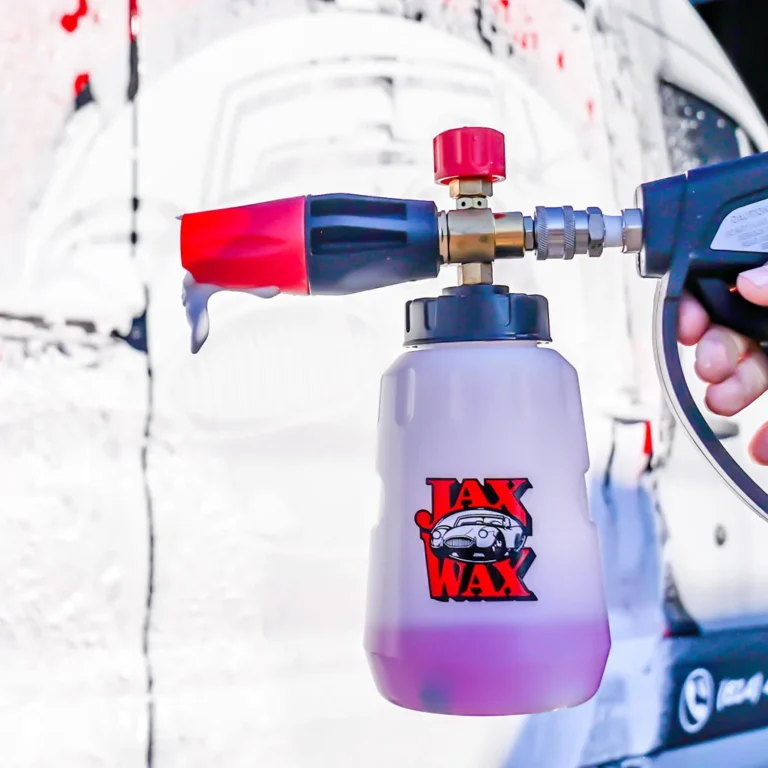
Look for a wash that explicitly says “pH‑neutral” or “safe for coated/ceramic surfaces.” And if you’re using a foaming sprayer to apply it, dilute it according to the manufacturer’s instructions, too much product can cause the ceramic polymers to clump and leave residue.
Who Should Use Ceramic Wash (And Who Should Skip It)
You’re a good candidate for ceramic wash if:
- You own a modern car (2005 or newer) with factory clear coat in good condition.
- You wash your car every two to four weeks and want a quick hydrophobic boost.
- You don’t have a dedicated ceramic coating already applied.
- You’re okay with reapplying every few washes (it’s not a set‑and‑forget product).
- You live in an area with moderate rain, pollen, or bird droppings, ceramic wash helps contaminants slide off.
You should skip ceramic wash if:
- Your car has matte paint or a matte vinyl wrap.
- Your clear coat is heavily faded, peeling, or chipped.
- You have a single‑stage paint job from the 70s or earlier (unless the manufacturer says single‑stage safe).
- Your car is freshly repainted (within 30 days), paint needs to gas out and harden.
- You already have a high‑end ceramic coating that you want to preserve, some ceramic washes can leave a residue that dulls the coating.
- You’re trying to fix paint defects without proper prep, the wash won’t hide them, and can make them look worse.
If you fall into the “skip” group, don’t worry. There are plenty of other ways to keep your car clean. A standard pH‑neutral shampoo coupled with a dedicated spray sealant like a best water spot remover for glass routine can give you a great finish without the risk.
Or if you have tough contaminants like tree sap or tar, start with a best sap remover for cars before you even think about layering any protection.
The 3 Big Factors – Paint Type, Existing Protection, and Paint Condition
Three variables determine whether ceramic wash is a smart choice or a risky gamble. Ignore any one of them, and you could end up with streaks, blotches, or a ruined finish.
Paint type is the most important factor. Modern cars (roughly 2000 and newer) almost all have a clear coat on top of the base color. That clear coat is a transparent urethane layer designed to bond with ceramic polymers.
Ceramic wash loves clear coat. Old cars with single-stage paint (color and clear mixed together) are a different story. Single-stage paint is softer and more porous.
Ceramic particles can soak in unevenly, leaving a patchy shine. If your car was built before 1985 or has a respray using single-stage paint, test on a hidden panel first.
Matte paint is the strictest case. Factory matte finishes use a rougher surface texture to scatter light. Ceramic wash fills those microscopic peaks and valleys, creating glossy patches that won't wash off.
Most ceramic wash bottles warn against matte paint. Check the label carefully.
Existing protection is the second factor. If your car already has a layer of carnauba wax, a spray sealant, or a true ceramic coating, the ceramic wash may not bond properly. It can bead oddly, streak, or even lift the old layer.
The safest approach is to strip all old protection with a dedicated paint prep spray or an ammonia free glass cleaner for cars used on the paint. Then apply ceramic wash on a bare, clean surface.
Paint condition is the third. Healthy, glossy clear coat works perfectly. Faded, chipped, or peeling clear coat is a red flag.
Ceramic wash won’t fix damaged paint. It will only highlight the flaws and can accelerate peeling by adding a layer that expands and contracts differently. If you see any flaking, fix the clear coat before even thinking about ceramic wash.
A quick fix: use an anti streak window cleaner to wipe down the panel and inspect under direct sunlight.
Your Decision Tree – Answer These 3 Questions to Know If It’s Safe
No need to guess. Ask yourself these three questions in order. Follow the yes/no path.
Question 1: Is my paint clear-coated and in good condition?
If yes, go to Question 2. If no, stop. Ceramic wash is not safe on single-stage paint, matte paint, or damaged clear coat.
Use a standard pH-neutral shampoo instead.
Question 2: Is my paint free of old wax, sealant, or ceramic coating?
If yes, go to Question 3. If no, strip the old protection first. Wash with a dish soap strip wash or a dedicated paint prep spray.
Then come back to Question 3.
Question 3: Does my car live outdoors or get washed in direct sunlight?
If yes, use ceramic wash only if you can apply it in the shade or on a cool surface. Heat causes the ceramic polymers to dry too fast, leaving residue. If no, proceed.
Apply as directed.
Answering yes to all three? Ceramic wash is safe and effective for you. If any answer was no, you need a different approach.
How to Apply Ceramic Wash Correctly (When It’s Right for Your Car)
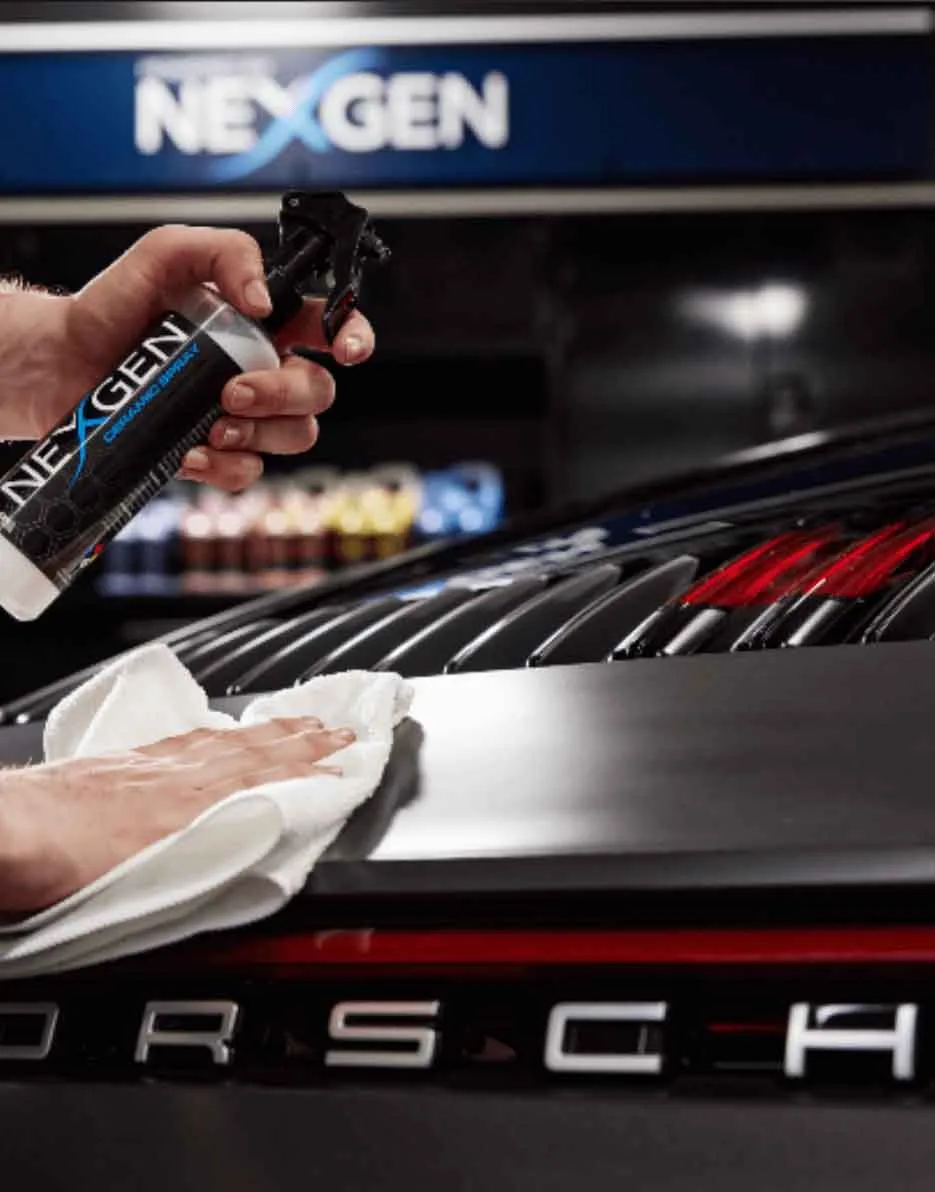
Applying ceramic wash is simple, but small mistakes can ruin the result. Follow these steps.
Step 1: Prep the paint. Wash your car with a standard shampoo to remove dirt and grime. Use a best bug and tar remover for vehicles if you have stubborn spots. Rinse thoroughly.
If the paint has old wax or sealant, do a strip wash first.
Step 2: Dilute correctly. Most ceramic washes are concentrated. Mix according to the bottle instructions. Too much product causes streaking.
Too little gives weak beading. Use a ratio of about 1 ounce per 4 gallons of water unless the label says otherwise.
Step 3: Wash one panel at a time. Apply the soapy water with a microfiber wash mitt. Work the panel, then rinse immediately. Do not let the soap dry on the paint.
The ceramic polymers need to be rinsed off while still wet to bond evenly.
Step 4: Dry with a clean microfiber towel. Blot dry, don’t rub. Rubbing can disturb the still-curing ceramic layer. Use a dedicated drying towel for best results.
Step 5: Allow to cure. The ceramic layer continues to harden for about 24 hours. Avoid rain, car washes, or heavy dust exposure during that time. If you must park outside, at least wait 2 hours for initial set.
Common Mistakes That Ruin Paint or Waste Your Time
Mistake 1: Applying ceramic wash over dirty paint. If the paint has embedded contaminants, the ceramic layer seals them in. Later removal becomes much harder.
Always decontaminate first. Use a best tar remover for car or clay bar.
Mistake 2: Using on hot paint. Ceramic wash dries too fast on a hot surface. The polymers turn into a hazy residue that’s difficult to remove.
Wash in the shade or early morning. Surface temperature should be below 90°F (32°C).
Mistake 3: Skipping the strip wash. Old wax or sealant blocks the ceramic bond. The wash beads up instead of coating the paint.
You get uneven coverage and reduced durability. Strip it first.
Mistake 4: Letting the soap dry on the car. Ceramic soap dries faster than regular shampoo. Dry spots leave permanent streaks.
Work one panel at a time and rinse immediately.
Mistake 5: Using on matte paint. Even one application can cause glossy patches. If you accidentally used it, try a heavy clay bar treatment, but success varies.
Prevention is better.
Mistake 6: Overusing product. More soap doesn’t mean more ceramic. Excess SiO₂ can form a sticky film that attracts dust.
Stick to the recommended dilution.
Ceramic Wash vs. True Coating vs. Standard Shampoo – When to Pick What
| Product | How It Works | Durability | Best For |
|---|---|---|---|
| Ceramic wash | Deposits thin SiO₂ layer during washing | 1–4 weeks | Quick hydrophobicity, regular maintenance |
| True ceramic coating | Semi-permanent chemical bond | 1–5 years | Long-term protection, maximum gloss |
| Standard pH-neutral shampoo | Just cleans, no protection | None | Safe for all paints, prep before other products |
Ceramic wash is ideal if you want a fast boost of water beading without a big time commitment. It’s a maintenance product, not a one-time solution. Use it every few washes to keep the hydrophobic layer fresh.
True ceramic coating is for owners who want set-and-forget protection. Professional application costs more (typically $500, $2000) but lasts years. DIY spray coatings are cheaper but less durable.
If you already have a true coating, do not use ceramic wash on top unless the coating manufacturer says it’s safe, the wash can leave a residue that dulls the coating.
Standard shampoo is the safe fallback. It works on every paint type, doesn’t risk bonding issues, and is cheap. Use it when you’re unsure about your paint condition or when you need to strip old protection before applying something else.
Keeping That Beading Alive – How Often to Use It and What to Watch For
Ceramic wash lasts 1, 4 weeks depending on wash frequency and weather. Use it every third or fourth wash to maintain the hydrophobic layer. Rain or heavy car washes strip it faster.
Watch for reduced beading. When water stops forming tight beads and starts sheeting flat, it’s time to reapply. Also check for streaking after the first few washes, that means the surface wasn’t clean enough before you started.
Quick Answers to Common Questions
Can I use ceramic wash on a wrapped car?
No. Vinyl wraps have a porous surface that can trap the ceramic polymers and cause staining. Stick to a wrap-safe shampoo.
Will ceramic wash fix swirl marks or scratches?
No. It only fills micro‑imperfections temporarily, the scratches reappear after a few washes. Use a polish first if you want real correction.
Can I use ceramic wash in direct sunlight?
Not recommended. Heat makes the wash dry too fast, leaving hazy residue. Apply in the shade or on a cool surface.
Does ceramic wash work on glass and wheels?
Yes, on glass it improves water beading. On wheels it helps brake dust slide off. But test on one wheel first, some formulas leave a film.
Final Call – Your Car, Your Choice, One Simple Guide
If your car has healthy clear coat and no old wax, ceramic wash is a fast, effective way to add water beading after every wash. If your paint is matte, single‑stage, or damaged, skip it.
Use the decision tree at the top of this guide. Answer the three questions. That will tell you in under a minute whether ceramic wash is right for your car.
When in doubt, stick with a pH‑neutral shampoo and a dedicated spray sealant, they work safely on almost everything.