You walk out to your driveway. The car is covered in dust, pollen, and maybe a few dried-up bug splatters from last weekend's highway drive. You grab the hose, twist the nozzle, and start spraying.
The water hits the paint. A lot of that dirt stays right where it is. That's the moment most people realize a standard hose nozzle is not the same thing as a purpose-built home car wash water gun.
And that realization is exactly where this guide starts.
The gap between a basic garden nozzle and a proper car wash gun is bigger than most people assume. A typical hose nozzle delivers somewhere between 40 and 80 PSI at the tip. A dedicated pressure washer gun system, by contrast, operates in the 1800 to 2500 PSI range for residential electric units.
That difference is the difference between wetting a surface and actually cleaning it. As of 2026, the market offers more options than ever, but picking the wrong one can waste your time, your water, and in the worst case, your paint. Let's sort out which gun makes sense for you.
Quick Answer
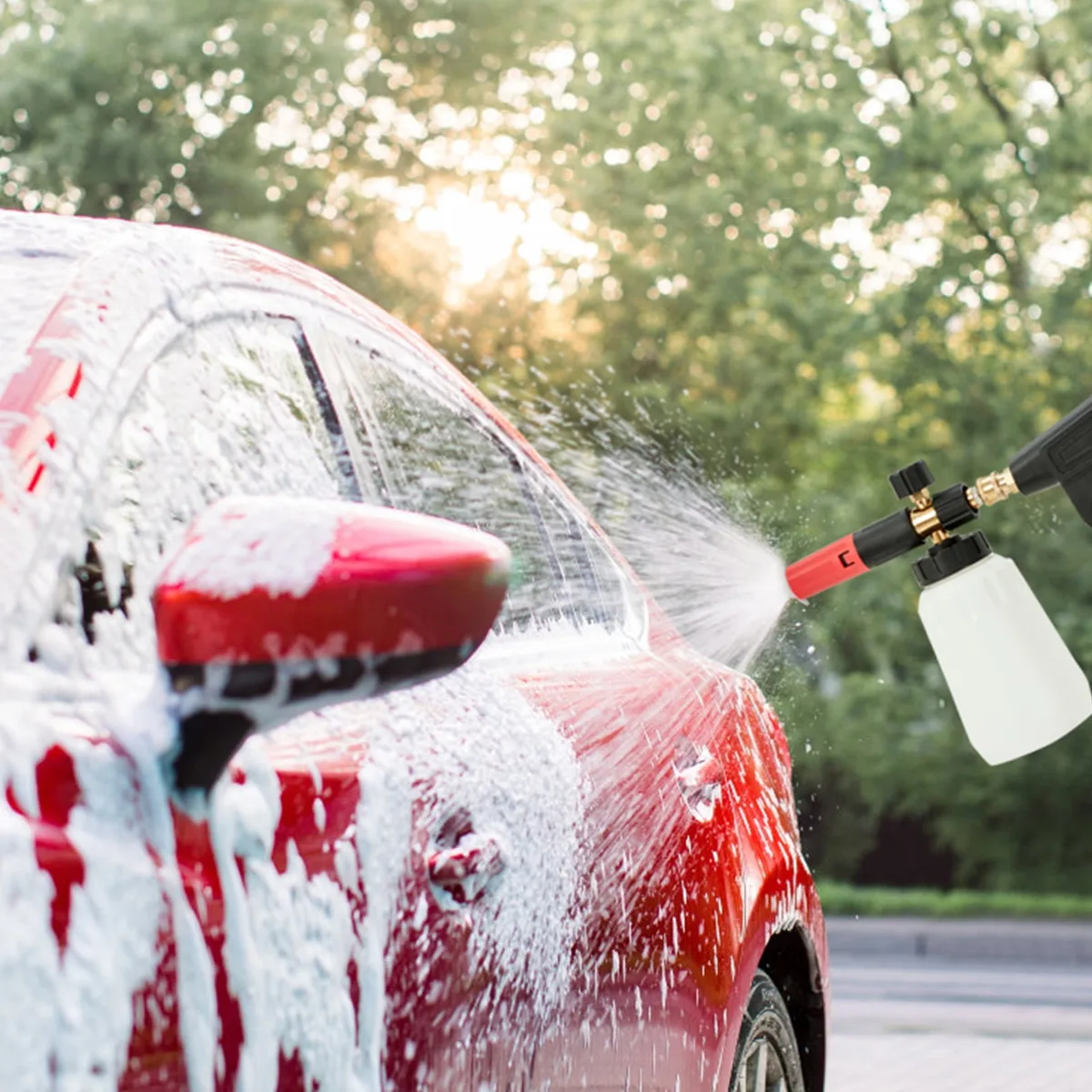
A home car wash water gun comes in two basic types. A pressure washer gun uses high pressure to blast away dirt. A garden hose nozzle relies on water volume instead.
For weekly washes, a pressure washer gun with a foam cannon produces better results. For quick rinses between washes, a good garden hose nozzle is enough. Match the tool to your wash routine, not the other way around.
Why This Comparison Matters – Not All Water Guns Wash the Same
Most people grab whatever nozzle is sitting on the hose spigot and assume it's fine for car washing. It's not. The physics are different, and the results show it.
A standard garden hose nozzle forces water through a small opening to create velocity. That works for watering plants or spraying down a muddy sidewalk. But on a car's paint, the water pressure is too low to dislodge bonded contaminants like tree sap, road film, or bug residue.
You end up scrubbing harder to compensate. More scrubbing means more friction on the paint. More friction means more micro-scratches and swirl marks.
That dull, hazy look after a few years of hand-washing is often the result.
A pressure washer gun works differently. It uses a motor-driven pump to compress water far beyond what your household plumbing can deliver. The spray exits the nozzle at a much higher velocity.
That pressurized water does the physical work of lifting dirt off the surface before your sponge or mitt ever touches it. This is called the "lift and rinse" principle, and it's the foundation of safe car washing.
The distinction matters because the two tools serve different phases of the wash process. A pressure washer gun excels at the initial rinse, the foam application, and the final rinse. A garden hose nozzle is better suited for spot rinsing or knocking off loose dust between full washes.
Trying to use one for everything usually means compromising somewhere.
Our research shows that people who switch from a standard hose nozzle to a purpose-built car wash gun report two consistent improvements. First, they use less water per wash. Second, they see fewer swirl marks developing over time.
Those are measurable benefits that come from understanding what each tool is designed to do.
The Two Main Families: Pressure Washer Guns vs. Garden Hose Nozzles
If you start looking at car wash guns online, you'll quickly notice the options split into two camps. Understanding which camp you belong in depends on what equipment you already have and how much effort you want to put into each wash.
How a Pressure Washer Gun Works (and What It Needs)
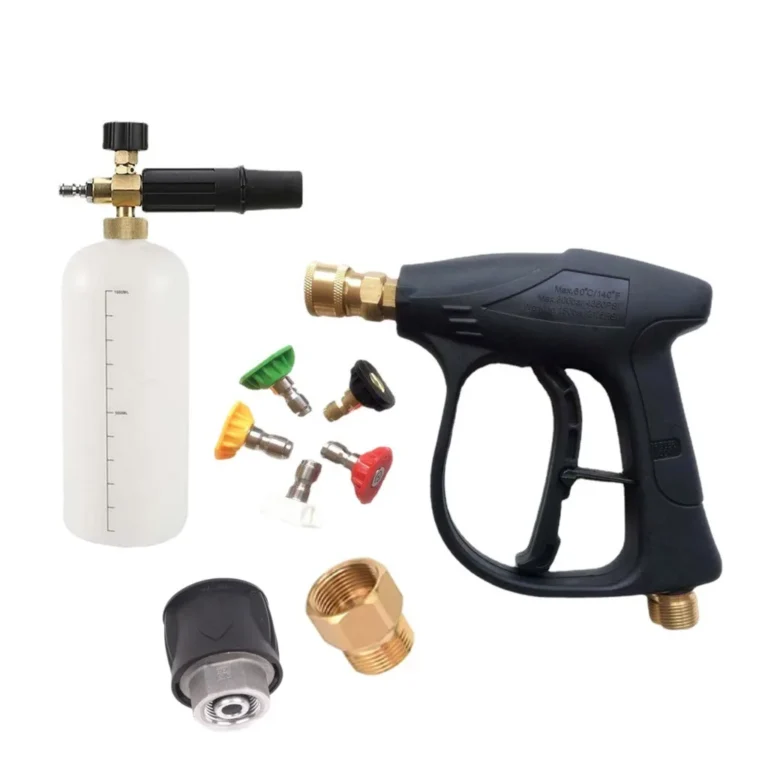
A pressure washer gun is the trigger assembly and wand that attaches to the hose coming out of a pressure washer unit. It does not work by itself. You need the pressure washer machine, a garden hose to feed it, and usually a quick-connect fitting to swap nozzles or attachments.
The gun itself is the control center. It regulates whether water flows or stops. It also determines the spray pattern based on the nozzle tip you attach.
Most consumer pressure washer guns use a standard set of color-coded nozzle tips. Red for a pinpoint stream. Yellow for a narrow fan.
Green for a medium fan. White for a wide fan. Black for applying detergent at low pressure.
The pressure washer unit does the heavy lifting. Electric models typically produce 1800 to 2500 PSI at 1.2 to 1.6 GPM. Gas-powered units push 2700 to 3500 PSI at higher flow rates.
That extra force is useful for heavy dirt but carries more risk to car paint if you hold the nozzle too close or use the wrong tip.
Manufacturer specifications indicate that the optimum distance for rinsing car paint is 12 to 18 inches from the surface. Closer than that and you risk etching the clear coat. Farther away and you lose cleaning effectiveness.
That's a narrow window compared to a garden hose nozzle which has almost no risk of paint damage.
How a Garden Hose Nozzle Works (No Machine Required)
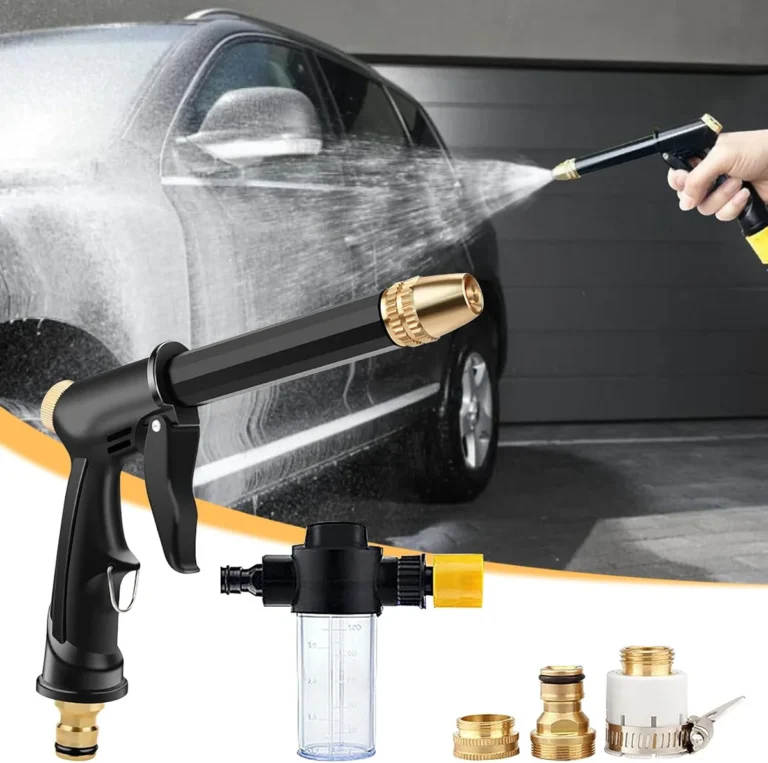
A garden hose nozzle is a standalone tool. You screw it directly onto your garden hose, turn on the spigot, and start spraying. There is no motor, no pump, and no electricity involved.
The pressure you get is whatever your municipal water system delivers, typically 40 to 80 PSI at the tap, less by the time it reaches the nozzle.
Good garden hose nozzles designed for car washing use a venturi effect or a throttled flow to increase the water velocity at the tip. This creates a higher-impact spray than a basic nozzle, but it is still a fraction of what a pressure washer can deliver. What you gain is simplicity.
There is no machine to store, no oil to change, no extension cord to run.
The tradeoff is that a hose nozzle cannot generate enough pressure to "lift" dirt effectively. It relies on water volume and chemical action from car wash soap to loosen contaminants. That works, but it places more responsibility on the soap and your contact wash technique.
If you are willing to use a two-bucket method with a quality microfiber mitt, a garden hose nozzle can still produce excellent results. It just requires more physical effort and more time per wash.
Aggregate reviews of car-specific garden hose nozzles consistently highlight one thing. The best ones use solid brass or stainless steel internals. Plastic nozzles wear out quickly and develop drips or uneven spray patterns within a few months of regular use.
Foam Cannon vs. Foam Sprayer – More Than Just Bubbles
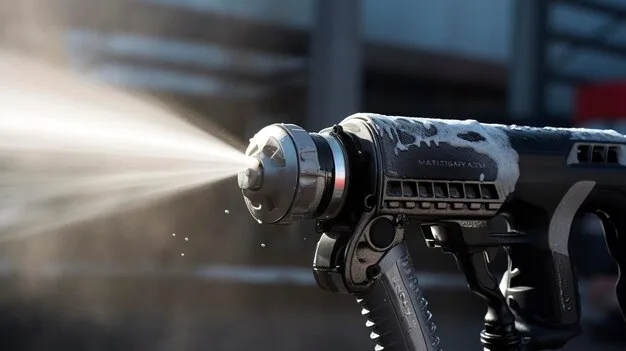
If you spend any time in car detailing forums or watch YouTube wash videos, you see the foam cannon everywhere. Thick white foam cascading down the side of a car. It looks like a car wash commercial.
But not everyone realizes that a foam cannon and a foam sprayer are different tools that produce very different results.
What a Foam Cannon Actually Does (Thick, Dwell-Time Foam)
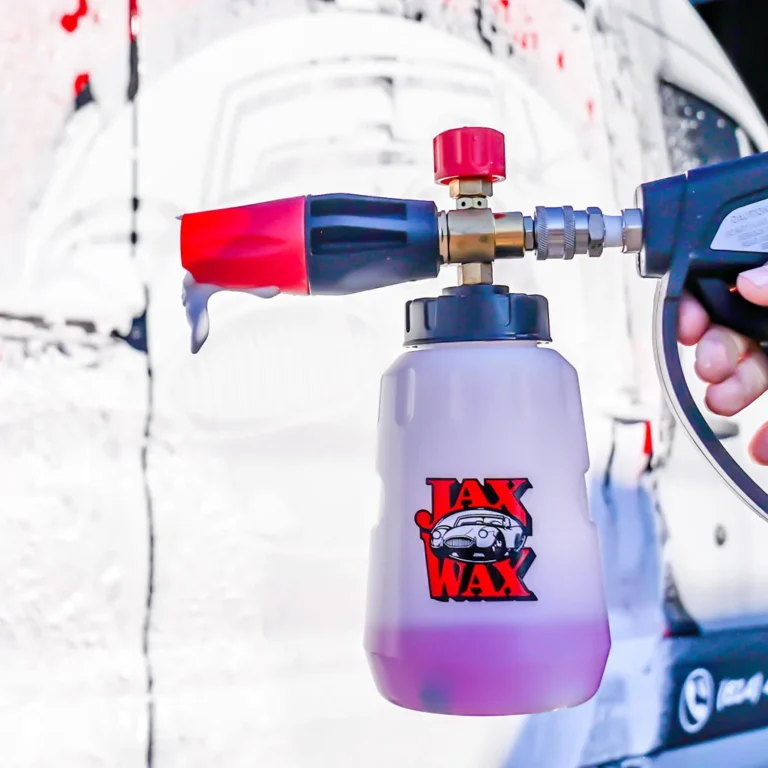
A foam cannon is an attachment that connects between your pressure washer gun and the pressure washer outlet. It has a reservoir bottle, usually 32 to 48 ounces, and a dial that lets you adjust the soap-to-water ratio. When you pull the trigger, pressurized water passes through a venturi inside the cannon, drawing soap concentrate from the bottle and mixing it with air.
The result is a thick, clinging foam that stays on the paint for five to ten minutes.
That dwell time is critical. The foam chemically breaks down road grime, bird droppings, bug residue, and light oxidation. When you rinse it off, the contaminants go with it.
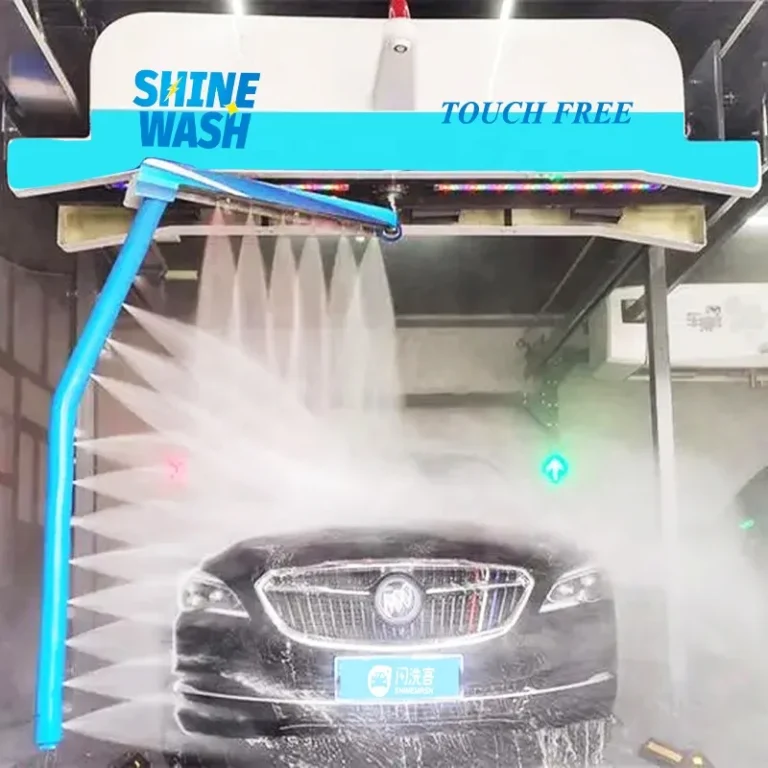
This is the "touchless" part of a touchless wash. A proper foam cannon application can remove enough dirt that your contact wash step becomes more of a gentle pass than a scrubbing session.
The foam cannon requires a pressure washer to function. Without the high-pressure water flow, the venturi cannot generate the suction needed to create thick foam. Trying to use a foam cannon on a standard garden hose produces thin, watery soap that runs off the paint in seconds.
That defeats the purpose.
What a Hose-End Foam Sprayer Does (Thin, Quick Coat)
A foam sprayer is a simpler device. It screws directly onto your garden hose. Inside the sprayer, a siphon tube draws soap from a built-in reservoir, and the water passing over the opening creates a low-pressure suction that mixes and sprays the solution onto the car.
The foam from a hose-end sprayer is noticeably thinner. It does not cling the same way. It tends to sheet off the paint within 30 seconds to a minute.
That is not enough dwell time to break down bonded contaminants effectively. You are essentially applying a soapy rinse, not a foam pretreatment.
That said, hose-end sprayers have a place. They are fast to set up and require zero electricity or machinery. If you are doing a quick wash on a lightly dirty car, a hose-end sprayer is more convenient than dragging out a pressure washer and foam cannon.
The key is matching the tool to the type of cleaning you need. Heavy dirt calls for the cannon. Light maintenance calls for the sprayer.
Side-by-Side Comparison: Pressure Washer Gun vs. Hose Nozzle
| Feature | Pressure Washer Gun | Garden Hose Nozzle |
|---|---|---|
| Cleaning Power | 1800 to 2500 PSI (electric), up to 3500 PSI (gas) | 40 to 80 PSI (household water pressure) |
| Foam Quality | Thick, long-dwell foam with a foam cannon | Thin, quick-sheet foam with a hose-end sprayer |
| Paint Safety | Moderate risk if used too close or with wrong tip | Very low risk; almost no chance of paint damage |
| Setup Time | 5 to 10 minutes (connect hose, power, attach gun) | 30 seconds (screw onto hose, turn on water) |
| Water Use | 1.2 to 1.6 GPM; roughly 15 to 25 gallons per wash | 5 to 10 GPM; roughly 60 to 100 gallons per wash |
| Price | $80 to $300 for pressure washer + gun; $30 to $80 for gun alone | $10 to $40 for a quality car-specific nozzle |
The water use difference alone is worth noting. A pressure washer gun uses less water per minute because the pump restricts flow. A garden hose nozzle with no restrictor can dump five times that volume on the ground.
Over a full wash, that adds up to significant water savings with the pressure washer system.
Best for Each Use Case – Who Should Buy What
There is no universal best home car wash water gun. The right choice depends entirely on your situation. Let's break it down by the most common scenarios.
The Weekly Family Car Wash
If you wash one or two cars every weekend, a pressure washer gun with a foam cannon is the most efficient route. The investment pays off over time. You use less water, you spend less time scrubbing, and your paint stays cleaner between washes.
Look for an electric pressure washer in the 1900 to 2200 PSI range. Pair it with a pressure washer gun that uses standard 1/4-inch quick-connect fittings. That gives you the flexibility to swap in a foam cannon or a turbo nozzle later.
The Weekend Detailer Who Wants Showroom Shine
If you take car care seriously, skip the consumer-grade gun and upgrade to a brass-bodied trigger gun. Pro-grade models from manufacturers like MTM Hydro use all-metal internals and Viton O-rings that resist chemical damage from strong soaps and wheel cleaners. The trigger pull is lighter, which reduces hand fatigue during longer washes.
Pair this with a dedicated foam cannon that has an adjustable dilution knob. That lets you fine-tune the soap concentration for different parts of the wash cycle. For more on how foam generation works at a mechanical level, our detailed breakdown on how a foaming sprayer works covers the internal flow dynamics.
The Apartment Dweller or Budget-Only Option
No outdoor spigot. No garage. No budget for a pressure washer.
In this case, a high-quality garden hose nozzle is your best bet. Look for one with a rubberized grip, a brass body, and at least five spray patterns. Use it with a quick-connect system so you can swap between a regular spray and a hose-end foam sprayer without threading and unthreading.
It is not as fast as a pressure washer setup, but it gets the job done with minimal investment.
The Truck, RV, or Boat Owner
Large vehicles need more flow. A gas-powered pressure washer in the 3000 to 3500 PSI range with a high-flow trigger gun keeps the wash moving efficiently. The extra GPM prevents the water from running out before you finish rinsing the roof.
A high-capacity foam cannon, 48 ounces or more, ensures you do not have to refill halfway through the soap pass. If you also need to clean tires and wheels frequently, check our guide on the best tar remover for wheels to keep brake dust and road grime under control.
Common Mistakes That Cost You Time or Your Paint
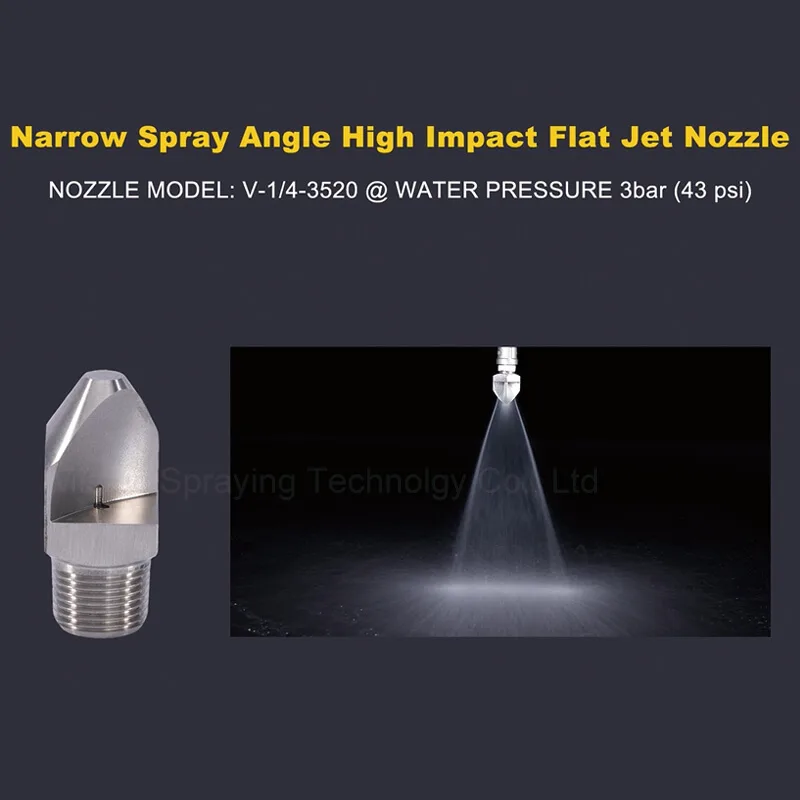
A pressure washer gun delivers serious force. That same force can damage your clear coat if you misuse it.
The most common mistake is holding the nozzle too close. At under six inches, even a 40-degree tip can strip paint. Always keep the tip 12 to 18 inches away from the surface.
Move the stream constantly. Never pause on one spot.
The second mistake is letting foam dry on the paint. Sunlight and heat cause soap to dry into a crust. That crust can etch the clear coat.
Apply foam in the shade or on a cool surface. Rinse before the foam becomes tacky.
Another frequent error is forgetting to flush the gun after use. Soap residue dries inside the nozzle. Hard water minerals build up inside the fitting, slowing the spray pattern.
Rinse the gun with clean water for 30 seconds after every wash. For more on safe paint cleaning, see our guide on the best grime remover for car paint.
Costs, Specs, and What to Look For
Prices vary widely. You can spend $10 on a basic hose nozzle or $300 on a complete pressure washer setup. The right choice depends on how often you wash and what your paint needs.
A quality garden hose nozzle costs $15 to $40. Look for brass or stainless steel construction. Avoid all-plastic bodies.
They crack or leak within months.
A pressure washer gun alone costs $30 to $80. Pro-grade brass models with Viton O-rings run $60 to $120. If you already own a pressure washer, upgrading the gun is the single best improvement you can make.
The factory gun often has a stiff trigger and poor ergonomics.
A complete electric pressure washer with gun and foam cannon runs $100 to $250 for a reliable unit at 1900 to 2200 PSI. Gas units push $300 to $600. For most home car washing, an electric unit in the 2000 PSI range is plenty.
The best bug and tar remover for vehicles works better when applied with a low-pressure foam pass rather than a high-pressure spray.
Pro Tips – Get Better Results Without Spending More
You do not need to spend extra to get professional-level results. Small technique changes make a big difference.
First, pre-wet the car before applying foam. Dry paint absorbs soap unevenly. A quick rinse with the wide fan setting helps the foam cling more uniformly.
Second, use the correct dilution ratio for your foam cannon. Most car wash soaps recommend 1 to 2 ounces per 32 ounces of water. Too much soap creates excess suds that rinse poorly.
Too little soap provides no dwell time.
Third, rinse from the top down. Start on the roof and work your way down to the rocker panels. That keeps dirty water from running over already clean surfaces.
Fourth, invest in a quick-connect kit. A set of brass quick-connect couplers costs about $15. It lets you swap between a foam cannon, a turbo nozzle, and a regular pressure washer gun in seconds.
That convenience encourages you to use the right tool for each step.
For paint that still shows water spots after rinsing, our best water spot remover for glass handles windshield streaks in seconds.
Frequently Asked Questions
Can I use a foam cannon on a regular garden hose?
No. A foam cannon requires the high-pressure flow from a pressure washer to create thick foam. On a garden hose, the venturi cannot pull enough soap concentrate.
You get watery suds that run off immediately. Use a hose-end foam sprayer instead.
Will a pressure washer gun damage my car's clear coat?
It can if used incorrectly. Hold the nozzle at least 12 inches from the paint. Use a 40-degree or 60-degree fan tip, never a pinpoint stream.
Keep the gun moving. Never stop and spray one spot. Follow those rules and the risk is very low.
What's the difference between a foam lance and a foam gun?
They are the same thing. Both terms refer to the attachment that connects to a pressure washer gun to produce thick foam. "Lance" is more common in European markets.
"Cannon" is the usual term in North America. Functionally identical.
How often should I clean the nozzle on my pressure washer gun?
After every use. Run clean water through the gun for 30 seconds to flush out soap and dirt. Once a month, soak the nozzle tip in a vinegar solution to dissolve mineral deposits.
Clogged nozzles reduce pressure and create uneven spray patterns.
Is a gas pressure washer better than an electric one for car washing?
Not necessarily. Electric units at 2000 PSI are quiet, lightweight, and require no maintenance beyond cleaning. Gas units offer higher pressure and flow but are louder, heavier, and need oil changes.
For weekly car washing, an electric unit is usually the better choice. Gas makes sense for heavy equipment or large vehicles.
Final Verdict – Which Water Gun Should You Buy?
If you wash your car regularly and want to preserve the paint, buy a pressure washer gun with a foam cannon. The combination of lift, dwell, and gentle rinse produces the cleanest results with the least risk of swirl marks.
If you wash infrequently or lack access to power and water hookups, a quality garden hose nozzle works well enough. Pair it with a hose-end foam sprayer and a two-bucket method for acceptable results.
If you fall in between, start with an electric pressure washer in the 2000 PSI range. Replace the factory gun with a brass trigger gun. Add a foam cannon.
That setup handles weekly washes for most sedans, SUVs, and trucks.
The best home car wash water gun is the one you will actually use. A $10 nozzle that gets used every week delivers better paint care than a $300 setup sitting in the garage. Pick the tool that matches your routine.
The rest falls into place. For persistent tar and sap after washing, our best bug and tar remover spray for cars handles the tough spots without extra scrubbing.