You’re standing at the car wash counter, staring at the $40 upsell for "ceramic wax" and wondering if it’s just a fancy name for overpriced snake oil. So is ceramic wax at car wash worth it? The short answer is it depends on what you expect, it’s not the miracle shield some claim, but it can add a few weeks of extra shine and water beading if applied right.
Manufacturer specs for these spray-on products typically promise 2-3 months of protection, though real-world results often fall short.
Aggregate reviews report most users see noticeable water repellency for about 4-6 weeks, which makes it a decent quick fix for drivers who don’t have time for a full detail. But before you say yes, let’s break down what you’re actually getting.
Quick Answer
Is ceramic wax at car wash worth it? It’s a short-term gloss booster, not a long-term shield.
It lasts 4-8 weeks in most cases. Expect water beading and easier cleaning. It won’t prevent scratches or last like pro ceramic coating.
What Ceramic Wax Actually Is (vs. What They Sell You)
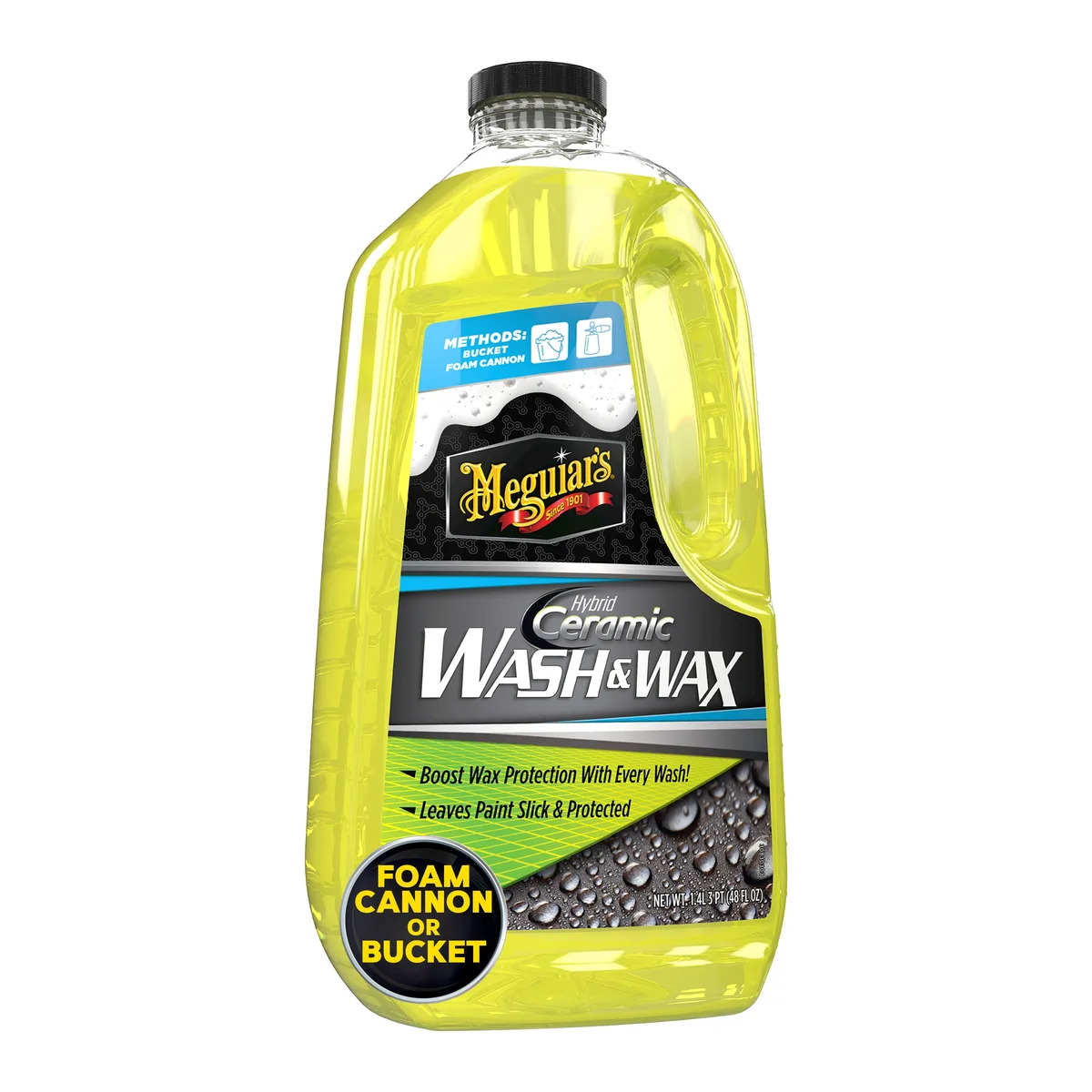
Ceramic wax is a silica-based spray sealant, not a true ceramic coating. The name is marketing, these products contain SiO2 (silicon dioxide) polymers that bond to paint, but they lack the thickness and durability of professional ceramic coatings.
Car wash versions are typically diluted for quick application, which means less active ingredient per spray. Traditional carnauba wax gives deeper shine but fades in weeks, while real ceramic coatings (like those from Gyeon or Ceramic Pro) require paint correction and last years.
How Car Wash Ceramic Wax Works
The process is simple: after washing, the spray is applied to wet paint, then either rinsed off or buffed in. The silica particles fill microscopic imperfections and create a hydrophobic layer.
This layer causes water to bead up and roll off, taking dirt with it. However, the bond is weak compared to cured ceramic coatings, so it washes away faster. Most car wash versions skip the curing step entirely, which shortens longevity.
The Real Pros of Getting It at the Wash
It’s fast, added during your wash in under 10 minutes. You’ll notice immediate water beading and a slight gloss boost.
For drivers who don’t detail their cars, it’s an easy way to get some protection between full waxes. It’s also cheaper than a professional ceramic coating, which can cost $500, $2000.
As of 2026, most car washes charge $20, $50 for this add-on, making it accessible for budget-conscious owners.
The Downsides No One Tells You Upfront
It doesn’t last. Most users report the effects fading after 4, 6 weeks, especially if the car is parked outside or driven daily.
Inconsistent application is another issue, car wash attendants may rush the process, leading to streaks or missed spots. It also won’t fix existing swirl marks or oxidation; it might temporarily hide them with fillers.
For vehicles with clear coat damage, the wax may not bond properly, reducing effectiveness even further.
Ceramic Wax vs. Traditional Wax vs. Real Ceramic Coating
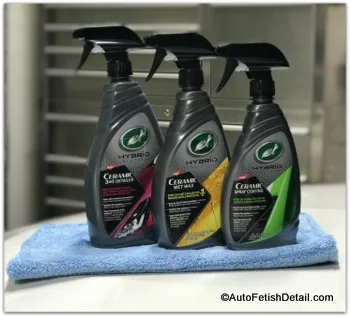
Ceramic wax is a middle ground between traditional wax and professional ceramic coating. Traditional carnauba wax offers deep shine but lasts only 4-8 weeks. Real ceramic coatings bond to paint at a molecular level and last 2-5 years.
Here’s how they compare:
| Feature | Traditional Wax | Ceramic Wax (Spray) | Professional Ceramic Coating |
|---|---|---|---|
| Durability | 4-8 weeks | 4-8 weeks | 2-5 years |
| Application | Paste/liquid, buff by hand | Spray-on, rinse or buff | Multi-step, requires paint prep |
| Cost | $10-$30 per application | $20-$50 per application | $500-$2000 |
| Hydrophobicity | Moderate | High | Very high |
| Scratch Resistance | Minimal | Minimal | Moderate |
| UV Protection | Basic | Moderate | Strong |
Ceramic wax gives you the water beading of a coating without the commitment. But it lacks the longevity and durability of the real thing.
Who It’s Actually Good For (and Who Should Skip It)
This is ideal for drivers who want a quick shine boost without the hassle of DIY detailing. It’s also a good option for those who wash their car frequently and want to maintain some level of protection between full details.
Skip it if you expect long-term protection or have a high-end car that deserves professional care. It’s also not worth it if your paint is already damaged or oxidized, as the wax won’t bond properly.
For daily drivers in harsh climates, it’s a decent temporary solution. But for show cars or vehicles with premium paint jobs, invest in a real ceramic coating instead.
Cost Breakdown: Car Wash Add-On vs. DIY
A car wash ceramic wax add-on typically costs $20-$50 per application. DIY ceramic spray wax kits run $15-$30 and cover multiple applications.
Here’s the math: if you get the car wash version twice a year, you’re spending $40-$100. A DIY kit can last for 4-6 applications, bringing the cost per use down to $3-$7.
The trade-off is convenience. The car wash does it for you in minutes, while DIY requires your own time and effort.
How Long It Lasts (and When You’ll Need to Reapply)
Manufacturer claims often say 3-6 months, but real-world results are closer to 4-8 weeks. Factors like weather, driving habits, and car wash frequency all shorten the lifespan.
You’ll know it’s time to reapply when water stops beading on the surface. If you park outside or drive daily, expect to reapply every 4-6 weeks.
For best results, reapply before the previous layer completely wears off. This ensures continuous protection and maintains the hydrophobic effect.
Common Mistakes That Waste Your Money
Applying it to a dirty car is the biggest mistake. Dirt and grime prevent the wax from bonding to the paint, reducing its effectiveness.
Another common error is not drying the car properly before application. Water spots can trap the wax and create streaks.
Skipping the curing time is also a problem. Even though car wash versions are quick, they still need a few hours to fully bond. Driving in rain or washing the car too soon can wash it away prematurely.
How to Get the Most Out of It If You Try It
Start with a clean car. Any dirt or grime will prevent the wax from bonding properly.
Ask the car wash to apply it after the final rinse, not before. This ensures the surface is free of soap residue. If you’re doing it yourself, apply in the shade and work in small sections.
Let it cure for at least 12 hours before exposing the car to rain or another wash. This gives the silica time to fully bond to the paint.
When to Just Say No
Skip it if your paint is peeling, oxidized, or has heavy swirl marks. The wax won’t fix these issues and may even highlight them.
Avoid it on matte or satin finishes. These surfaces don’t bead water the same way, and the wax can leave a hazy residue.
If you’re planning a full detail or paint correction soon, save your money. The wax will just be stripped off during the process.
Better Alternatives for the Same (or Less) Money
A quality synthetic sealant like Collinite 845 lasts 4-6 months and costs about $20 for a bottle that covers multiple cars. It requires more effort to apply but offers better durability.
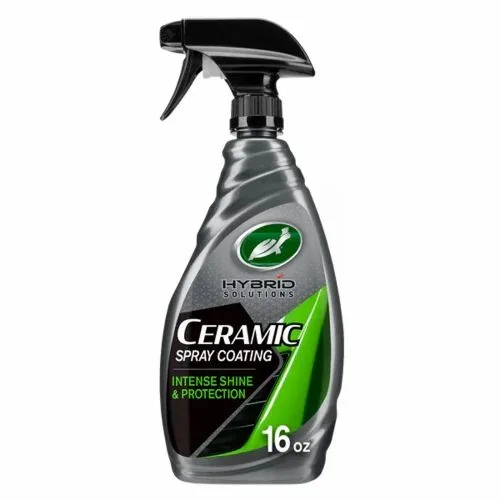
DIY ceramic spray wax from brands like Turtle Wax or Meguiar’s gives similar results to car wash versions for half the price. You’ll need to apply it yourself, but the cost per use is lower.
For long-term protection, a professional ceramic coating is the best investment. It’s expensive upfront but saves money over time by reducing the need for frequent waxing.
Final Verdict: Worth It or Not?
It’s worth it if you want a quick, temporary shine boost and don’t mind reapplying every month or two. The convenience of having it done at the car wash is a big plus for busy drivers.
It’s not worth it if you expect long-term protection or have high standards for your car’s appearance. In those cases, invest in a quality DIY product or professional service instead.
For most daily drivers, it’s a decent upsell if the price is reasonable. Just don’t expect miracles.
Frequently Asked Questions
Does ceramic wax prevent scratches?
No. It adds a thin hydrophobic layer but won’t stop scratches from keys, branches, or automatic car washes.
How often should I reapply ceramic wax?
Every 4-8 weeks for best results. You’ll notice water stops beading when it’s time for another coat.
Can I apply ceramic wax over existing wax?
Yes, but clean the surface first. Layering over old wax reduces bonding and effectiveness.
Is ceramic wax safe for all paint types?
It’s safe for most factory paints. Avoid it on matte finishes, vinyl wraps, or heavily damaged paint.
Will ceramic wax remove swirl marks?
No. It may temporarily hide minor swirls with fillers, but it won’t repair them. For that, you need paint correction.
Does ceramic wax work in cold weather?
It bonds best above 50°F. In colder temps, the wax may not cure properly and could wash off sooner.