Starting a car wash in your neighborhood is a solid business idea if you’ve got the right location and setup. If you want to start a car wash in my neighborhood what do we need, the short answer is a mix of permits, equipment, and a smart plan for water and waste. The average self-service car wash can process 50 to 100 cars a day with the right flow.
As of 2026, startup costs range from $50,000 for a basic self-service bay to over $500,000 for a full automatic tunnel. The real question is whether your area can support it.
Quick Answer
You need a location with high visibility and traffic. Secure business permits and zoning approval first. Invest in pressure washers, water reclamation, and payment systems.
Plan for $100,000 to $1M depending on scale.
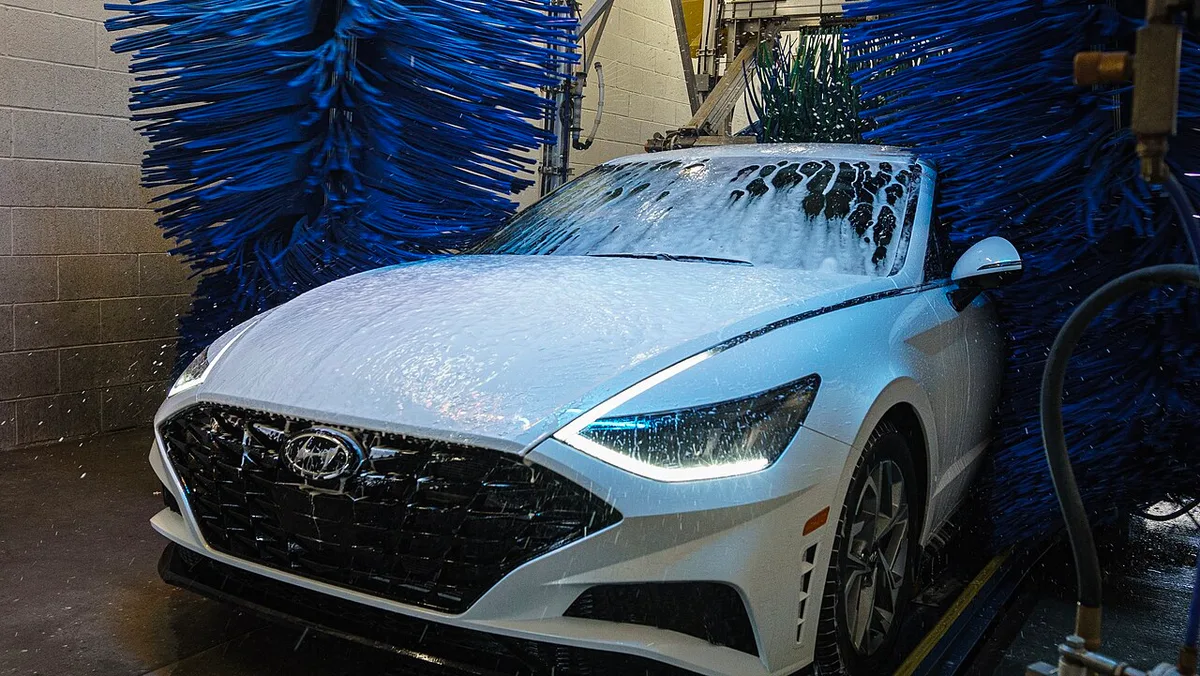
Is Starting a Car Wash in Your Neighborhood a Good Idea?
A car wash thrives where demand outpaces supply. Check your area for existing competition and population density. According to the International Carwash Association, the average car wash serves about 1,000 cars per month in a well-located spot.
Look for neighborhoods with:
- High car ownership rates
- Limited existing car washes
- Busy commuter routes or shopping centers
- Favorable weather
If your area has water restrictions, you’ll need a closed-loop system. These can cost 20-30% more upfront but save on utilities long-term.
What You’re Really Getting Into (The Good and the Ugly)
The Good:
- Recurring revenue from memberships
- Low labor costs for automated systems
- High demand in areas with few options
The Ugly:
- High startup costs for equipment and permits
- Seasonal slowdowns
- Strict environmental regulations on wastewater
Water usage is a major factor. Traditional car washes use 30-100 gallons per vehicle. Water reclamation systems can cut that by 50-80% but add $20,000-$50,000 to your initial investment.
The 3 Types of Car Washes and Which One Fits Your Neighborhood
| Type | Startup Cost | Labor Needs | Best For |
|---|---|---|---|
| Self-Service | $50,000-$150,000 | Low | Urban areas, budget-conscious customers |
| Automatic | $200,000-$500,000 | Medium | High-traffic locations, convenience seekers |
| Full-Service | $300,000-$1M+ | High | Affluent neighborhoods, premium pricing |
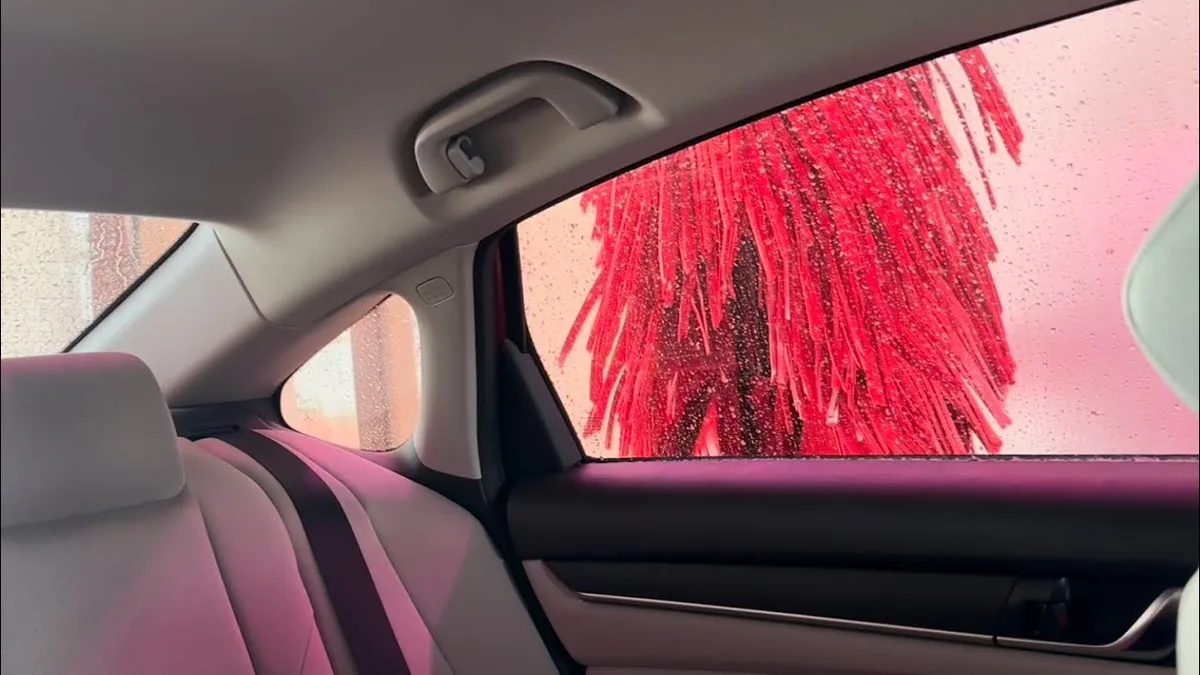
Self-service works well in cities where land is expensive. Customers do the work, so you save on staffing. The downside is lower revenue per car.
Automatic systems attract busy professionals. They’re faster but require more maintenance. Expect to spend $10,000-$20,000 annually on upkeep.
Full-service offers the highest profit margins but needs skilled staff. It’s ideal for areas with disposable income.
Step-by-Step: What You’ll Need to Launch
Legal and Permits (The Non-Negotiables)
You can’t open without these. Start here before buying equipment.
- Business License: $50-$400 depending on your state
- Zoning Permit: Confirm your location allows commercial car washes
- Water Discharge Permit: Required by the EPA for wastewater
- Signage Permit: If you plan to advertise on-site
Check with your local Small Business Administration office for state-specific requirements.
Location and Setup (Where and How to Build)
Aim for at least 1 acre of land. You’ll need:
- 1,200-2,000 sq ft for the wash bay(s)
- 500-1,000 sq ft for equipment storage
- 30-50 parking spaces
Visibility is key. Locations near gas stations, grocery stores, or highways perform best.
Equipment and Supplies (What to Buy vs. Lease)
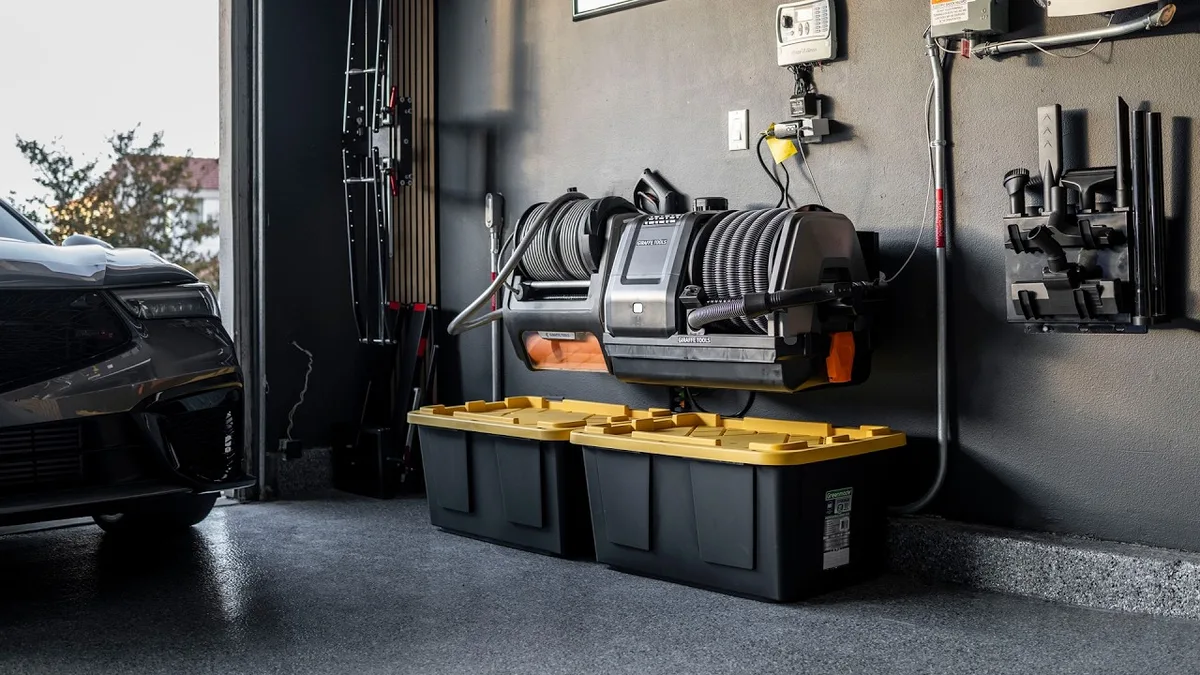
Essential Equipment:
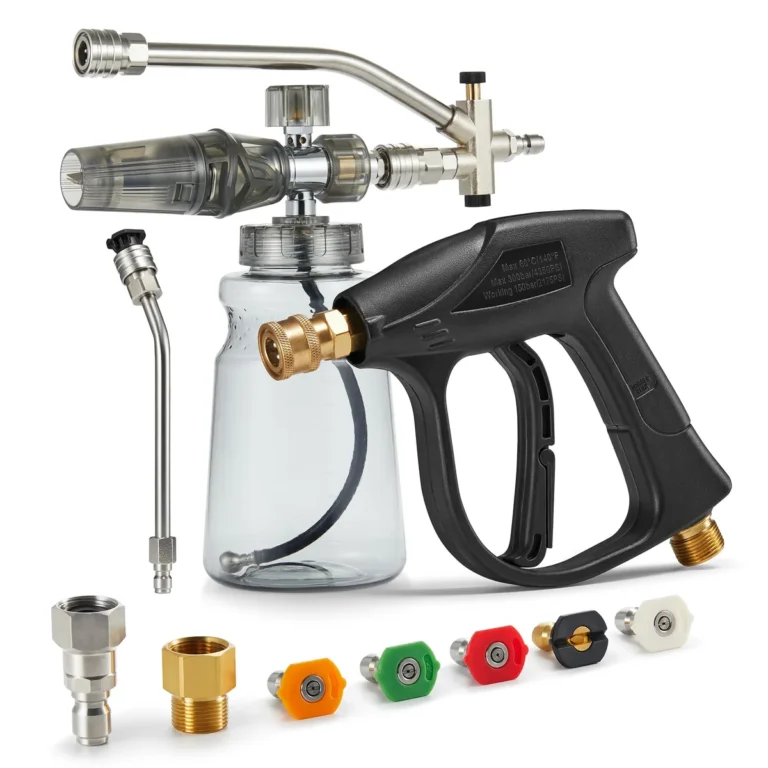
- Pressure washers (2,000-4,000 PSI)
- Water reclamation system
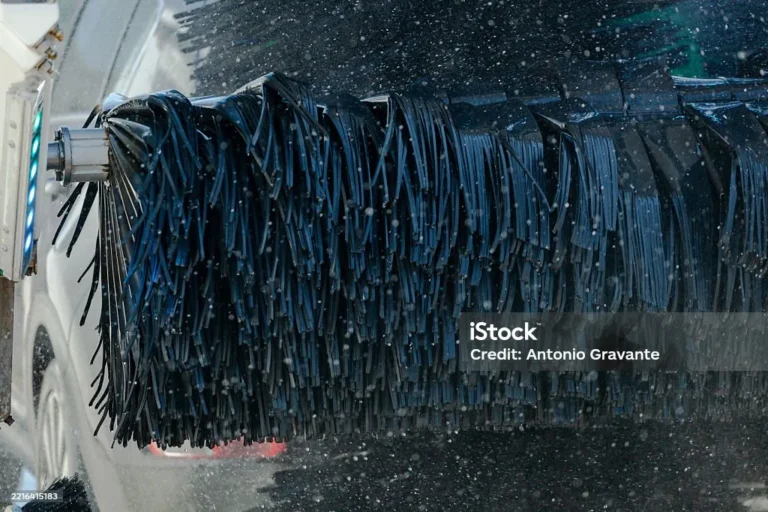
- Foam brushes or soft-cloth rollers
- High-speed dryers
- Vacuum stations
- Payment terminals
Chemicals:
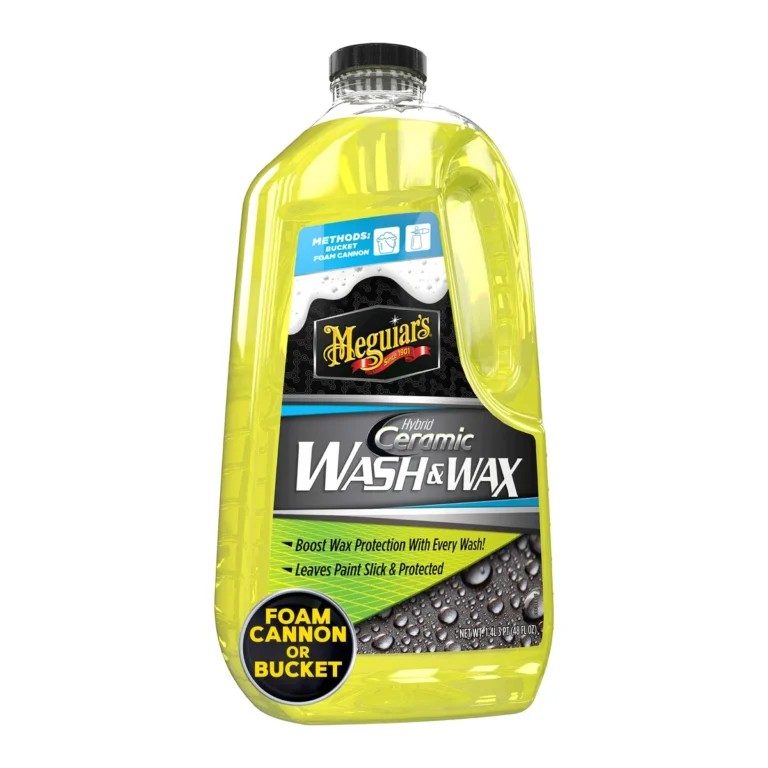
- pH-neutral car wash soap
- Wheel cleaner
- Wax/sealant
Leasing equipment can reduce upfront costs by 30-50%. However, you’ll pay more long-term.
How Much It Actually Costs (Real Numbers)
Startup costs vary based on type and location. A single self-service bay runs $50,000 to $150,000. A full automatic tunnel can hit $1M or more.
| Expense | Estimated Cost |
|---|---|
| Land/Lease | $100,000-$500,000 |
| Equipment | $200,000-$400,000 |
| Construction | $150,000-$300,000 |
| Permits/Legal | $10,000-$50,000 |
| Working Capital | $50,000-$100,000 |
Monthly operating costs typically include utilities, chemicals, labor, and maintenance.
How to Stand Out When Everyone Else Has a Car Wash
Differentiation is key in crowded markets. Offer something competitors don’t.
Membership Programs create steady revenue. Customers pay $20-$50/month for unlimited washes.
Eco-Friendly Options attract environmentally conscious customers. Water reclamation systems and biodegradable chemicals can be marketing points.
Add-On Services boost profits:
- Interior vacuuming
- Hand waxing
- Odor elimination
Technology sets you apart. App-based payments and loyalty programs make the experience smoother.
The Hidden Challenges Nobody Tells You About
Water regulations can be a major hurdle. Many municipalities limit wastewater discharge. You may need a $20,000-$50,000 water reclamation system to comply.
Seasonal demand is another issue. In cold climates, winter can reduce business by 40-60%.
Equipment maintenance is often overlooked. Budget $500-$1,500 monthly for upkeep.
Vandalism and theft are real concerns. Security cameras and good lighting are essential.
How to Price Your Services for Profit
Pricing depends on your market and services. Basic self-service washes typically cost $5-$10. Automatic washes range from $10-$20.
Membership Pricing:
- Basic: $20-$30/month
- Premium: $40-$60/month
Add-On Services:
- Interior vacuum: $5-$10
- Hand wax: $15-$25
Upselling increases revenue. Train staff to suggest add-ons.
Marketing That Actually Works for Local Car Washes
Grand Opening Promotions draw attention. Offer free washes for the first 100 customers.
Local Partnerships help. Team up with gas stations or car dealerships.
Social Media is powerful. Post before-and-after photos of cars.
Loyalty Programs keep customers coming back. Punch cards or app-based rewards work well.
Signage matters. Make sure it’s easy to read from the road.
Maintenance and Operations: Keeping It Running Smoothly
Daily upkeep prevents costly breakdowns. Check pressure washers for leaks and clogs. Test chemical dispensers.
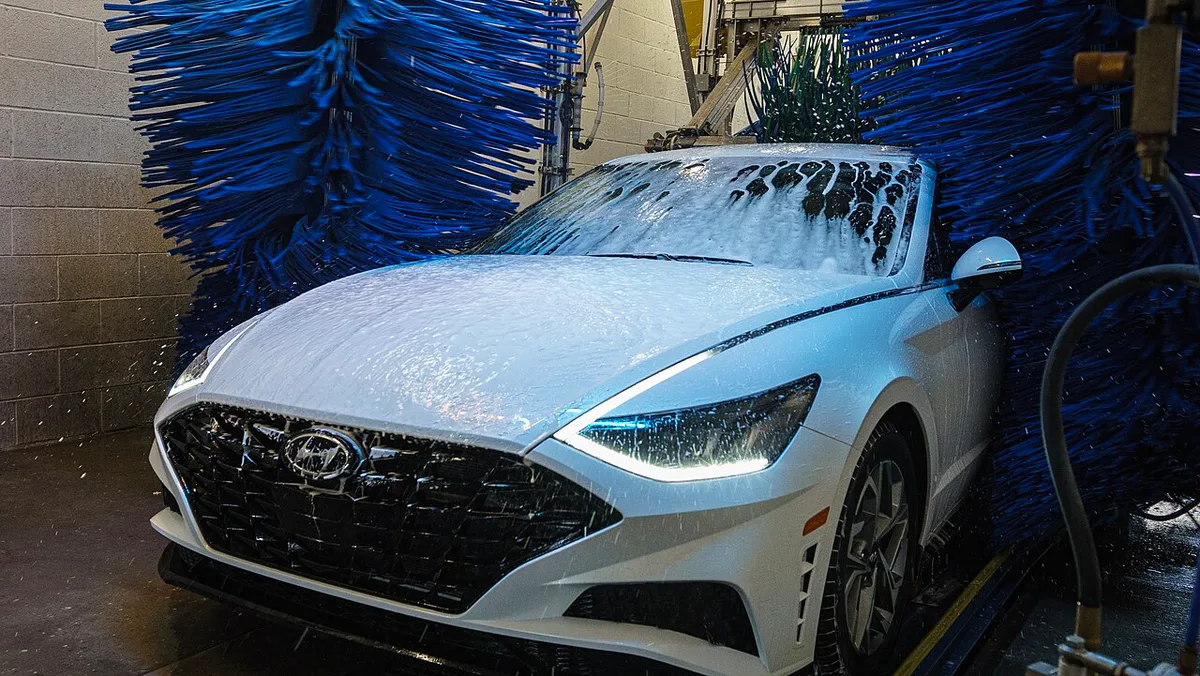
Weekly tasks include cleaning brushes, inspecting hoses, and testing payment systems. Monthly, service the water reclamation system.
Common Mistakes That Sink New Car Washes
Underestimating costs is the top error. Always add 20% to your initial estimate.
Poor location choice dooms some businesses. Avoid areas with low traffic or too much competition.
Ignoring water regulations leads to fines. Check with your local environmental agency.
Skipping maintenance causes downtime. Schedule regular servicing.
Final Checklist: Are You Ready to Start?
Legal and Permits
- Business license secured
- Zoning approval obtained
- Water discharge permit in place
Location and Setup
- High-traffic site selected
- Adequate space for bays and parking
Equipment
- Pressure washers installed
- Water reclamation system operational
Operations
- Staff hired and trained
- Maintenance schedule set
Legal and Permits
- Business license secured
- Zoning approval obtained
- Water discharge permit in place
Location and Setup
- High-traffic site selected
- Adequate space for bays and parking
Equipment
- Pressure washers installed
- Water reclamation system operational
Operations
- Staff hired and trained
- Maintenance schedule set
Frequently Asked Questions
How much does it cost to start a car wash?
A basic self-service car wash starts around $50,000. A full automatic tunnel can exceed $1M. Most mid-range setups cost $200,000-$500,000.
Do I need special permits for a car wash?
Yes. You’ll need a business license, zoning permit, and water discharge permit at minimum.
How much can a car wash make?
A well-run car wash can generate $100,000-$500,000 annually. Profit margins typically range from 10-20%.
What’s the best type of car wash for a small town?
A self-service or automatic car wash works best. They require less staff and have lower overhead.
How do I attract customers to my car wash?
Offer grand opening promotions. Create loyalty programs. Partner with local businesses.
Use social media.