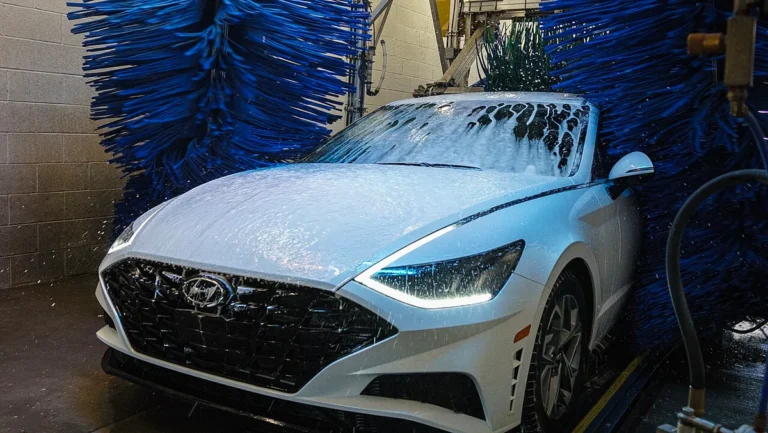
Will the spinning brushes at Tommy’s car wash damage my new paint on my new car? It depends on the brush type, paint condition, and how well the wash maintains its equipment. New clear coat is softer in the first 30 to 90 days, making it more vulnerable to scratches and swirls.
Manufacturer specs confirm that stiff or dirty brushes can leave permanent marks, while soft-cloth systems are generally safer. The real risk comes from trapped grit or high-speed contact.
Quick Answer
Yes, they can damage new paint if the brushes are stiff or dirty.
Soft-cloth brushes are safer than bristles.
New clear coat cures fully in 30 to 90 days.
Always pre-rinse to remove loose grit.
Check brush cleanliness before entering.
How Spinning Brushes Actually Work on Car Paint
Spinning brushes use rotating foam, cloth, or bristle materials to lift dirt off your car’s surface. The motion creates friction, which is great for cleaning but risky if the brushes aren’t maintained.
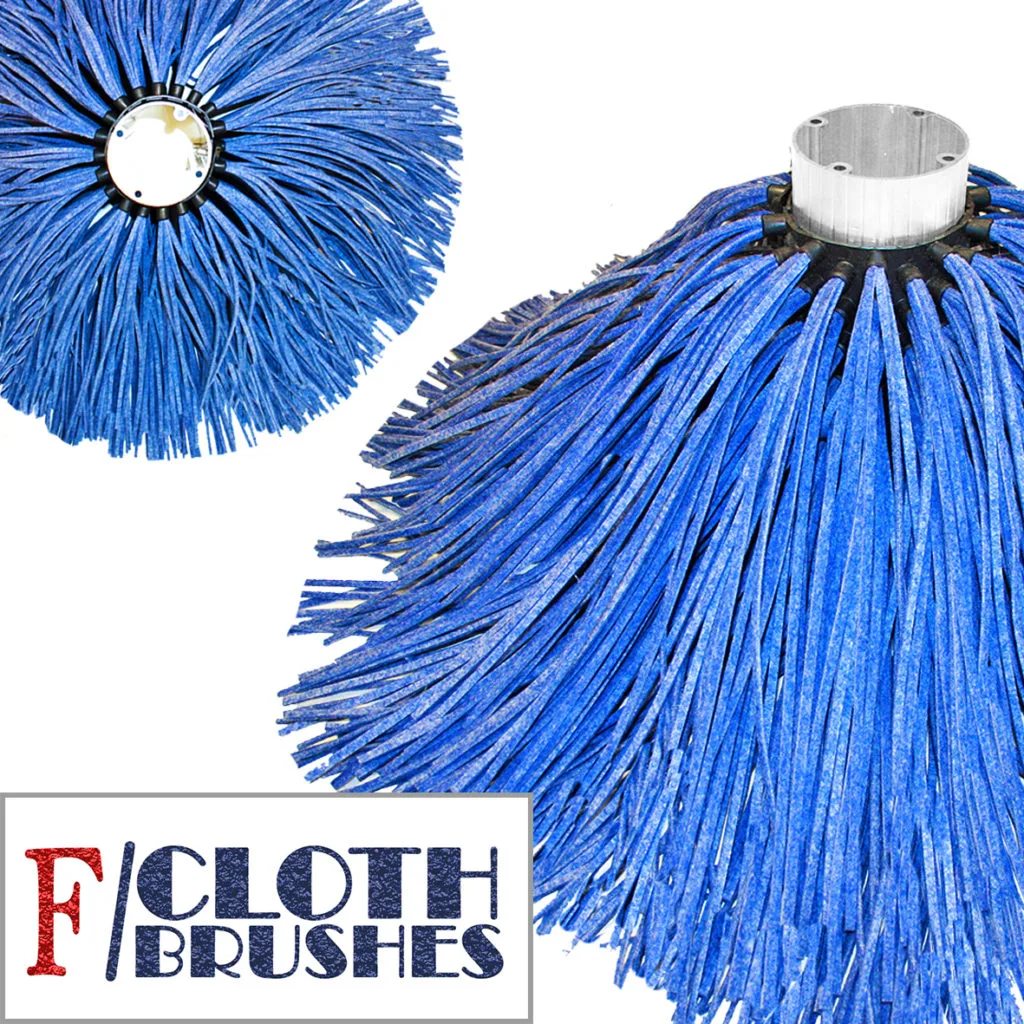
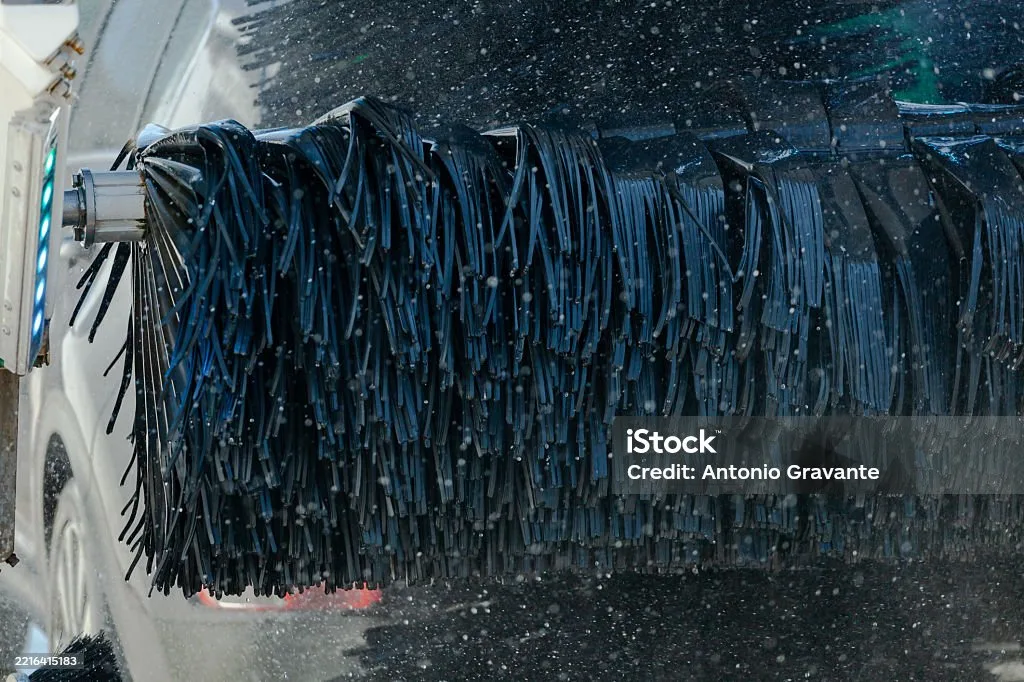
Soft-cloth and foam brushes flex against the paint, reducing the chance of scratches. Stiff bristles can dig into the clear coat, especially if they’re caked with sand or road grime. The International Carwash Association (ICCA) recommends brushes be cleaned and replaced regularly to prevent damage.
Brush speed and pressure also matter. Most automatic washes run brushes at 50 to 200 RPM. Higher speeds with poor maintenance increase the risk.
The 5 Factors That Decide If Your Paint Gets Damaged
Not all car washes are equal. These variables determine whether your new paint stays pristine or ends up with swirls.
Brush material
Soft cloth or foam is safest. Stiff nylon or boar’s hair bristles are the riskiest.
Brush cleanliness
Dirty brushes hold grit that acts like sandpaper. Well-maintained systems rinse brushes between cars.
Paint cure time
New clear coat is soft for the first month. Full hardness takes up to 90 days as of 2026.
Car wash chemicals
Harsh detergents can strip wax or weaken clear coat over time. pH-balanced soaps are gentler.
Water pressure
High-pressure pre-rinses help, but the brush contact itself is the main concern.
Signs Your Car Wash Brushes Are a Risk
You can spot trouble before it touches your car. Look for these warning signs at Tommy’s or any automatic wash.
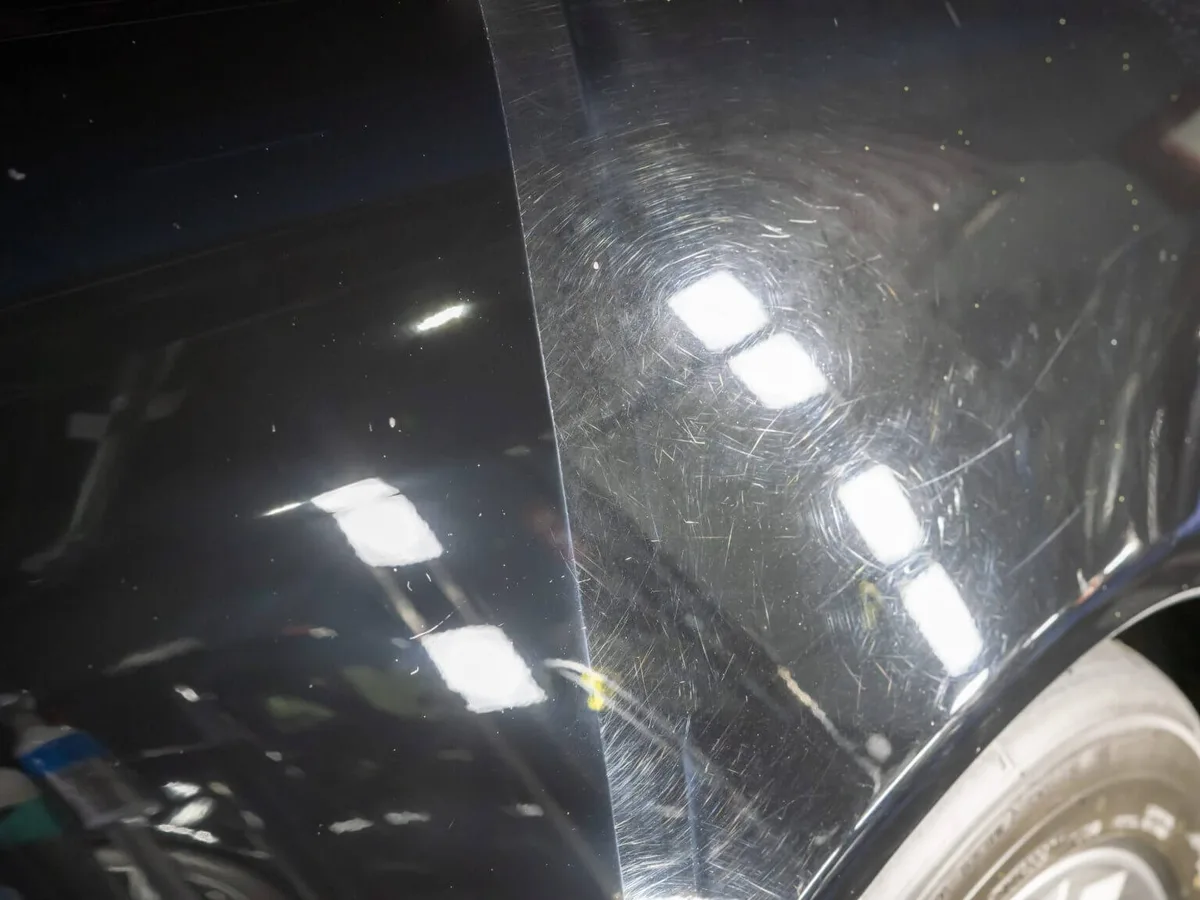
Visible dirt or debris on the brushes means they’ll drag contaminants across your paint.
Frayed or worn brushes won’t glide smoothly, increasing friction.
Stiff, hard bristles are more abrasive than soft cloth or foam.
No pre-soak cycle means dried-on dirt won’t loosen before brushing.
Old or poorly maintained equipment often leaves consistent swirl patterns on cars.
If you see any of these, it’s safer to skip the brush wash that day.
Touchless vs. Brush vs. Hand Wash: Which Is Safest?
Not all car washes treat your paint the same. Here’s how the main types compare for new or sensitive finishes.
| Type | Contact with Paint | Risk of Scratches | Cleaning Power | Best For |
|---|---|---|---|---|
| Touchless | None | Very low | Moderate | New paint, delicate finishes |
| Soft-cloth brush | Light contact | Low to moderate | High | Regular use, well-maintained systems |
| Stiff-bristle brush | Aggressive contact | High | Very high | Heavy dirt, older cars |
| Hand wash | Controlled contact | Very low | High | Premium care, detail-oriented owners |
Touchless washes use high-pressure water and chemicals, so there’s no physical abrasion. They’re the safest for new paint but may not remove stubborn grime as effectively.
Soft-cloth brush washes balance cleaning power and safety, assuming the brushes are clean. Stiff-bristle systems are the harshest and should be avoided for new or high-end paint jobs.
Hand washing with a microfiber mitt is the gold standard for paint protection. It’s time-consuming but gives you full control over pressure and materials.
How to Protect New Paint Before Using a Brush Car Wash
Wait at least 30 days before using any brush car wash on new paint. The clear coat needs time to harden fully.
Apply a quality wax or sealant after the first month. This adds a protective layer between the brushes and your paint.
Pre-rinse your car before entering the wash. This removes loose dirt that could get trapped in the brushes.
Avoid car washes during extreme heat or cold. Temperature swings can make the clear coat more vulnerable to damage.
What to Do If You Already See Scratches or Swirls
First, assess the depth of the damage. Light swirls are surface-level, while deep scratches may require professional attention.
For minor swirls, use a high-quality polishing compound. Apply it with a dual-action polisher for best results.
If the scratches are deep, consult a professional detailer. They can determine if wet sanding or repainting is needed.
Prevent future damage by switching to a touchless or hand wash method. Regular waxing also helps protect the paint.
How Often You Should Use a Brush Car Wash (If at All)
Limit brush car washes to once every two weeks. Frequent use increases the risk of accumulating micro-scratches.
If your car has a ceramic coating, you can stretch this to once a month. Ceramic coatings offer better protection against swirls.
For daily drivers, alternate between brush and touchless washes. This reduces the cumulative wear on your paint.
Always inspect the brushes before each wash. If they look dirty or worn, choose a different method that day.
When to Skip the Automatic Wash Entirely
Skip the automatic wash if your car has fresh paint or a new clear coat. The first 30 to 90 days are critical for curing.
Avoid brush washes if the equipment looks poorly maintained. Visible dirt or frayed brushes are clear warning signs.
If your car has a matte or satin finish, avoid brush washes altogether. These finishes are more prone to visible damage.
For high-end or luxury vehicles, hand washing is always the safer choice. The investment in paint quality warrants extra care.
Frequently Asked Questions
Can a single brush car wash ruin new paint?
No, a single wash with clean, soft brushes won’t ruin new paint. But repeated use or dirty brushes can cause cumulative damage.
How do I know if my car wash uses safe brushes?
Look for soft-cloth or foam brushes that appear clean and well-maintained. Avoid stiff bristles or visibly dirty equipment.
Is a touchless car wash completely safe for new paint?
Yes, touchless washes are the safest option for new paint. They use high-pressure water and chemicals without physical contact.
Can I wax my car right after a brush car wash?
Yes, but wait until the paint is fully dry. Waxing adds a protective layer that helps prevent future damage.
What’s the best way to dry my car after a wash?
Use a clean microfiber towel to pat dry. Avoid air drying, which can leave water spots and mineral deposits.