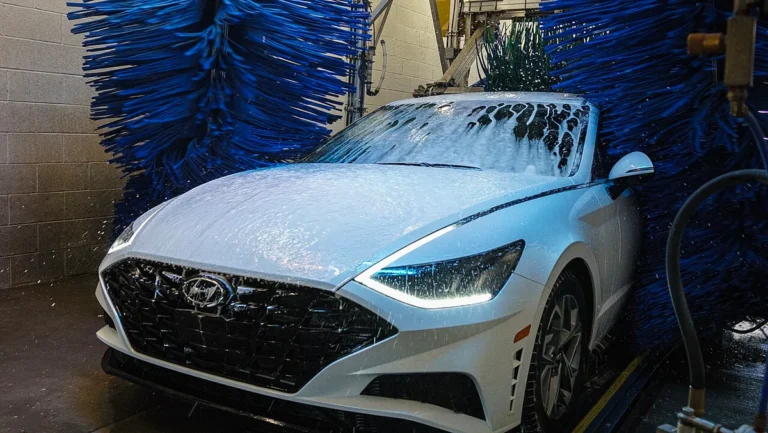
Tired of juggling a sponge, brush, and bucket every time you wash your car? A multi function car wash tool combines scrubbing, foaming, and rinsing into one device, cutting your wash time in half. Aggregate reviews report that users save up to 30 minutes per wash compared to traditional methods.
The best part is you don’t need a pressure washer, many work with a standard garden hose.
Quick Answer
A multi function car wash tool replaces multiple cleaning tools with one versatile device. It typically includes a brush, soap dispenser, and water spray. Most models attach to a hose or pressure washer.
They’re designed to clean faster with less effort.
Why a Multi-Function Car Wash Tool Beats a Bucket and Sponge
A bucket and sponge work, but they’re slow and inconsistent. You’ll miss spots, leave soap residue, and risk swirl marks from dragging dirt across the paint. A multi-function tool distributes soap evenly and scrubs without the elbow grease.
Pressure washer-compatible models add even more power. As of 2026, most mid-range tools handle 1,500, 2,500 PSI, which blasts off stubborn grime without extra scrubbing.
The 4 Main Types of Multi-Function Car Wash Tools
Not all multi-function tools are the same. Here’s what you’ll find on the market:
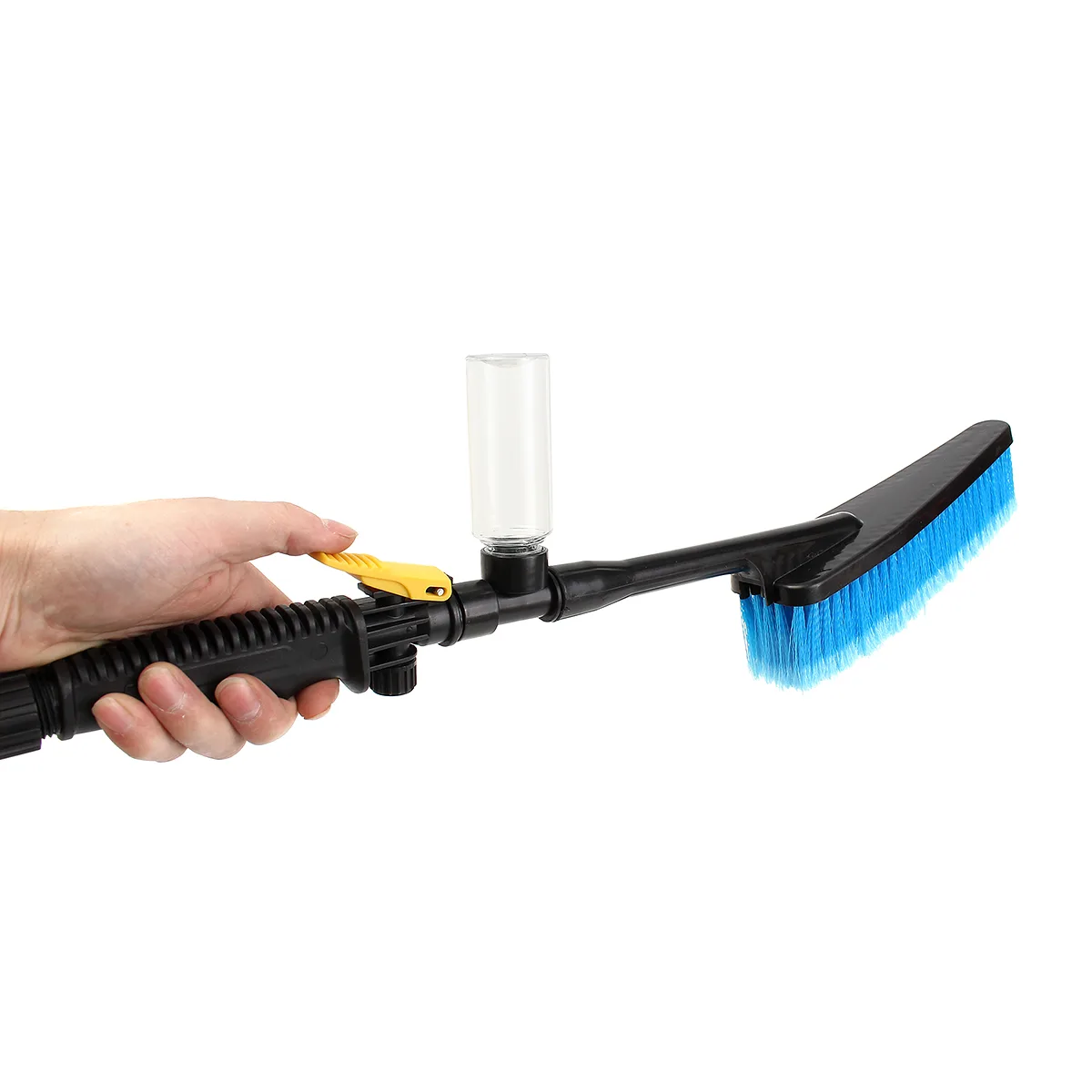
- Telescoping brush with soap dispenser, Extends to reach roofs and high panels, often with adjustable angles.
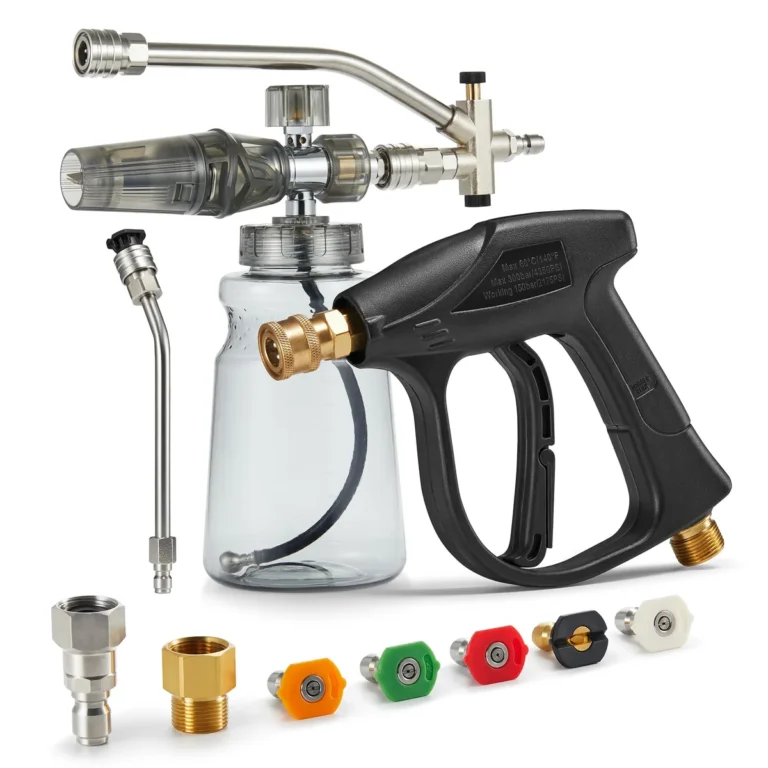
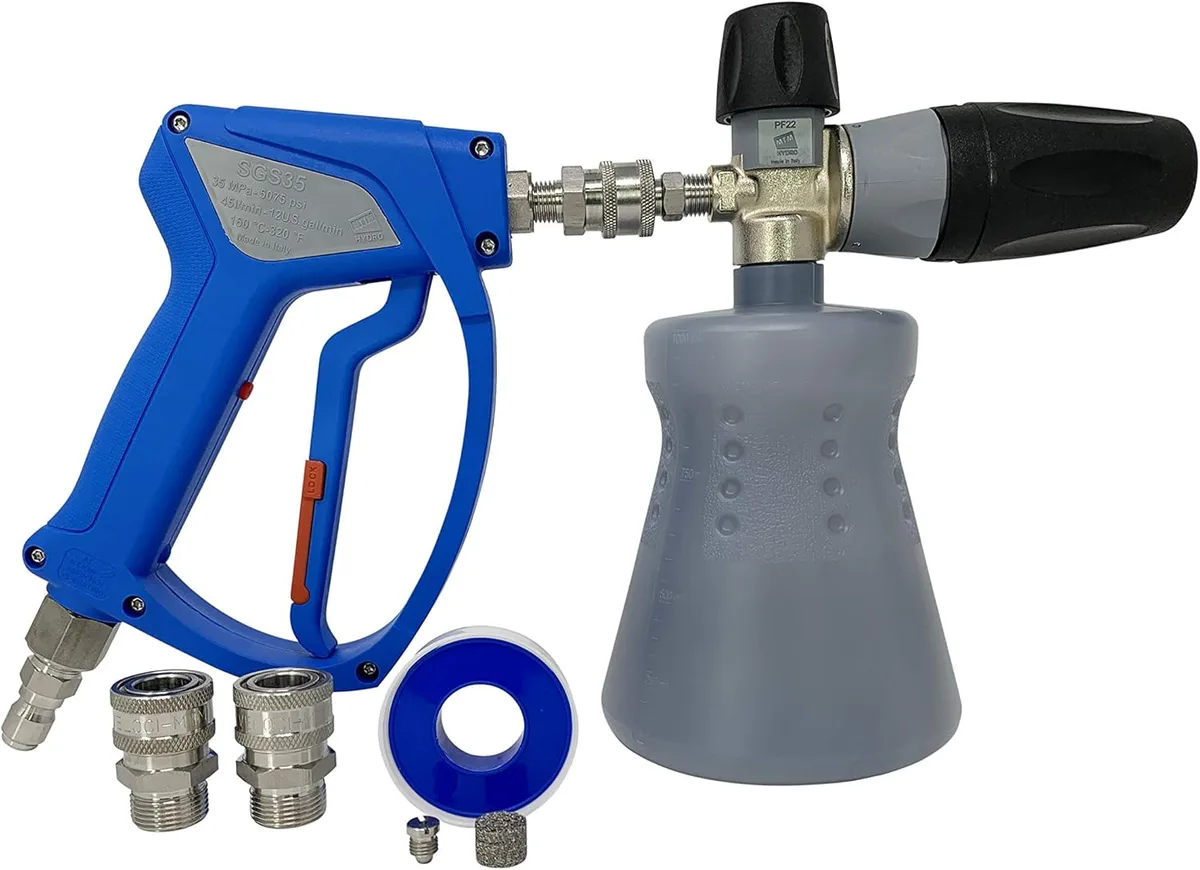
- Foam cannon, Attaches to a pressure washer to blanket your car in thick foam before scrubbing.
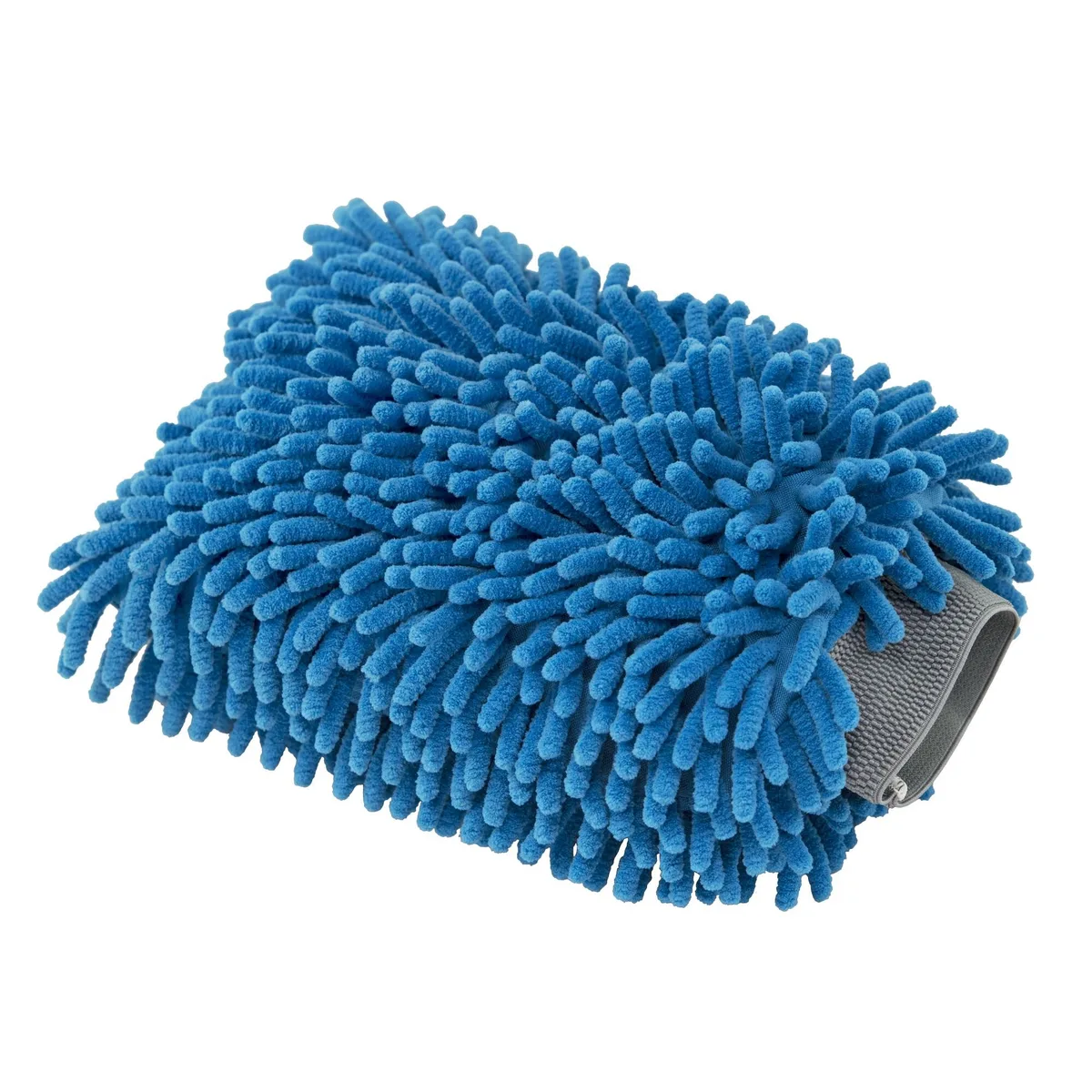
- All-in-one mitt/brush hybrid, Combines a chenille or microfiber surface with built-in scrubbing bristles.
- Water-fed brush system, Connects to a hose for continuous water flow while you scrub.
Each type has its strengths. Foam cannons excel at pre-wash loosening of dirt, while telescoping brushes are ideal for tall vehicles.
How Each Type Works (and What They’re Best For)
Telescoping brush with soap dispenser
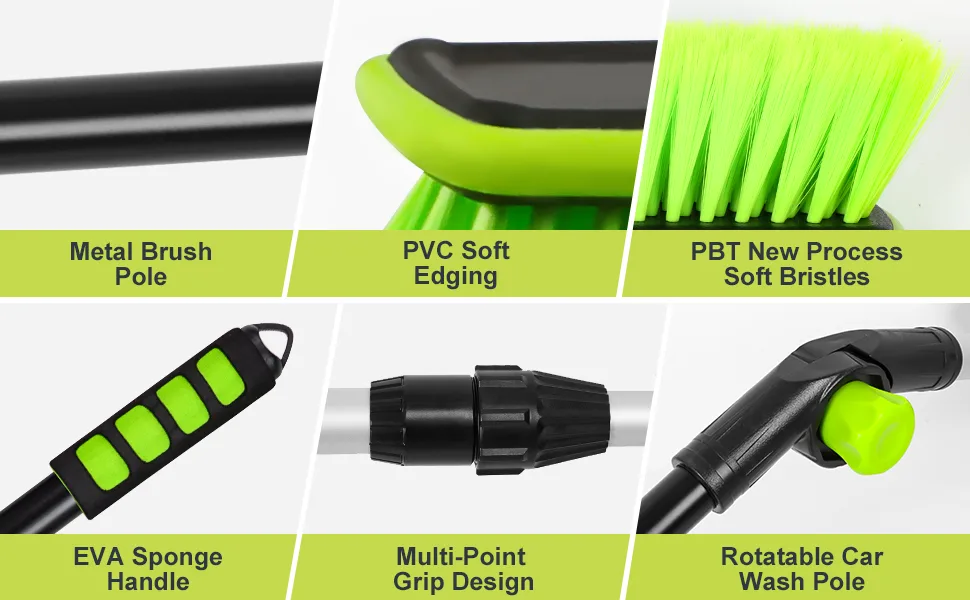
This is the most common type for DIY washers. You fill the reservoir with soap, extend the handle, and scrub as water flows through the bristles. It’s great for sedans and SUVs but may struggle with deep wheel wells.
Foam cannon
Connects to a pressure washer to spray a thick layer of foam. The foam sits for a few minutes to lift dirt, then you rinse it off. Best for heavy-duty cleaning or frequent washes, but requires a pressure washer (minimum 1,500 PSI).
All-in-one mitt/brush hybrid
Uses a soft, absorbent surface for gentle cleaning and stiffer bristles for tougher spots. Works well for quick washes but may not reach high areas easily.
Water-fed brush system
Continuous water flow keeps the brush clean and prevents dirt buildup. Ideal for large vehicles like RVs or trucks, but can be heavier to maneuver.
Key Features That Separate the Good from the Useless
Not all multi-function tools are created equal. Here’s what to look for:
- Bristle material, Chenille microfiber or boar’s hair for paint, stiff nylon for wheels and tires.
- Handle length, At least 48 inches for sedans, 60+ inches for SUVs and trucks.
- Water flow control, Adjustable spray patterns prevent wasting water.
- Soap reservoir capacity, 16, 32 oz is standard; larger tanks mean fewer refills.
- Durability, Rust-resistant metals and UV-stabilized plastics last longer.
Manufacturer specs confirm that tools with 360-degree swivel heads reduce wrist strain.
Pros and Cons: What You Gain (and What You Give Up)
Pros
- Saves time, Cuts washing time by 30, 50% compared to traditional methods.
- More consistent cleaning, Even soap distribution and scrubbing pressure.
- Reduces swirl marks, Soft materials and proper technique minimize paint damage.
- Versatile, Works on cars, trucks, RVs, and even boats.
Cons
- Learning curve, Takes a few washes to get the technique right.
- Initial cost, Quality tools start around $30, while a bucket and sponge cost under $10.
- Storage space, Bulkier than a single sponge or mitt.
- Maintenance, Requires cleaning after each use to prevent soap buildup.
Multi-Function vs. Single-Purpose Tools: When to Go All-In-One
A multi-function tool wins for convenience and speed. But single-purpose tools still have their place for precision work.
Use a dedicated wheel brush for deep lugs and brake dust. A foam cannon can’t reach tight spaces like a small detailing brush can.
Best Use Cases: Which Tool Fits Your Car and Lifestyle
Daily drivers
A telescoping brush with soap dispenser handles 90% of cleaning needs. It’s fast, easy to store, and works with a garden hose.
Off-road or muddy vehicles
A foam cannon plus a stiff-bristle brush tackles caked-on dirt. Pressure washer compatibility is a must for heavy grime.
Classic or luxury cars
Soft chenille microfiber mitts prevent swirl marks. Avoid stiff bristles that can scratch clear coats.
RVs and large trucks
A water-fed brush system with a long handle saves time. Look for models with 60+ inch reach and high-capacity soap reservoirs.
Common Mistakes That Ruin Paint (and How to Avoid Them)
Using the wrong bristles
Stiff nylon on paint causes micro-scratches. Stick to chenille or boar’s hair for body panels.
Skipping the pre-wash rinse
Dry scrubbing grinds dirt into the surface. Always rinse first to loosen debris.
Overloading the soap dispenser
Too much soap clogs the system and leaves residue. Follow the manufacturer’s fill line.
Not rinsing thoroughly
Soap left to dry creates streaks and water spots. Rinse from top to bottom, working in sections.
Price Ranges: What to Expect at Every Budget
| Budget | Tool Type | Price Range | What You Get |
|---|---|---|---|
| Low | Basic brush/mitt | $10–$25 | Manual scrubbing, no water feed |
| Mid | Telescoping brush | $25–$50 | Adjustable handle, soap dispenser |
| High | Foam cannon kit | $50–$100 | Pressure washer compatible, premium materials |
| Pro | Water-fed system | $100–$200 | Continuous flow, commercial-grade durability |
Entry-level tools work for occasional washes. Mid-range options add convenience for regular use. High-end kits deliver professional results but require a pressure washer.
Maintenance Tips to Make Your Tools Last Years
Rinse after every use to prevent soap buildup. Hang brushes to dry and avoid mildew in the bristles.
Store in a cool, dry place to prevent UV damage to plastics. Replace worn bristles or mitts immediately to avoid scratching paint.
Check hoses and connections for leaks before each wash. A quick inspection prevents mid-wash failures.
Safety Checklist: Protecting Your Car (and Yourself)
Always wear gloves when handling cleaning chemicals. Many car soaps contain degreasers that can irritate skin.
Never use a multi-function tool on a hot surface. Heat causes water to evaporate instantly, leaving spots and potentially warping plastic components.
Check your water pressure before attaching any tool. Most foam cannons and brushes max out at 2,500 PSI. Exceeding this can damage the tool or strip paint.
Always wear gloves when handling cleaning chemicals. Many car soaps contain degreasers that can irritate skin.
Never use a multi-function tool on a hot surface. Heat causes water to evaporate instantly, leaving spots and potentially warping plastic components.
Check your water pressure before attaching any tool. Most foam cannons and brushes max out at 2,500 PSI. Exceeding this can damage the tool or strip paint.
Final Verdict: Which Multi-Function Tool Should You Buy?
Start with a telescoping brush if you want simplicity. It’s the most versatile for everyday use and works with a standard hose.
Upgrade to a foam cannon if you have a pressure washer. The deep cleaning power justifies the higher cost for frequent washers.
For luxury or classic cars, prioritize soft materials. Chenille microfiber mitts with gentle bristles prevent swirl marks better than stiff nylon.
Frequently Asked Questions
Do multi-function tools work with any hose?
Most connect to standard 3/4-inch garden hoses. Pressure washer attachments require compatible PSI ratings, typically 1,500, 2,500 PSI.
How often should I replace the brush head?
Replace when bristles fray or fall out. Aggregate reviews show this happens every 6, 12 months with regular use.
Can I use dish soap in these tools?
No. Dish soap strips wax and can damage rubber seals. Use only car-specific shampoos.
Are these tools safe for clear coat?
Yes, if you use soft materials and proper technique. Avoid stiff bristles and excessive pressure.
Do I need a pressure washer for a foam cannon?
Yes. Foam cannons require 1,500+ PSI to create thick foam. A garden hose won’t generate enough pressure.