Black Friday deals are live on Amazon · limited-time discounts, grab them before they’re gone
Grab the deals

ByMax Lee
Is It Bad to Wash Your Car in the Sun: Shocking Truth Revealed
Washing your car in direct sunlight is not automatically disastrous, but it is usually harder on the finish—and much harder to do well. Heat makes water, shampoo, and rinse water evaporate before you can remove them, increasing the chance of mineral deposits, streaks, and dried soap residue.
The sun itself does not instantly burn or crack automotive paint. The real problem is uncontrolled drying on a hot surface. If possible, wash in shade, during cooler hours, or on an overcast day. When that is not practical, adjust your technique so every section stays wet and is dried promptly. You can also read our guide on best car wash for paint protection.
Why Washing a Car in Direct Sunlight Causes Problems
A vehicle’s exterior may feel considerably hotter than the surrounding air after sitting in full sun. That heat accelerates evaporation and makes the cleaning process less forgiving.
Several things can happen at once:
- Rinse water evaporates quickly, leaving dissolved minerals behind.
- Car shampoo dries on the panel, creating streaks or a hazy film.
- A wet microfiber towel becomes less effective as water disappears before it can be picked up.
- Hot panels make soap harder to control, especially on dark paint and glass.
- You may rush the wash, increasing the chance of rubbing dirt across the clear coat.
A common mistake is washing the entire vehicle with shampoo and then rinsing it. In direct sunlight, the first panels may already be dry before you reach the last one. Working one small section at a time is safer. You can also read our guide on best car shampoo for pressure washer.
Does Sunlight Actually Damage Car Paint During a Wash?
Normal washing does not make automotive paint crack simply because cold water touches a hot panel. Modern paint systems are designed to tolerate ordinary weather and temperature changes. However, sunlight and heat can still contribute to long-term fading and oxidation, particularly when the clear coat is already neglected.
The immediate risk is usually surface contamination, not sudden structural paint damage:
- Water dries on the paint.
- Minerals remain after evaporation.
- Those deposits bond to or stain the clear coat.
- Repeated exposure can create etching that ordinary washing will not remove.
Ultraviolet exposure also gradually degrades exterior materials over time. The National Oceanic and Atmospheric Administration explains that UV radiation affects exposed materials, and a vehicle’s paint, trim, rubber, and plastics are all exposed during normal use. Washing in the sun does not create UV damage by itself, but poor washing habits can leave the finish less protected. You can also read our guide on best hose filter for car washing.

Water drying on a warm panel can leave visible mineral residue.
Credit: www.reddit.com
Water Spots: The Main Reason to Avoid the Sun
A water spot is the visible residue left when water evaporates and concentrates minerals or contaminants on a surface. Hard water, sprinkler water, and poorly filtered tap water are especially likely to leave spots.
Not every spot is equally serious:
| Type of mark | What it usually is | Typical response |
|---|---|---|
| Light residue | Minerals sitting on the surface | Rewash or use a suitable water-spot remover |
| Dried shampoo film | Soap left behind after evaporation | Rinse and wash the area again |
| Etched spot | Minerals or contamination that affected the clear coat | Polishing may be required |
| Sprinkler deposits | Mineral-rich water dried in the sun | Treat promptly; do not scrub aggressively |
Fresh spots are easier to remove than old, etched deposits. Do not attack them with a dry towel or abrasive household cleaner. That can create fine scratches while attempting to remove the mark. You can also read our guide on best foam gun car wash for water hose.
If your local water is hard, a hose-end filtration solution may help reduce residue, but it does not replace drying. Even filtered water can leave spots when it carries dust, shampoo, or road film across a hot panel.
The Best Conditions for Washing Your Car
The ideal conditions are simple:
- Shade: A garage, carport, or building shadow is best.
- Cooler temperatures: Early morning or late afternoon generally gives you more working time.
- Low wind: Wind dries panels quickly and can blow grit onto wet paint.
- A cool vehicle: Do not begin immediately after driving or after the car has been sitting in intense sun.
- A clean work area: Avoid washing beneath trees where sap, pollen, or bird droppings may fall.
Cloud cover helps, but an overcast day can still be warm and windy. Touch the hood or roof before starting. If the panel feels hot, assume water will dry quickly and plan to wash smaller sections. You can also read our guide on best waterless car wash wax for pontoon boats.
Avoid washing immediately after driving, even if the weather is cloudy. Brakes, wheels, and body panels may retain heat, and hot brake components should not be flooded with cold water.
How to Wash a Car Safely in the Sun
If shade is unavailable, use a controlled process rather than abandoning the wash.
1. Gather the right equipment
Use:
- A pH-balanced automotive shampoo
- A clean wash mitt
- Separate rinse and wash buckets
- A hose or pressure washer used at a sensible distance
- Several plush microfiber drying towels
- A soft wheel brush and separate wheel bucket
- A quick-detailing or drying aid, if compatible with your vehicle’s protection
The two-bucket washing method helps separate dirty rinse water from your shampoo solution and reduces the chance of transferring grit back onto the paint. You can also read our guide on how to prevent water spots on car after washing.
2. Cool the surface without wasting water
Rinse the vehicle thoroughly to remove loose dust and cool the panels. Do not begin scrubbing while the surface is still covered with sand or road grit.
A rinse is not a substitute for shade, so work promptly after wetting the car. If a panel dries before you wash it, rinse it again rather than dragging a mitt across a dry surface.
3. Clean the wheels separately
Wheels often carry brake dust, metallic particles, and heavier grime. Wash them before the painted body using separate tools. This prevents brake dust from being transferred to your paintwork.
Never use the same mitt on wheels and body panels unless it has been thoroughly cleaned and is specifically suitable for both surfaces.
4. Wash one small section at a time
Start at the roof and work downward. Clean a roof section, upper window frame, or half of the hood, then rinse it immediately.
Use straight, light passes rather than aggressive circles. The goal is to lift and lubricate contamination—not force it across the clear coat.
5. Keep the panel wet
If soap begins to flash dry, stop washing and rinse that section. Do not add more shampoo over dried residue and hope it will dissolve on its own.
On a very hot day, washing a quarter of the vehicle at a time may be more effective than trying to complete an entire side.
6. Dry immediately
After the final rinse, remove standing water while the surface is still wet. Use a clean, absorbent microfiber drying towel and gentle pressure. Turn or replace the towel when it becomes saturated.
Compressed air can help clear water from mirrors, badges, grilles, and trim gaps, but it should be clean and dry. If you use an air compressor for vehicle work, review guidance on choosing suitable air equipment before directing air around delicate seals or electronics.
7. Inspect before putting the car away
Check the hood, roof, glass, side mirrors, and dark trim from several angles. If you find a wet streak or dried shampoo, rewet that area and wipe it with a clean towel. Do not polish a surface that still contains loose dirt.
What to Do If Soap Dries on the Paint
Dried shampoo is usually recoverable if you respond carefully.
- Move the vehicle into shade if possible.
- Rinse the affected area thoroughly.
- Rewash it with fresh automotive shampoo.
- Dry it with a clean microfiber towel.
- Inspect the panel under good light.
Do not use dish detergent, household glass cleaner, a kitchen sponge, or a dry abrasive cloth. These products may remove protection, create scratches, or leave their own residue.
If a cloudy mark remains after washing, it may be mineral etching rather than soap. At that point, a dedicated water-spot remover or professional paint correction may be more appropriate than repeated scrubbing.
How to Reduce Water Spots
The most effective approach combines prevention and quick drying:
- Wash in shade whenever possible.
- Keep every active panel wet.
- Use a clean drying towel immediately after rinsing.
- Avoid sprinkler water and runoff from dirty surfaces.
- Use a water softener or filtration system if your supply leaves heavy mineral residue.
- Do not let shampoo dry on glass, trim, or paint.
- Apply a compatible wax, sealant, or ceramic coating according to its instructions.
Protection does not make a vehicle spot-proof. It gives you more time and can make deposits easier to remove, but minerals can still stain an unmaintained coating.
If you regularly deal with hard-water residue, plan the wash around the water quality rather than relying only on faster wiping. The EPA’s water information provides general background on water quality and household water concerns, although local mineral content is best confirmed through your water supplier or a basic water test.
Can You Wash a Car in the Sun With a Pressure Washer?
Yes, but a pressure washer does not eliminate the problem of rapid drying. It can remove loose contamination and reduce physical contact, but hot panels can still dry before you finish rinsing.
Use these precautions:
- Keep the nozzle at a safe distance from paint, trim, badges, and seals.
- Use a wide spray pattern rather than a concentrated jet.
- Never hold the nozzle close to damaged paint or loose trim.
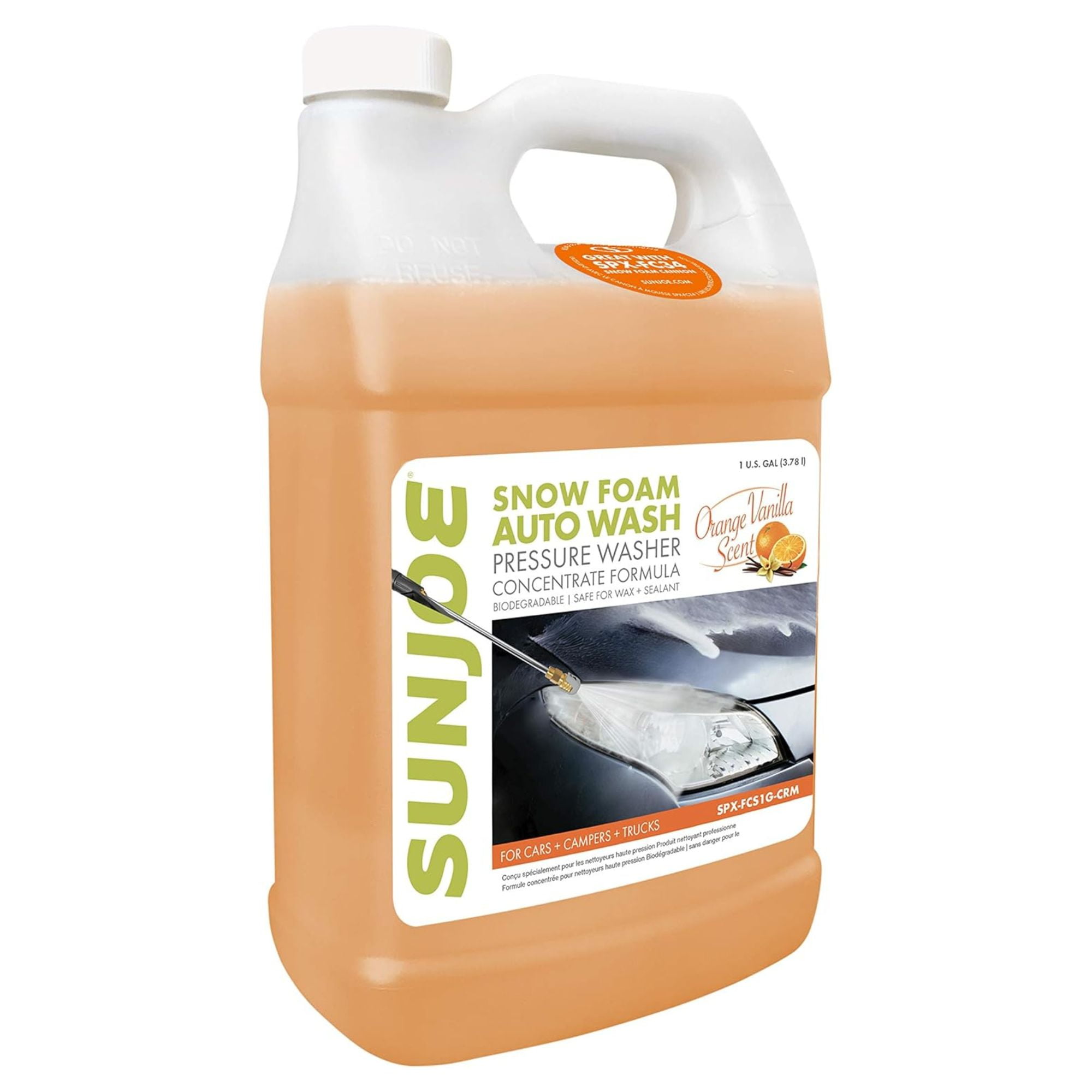
- Do not allow detergent foam to dry on the vehicle.
- Rinse from the top down.
- Dry immediately after the final rinse.
Foam is not a substitute for contact washing. Once grime is loosened, it still needs to be rinsed away or removed with a properly lubricated mitt.
Is Cold Water Bad for a Hot Car?
Cold water on a warm car is not normally enough to crack factory paint or glass. The more realistic concern is that a hot surface causes water and shampoo to evaporate rapidly.
Still, avoid extreme temperature changes where practical. Do not pour ice-cold water on a scorching windshield, and do not spray very hot wheels immediately after hard braking. Allowing the vehicle and components to cool naturally is a sensible precaution.
When Should You Avoid Washing the Car Entirely?
Postpone the wash when:
- The paint is too hot to keep wet.
- Strong wind is blowing dust or sand across the vehicle.
- Temperatures are near freezing and water may freeze on the surface.
- The car has recently been driven hard and the wheels or brakes are very hot.
- Heavy rain is carrying dirt or contaminants onto the vehicle.
- You cannot dry the car after rinsing.
Rain itself does not clean a car reliably. It can leave behind dust, pollen, and minerals, especially after the first drops loosen dirt from the air or nearby surfaces.
Frequently Asked Questions
Is it bad to wash your car in direct sunlight?
It is not automatically damaging, but it increases the risk of water spots, dried shampoo, streaks, and rushed washing. Shade or cooler conditions are preferable because they give you more time to rinse and dry each section correctly.
Can the sun crack car paint when you wash it?
Ordinary cold water does not typically crack factory automotive paint. The more common problem is residue drying on a hot panel. Existing clear-coat failure, neglected paint, or damaged areas may be more vulnerable to further deterioration.
What is the best time to wash a car?
Early morning, late afternoon, or a cool overcast period is usually best. Choose a time when the vehicle is cool, wind is limited, and you have enough time to dry it completely.
Should I wash my car after it rains?
Wash it if the rain left dirt, mud, bird droppings, or mineral residue behind. Rainwater alone rarely removes contamination. Dry the car after washing so the remaining water does not evaporate into spots.
How do I remove water spots after washing in the sun?
First, rewash the panel in shade and dry it carefully. For persistent mineral marks, use a product specifically labeled for automotive water spots and follow its instructions. If the mark has etched the clear coat, machine polishing or professional correction may be necessary.
Is dish soap safe for car paint?
Dish soap may remove waxes and sealants and is not formulated for regular vehicle washing. Use automotive shampoo designed to provide lubrication while cleaning road film.
Can I use a towel to wipe a dry, dusty car?
Avoid it. Wiping dry dust across paint can create fine scratches. Rinse or wash the surface first, then use a clean microfiber towel for drying.
The Bottom Line
Washing your car in the sun is not instantly harmful, but it is a poor choice when the panels are hot and water is evaporating before you can control it. Water spots and dried soap—not sudden paint cracking—are the main risks.
For the safest result, work in shade, wash small sections, rinse immediately, and dry without delay. If direct sunlight is unavoidable, keep the vehicle wet, use plenty of clean microfiber towels, and never let shampoo dry on the finish.
Choose a cooler, shaded washing window and dry each panel as you go for a cleaner finish with fewer spots.








