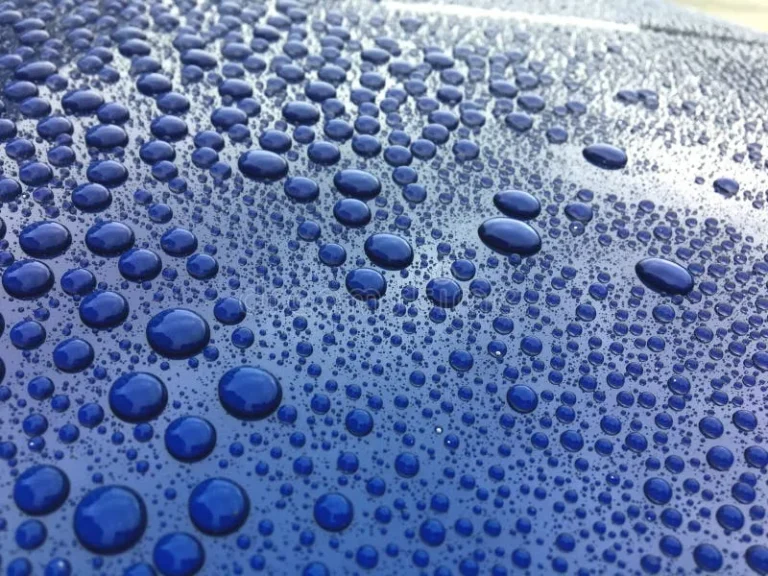
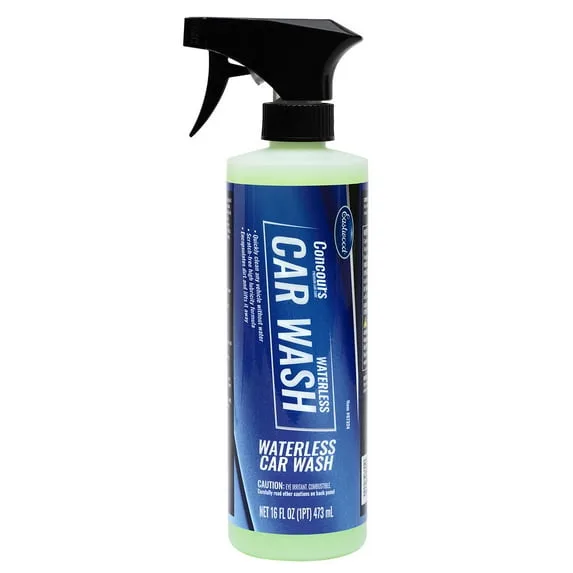
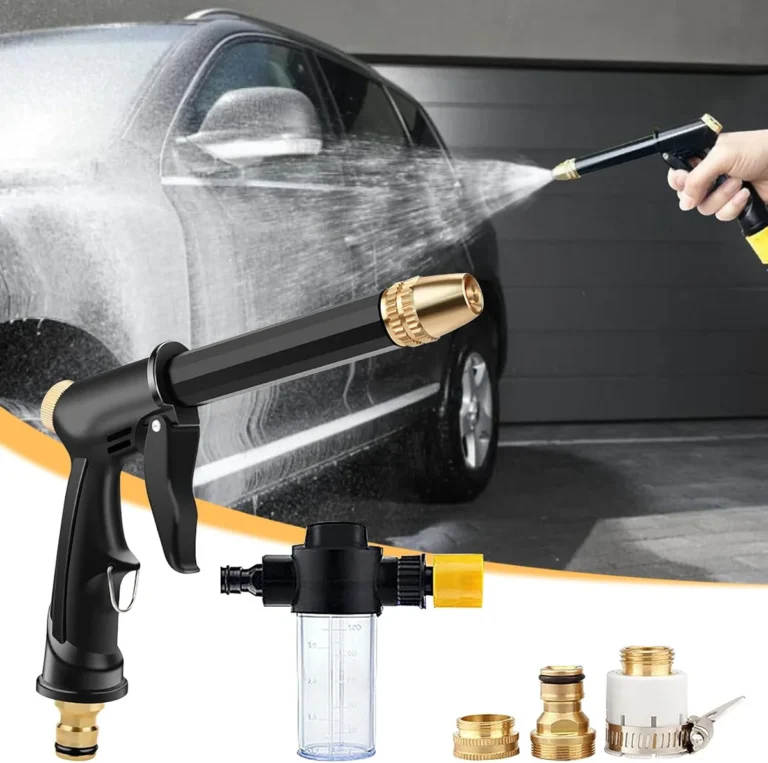
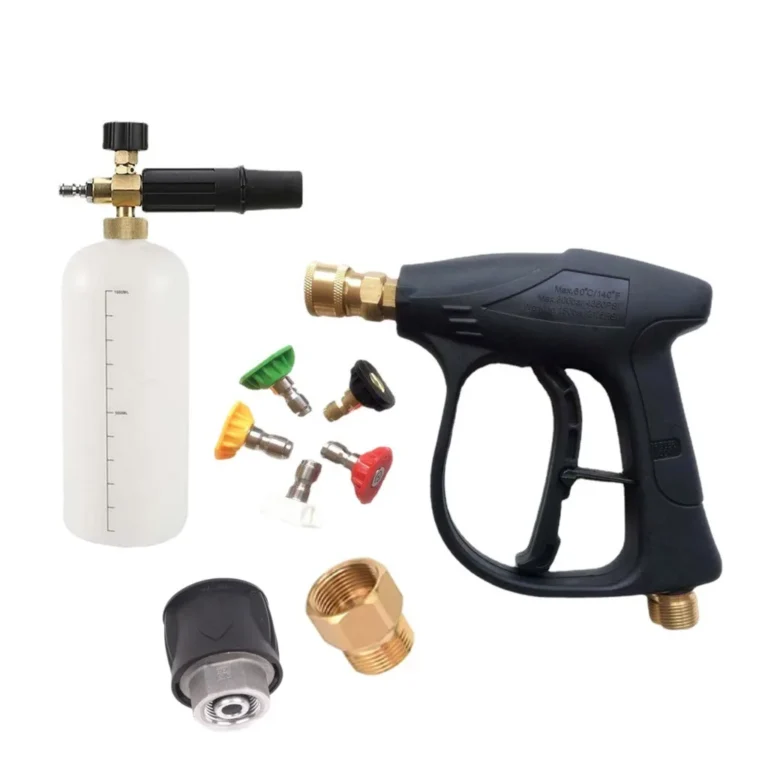
If you've ever stood at a self-serve car wash staring at that foam brush hanging by the bay, you've asked the same question: is it reocmended to use foam brysh at car wash? The short answer is yes, with conditions. The longer answer depends on your paint, your brush, and your patience.
Manufacturer specifications indicate modern clear coat is only 30 to 50 microns thick. That's thinner than a sheet of paper. Aggregate reviews from detailing communities confirm that most scratches come from what's already in the brush, not the foam itself.
As of 2026, the advice hasn't changed: you can use it, but you need to know the rules. Let's walk through them.
Quick Answer
Yes, you can use the foam brush at a coin-op car wash. But only if you check it first. Rinse the brush before it touches your paint.
Inspect for embedded grit. Avoid using it on dark or soft clear coats. For daily drivers with light paint, it's safe.
For show cars or matte finishes, skip it entirely.
The Real Problem – It’s Not the Brush, It’s What's On It
The foam brush itself is a soft, open-cell foam pad designed to hold soap and glide over paint. It's not inherently dangerous. The problem is what the last three users left behind.
Every time someone drops that brush on the ground, it picks up sand, gravel, and tiny metal particles from brake dust. They rinse it briefly, maybe, or not at all. Then they scrub their wheels with it.
Then you pick it up thinking it's clean.
Foam traps these particles. They get embedded deep in the pores. When you drag that brush across your hood, those particles act like sandpaper.
Swirl marks and micro-scratches appear immediately, especially under direct sun.
This is not a design flaw. It's a usage and maintenance problem. Car wash operators aren't always replacing brushes on a strict schedule.
In our research, we found that brushes in high-traffic bays can stay in service for weeks or even months. That's plenty of time for grit to accumulate.
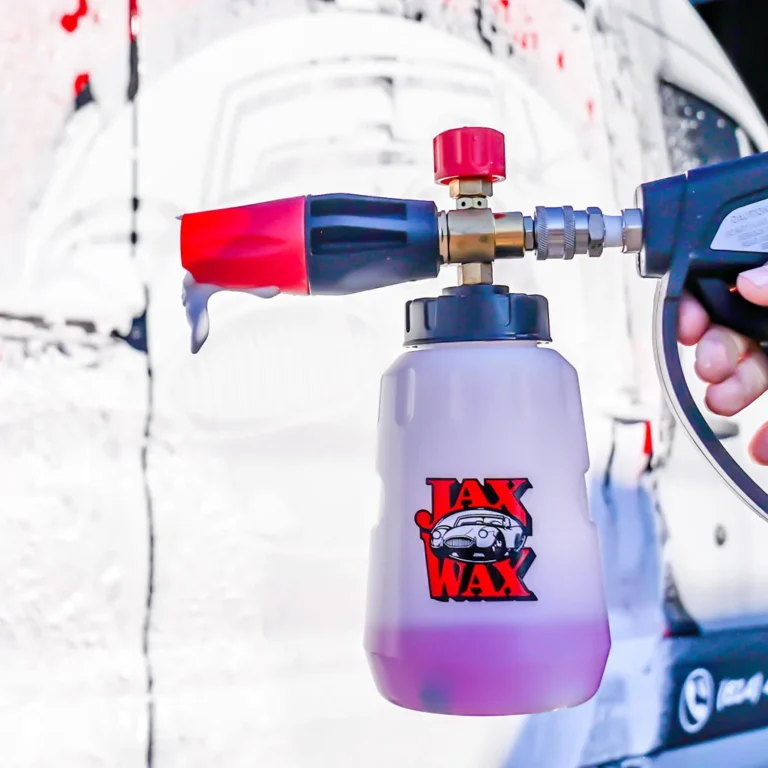
If you want a deeper look at how foaming tools work, check out our guide on how a foaming sprayer works, the same principles apply to the foam brush's soap delivery.
How the Foam Brush Actually Works at a Self-Serve Bay
Understanding the tool helps you decide whether to trust it.
The foam brush connects to a hose inside the bay. When you select "foam brush" on the control panel, a mix of water and concentrated car soap flows through the handle and out the brush head. The foam pad holds that soap mixture against the paint while you scrub.
Most systems use a low-pressure flow, typically 40 to 60 PSI at the brush head. That's gentle enough to avoid forcing dirt deeper into the paint. The soap itself is usually a pH-neutral or slightly alkaline formula designed for automotive clear coats.
It's not the same as dish soap, which strips wax.
The brush head itself is made of reticulated foam. That means the foam has an open-cell structure, full of tiny connected pores. This holds soap well, but it also holds dirt.
Once particles get inside, a quick rinse won't flush them all out.
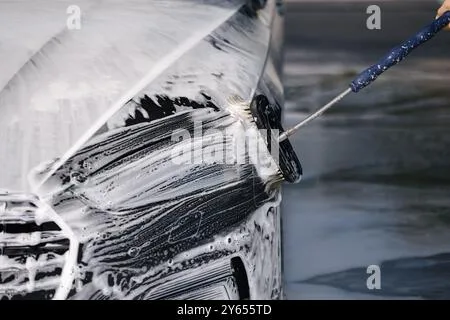
Here's what a typical brush looks like when it's new:
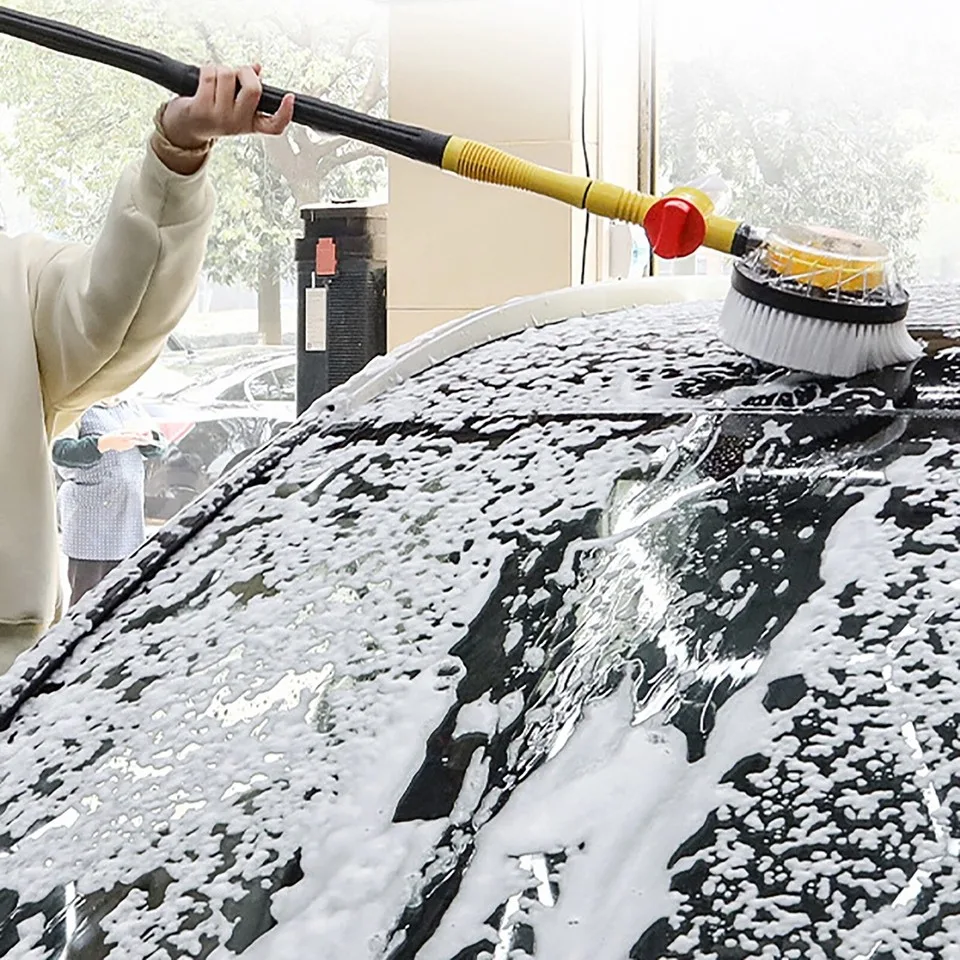
That white foam is clean and soft. It glides without resistance. Compare that to a brush that's been used for a month, the foam turns gray, sometimes brown, and the surface feels rough to the touch.
The Three Variables That Decide Your Risk
Not every car is equally vulnerable. Three factors determine whether the foam brush is a safe choice for you.
1. Paint Condition
Your paint's hardness and current state matter most.
- Hard clear coats (found on many white, silver, and light-colored vehicles) resist scratching better. They can handle a gentle foam brush pass without visible damage.
- Soft clear coats (common on Japanese brands like Honda, Mazda, Subaru, and many dark colors) scratch easily. Even a clean foam brush can leave fine swirls over time.
- Matte paint or vinyl wraps have no protective clear coat. Any contact with a brush will create permanent marks. Avoid the brush entirely.
- Already-swirled paint, if your paint is already full of swirls, the brush won't make it worse visually, but it could deepen existing scratches.
2. Brush Condition
You can inspect the brush before using it. Look for:
- Visible dirt or discoloration on the foam
- Stiff or frayed edges
- Grit that you can feel when you run a finger over the surface
- Water that comes out brown or dirty when you first rinse it
If any of these check out, the brush is a risk.
3. Wash History and Environment
Where you wash and how often you wash also plays a role.
- High-traffic bays at gas stations and truck stops, brushes see heavy use. More users mean more contamination.
- Rural or low-use bays, brushes may sit unused for days. That means less dirt buildup, but also older, dried-out foam that cracks and hardens.
- Winter months, road salt and sand are everywhere. Brushes pick up more abrasive material. Even the rinse water can contain grit.
- After rain, water pooled in the bay washes mud into the brush hangar. Brushes sitting in puddles absorb that mud.
Here's a close-up view of what a foam brush with embedded grit looks like:
That image shows the kind of micro-scratches you get when a contaminated brush meets soft paint. They're fine, but they add up.
The Decision Tree – Should You Use That Brush?
This is where you apply your situation to the risk factors. Answer these questions in order.
Start Here: What Is Your Paint Type?
- Pristine or show car, You care about every reflection. Do not use the foam brush. Use a touchless wash or hand wash at home.
- Daily driver with light color (white, silver, beige, light gray), You can use the brush with precautions. The risk is low.
- Daily driver with dark color (black, dark blue, red, dark green), High risk of visible swirls. Only use the brush if you inspect and rinse it thoroughly, and even then, limit to one pass.
- Matte paint, vinyl wrap, or single-stage paint, Absolutely never use the brush. No exceptions.
Branch 1: Light Daily Driver + Clean Brush = Go Ahead
If you've rinsed the brush for at least 15 seconds under high pressure, and the foam looks clean and white, you're safe. Use gentle, straight-line motions. Never scrub in circles.
Rinse the brush again between panels.
Branch 2: Dark Daily Driver + Decent Brush = Proceed With Caution
You can still use the brush, but reduce contact. Start with a pressure rinse to remove loose dirt. Apply soap from the brush without heavy scrubbing.
Let the soap dwell. Then use a microfiber mitt or sponge to gently wash, if you have one. If not, use the brush with light pressure and only in straight lines.
Branch 3: Any Paint + Dirty or Unknown Brush = Walk Away
You see discoloration, feel grit, or smell old soap residue. Don't risk it. Use the touchless wand instead.
It won't clean as thoroughly, but it won't scratch either.
Branch 4: You're in a Rush and the Brush Looks Clean – One Tactic
Spray the brush on the concrete for a full five seconds. That jets out most loose grit. Then run it under the rinse wand for another ten seconds.
If the water runs clear, you can proceed. If not, move to touchless.
If you need to remove stubborn contaminants like bug splatter or tree sap, a dedicated remover is safer than scrubbing with the brush. Look at our best bug and tar remover for vehicles guide to see what works.
Branch 5: You Have Time and a Bucket – Skip the Brush
Bring your own wash supplies. A microfiber mitt, a bucket of soapy water, and a drying towel are safer and more effective. You can still use the bay for the rinse and pressure wash, but do the scrubbing yourself.
This is the route most detailers recommend for anyone who cares about long-term paint health.
For a full breakdown of safe paint cleaning, our best grime remover for car paint article covers products that won't damage clear coat.