You’ve probably stood in your garage or driveway, staring at a bottle of Joy dishwashing liquid and wondered if it’s safe to use on your car. The short answer to is joy dishwashing liquid good to wash your car in is: it works in an emergency, but it’s not ideal for regular use. Dish soaps like Joy are designed to cut through grease, which is great for pots and pans but can be harsh on your car’s finish over time.
Manufacturer specifications for car care products typically recommend pH-balanced shampoos, as dish soaps often have a pH around 9, 10, which can strip wax and dull paint.
Quick Answer
Joy dishwashing liquid can wash your car. It removes grime effectively. It’s not designed for automotive paint.
Use it only in emergencies. Regular use can damage clear coat.
Why People Even Ask This (And Why It’s Risky)
People reach for dish soap because it’s cheap, available, and cuts through tough grease. If you’ve ever dealt with bug splatter or road tar, you know how stubborn it can be, and Joy’s degreasing power seems like a quick fix.
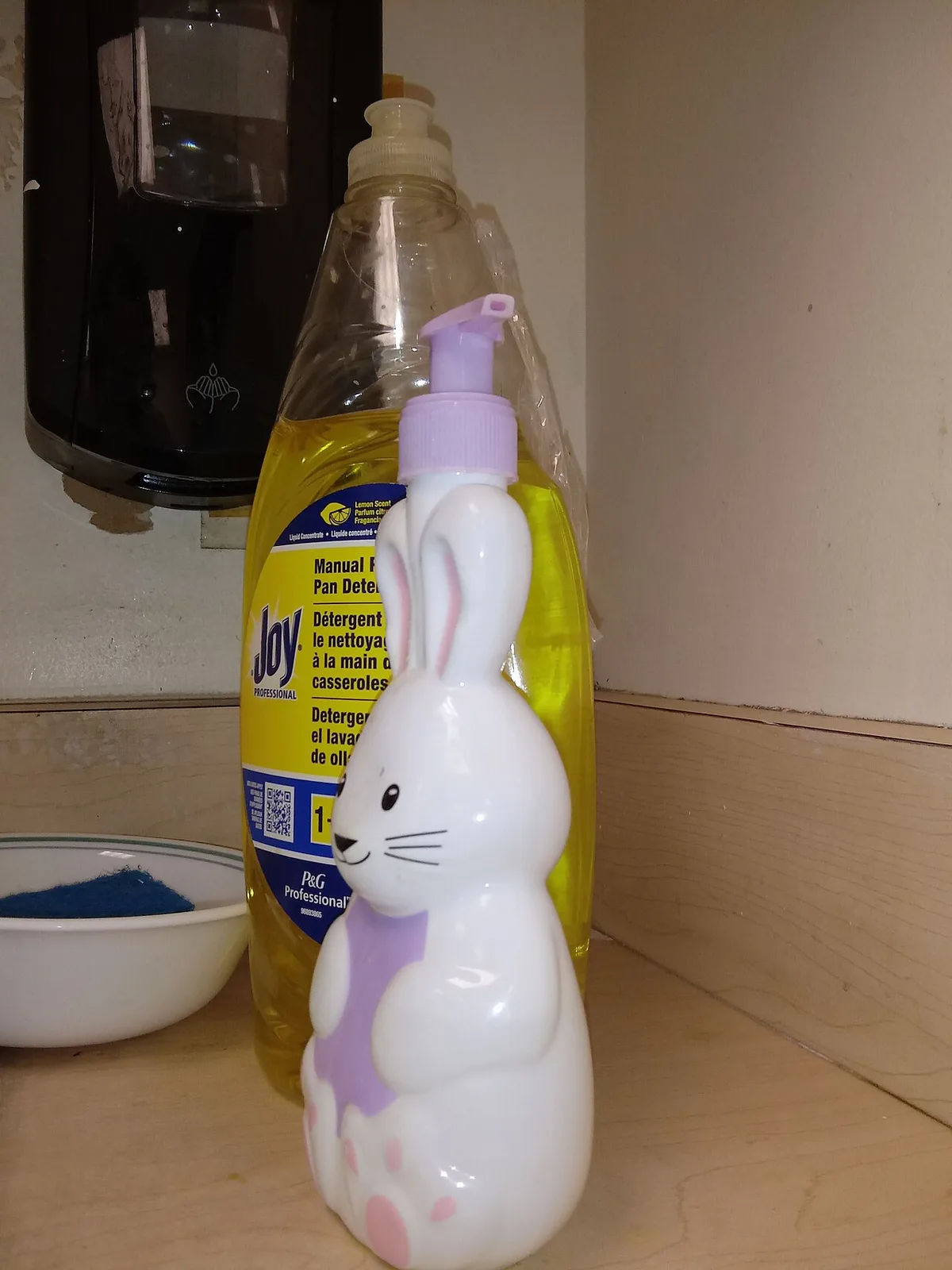
Car paint and clear coats are designed to withstand specific cleaning agents. Dish soaps are formulated for dishes, not cars. Over time, these can break down the protective layers on your car, leaving it vulnerable to UV damage, oxidation, and a dull appearance.
How Joy Dish Soap Actually Works on Car Paint
Joy dishwashing liquid works by breaking down oils and grease with surfactants. These same properties make it effective at lifting dirt and grime off your car’s surface. When you apply it, the soap molecules surround and lift away contaminants, which is why it can leave your car looking clean after a wash.
However, the same surfactants that make Joy great for dishes can also strip away the wax or sealant protecting your car’s paint. Without this protection, your car is more susceptible to environmental damage like UV rays, bird droppings, and road salt.
The pH Problem: Why Most Dish Soaps Are Harsh on Your Car
The pH level of a cleaning product determines how acidic or alkaline it is. Car paint and clear coats are designed to handle a neutral to slightly acidic pH, typically between 6 and 8. Joy dishwashing liquid, like many dish soaps, has a pH around 9, 10, which is alkaline.
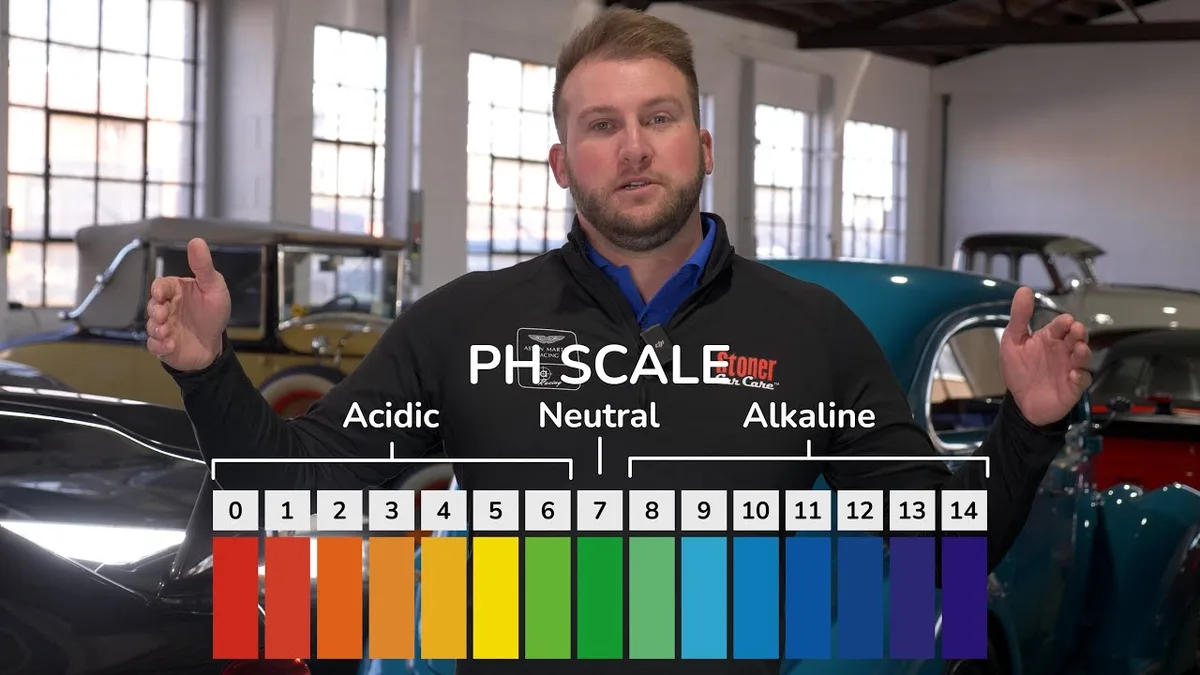
High-alkaline cleaners can break down the oils in your car’s wax and sealants, reducing their effectiveness. Over time, this can lead to a buildup of microscopic scratches, known as swirl marks, and a dull, faded appearance.
When It’s Okay to Use Joy on Your Car
If you’re in a pinch and have no other options, Joy can be used to wash your car. It’s best for emergency situations, like removing heavy grime or contaminants that regular car soap can’t handle. For example, if you’ve driven through a construction zone and your car is caked in mud or tar, Joy’s degreasing power can help lift those tough stains.
That said, it should never be your go-to choice. If you do use it, dilute it heavily, about one tablespoon of Joy per gallon of water, to reduce its harshness. Even then, follow up with a fresh coat of wax or sealant to restore protection.
When You Should Never Use It
Never use Joy dishwashing liquid on cars with fresh wax or sealant. The soap will strip it away in one wash. Avoid it on older paint or clear coat that’s already faded or oxidized.
Skip it entirely if your car has a ceramic coating. These coatings cost hundreds to apply, and dish soap can degrade them faster than specialized cleaners. Also avoid Joy on matte or satin finishes, as the cleaners can leave streaks or discoloration that’s hard to fix.
Step-by-Step: How to Wash Your Car with Joy (If You Must)
Rinse the car thoroughly first. This removes loose dirt that could scratch the paint during washing. Use a hose with a nozzle or a pressure washer on a low setting.
Mix one tablespoon of Joy per gallon of water in a bucket. More soap doesn’t mean better cleaning, it just increases the risk of residue. Use a separate bucket for your rinse water to avoid reapplying dirt.
Wash in sections, starting from the top. Use a microfiber wash mitt or sponge to avoid scratching. Work the soap into the surface gently, don’t scrub hard.
Rinse each section immediately after washing to prevent the soap from drying on the paint.
Dry the car with a clean microfiber towel. This prevents water spots. After drying, inspect the paint for any streaks or residue.
If you see any, rinse and dry that area again.
What Happens If You Use It Too Often?
Regular use of Joy can strip wax and sealant. Without this protection, your car’s paint is exposed to UV rays, bird droppings, and road grime. Over time, this leads to fading and a dull appearance.
The alkaline pH can also break down the clear coat. This makes the paint more susceptible to scratches and swirl marks. You might notice the paint feeling rough to the touch, which is a sign of damage.
Long-term use can cause oxidation. This is when the paint starts to look chalky or hazy. Fixing this requires polishing or even repainting, which is expensive.
Joy vs. Car Shampoo: The Real Differences
Car shampoos are pH-balanced, usually between 6 and 8. This makes them gentle on paint and clear coat. They also contain lubricants that help lift dirt without scratching.
Joy dishwashing liquid has a pH around 9, 10. It’s designed to cut through grease, which is great for dishes but harsh on cars. It lacks the lubricants found in car shampoos, so it doesn’t protect the paint as well.
Car shampoos often include conditioners that enhance shine. Joy doesn’t have these additives. It’s also more likely to leave residue, which can be hard to rinse off completely.
Here’s a quick comparison:
| Feature | Joy Dish Soap | Car Shampoo |
|---|---|---|
| pH Level | 9–10 | 6–8 |
| Grease Cutting | High | Moderate |
| Paint Protection | Low | High |
| Residue Risk | High | Low |
| Cost | Low | Moderate |
The Long-Term Damage You Might Not See
The damage from using Joy isn’t always visible right away. Over time, the clear coat can thin out, making the paint more vulnerable to chips and scratches. This reduces the car’s resale value.
You might also notice water spots becoming more frequent. These are mineral deposits left behind when water evaporates. Dish soap can make these spots harder to remove because it doesn’t rinse as cleanly as car shampoo.
Another hidden issue is the breakdown of protective coatings. If your car has a ceramic coating or sealant, Joy can shorten its lifespan. Reapplying these coatings is costly, often running into the hundreds of dollars.
How to Fix Mistakes If You’ve Already Used It
If you’ve used Joy and notice streaks or residue, rinse the car immediately with clean water. This removes any leftover soap that could continue damaging the paint. Use a microfiber towel to dry the surface thoroughly.
For dullness or minor swirl marks, apply a quick detailer or spray wax. This restores some shine and adds a temporary protective layer. If the damage is more severe, like oxidation or deep scratches, you may need a clay bar treatment followed by polishing and waxing.
Pro Tips to Minimize the Risk
If you must use Joy, always dilute it more than you think you need. One tablespoon per gallon is the maximum. More soap doesn’t clean better, it just increases the risk of stripping wax or leaving residue.
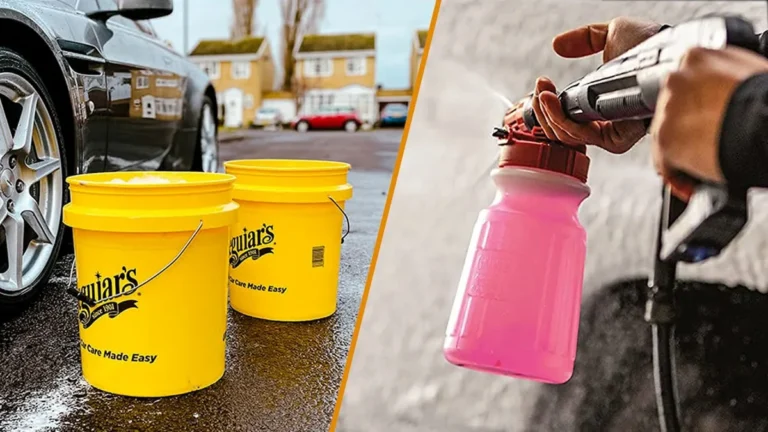
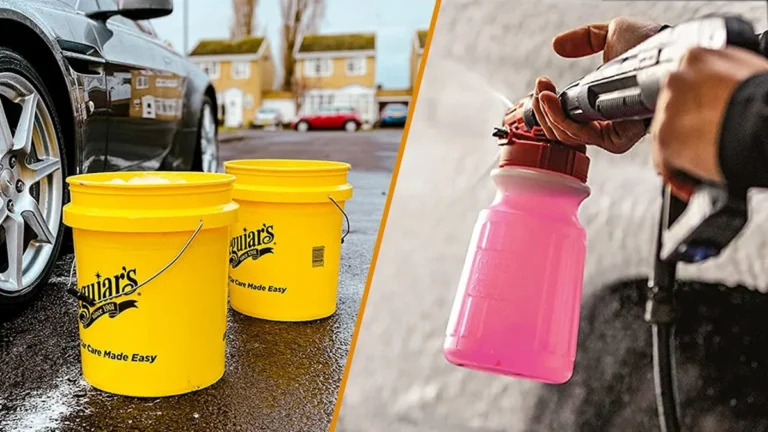
Use the two-bucket method. One bucket holds your soapy water, the other holds clean rinse water. This prevents dirt from being reapplied to the car’s surface.
Also, wash in the shade to avoid the soap drying too quickly, which can cause spots.
After washing, apply a fresh coat of wax or sealant. This restores the protective layer that Joy may have stripped. Even a quick spray wax can help until you can do a full wax job.
Better Alternatives If You Don’t Have Car Soap
Baby shampoo is a gentler alternative. It’s pH-balanced and won’t strip wax like dish soap. Mix a few ounces with water in a bucket and use it like regular car shampoo.
Mild hand soap can also work in a pinch. Look for a pH-neutral option without added moisturizers or fragrances. These can leave residue on the paint.
If you have access to a car wash, use their soap. Most self-serve car washes use pH-balanced cleaners designed for automotive paint. This is a safer option than using dish soap at home.
Final Verdict: Should You Use Joy on Your Car?
No, Joy dishwashing liquid isn’t ideal for regular car washing. It’s too harsh for automotive paint and clear coat. The alkaline pH and strong degreasers can strip wax, dull the finish, and cause long-term damage.
Use it only in emergencies when you have no other options. Even then, dilute it heavily and follow up with a protective wax or sealant. For regular maintenance, invest in a quality car shampoo to keep your paint looking its best.
Frequently Asked Questions
Can I use Joy dish soap on my car’s wheels?
Yes, but with caution. Wheels are more durable than paint, but Joy can still strip protective coatings. Use a dedicated wheel cleaner for best results.
Will Joy dish soap remove car wax?
Yes, it likely will. The degreasers in Joy break down wax and sealants. You’ll need to reapply wax after using it.
How often can I safely use Joy on my car?
Limit it to once every few months at most. Frequent use will damage the paint and clear coat over time.
Is Joy better than other dish soaps for washing cars?
No, most dish soaps have similar pH levels and degreasing properties. None are ideal for regular car washing.
Can I mix Joy with car shampoo?
It’s not recommended. Mixing them can reduce the effectiveness of the car shampoo and increase the risk of damage. Stick to one or the other.