ByMax Lee
Kentucky Move-Over Law: What Drivers Must Know
Bing (Web (fair-use with source credit))
Kentucky’s move-over law exists to protect first responders and roadside workers from preventable accidents. The Kentucky move-over law requires drivers to change lanes or slow down when approaching stationary emergency vehicles with flashing lights. It’s not just a courtesy, it’s the law, and violating it can result in fines and points on your license.
As of 2026, Kentucky Revised Statutes (KRS 189.930) mandates this action for all drivers on multi-lane roads. Understanding the specifics can mean the difference between compliance and a traffic citation.
Quick Answer
The Kentucky move-over law requires you to move to a non-adjacent lane when safe. If you can’t, slow down to a reasonable speed. It applies to emergency vehicles, tow trucks, and highway maintenance vehicles.
Fines for non-compliance can reach $250.
Why This Law Exists (And Who It Protects)
This law was created to reduce accidents involving roadside workers and emergency personnel. Every year, first responders and maintenance crews are injured or killed by passing vehicles. The law aims to create a safer buffer zone for anyone working near active traffic.

Bing (Web (fair-use with source credit))
In Kentucky, this includes police officers, firefighters, EMS workers, tow truck operators, and highway maintenance crews. According to the Kentucky Transportation Cabinet, these workers face significant risks while performing their duties on the state’s roadways.
The Exact Rules: When to Move Over vs. Slow Down
The law is clear: if you’re on a multi-lane road and see a stationary vehicle with flashing red, blue, or amber lights, you must move to a non-adjacent lane if it’s safe to do so. If you can’t move over safely, you must slow down to a speed that’s reasonable for the conditions.
On two-lane roads, the requirement shifts to slowing down. The key is to reduce your speed significantly below the posted limit. This ensures you’re not putting workers or yourself at risk.
Which Vehicles Trigger the Move-Over Law in Kentucky
Not all vehicles require you to move over. The law specifically applies to:
- Police cars
- Fire trucks
- Ambulances
- Tow trucks
- Highway maintenance vehicles

Bing (Web (fair-use with source credit))
These vehicles must be stationary with their flashing lights activated. If they’re moving, the standard right-of-way rules apply instead.
What Happens If You Don’t Comply
Failing to follow Kentucky’s move-over law can result in a fine of up to $250. You may also receive points on your driver’s license, which could lead to higher insurance premiums. More importantly, non-compliance puts lives at risk.
The Kentucky State Police actively enforce this law, and violations are taken seriously. In cases where non-compliance leads to an accident, the penalties can be even more severe, including potential criminal charges.
How to Safely Move Over (Step-by-Step)
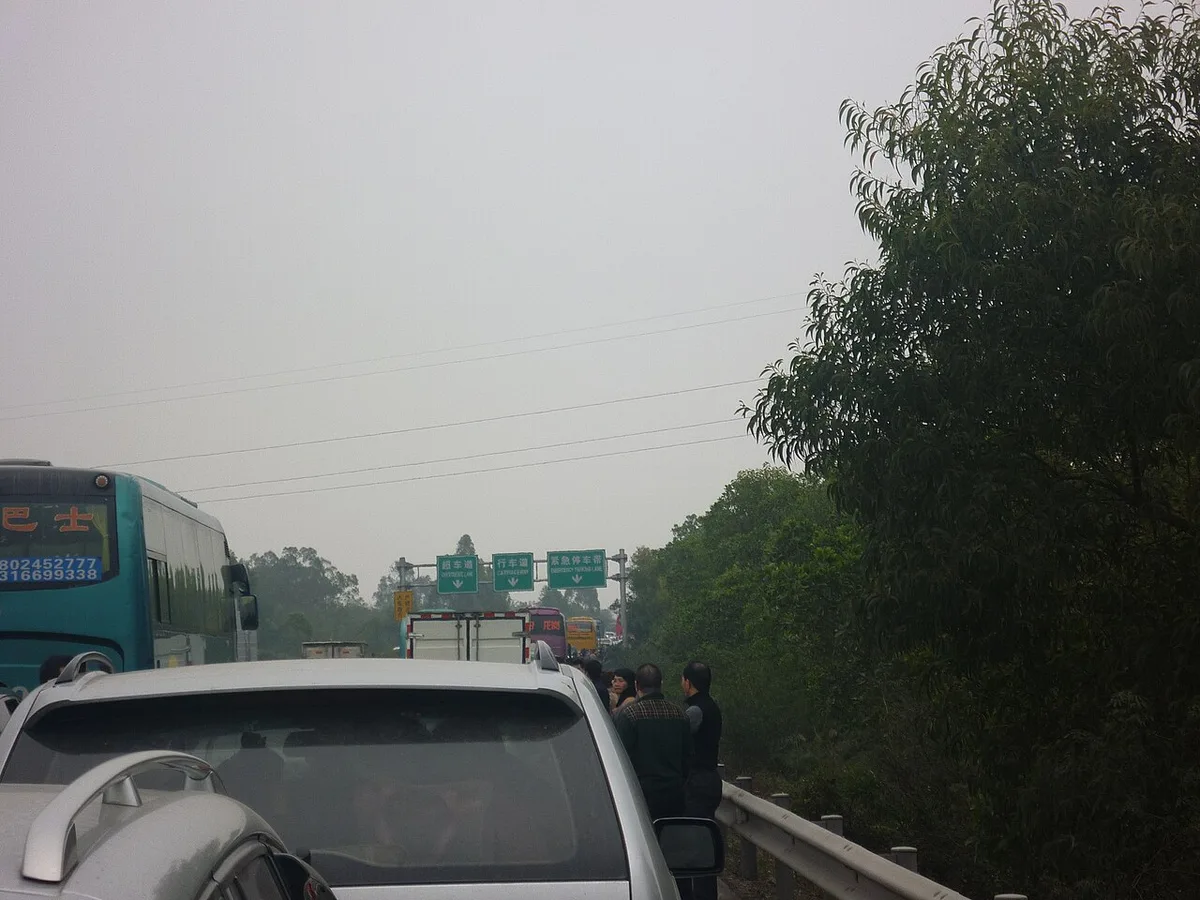
Wikimedia Commons / 寿司猫 (CC BY-SA)
First, scan the road ahead for flashing lights. Check your mirrors and blind spots before changing lanes. Signal early to alert other drivers of your intention.
If traffic is heavy, slow down instead of forcing a lane change. Maintain a safe following distance from the stationary vehicle. Never speed up to pass emergency or maintenance vehicles.
When You Can’t Move Over—What to Do Instead
If moving over isn’t possible, reduce your speed significantly. The law requires you to slow to a speed that’s reasonable for the conditions. This typically means well below the posted limit.
On narrow roads or in heavy traffic, slowing down is your only safe option. Always prioritize safety over speed.
Common Mistakes Drivers Make (And How to Avoid Them)
Many drivers fail to notice flashing lights in time. Always stay alert, especially in work zones or areas with heavy emergency activity. Distractions like phones or loud music can cause you to miss critical signals.
Another mistake is assuming the law only applies to police cars. It covers all emergency and maintenance vehicles with flashing lights. Ignoring tow trucks or highway crews can still result in a fine.
Kentucky vs. Other States: How Move-Over Laws Differ
Most states have move-over laws, but the specifics vary. Some require moving over only for emergency vehicles, while others include maintenance and utility vehicles. Kentucky’s law is broader, covering a wide range of stationary vehicles.
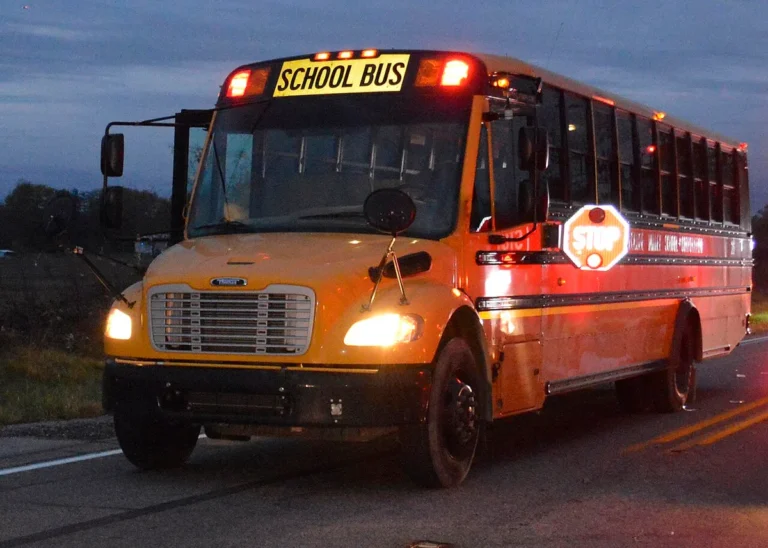
In states like Florida, the penalties for non-compliance can be even stricter. For example, Florida’s school bus stop law carries heavy fines for violations.
Real-Life Scenarios: What This Looks Like on the Road
Imagine driving on I-65 and seeing a police car with flashing lights ahead. You should move to the far lane if possible. If not, slow down and proceed with caution.
On a two-lane road, you’ll need to slow down significantly when passing a tow truck assisting a stranded motorist. The same applies to construction zones where workers are present.
FAQs About Kentucky’s Move-Over Law
Does the move-over law apply to funeral processions?
No, Kentucky’s law only covers stationary vehicles with flashing emergency or maintenance lights. Funeral processions don’t trigger the requirement unless they’re accompanied by police with activated lights.
What’s the fine for violating the move-over law?
The penalty is up to $250. You may also receive points on your license, which can affect insurance rates.
Do I have to move over for a parked police car with no lights on?
No, the law only applies when the vehicle’s flashing lights are activated. A parked police car without lights doesn’t require you to move over or slow down.
Can I get pulled over for not moving over on a single-lane road?
Yes, but the requirement changes. On two-lane roads, you must slow down significantly instead of changing lanes.
Does the law apply to private property or parking lots?
No, it only applies to public roadways. Private property and parking lots are exempt.
What if I can’t see the flashing lights until the last second?
You’re still required to react safely. The law expects drivers to remain alert and adjust speed or position when possible.