Kentucky work zone driving rules exist to protect both drivers and road workers, but many motorists still get ticketed or cause accidents by ignoring them. These regulations are strictly enforced, with fines doubled in active work zones and serious penalties for endangering workers.
As of 2026, Kentucky sees roughly 800 work zone crashes annually, with about 10% involving injuries or fatalities. Knowing the rules isn’t just about avoiding fines, it’s about keeping everyone safe.
Quick Answer
Kentucky work zone driving rules require reduced speeds and heightened awareness. Fines double for speeding in these areas. You must obey all signs, flaggers, and temporary traffic signals.
Workers must be given a safe buffer.
Why Kentucky Work Zone Rules Matter (And the Risks of Getting Them Wrong)
Work zones are high-risk areas where normal traffic patterns change suddenly. In Kentucky, ignoring these rules can lead to hefty fines, points on your license, or even criminal charges if a worker is injured.
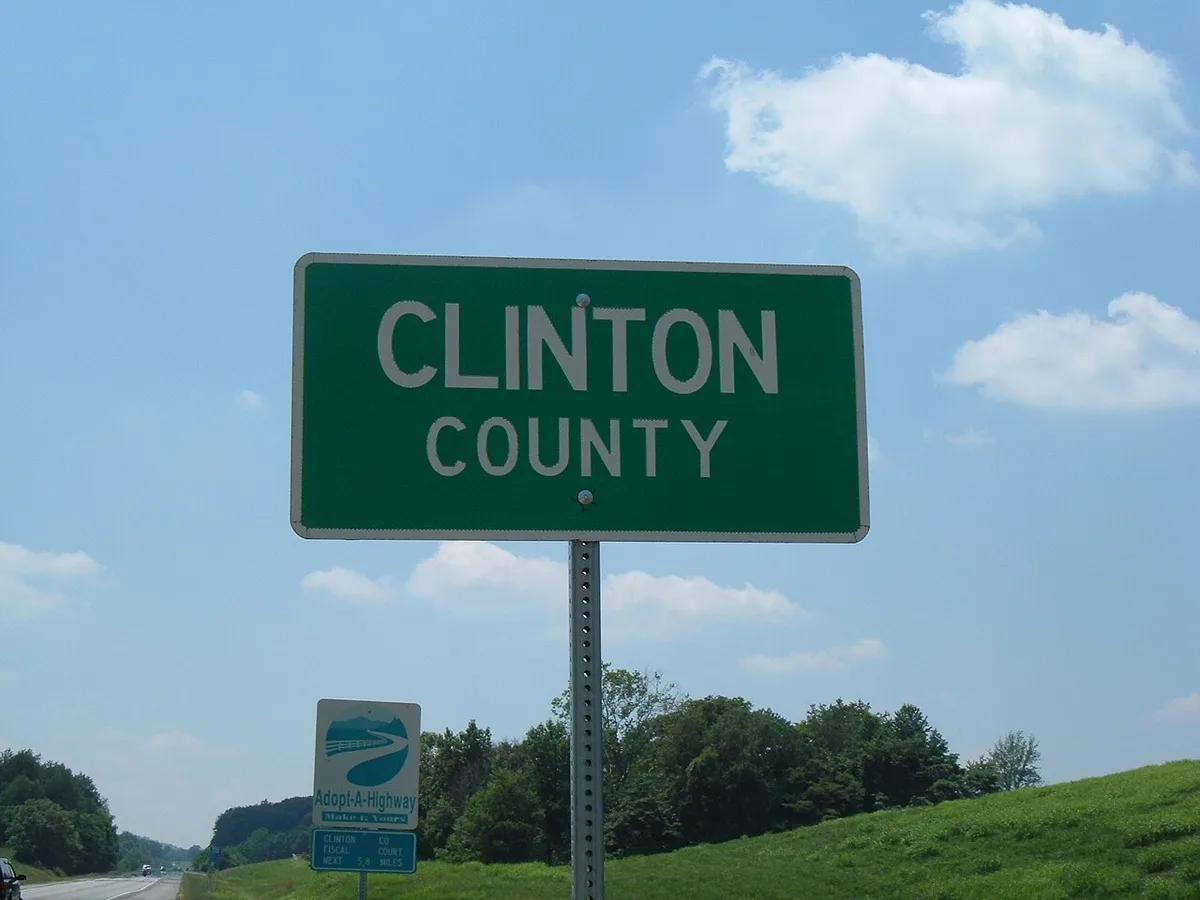
The Kentucky Transportation Cabinet (KYTC) reports that most work zone accidents happen because drivers are distracted or speeding. Under KRS 189.394, the state enforces double fines for speeding violations in active work zones. If you hit a worker, you could face a Class D felony, which carries up to 5 years in prison.
These rules aren’t just suggestions. They’re legally binding, and law enforcement actively patrols work zones. The risks go beyond legal consequences, work zone crashes often result in severe injuries or fatalities for both drivers and construction crews.
The Core Rules You Must Follow in Kentucky Work Zones
Kentucky’s work zone regulations are clear, and breaking them comes with serious penalties. Here’s what you need to know:
- Reduced Speed Limits: Work zones typically have speed limits 10, 20 mph below the normal posted limit. For example, a 55 mph highway may drop to 45 mph in a work zone.
- Double Fines: Speeding tickets in work zones cost twice the normal amount. A $100 fine becomes $200.
- Obey All Signs: Orange diamond-shaped signs indicate work zones. Ignoring them is a violation.
- No Distractions: Using a phone or other distractions in a work zone can lead to additional penalties.
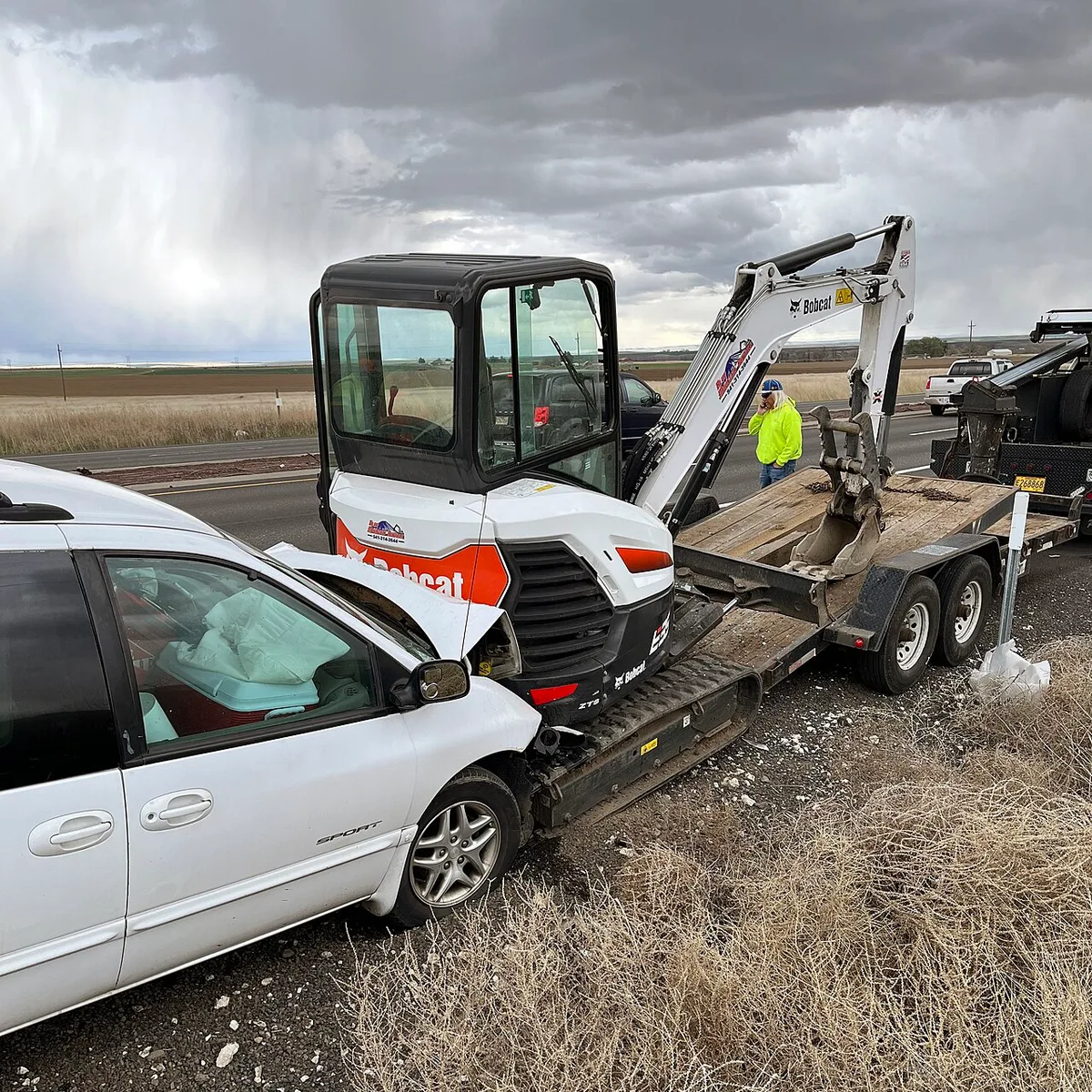
The Kentucky Revised Statutes (KRS) Chapter 189 outlines these requirements, and the Kentucky Administrative Regulations (KAR) Title 602 provide additional details on traffic control. These rules apply 24/7, even when workers aren’t present.
Speed Limits, Fines, and Penalties Explained
Kentucky doesn’t mess around with work zone violations. Here’s the breakdown:
| Violation | Fine | Additional Penalties |
|---|---|---|
| Speeding in work zone | Double the normal fine | Points on license |
| Reckless driving | Up to $500 | License suspension possible |
| Injuring a worker | Class D felony | Up to 5 years in prison |
| Ignoring flagger signals | Up to $250 | Possible license points |
Speed limits in work zones are temporary but mandatory. If the posted limit is 45 mph, going 55 mph means you’re speeding, and the fine will be doubled. KYTC often uses automated speed cameras in high-risk zones, so you won’t always see a police officer to pull you over.
Penalties escalate if your actions endanger workers. Under KRS 189.930, Kentucky’s Move Over Law also applies in work zones. If you see a KYTC vehicle or emergency responder stopped with lights flashing, you must slow down or change lanes to give them space.
How Work Zones Are Set Up (And What Each Sign Means)
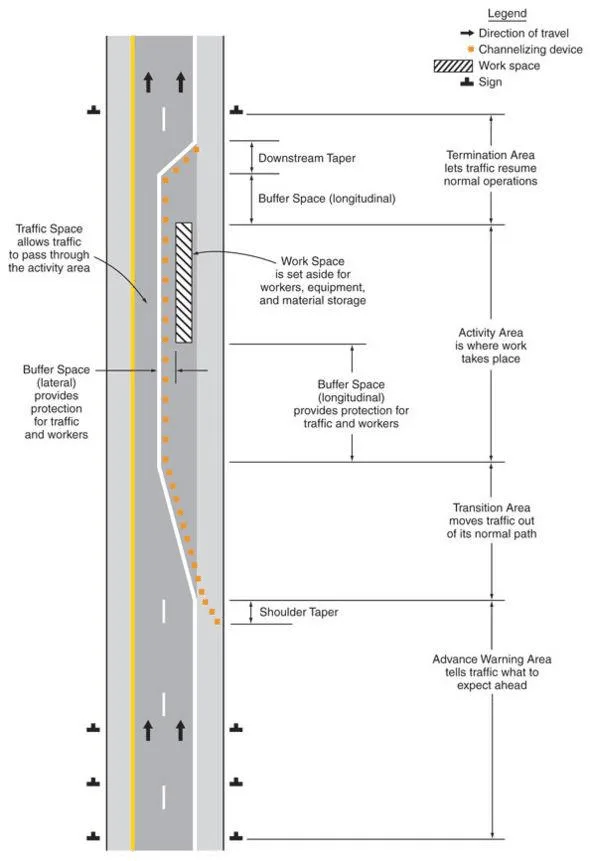
Work zones follow a standardized layout to warn drivers and guide them safely through the area. KYTC uses a four-part system:
- Advance Warning Area: Orange signs appear 1, 2 miles before the work zone. These include messages like "Road Work Ahead" or "Lane Closed Ahead."
- Transition Area: This is where traffic patterns change. You’ll see tapered lane closures, merge signs, or "Reduce Speed" warnings.
- Activity Area: This is where the actual work happens. Expect workers, equipment, and temporary barriers. Speed limits are lowest here.
- Termination Area: The work zone ends, and normal speed limits resume. Look for "End Road Work" signs.
Common signs you’ll encounter include:
- "Workers Ahead", Slow down and watch for people.
- "Uneven Lanes", The road surface may be rough or uneven.
- "Flagger Ahead", A person will direct traffic; obey their signals.
- "Fines Double", A reminder that speeding penalties are increased.
These signs are not optional. They’re placed according to KAR 602:017, which sets Kentucky’s traffic control standards for work zones.
What to Do When You See a Flagger or Construction Worker
Flaggers have the same authority as traffic signals. When you see one, slow down and follow their directions immediately.
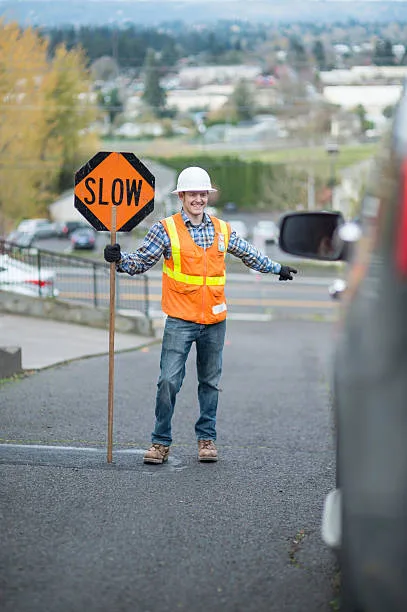
Flaggers use standardized signals:
- Stop: Red flag raised straight or paddle showing "STOP."
- Slow Down: Orange flag waved slowly.
- Go: Green flag or paddle lowered, arm motioning you forward.
Never assume a flagger’s signal is for someone else. Disobeying can result in a $250 fine or worse if it causes an accident. Workers often wear high-visibility vests and hard hats, so they’re easy to spot.
Kentucky’s Move Over Law in Work Zones
Kentucky’s Move Over Law applies to work zones too. If you see a KYTC vehicle, emergency responder, or utility truck stopped with flashing lights, you must slow down or change lanes to give them space.
This law is covered under KRS 189.930. Failing to comply can result in a $250 fine and points on your license. The rule exists to protect workers who are often just feet away from live traffic.
If you can’t safely change lanes, reduce your speed significantly below the posted limit. This gives workers a buffer from passing vehicles.
Common Mistakes That Lead to Tickets or Accidents
Most work zone violations happen because drivers aren’t paying attention. Here are the biggest mistakes to avoid:
- Speeding: Even 5 mph over the limit can trigger a double fine.
- Distracted Driving: Using a phone or adjusting the radio takes your eyes off the road.
- Ignoring Signs: Temporary signs are legally binding. Pretending you didn’t see them won’t get you out of a ticket.
- Improper Merging: Last-second lane changes cause accidents. Merge early and smoothly.
- Following Too Closely: Keep at least 3 seconds of following distance. Work zones often have sudden stops.
KYTC data shows that rear-end collisions are the most common work zone accidents. These usually happen because drivers don’t maintain a safe following distance.
How to Drive Safely Through a Work Zone (Step by Step)
Follow these steps to stay safe and avoid fines:
- Watch for Warning Signs: Orange signs mean a work zone is ahead. Start slowing down immediately.
- Check Your Speed: Reduce your speed to the posted limit before entering the work zone.
- Turn On Headlights: Even during the day, headlights make you more visible to workers.
- Stay Alert: Scan for workers, equipment, and changing traffic patterns.
- Obey Flaggers: Follow their signals without hesitation.
- Keep a Safe Distance: Maintain extra space between you and the car in front.
- Avoid Distractions: Put your phone away and focus on the road.
- Expect Delays: Work zones slow traffic. Leave early if you’re on a schedule.
If you see a "Road Work Ahead" sign but no workers, the rules still apply. Speed limits and lane restrictions remain in effect until you pass the "End Road Work" sign.
Where to Find Real-Time Work Zone Updates in Kentucky
KYTC provides up-to-date information on active work zones. The best resource is the GoKy.ky.gov website, which lists current projects, lane closures, and detours.
You can also use:
- 511 Kentucky: Dial 511 from any phone for traffic updates.
- KYTC Social Media: Follow @KYTC on Twitter for real-time alerts.
- Waze or Google Maps: These apps often include user-reported work zone delays.
Planning your route ahead of time can save you from unexpected delays. If you’re traveling through a known work zone, consider leaving earlier or taking an alternate route.
Work Zone Accidents: Who’s at Fault and What Happens Next
If you cause an accident in a work zone, liability typically falls on the driver. Kentucky law presumes you’re at fault if you violate posted rules like speed limits or flagger instructions.
Workers injured in a crash can sue for damages. If you’re found negligent, your insurance may cover medical bills and property damage, but your premiums will likely rise. In extreme cases, criminal charges apply.
KYTC investigates serious work zone accidents. If you’re cited for reckless driving or speeding, that citation can be used as evidence in civil court.
FAQs About Kentucky Work Zone Driving Rules
Are work zone speed limits enforced when no workers are present?
Yes. The reduced speed limit applies 24/7 as long as the work zone signs are up. Cameras or patrol officers may still issue tickets.
What’s the fine for speeding in a Kentucky work zone?
It’s double the normal fine for that speed. For example, a $100 ticket becomes $200.
Do I have to stop for a flagger even if no one else is?
Absolutely. Flaggers have legal authority to direct traffic. Ignoring them can result in a $250 fine.
Can I use my phone in a work zone?
No. Kentucky’s distracted driving laws apply, and penalties are stricter in work zones.
How do I know when a work zone ends?
Look for the "End Road Work" sign. Normal speed limits resume only after passing this sign.
What should I do if I see a worker in the road?
Slow down immediately and be prepared to stop. Give them as much space as possible.