ByMax Lee
Kentucky Disabled Parking Permit Rules Explained
Kentucky disabled parking permit rules can be confusing, but they don’t have to be. Whether you need a temporary placard or a permanent plate, the process is straightforward once you know the requirements. As of 2026, Kentucky follows state-specific guidelines under KRS 186.570, 186.576, with clear rules on who qualifies and how to apply.
The Kentucky Transportation Cabinet oversees the program, and permits are free for first-time applicants. But there are strict rules on display, renewal, and usage, get them wrong, and you could face fines up to $250.
Quick Answer
Kentucky disabled parking permit rules allow free placards for qualifying applicants. Temporary permits last up to 6 months. Permanent permits are valid for 5 years.
All permits must be certified by a licensed medical professional.
Do You Qualify for a Kentucky Disabled Parking Permit?
You’re eligible if you have a mobility impairment that limits walking, use a wheelchair, or have a condition that requires portable oxygen. Veterans with service-connected disabilities also qualify, as do organizations transporting disabled individuals.
Bing (Web (fair-use with source credit))
Kentucky recognizes several qualifying conditions under KRS 186.572. These include:
- Inability to walk 200 feet without stopping to rest
- Need for a wheelchair, cane, or other assistive device
- Lung disease requiring portable oxygen
- Cardiac condition classified as Class III or IV by the American Heart Association
- Legal blindness
- Loss of use of one or both legs
Kentucky Disabled Parking Permit Types and Who They’re For
| Permit Type | Duration | Who It’s For | Cost |
|---|---|---|---|
| Permanent Placard | 5 years | Long-term disabilities | Free |
| Temporary Placard | Up to 6 months | Short-term injuries or conditions | Free |
| Disabled License Plate | Permanent | Vehicle owners with long-term disabilities | $11 |
| Disabled Veteran Plate | Permanent | Veterans with service-connected disabilities | Free |
| Organization Placard | 5 years | Nonprofits transporting disabled individuals | Free |
Permanent placards are blue and hang from your rearview mirror. Temporary placards are red and must be renewed with a new medical certification each time. License plates are a good option if you own the vehicle and don’t need to transfer the permit between cars.
How to Apply for a Kentucky Disabled Parking Permit (Step by Step)
Bing (Web (fair-use with source credit))
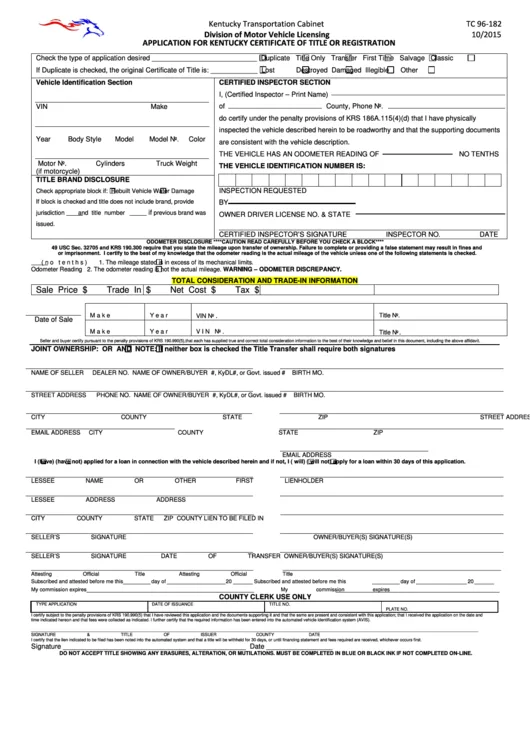
Start by getting Form TC 96-182 from your local County Clerk’s office or the KYTC website. You’ll need to complete the applicant section, then have a licensed physician, chiropractor, or advanced practice registered nurse certify your condition.
Once the form is filled out, submit it in person at your County Clerk’s office. There’s no fee for first-time placards, but license plates cost $11. Processing is usually same-day, so you can leave with your permit.
If you’re applying for a disabled veteran plate, you’ll also need to provide proof of your service-connected disability from the VA.
Medical Certification: What You Need and Who Can Sign
Your medical certification must come from a licensed professional in Kentucky. This includes:
- Medical doctors (MD)
- Doctors of osteopathy (DO)
- Chiropractors (DC)
- Advanced practice registered nurses (APRN)
The certification must confirm your qualifying condition and, for temporary permits, specify the duration of your limitation.
Temporary vs. Permanent Permits: Key Differences
Temporary permits are for short-term needs like post-surgery recovery. They last up to 6 months and require a doctor’s note specifying the duration.
Permanent permits are for long-term disabilities. They’re valid for 5 years and don’t need renewal unless expired. You can get a placard or a license plate, but plates are tied to one vehicle.
If your condition improves, you must return the permit to the County Clerk. Misusing a permit after recovery can lead to fines.
Kentucky Disabled Parking Placard vs. License Plate
Placards are portable and can be moved between vehicles. They must hang from the rearview mirror or sit on the dashboard when parked.
License plates are fixed to one vehicle. They’re ideal if you own the car and don’t need to switch permits. The cost is $11 for initial issuance and renewal.
Placards are free for first-time applicants. Replacements cost $10. Both options give you the same parking privileges.
Where and How to Display Your Permit (Avoid Fines)

Bing (Web (fair-use with source credit))
Your placard must be visible when parked. Hang it from the rearview mirror or place it on the dashboard if there’s no mirror.
Never leave it in the glove box or trunk. If it’s not displayed, you can be ticketed even if you have a valid permit.
Remove the placard when driving. It’s illegal to have it hanging while the vehicle is in motion.
Kentucky Disabled Parking Laws: What’s Legal and What’s Not
Bing (Web (fair-use with source credit))
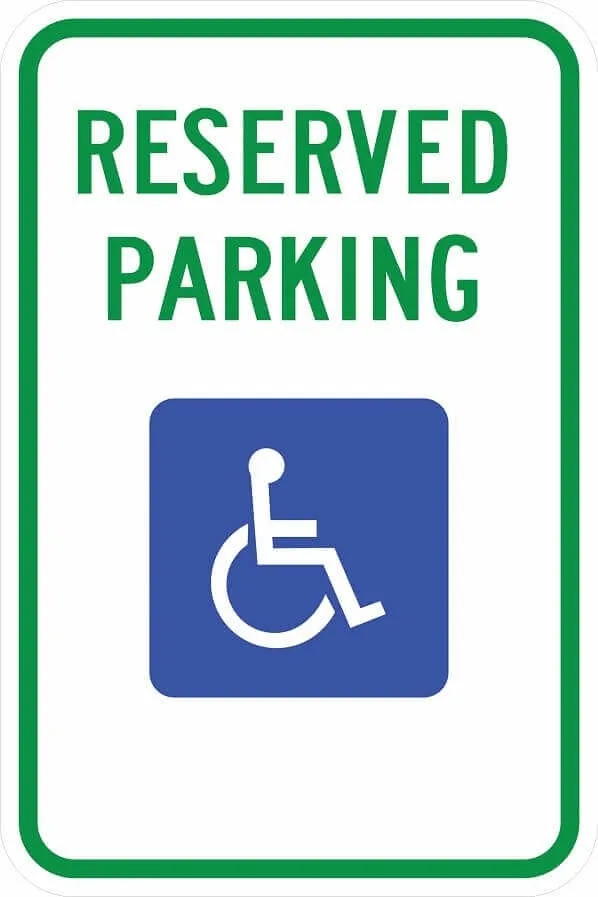
Parking in a designated ADA spot without a permit can result in a $250 fine. Using someone else’s permit is also illegal and carries the same penalty.
You can park in metered spaces for free where local laws allow. But check municipal rules, as some cities still require payment.
Never park in striped access aisles. These are for wheelchair loading and unloading. Fines for blocking them can reach $500.
Out-of-State Permits: Does Kentucky Honor Them?
Kentucky recognizes all valid disabled parking permits from other states. You can use your out-of-state placard or plate the same way you would in your home state.
The same display rules apply. Your permit must be visible when parked, and you must follow Kentucky’s parking laws.
If you’re a Kentucky resident with an out-of-state permit, you should apply for a Kentucky permit as soon as possible. Out-of-state permits are only valid for visitors.
Common Mistakes That Get You Fined (And How to Avoid Them)
Using an expired permit is a quick way to get ticketed. Check the date and renew before it lapses.
Lending your placard to a friend or family member is illegal. Permits are issued to individuals, not vehicles. If someone else uses it, you both risk fines.
Forgetting to display the placard when parked in a disabled spot can also get you a ticket. It must be visible at all times.
Disabled Veteran Parking Benefits in Kentucky
Veterans with service-connected disabilities can get a free disabled veteran license plate. You’ll need VA documentation confirming your disability rating.
These plates offer the same parking privileges as regular disabled plates. They’re permanent and tied to your vehicle.
You can also apply for a disabled placard if you prefer the flexibility of transferring it between cars.
Renewing or Replacing a Lost or Stolen Permit
Permanent permits expire after 5 years. You’ll need to renew through your County Clerk’s office. No new medical certification is required unless your condition has changed.
Temporary permits can’t be renewed. You must reapply with a new doctor’s note each time.
If your placard is lost or stolen, report it to the KYTC immediately. You’ll need to fill out an affidavit (Form TC 96-182A) and pay a $10 replacement fee.
Costs, Fees, and Processing Times in Kentucky
First-time placards are free. Replacements cost $10.
Disabled license plates cost $11 for initial issuance and renewal. Disabled veteran plates are free with proper VA documentation.
Processing is usually same-day at your County Clerk’s office. You can often leave with your permit the same day you apply.
Safety / Legal / Compliance / Warnings
Misusing a disabled parking permit is a misdemeanor in Kentucky. Fines can reach $250, and repeat offenses may lead to higher penalties.
Never alter or forge a permit. This is a criminal offense and can result in legal action beyond just fines.
Always follow local parking laws. Some cities have additional rules about metered parking or time limits, even with a disabled permit.
Frequently Asked Questions
How long does a Kentucky disabled parking permit last?
Permanent permits are valid for 5 years. Temporary permits last up to 6 months, as specified by your doctor.
Can I use my Kentucky permit in another state?
Yes. Kentucky permits are honored in all 50 states, and Kentucky recognizes out-of-state permits as well.
What’s the fine for misusing a disabled parking permit in Kentucky?
The fine is up to $250. Using someone else’s permit or parking illegally in a disabled spot can result in this penalty.
Do I need a new medical certification to renew my permanent permit?
No. Permanent permits don’t require a new certification unless your condition has changed.
Can I get a disabled parking permit for a temporary injury?
Yes. Temporary permits are available for short-term conditions, but they require a doctor’s note specifying the duration.