Kentucky parking regulations can trip up even lifelong residents. The rules change by city, county, and even street, and what’s fine in one spot could earn you a ticket, or a tow, in another. As of 2026, the Kentucky Revised Statutes and local ordinances set the baseline, but enforcement varies widely.
Most violations start with simple oversights, like missing a no-parking sign or overstaying a meter. The Kentucky Transportation Cabinet reports that snow emergency bans alone lead to hundreds of tows each winter.
Quick Answer
Kentucky parking regulations follow state law plus local rules. Statewide, you can’t park within 15 feet of a fire hydrant or block a driveway. Cities like Louisville and Lexington add meter limits and permit zones.
Snow emergencies trigger temporary bans on key routes. Always check signs first.
Where and When You Can (and Can’t) Park in Kentucky
Parking legality in Kentucky hinges on three layers: state law, city or county ordinances, and special circumstances like weather or events. The Kentucky Revised Statutes (KRS) Chapter 189 covers the basics, but municipalities add their own twists.
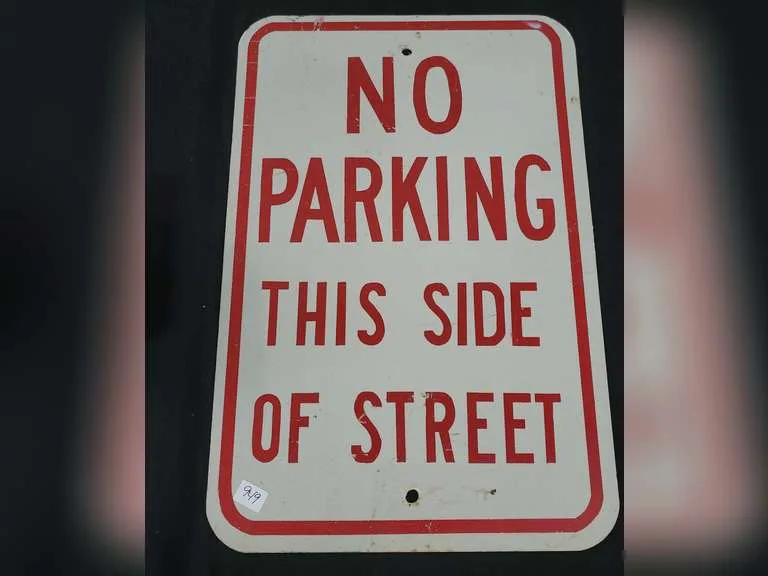
Here’s the decision tree most drivers follow:
- On public streets: Check for posted signs first. If none exist, default to state rules.
- In metered zones: Pay the fee and obey the time limit. Louisville’s meters run 8 AM, 6 PM Monday, Saturday.
- In residential areas: Some neighborhoods require permits for overnight parking. Lexington’s program covers parts of downtown and near the University of Kentucky.
- During snow emergencies: Parking bans kick in on designated routes.
If you’re unsure, the safest move is to park in a paid lot or garage. Many cities offer apps to pay meters or check restrictions in real time.
Kentucky’s Statewide Parking Rules You Should Know
These apply everywhere in Kentucky unless local laws are stricter:
- Fire hydrants: No parking within 15 feet. This is non-negotiable and enforced aggressively.
- Crosswalks and intersections: Keep 20 feet clear on all sides.
- Driveways: Blocking a private or public driveway is a ticketable offense.
- Disabled spots: Only vehicles with a valid Kentucky disabled placard or plate can park here. Fines start at $100.
- Loading zones: Reserved for active loading/unloading. Time limits are usually 15, 30 minutes.
- Overnight parking: Generally allowed on public streets unless posted otherwise.
Violating these can mean fines from $20 to $250, depending on the city. Towing is also possible, especially for fire hydrant or disabled spot violations.
How Local Parking Laws Differ by City and County
Kentucky’s biggest cities add their own rules. Here’s how they compare:
| Rule | Louisville | Lexington | Bowling Green |
|---|---|---|---|
| Meter hours | 8 AM–6 PM Mon–Sat | 8 AM–5 PM Mon–Fri | 9 AM–5 PM Mon–Fri |
| Residential permits | Required in some areas | Required in downtown/UK zones | Limited to specific neighborhoods |
| Snow emergency routes | Bardstown Rd, Shelbyville Rd | Downtown and near UK campus | State St, Campbell Lane |
| Overnight limits | None in most residential areas | 2-hour limit in some zones | None unless posted |
Louisville’s Parking Authority also enforces a "no parking" rule during street sweeping, typically posted 24 hours in advance. Lexington’s rules are stricter near the university, where student parking is limited to designated lots.
Rural counties usually follow state law only, but always check for local ordinances.
Metered Parking: Hours, Payments, and Time Limits
Metered spots are common in downtown areas, near government buildings, and in commercial districts. The rules are simple but strictly enforced.
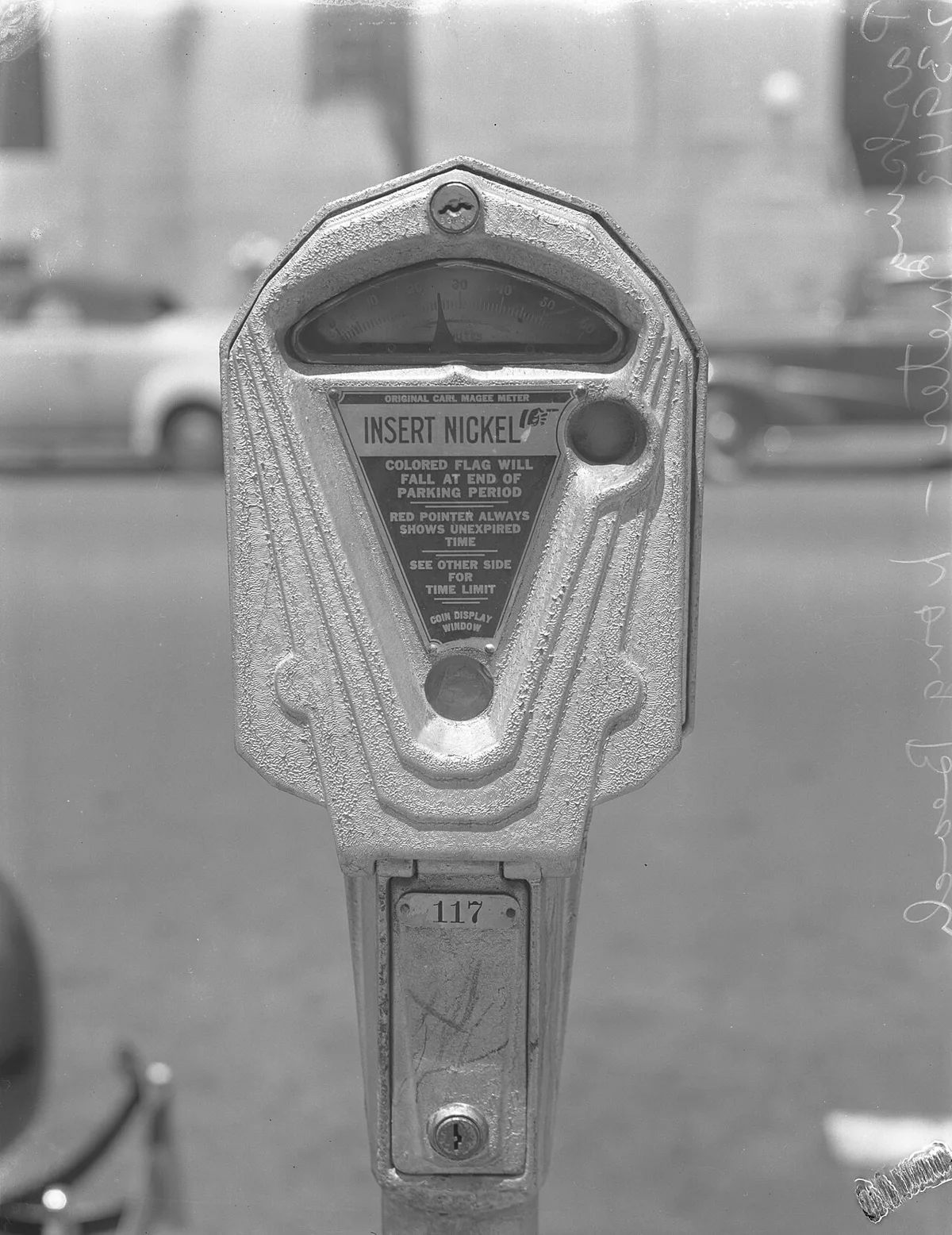
- Payment methods: Most meters accept coins, credit/debit cards, or mobile apps. Louisville uses the ParkMobile app.
- Time limits: Typically 2, 4 hours, but some spots allow all-day parking for a higher fee.
- Enforcement hours: Usually 8 AM, 5 or 6 PM, Monday through Friday. Some areas extend to Saturdays.
- Rates: $1, $3 per hour, depending on the zone.
If your time expires, you’ll usually get a $20, $50 fine. Some cities offer a short grace period, but don’t count on it. Always set a timer or use the app’s notification feature.
Residential Parking Permits—Who Needs One and How to Get It
Not every Kentucky neighborhood requires a permit, but many do. Louisville’s program covers areas like the Highlands and Old Louisville. Lexington’s applies near the University of Kentucky and downtown.
Permits are usually free or low-cost for residents. Visitor passes may cost $5, $20 per day. You’ll need proof of residency, like a utility bill or lease agreement.
Apply online through your city’s parking authority website. Processing takes 3, 5 business days. Temporary permits are often available for guests or contractors.
Disabled Parking in Kentucky: Signs, Permits, and Penalties
Kentucky follows federal ADA guidelines for disabled parking. Spots are marked with blue signs and painted symbols on the pavement.
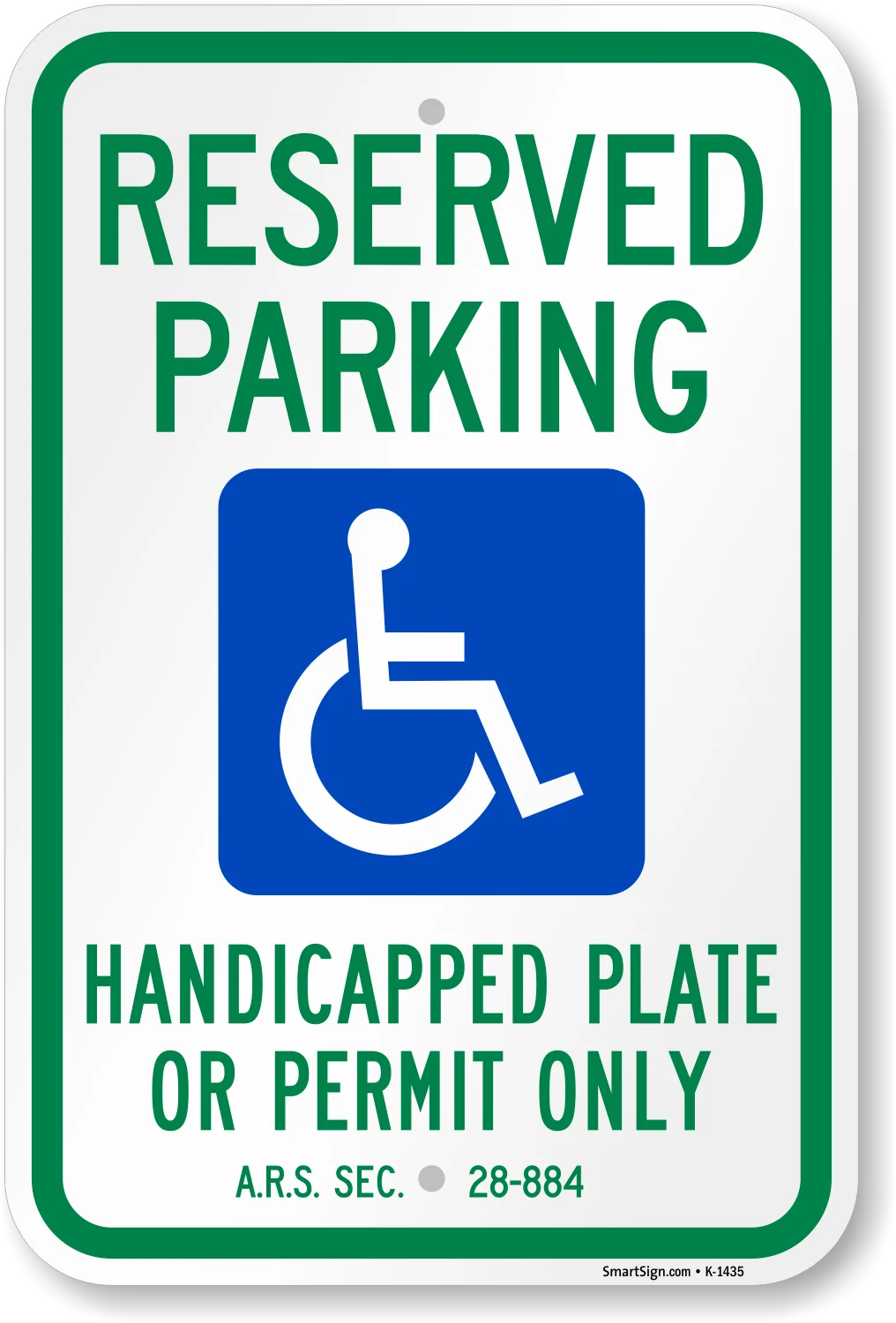
To use these spots, you need a Kentucky disabled placard or license plate. Temporary placards are available for short-term disabilities. Misusing a placard can result in a $250 fine and towing.
Placards are free and issued through the Kentucky Transportation Cabinet. You’ll need a doctor’s certification. They’re valid for up to 5 years for permanent disabilities.
No-Parking Zones You Might Not Notice (Until It’s Too Late)
Some restrictions aren’t obvious. Fire lanes are often marked with red curbs or signs. Blocking them can lead to immediate towing.
Bus stops and taxi stands are off-limits during operating hours. These are usually marked with signs, but not always. The fine is typically $50, $100.
Alleyways and private driveways are also no-parking zones. Even if it seems empty, parking there can earn you a ticket or a tow at the owner’s request.
Snow Emergency Parking: What to Do When the Ban Hits
When winter storms hit, cities declare snow emergencies. This triggers parking bans on designated routes to allow plows to clear the roads.
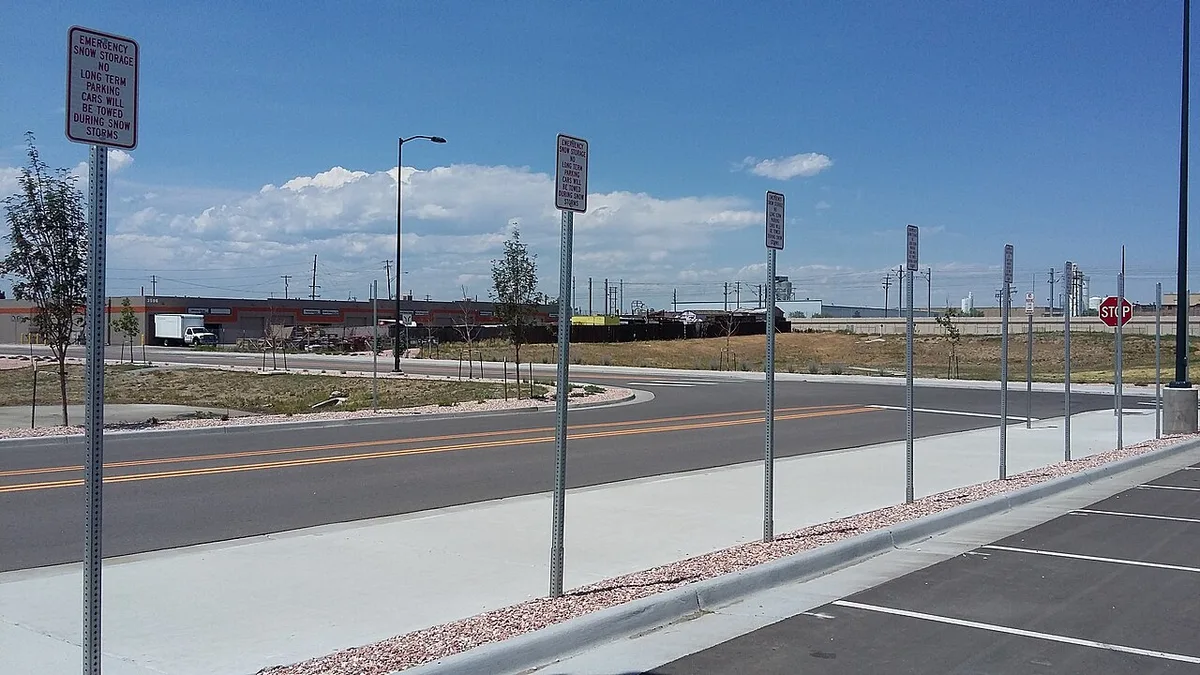
Louisville’s snow emergency routes include major roads like Bardstown Road and Shelbyville Road. Lexington’s cover downtown and areas near the university. Bowling Green’s include State Street and Campbell Lane.
During a ban, parking on these routes is prohibited until the emergency is lifted. Vehicles in violation will be towed at the owner’s expense. Fines start at $100, and towing fees can exceed $200.
The Kentucky Transportation Cabinet announces snow emergencies in advance. Sign up for alerts through your city’s notification system.
Private Property Parking and Towing—Your Rights and Risks
Private lots often have their own rules. These are posted at the entrance or on signs throughout the lot. Ignoring them can result in towing at your expense.
Kentucky law allows property owners to tow vehicles parked without permission. They must post clear signs stating the towing policy. The signs must include the towing company’s name and phone number.
If your car is towed, you’ll need to contact the towing company to retrieve it. Fees vary but typically range from $100 to $250. You may also need to pay any outstanding parking fees.
How to Fight a Parking Ticket in Kentucky (And When It’s Not Worth It)
You can contest a ticket by requesting a hearing. In Louisville, you have 14 days to appeal online or by mail. Lexington gives you 10 days.
The process usually involves submitting evidence, like photos or witness statements. If you win, the fine is dismissed. If you lose, you’ll still have to pay.
Fighting a ticket is often not worth the time unless you have clear proof of an error. For minor violations, the fine may be cheaper than the hassle.
Parking for Tourists: Downtown Louisville, Lexington, and Beyond
Downtown Louisville offers metered street parking and several garages. Rates range from $1 to $3 per hour. The Kentucky International Convention Center has a large garage with daily rates.
Lexington’s downtown has similar options. The Lexington Parking Authority operates several lots and garages. Visitor permits are available for extended stays.
For attractions like Churchill Downs or Mammoth Cave, follow posted signs. Many have designated parking areas with attendants. Overnight parking is usually allowed in these lots for a fee.
Common Parking Mistakes That Cost Kentucky Drivers
Overstaying a meter is the most common mistake. Even a few minutes past the limit can result in a fine. Always set a timer or use the parking app’s alert feature.
Parking too close to a fire hydrant is another frequent error. The 15-foot rule is strictly enforced. Measure if you’re unsure.
Ignoring snow emergency bans can be costly. Towing fees add up quickly. Always check for alerts before parking during winter storms.
Quick Reference: Kentucky Parking Fines and Towing Fees
Fines vary by city and violation. Here’s a general breakdown:
| Violation | Fine Range | Towing Fee |
|---|---|---|
| Expired meter | $20–$50 | Rare |
| Fire hydrant violation | $50–$100 | $100–$250 |
| Disabled spot misuse | $100–$250 | $100–$250 |
| Snow emergency violation | $50–$100 | $100–$250 |
| Blocking driveway | $25–$75 | Possible |
Towing fees are in addition to any fines. You’ll also need to pay daily storage fees if your vehicle isn’t retrieved quickly.
Official Resources to Check Before You Park
Always verify the latest rules before parking. Here are the best official sources:
- Kentucky Transportation Cabinet: transportation.ky.gov
- Louisville Parking Authority: louisvilleky.gov/parking
- Lexington Parking Authority: lexingtonky.gov/parking
These sites provide up-to-date information on parking regulations, permits, and snow emergency alerts. Bookmark them for quick reference.