ByMax Lee
Louisiana Off-Road Light Bar Rules: Avoid Unsafe Glare
Louisiana auxiliary lights and off-road light bars cannot be used on public highways in a manner that creates unsafe glare. This rule exists to prevent blinding other drivers and reduce accident risks on shared roads. As of 2026, Louisiana’s vehicle code aligns with federal DOT/SAE guidelines, which means even aftermarket lights must comply with glare restrictions.
Understanding the difference between legal and illegal use starts with knowing where and how these lights can operate.
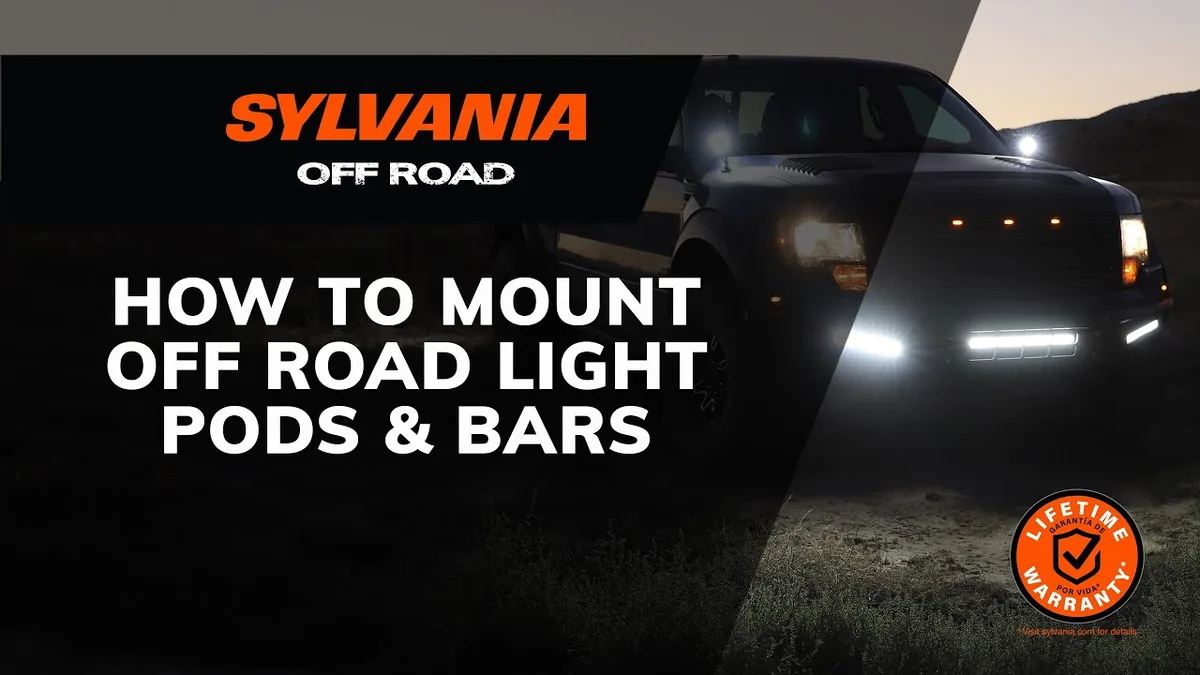
YouTube / SYLVANIA Automotive (YouTube thumbnail (fair-use with source credit))
Quick Answer
Louisiana prohibits auxiliary lights and off-road light bars on public highways if they create unsafe glare. This applies to all vehicles, including trucks and SUVs. The rule covers any lighting that blinds or distracts other drivers.
Compliance means proper aiming, brightness limits, and approved use cases.
What Louisiana’s Law Says About Auxiliary Lights and Light Bars on Public Roads
Louisiana Revised Statute 32:301 governs vehicle lighting and explicitly bans unsafe glare from any auxiliary source. Off-road light bars fall under this rule when used on public roads. The law doesn’t outlaw the lights themselves, just their improper use.
The key test is whether the lights create a hazard for others. If they do, they’re illegal on highways, regardless of intent. Enforcement typically focuses on visibility and distraction risks.
Why Unsafe Glare From Off-Road Lights Is a Big Deal
Unsafe glare temporarily blinds oncoming drivers, increasing crash risks at night. Even a few seconds of impaired vision can lead to serious accidents. Louisiana prioritizes road safety, and glare violations are taken seriously.
YouTube / UK Driving Theory Test 2025 (YouTube thumbnail (fair-use with source credit))
Bright auxiliary lights can also wash out road signs and traffic signals. This reduces visibility for everyone, not just the driver using them. The state’s stance is clear: public roads require controlled, non-disruptive lighting.
The Exact Rule: No Unsafe Glare on Public Highways
Louisiana’s rule is straightforward: no auxiliary lights or light bars can be used in a way that creates unsafe glare. This includes:
- Overly bright or poorly aimed light bars
- Lights that flash or strobe inappropriately
- Any setup that distracts or blinds other drivers
The law doesn’t specify brightness limits in lumens, but it does require lights to be used responsibly. If a light bar is too intense for highway use, it’s not allowed.
Where You Can Legally Use Off-Road Light Bars in Louisiana
Off-road light bars are legal on private property, such as trails or off-road parks. They’re also permitted on work sites where public traffic isn’t a concern. The restriction only applies to public highways.
For overlanding or rural driving, check local ordinances, some areas may have additional rules. Always ensure lights are covered or turned off when transitioning to public roads. This prevents accidental violations.
How to Tell If Your Auxiliary Lights Are Creating Unsafe Glare
The simplest test is to park your vehicle 25 feet from a flat surface at night and turn on the lights. If the beam pattern extends above the horizon line or creates a bright spot higher than your headlights, it’s likely causing unsafe glare.
Another check is to have a second person stand 50 feet in front of your vehicle. If they report being blinded or unable to see clearly, your lights are too bright or poorly aimed. Properly adjusted auxiliary lights should illuminate the road ahead without spilling upward.
Street-Legal vs. Off-Road Lights: What’s the Difference?
Street-legal lights meet DOT/SAE standards for brightness, beam pattern, and mounting position. They’re designed to complement your headlights without creating glare. Off-road lights prioritize maximum output and wide coverage, which is why they’re restricted to private property.
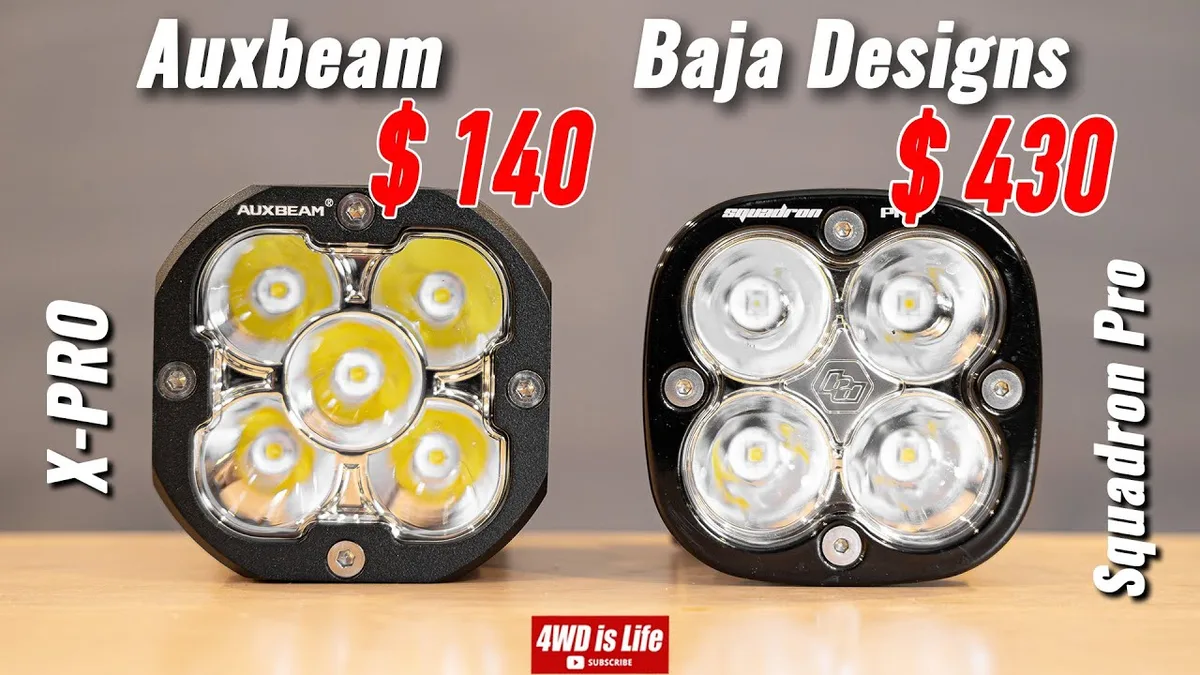
YouTube / 4WD is Life (YouTube thumbnail (fair-use with source credit))
Key differences include beam patterns (flood vs. spot), color temperature, and wiring requirements. Street-legal options often have built-in cutoffs to prevent upward light scatter.
How to Make Your Light Bar Street-Legal (If Possible)
Not all light bars can be made street-legal, but some can with proper adjustments. The first step is ensuring they’re DOT/SAE compliant, which is usually marked on the product. Non-compliant bars should never be used on public roads.
If your light bar is compliant, mount it below the headlight height and angle it downward. Use a wiring harness that ties into your high beams so the lights only activate when appropriate. Even then, check local laws, as some areas ban all auxiliary lighting.
Common Mistakes That Get Louisiana Drivers Ticketed
Using off-road lights on public roads is the most obvious violation. Even if they’re not blinding anyone, the law prohibits their use on highways. Another common issue is improper aiming, where lights are angled too high.
Drivers also get cited for using lights that flash or strobe in ways that mimic emergency vehicles. Louisiana reserves those patterns for authorized vehicles only. Always ensure your setup follows standard lighting behaviors.
What Happens If You Break the Rule?
Violations typically result in a traffic citation, with fines varying by jurisdiction. Repeat offenses may lead to higher penalties or mandatory corrections. Law enforcement can also require you to remove or disable non-compliant lighting on the spot.
YouTube / Louisiana First News (YouTube thumbnail (fair-use with source credit))
In some cases, you may need to pass a vehicle inspection to clear the violation. The safest approach is to comply before hitting the road.
Pro Tips to Stay Compliant and Avoid Fines
Always check your light bar’s certification before installation. DOT/SAE markings are usually on the housing or packaging. If it’s not labeled, assume it’s for off-road use only.
Use a professional alignment tool when mounting lights. Even a slight upward angle can create glare. Many auto shops offer this service for a small fee.
Frequently Asked Questions
Are light bars completely illegal in Louisiana?
No, but they’re restricted on public roads. Off-road use on private property is legal. The key is avoiding unsafe glare for other drivers.
Can I use my light bar with high beams?
Only if it’s DOT/SAE compliant and properly aimed. Non-compliant bars must stay off on public highways. Check local ordinances for additional rules.
What’s the fine for illegal auxiliary lights?
Fines vary by parish but typically range from $50 to $200. Repeat offenses may lead to higher penalties. Some areas require a vehicle inspection to clear the violation.
Do fog lights count as auxiliary lights?
Yes, fog lights are considered auxiliary lighting. They must meet DOT standards and be used only in low-visibility conditions. Improper use can still result in citations.
Can I modify my light bar to be street-legal?
Some bars can be adjusted with proper aiming and wiring. However, non-compliant models can’t be modified to meet legal standards. Always verify before making changes.