ByMax Lee
Louisiana Salvage Title Rules Explained
Louisiana salvage-title rules apply when a vehicle is wrecked, destroyed, or declared a total loss under state requirements. If your car’s damage meets or exceeds 75% of its pre-accident value, Louisiana classifies it as a total loss and issues a salvage title. This branding stays with the vehicle permanently, affecting its value and insurability.
As of 2026, the Louisiana Office of Motor Vehicles enforces these rules strictly, so understanding the process helps you avoid legal trouble or financial surprises.
YouTube / Flipping Cars 4 Fun (YouTube thumbnail (fair-use with source credit))
Quick Answer
Louisiana salvage-title rules apply when a vehicle is wrecked, destroyed, or declared a total loss under state requirements. The threshold is 75% of the car’s pre-accident value. Insurance companies or the OMV trigger this classification.
The vehicle then gets a salvage title.
Louisiana’s Total Loss Threshold: The 75% Rule
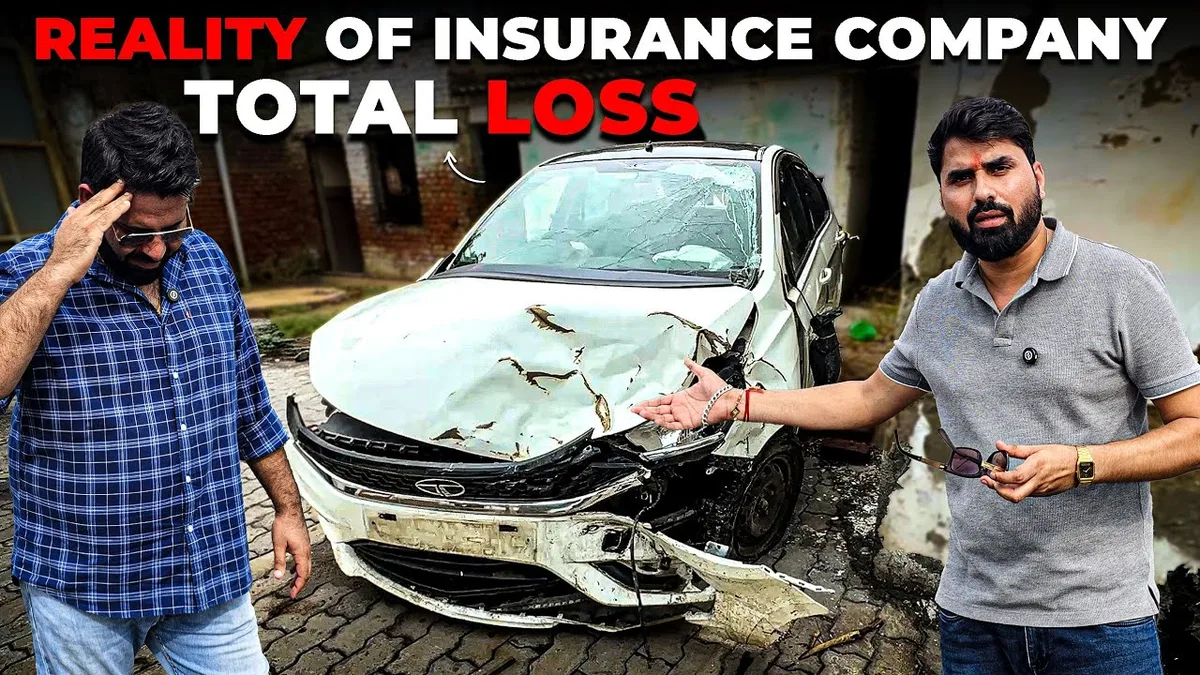
Louisiana uses a 75% damage threshold to determine if a vehicle is a total loss. If repairs would cost 75% or more of the car’s fair market value before the damage, it’s classified as salvage. This rule is stricter than some states, which use 80% or higher.
The fair market value is typically determined by the insurance company using industry-standard valuation tools. Once declared a total loss, the owner can’t legally drive the vehicle until it’s rebuilt and inspected.
YouTube / Mr. Tomar Vlogs (YouTube thumbnail (fair-use with source credit))
Salvage Title vs. Rebuilt Title: What’s the Difference?
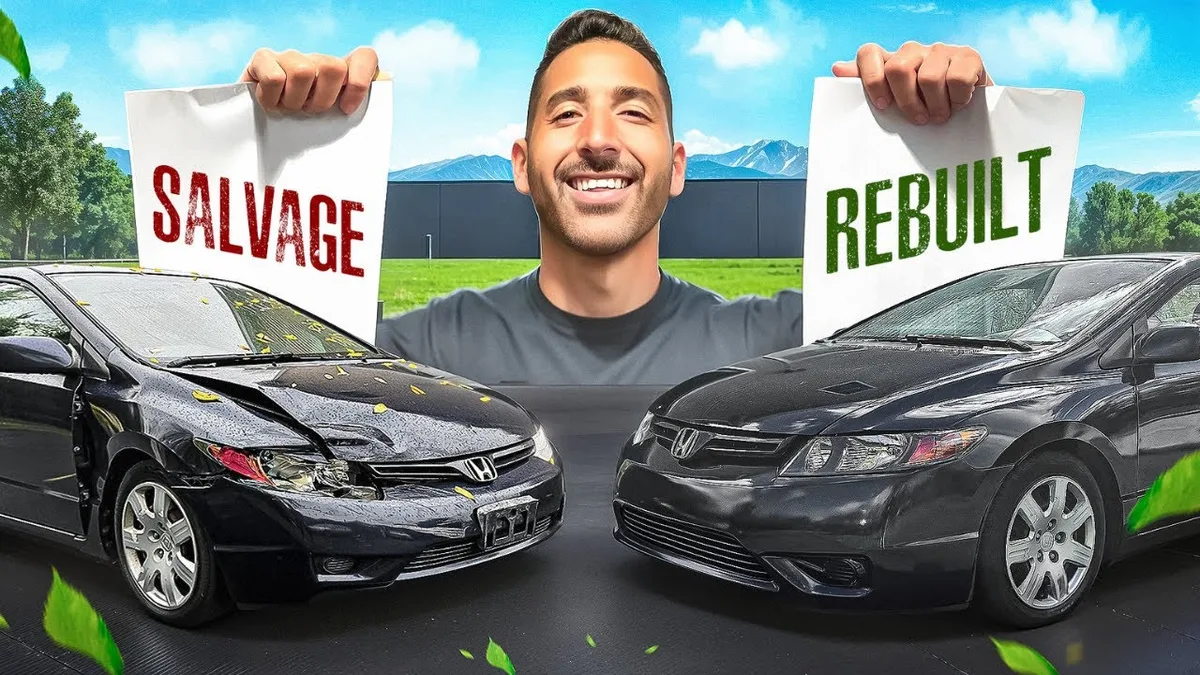
A salvage title means the vehicle was declared a total loss and is not road-legal. It’s only for parts or rebuilding. A rebuilt title is issued after a salvaged vehicle passes a state inspection and is deemed safe to drive.
| Feature | Salvage Title | Rebuilt Title |
|---|---|---|
| Legal to Drive | No | Yes, after inspection |
| Insurance | Hard to get, limited coverage | Possible, but often expensive |
| Resale Value | Very low | Higher than salvage, but still reduced |
| Inspection | Not required | Mandatory Louisiana State Police inspection |
Step-by-Step: How Louisiana Salvage Titles Work
When the Insurance Company Declares a Total Loss
If your car is in an accident, the insurance company assesses the damage. If repairs exceed 75% of the car’s value, they declare it a total loss. You’ll receive a payout, and the insurer typically takes possession of the vehicle.
If you keep the car, the insurer notifies the Louisiana OMV, which issues a salvage title in your name. You can’t drive it until it’s rebuilt and inspected.
How the OMV Issues the Salvage Title
The OMV processes the salvage title after receiving the total loss notification from the insurer. You’ll need to submit the vehicle’s original title and any required forms. The OMV then brands the title as salvage.
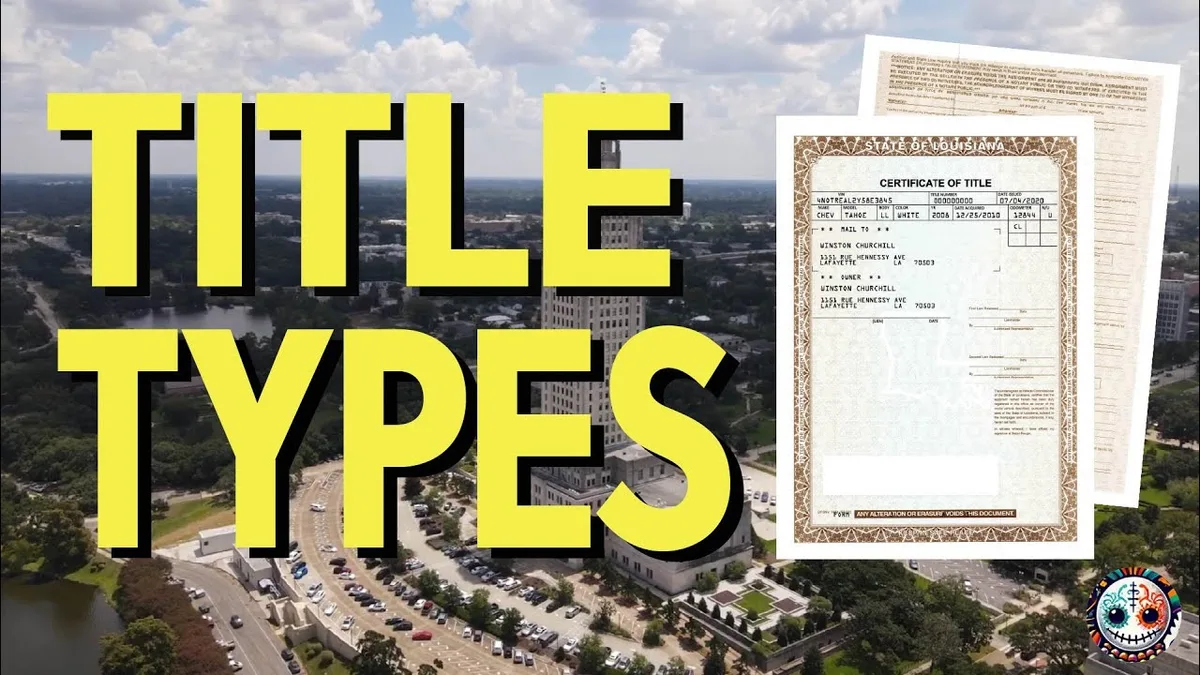
YouTube / How To Louisiana (YouTube thumbnail (fair-use with source credit))
What Happens If You Want to Rebuild the Vehicle
To rebuild, you must repair the vehicle to a roadworthy condition. Once repairs are complete, you’ll need to schedule an inspection with the Louisiana State Police. If it passes, you can apply for a rebuilt title.
Can You Drive a Salvage-Title Car in Louisiana?
No, you cannot legally drive a vehicle with a salvage title in Louisiana. The state requires a rebuilt title before the car can be operated on public roads. Driving a salvage-title vehicle without a rebuilt title can result in fines or legal penalties.
To get a rebuilt title, the vehicle must pass a thorough inspection by the Louisiana State Police. This ensures it meets safety standards. Once approved, you can register the car and obtain insurance, though rates may be higher.
YouTube / Louisiana First News (YouTube thumbnail (fair-use with source credit))
Costs and Timelines You Should Expect
The rebuilt title process isn’t free. Inspection fees vary by parish but typically range from $20 to $50. The OMV also charges a title fee, usually around $68.50 as of 2026.
Processing times for the rebuilt title application average 2 to 4 weeks. Delays can happen if paperwork is incomplete or the inspection fails. Plan for extra time if you need to redo repairs.
Common Mistakes That Get Applications Rejected
Missing paperwork is the top reason for rejection. The OMV requires the salvage title, repair receipts, and inspection certificate. Without all three, your application will be denied.
Another common issue is failing the State Police inspection. If the vehicle doesn’t meet safety standards, you’ll need to fix the problems and reschedule. Skipping required repairs or using non-compliant parts will also result in rejection.
Buying or Selling a Salvage-Title Vehicle in Louisiana
Selling a salvage-title car requires full disclosure. Louisiana law mandates that you inform the buyer in writing that the vehicle has a salvage brand. Hiding this information can lead to legal trouble.
Buyers should always check the title history before purchasing. A salvage title means lower resale value and higher insurance costs. It also signals potential hidden damage, so a pre-purchase inspection is wise.
Louisiana Salvage Title FAQs
What triggers a salvage title in Louisiana?
A vehicle gets a salvage title if it’s wrecked, destroyed, or declared a total loss. Louisiana uses a 75% damage threshold based on the car’s pre-accident value.
Can I drive a car with a salvage title?
No. Louisiana law prohibits driving a salvage-title vehicle until it’s rebuilt and passes inspection. You must obtain a rebuilt title first.
How do I get a rebuilt title?
Repair the vehicle, pass a Louisiana State Police inspection, then submit Form DPSMV 1799 to the OMV with the required documents.
Does a rebuilt title affect insurance?
Yes. Insurance for rebuilt-title vehicles is often more expensive and may have limited coverage options. Some insurers won’t cover them at all.
Can I register a salvage-title car in Louisiana?
No. You must first convert it to a rebuilt title through the proper inspection and application process. Only then can you register it.