Louisiana trailers must have required safety chains, lighting, reflectors, brakes, and secure coupling equipment. Skipping any of these isn’t just unsafe, it’s illegal, and Louisiana State Police won’t hesitate to pull you over. These rules exist to prevent accidents, especially on highways where a detached trailer can cause serious harm.
Per Louisiana Revised Statutes Title 32, trailers over 3,000 lbs need brakes, and all trailers must have functioning lights and reflectors. Even a minor oversight, like a burned-out taillight, can lead to fines or worse.
Quick Answer
Louisiana trailers must have required safety chains, lighting, reflectors, brakes, and secure coupling equipment. Safety chains must be crossed and rated for the trailer’s weight. Lights include brake, turn, and tail lights.
Reflectors are mandatory on all sides. Brakes are required for trailers over 3,000 lbs. Coupling must be secure and compatible with the tow vehicle.
Why Louisiana’s Trailer Safety Rules Matter (And What Happens If You Ignore Them)

Trailer safety isn’t just about avoiding tickets. A detached trailer on I-10 or I-12 can cause multi-vehicle pileups, injuries, or fatalities. Louisiana’s laws are designed to prevent these scenarios, and enforcement is strict.
Ignoring these rules can lead to fines, but the real cost is the risk to yourself and others. As of 2026, Louisiana State Police continue to crack down on unsafe trailers, especially during peak travel seasons. Compliance isn’t optional, it’s a legal and moral obligation.
Louisiana’s Legal Requirements for Trailers: The Non-Negotiables
Louisiana follows both state and federal regulations for trailer safety. The core requirements are outlined in Louisiana Revised Statutes Title 32: Motor Vehicles and Traffic Regulation, which aligns with Federal Motor Vehicle Safety Standards (FMVSS No. 108) for lighting and reflectors.
Here’s the breakdown of what’s mandatory:
- Safety chains: Minimum of two, rated for the trailer’s Gross Vehicle Weight Rating (GVWR), crossed under the tongue.
- Lighting: DOT-approved tail lights, brake lights, turn signals, and clearance lights. Trailers over 80 inches wide need additional side marker lights.
- Reflectors: Red rear reflectors, amber side reflectors, and white front reflectors. These must be visible from 500 feet at night.
- Brakes: Required for trailers with a GVWR over 3,000 lbs. Must include a breakaway system for trailers over this weight.
- Coupling equipment: Must be compatible with the tow vehicle’s hitch, with a properly sized ball and secure latching mechanism.
These aren’t suggestions, they’re the law. For the full legal text, refer to the Louisiana Department of Public Safety.
Safety Chains: How to Choose, Install, and Inspect Them
Safety chains are your last line of defense if the hitch fails. Without them, a trailer can break free and become a deadly projectile.
Choosing the right chains:
- Use Grade 70 or Grade 80 chains, which are rated for heavy loads.
- The combined strength of the chains must exceed the trailer’s GVWR.
- Avoid cable or rope, only steel chains meet Louisiana’s requirements.
Installation:
- Cross the chains under the trailer tongue to create a cradle.
- Leave enough slack for turns but not so much that the chains drag.
Inspection:
- Check for rust, cracks, or worn links before every trip.
- Ensure the hooks are securely fastened to the tow vehicle’s frame, not the hitch itself.
A common mistake is using chains that are too weak or improperly crossed. Either can render them useless in an emergency.
Trailer Lighting & Reflectors: What’s Required and How to Stay Visible

Trailer lights and reflectors ensure other drivers can see you, especially at night or in poor weather. Louisiana requires all trailers to have the following:
- Tail lights: Red, visible from 500 feet.
- Brake lights: Red, brighter than tail lights, activated when braking.
- Turn signals: Amber, visible from 500 feet.
- Clearance lights: Red on the rear, amber on the sides (for trailers over 80 inches wide).
- License plate light: White, illuminating the plate.
- Reflectors: Red on the rear, amber on the sides, and white on the front.
Wiring tips:
- Use a 7-way blade connector for trailers with brakes and auxiliary power.
- Test all lights before every trip. A loose ground wire is the most common cause of lighting failures.
If your lights aren’t working, you’re not just invisible, you’re breaking the law.
Brakes: When You Need Them and How to Keep Them Working
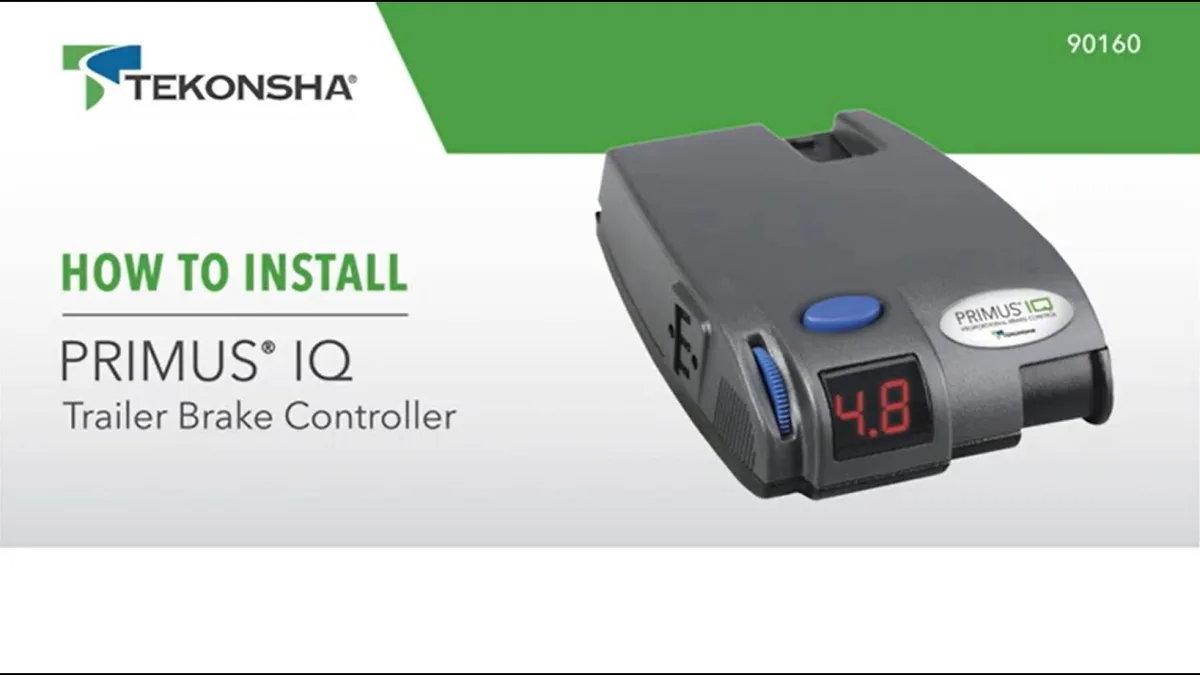
Brakes are mandatory for any trailer with a GVWR over 3,000 lbs in Louisiana. For trailers under this weight, brakes are optional but highly recommended, especially for heavy loads or hilly terrain.
Types of trailer brakes:
- Surge brakes: Hydraulic system activated by the trailer’s momentum. Common on boat trailers.
- Electric brakes: Activated by a controller in the tow vehicle. Requires a brake controller installation.
- Hydraulic brakes: Similar to surge brakes but often more precise. Requires a hydraulic actuator.
Breakaway system:
- Required for trailers over 3,000 lbs.
- Automatically applies the trailer’s brakes if it becomes disconnected from the tow vehicle.
- Must include a battery or charged capacitor to power the brakes independently.
Maintenance:
- Check brake pads, magnets (for electric brakes), and fluid levels (for hydraulic brakes) regularly.
- Test the breakaway system by pulling the pin manually before each trip.
A trailer without proper brakes is a hazard to everyone on the road.
Secure Coupling: Hitches, Couplers, and the Right Way to Connect
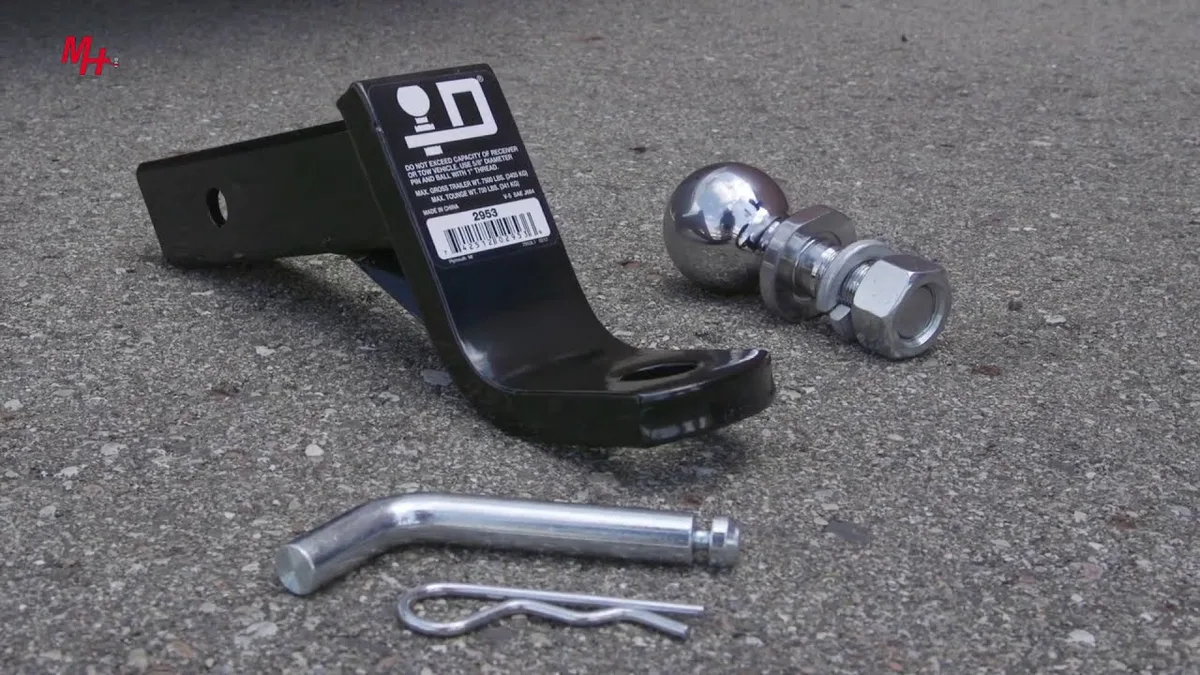
A secure coupling system is what keeps your trailer attached to your vehicle. Get this wrong and even the best safety chains won’t save you.
Hitch classes and capacities:
- Class I: Up to 2,000 lbs, 200 lbs tongue weight.
- Class II: Up to 3,500 lbs, 300 lbs tongue weight.
- Class III: Up to 5,000 lbs, 500 lbs tongue weight.
- Class IV/V: Up to 10,000+ lbs, 1,000+ lbs tongue weight.
Coupler types:
- Ball coupler: Matches the hitch ball size (1-7/8", 2", or 2-5/16").
- Pintle hitch: Used for heavy-duty or military trailers.
- Gooseneck: For large trailers, connects over the truck bed.
Always match the coupler size to your hitch ball. A mismatch can cause the trailer to detach under load.
Pro tip: Lubricate the hitch ball and coupler regularly to prevent seizing.
The Pre-Trip Checklist: 7 Things to Verify Before Every Tow
Skipping the pre-trip check is like driving with your eyes closed. Here’s what to inspect every time:
- Safety chains: Crossed under the tongue, no slack, securely attached to the frame.
- Lights: Test brake, turn, and tail lights with a helper or by grounding the connector.
- Tires: Check pressure, tread depth, and look for cracks or bulges.
- Brakes: Test the brake controller (if electric) and the breakaway system.
- Coupling: Ensure the coupler is locked, the hitch pin is secured, and the ball size matches.
- Load distribution: 60% of the weight should be in the front half of the trailer.
- Breakaway cable: Attached to the tow vehicle, not the hitch. Pull it to test the brake activation.
This takes 10 minutes. It’s 10 minutes that could save your life.
Skipping the pre-trip check is like driving with your eyes closed. Here’s what to inspect every time:
- Safety chains: Crossed under the tongue, no slack, securely attached to the frame.
- Lights: Test brake, turn, and tail lights with a helper or by grounding the connector.
- Tires: Check pressure, tread depth, and look for cracks or bulges.
- Brakes: Test the brake controller (if electric) and the breakaway system.
- Coupling: Ensure the coupler is locked, the hitch pin is secured, and the ball size matches.
- Load distribution: 60% of the weight should be in the front half of the trailer.
- Breakaway cable: Attached to the tow vehicle, not the hitch. Pull it to test the brake activation.
This takes 10 minutes. It’s 10 minutes that could save your life.
Common Mistakes That Get Louisiana Drivers Pulled Over
Louisiana State Police see the same violations repeatedly. Avoid these:
Lighting failures:
- Burned-out bulbs or broken lenses.
- Improper wiring (e.g., turn signals wired to brake lights).
- Missing or dirty reflectors.
Safety chain errors:
- Only one chain instead of two.
- Chains attached to the hitch instead of the frame.
- Chains too loose or too tight.
Coupling issues:
- Wrong ball size for the coupler.
- Unsecured hitch pin or latch.
- Overloaded tongue weight (exceeds 10-15% of trailer weight).
Brake problems:
- No brakes on trailers over 3,000 lbs.
- Inoperative breakaway system.
- Worn brake pads or shoes.
A quick visual check before hitting the road can prevent most of these issues.
Breakaway Systems: The Overlooked Safety Net for Heavy Trailers
For trailers over 3,000 lbs, a breakaway system isn’t optional, it’s the law. This system applies the trailer’s brakes automatically if it disconnects from the tow vehicle.
How it works:
- A cable or lanyard connects the trailer to the tow vehicle.
- If the trailer detaches, the cable pulls a pin, activating the brakes.
- A battery or charged capacitor powers the brakes independently.
Maintenance tips:
- Test the system by pulling the pin manually before each trip.
- Replace the battery or capacitor if it’s weak or dead.
- Ensure the cable is long enough to allow turns but short enough to activate if the trailer separates.
Without a working breakaway system, a detached trailer can roll freely, causing catastrophic accidents.
Rural vs. Urban Towing: Does Louisiana’s Terrain Change the Rules?
Louisiana’s diverse terrain doesn’t change the legal requirements, but it does affect how you tow.
Urban towing:
- Stop-and-go traffic puts more stress on brakes and couplings.
- Tight turns require extra attention to safety chain slack and trailer clearance.
Rural towing:
- Long stretches of highway mean sustained speeds. Ensure your trailer is stable at 55-70 mph.
- Rough roads can loosen bolts and connections. Check them often.
Coastal towing:
- Salt air accelerates corrosion. Rinse your trailer and coupling after trips near the Gulf.
- Humidity can cause electrical issues. Use dielectric grease on wiring connections.
No matter where you tow, the rules are the same. But adapting to the terrain keeps you safer.
Where to Find the Official Regulations (And How to Read Them)
Louisiana’s trailer laws are spelled out in Title 32 of the Louisiana Revised Statutes. The key sections are RS 32:381 through RS 32:386, which cover equipment requirements for trailers.
For federal standards, check FMVSS No. 108 for lighting and reflectors. The National Highway Traffic Safety Administration website has the full text.
Don’t rely on secondhand summaries. The official statutes are the final word, and enforcement follows them exactly.
FAQs: Louisiana Trailer Safety Questions Answered
Do I need brakes on a trailer under 3,000 lbs in Louisiana?
No, brakes are not required for trailers under 3,000 lbs GVWR. However, they’re strongly recommended for safety, especially on steep grades or when towing heavy loads.
What’s the minimum safety chain rating for my trailer?
The combined rating of your safety chains must exceed the trailer’s GVWR. For example, if your trailer weighs 5,000 lbs, use two chains each rated for at least 3,000 lbs.
Can I use a single safety chain instead of two?
No. Louisiana law requires at least two safety chains for all trailers. They must be crossed under the tongue to prevent it from hitting the road if the hitch fails.
How often should I test my trailer’s breakaway system?
Test it before every trip. Pull the pin manually to ensure the brakes engage. Replace the battery or capacitor if it’s weak.
Are LED lights legal for trailers in Louisiana?
Yes, as long as they meet DOT standards for brightness and color. LED lights are often brighter and more durable than incandescent bulbs.
What’s the fine for non-compliant trailer lighting?
Fines vary, but expect to pay at least $50 for a lighting violation. More serious issues, like missing brakes, can result in higher fines or even impoundment.