ByMax Lee
Maine Car Exhaust Noise Laws Explained
YouTube / John Drives Anything (YouTube thumbnail (fair-use with source credit))
Maine muffler and exhaust noise level regulations for passenger cars can save you from a costly ticket if you know the limits. The state sets clear decibel caps, and exceeding them means failing inspection or facing fines.
Per Maine Revised Statutes Title 29-A §1906, passenger cars can’t exceed 92 dB(A) at 35+ mph, measured 50 feet away. That’s the baseline, but the rules get more specific depending on speed and testing conditions.
Quick Answer
Maine muffler and exhaust noise level regulations for passenger cars cap noise at 92 dB(A) at 35+ mph. Idling cars can’t exceed 88 dB(A) at 50 feet. Stationary tests allow 82 dB(A) at 20 inches from the exhaust.
These limits apply to all passenger vehicles as of 2026.
What Maine’s Exhaust Noise Laws Actually Say for Passenger Cars
Maine’s laws are straightforward but strict. The state follows SAE J1169, the standard for measuring vehicle exhaust noise. This means inspections use a sound meter at set distances to check compliance.
The rules don’t just cover loud exhausts. Tampering with emissions systems, like removing a catalytic converter, is illegal under federal law. Maine enforces both state noise limits and EPA emissions standards.
The Quick Legal Limit: Decibel Rules You Can’t Ignore
Maine’s decibel limits are non-negotiable. At 35 mph or faster, your car’s exhaust can’t exceed 92 dB(A) when measured 50 feet away. If you’re idling, the limit drops to 88 dB(A) at the same distance.
For stationary tests, like during inspections, the limit is 82 dB(A) at 20 inches from the exhaust outlet. These numbers come from Maine Revised Statutes and are enforced at inspection stations statewide.
How Maine Measures Exhaust Noise (And Why It Matters)
Maine uses the SAE J1169 standard to test exhaust noise. Inspectors place a sound meter at specific distances and measure decibels while the vehicle is in motion or idling. The test ensures consistency across all inspection stations.
YouTube / Kevin Dostie (YouTube thumbnail (fair-use with source credit))
The process isn’t arbitrary. It accounts for real-world conditions, like traffic noise and varying speeds. If your car fails, you’ll need to fix the exhaust system before it passes inspection.
Stock vs. Aftermarket Exhausts: What’s Legal and What’s Not
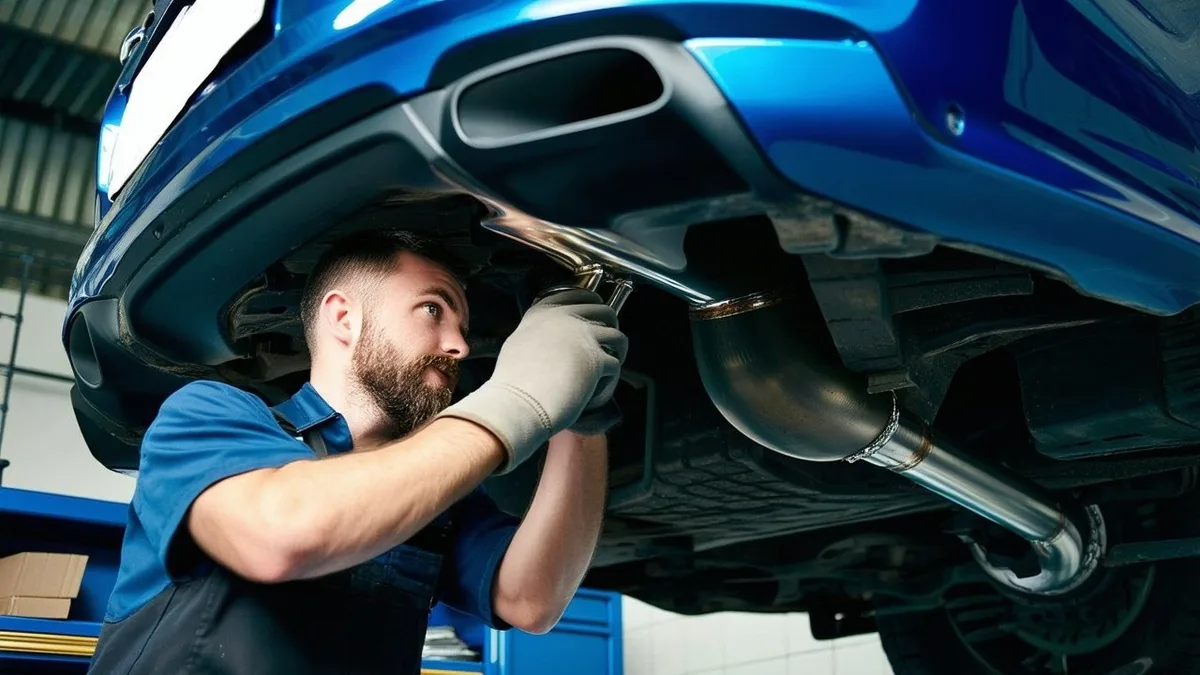
Stock exhaust systems are designed to meet Maine’s noise limits. Aftermarket exhausts, however, can push those limits if not installed correctly. Some performance mufflers or straight-pipe setups exceed legal decibel levels.
YouTube / Motor Matchups (YouTube thumbnail (fair-use with source credit))
Before modifying your exhaust, check the manufacturer’s decibel ratings. If the system is labeled as “off-road use only,” it’s not street-legal in Maine. Always verify compliance with a certified mechanic or inspection station.
The Inspection Process: How They Test Your Car’s Noise
Maine inspection stations follow a strict protocol. They use a calibrated sound meter placed 50 feet away for moving tests or 20 inches from the exhaust for stationary checks. The vehicle must be at operating temperature.
The test measures decibels in A-weighted scale (dB(A)), which mimics human hearing sensitivity. If your car exceeds the limit, you’ll get a rejection sticker. You’ll need to repair or replace the exhaust system before retesting.
Common Ways Drivers Get Fined (And How to Avoid Them)
The most common violation is an aftermarket exhaust that’s too loud. Straight pipes or muffler deletes almost always fail. Even some performance mufflers can push past 92 dB(A) at speed.
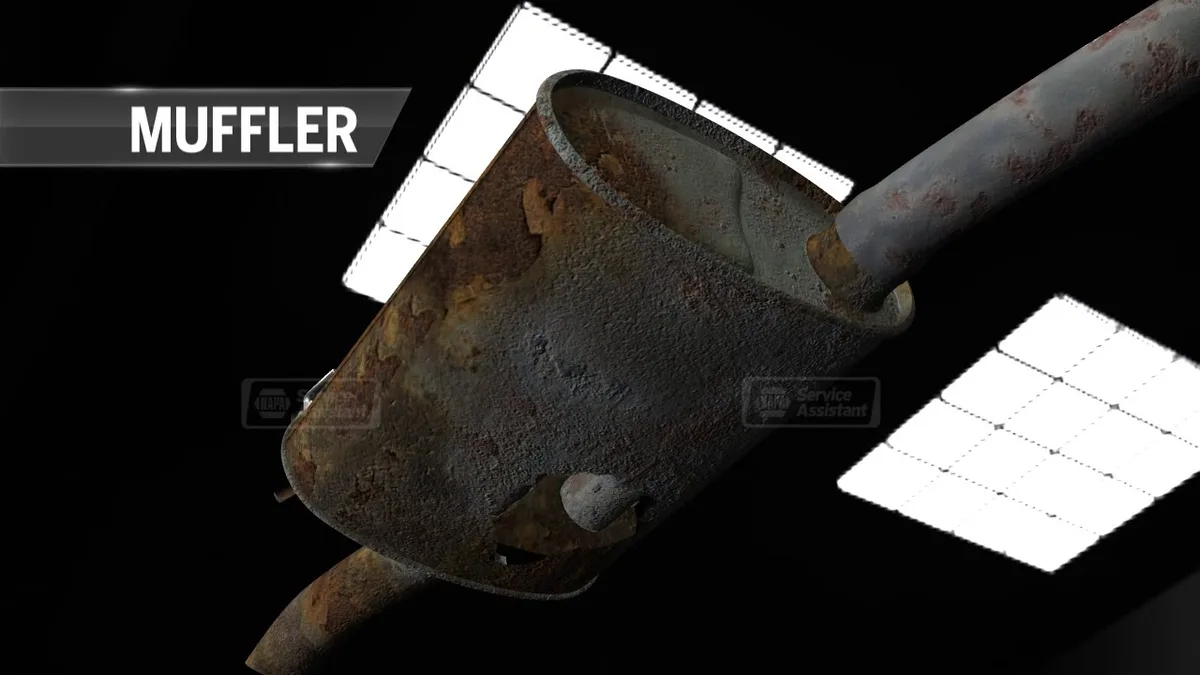
Another issue is a rusted or damaged muffler. Holes or leaks increase noise levels. Regular maintenance helps prevent this.
Always check your exhaust system before inspection.
Modifying Your Exhaust? Here’s How to Stay Legal
YouTube / Advanced Auto Clinic Delavan (YouTube thumbnail (fair-use with source credit))
Not all modifications are illegal. You can upgrade to a performance muffler if it meets the decibel limits. Look for systems labeled as “street legal” or “50-state compliant.”
Avoid removing the catalytic converter. This is illegal under federal law and will fail emissions tests. If you’re unsure, consult a mechanic familiar with Maine’s regulations.
Rural vs. Urban Enforcement: Where the Rules Get Stricter
Enforcement varies by location. Urban areas with more traffic noise may have stricter local ordinances. Rural areas often rely on state laws alone.
Some cities in Maine have additional noise restrictions. Always check local rules if you’re modifying your exhaust. When in doubt, stick to the state’s 92 dB(A) limit.
What Happens If You Fail the Noise Test
Failing means you can’t renew your registration. You’ll need to fix the exhaust and return for a retest. Some stations charge a fee for retesting.
If you’re pulled over for excessive noise, you could face a fine. Repeat offenses may lead to higher penalties. It’s cheaper to fix the issue than to pay the fine.
Maine vs. Other States: How the Laws Compare
Maine’s 92 dB(A) limit at speed is stricter than some states but looser than others. California enforces a 95 dB(A) cap but has additional restrictions on modified exhausts. New York follows similar limits to Maine.
Texas and Florida are more lenient, often allowing louder aftermarket systems. Always check the specific laws if you’re driving across state lines. The EPA’s vehicle noise regulations provide a federal baseline.
Pro Tips to Keep Your Exhaust Quiet and Compliant
Regular maintenance prevents noise issues. Check for rust, holes, or loose components in your exhaust system. A well-maintained muffler lasts longer and stays quieter.
If you’re modifying your exhaust, choose a system with documented decibel ratings. Look for brands that publish SAE J1169 test results. This ensures you stay within Maine’s legal limits.
Frequently Asked Questions
Is a straight-pipe exhaust legal in Maine?
No. Straight-pipe exhausts almost always exceed the 92 dB(A) limit. They also remove the muffler, which is required by state law.
You’ll fail inspection and risk a fine.
Can I get a ticket for a loud exhaust in Maine?
Yes. Police can pull you over and issue a citation if your exhaust exceeds noise limits. Fines vary by jurisdiction but typically start around $100.
What’s the quietest legal exhaust I can install?
Any aftermarket system labeled as “street legal” or “50-state compliant” should meet Maine’s limits. Brands like MagnaFlow and Borla offer quieter performance options. Always verify decibel ratings before purchasing.
Do electric cars have exhaust noise regulations in Maine?
No. Electric vehicles don’t have traditional exhaust systems. Maine’s noise laws focus on internal combustion engines.
EVs are exempt from these specific regulations.
How often do I need to get my exhaust checked in Maine?
Maine requires annual vehicle inspections. The exhaust system is part of this check. If you modify your exhaust, you may need a retest before registration renewal.