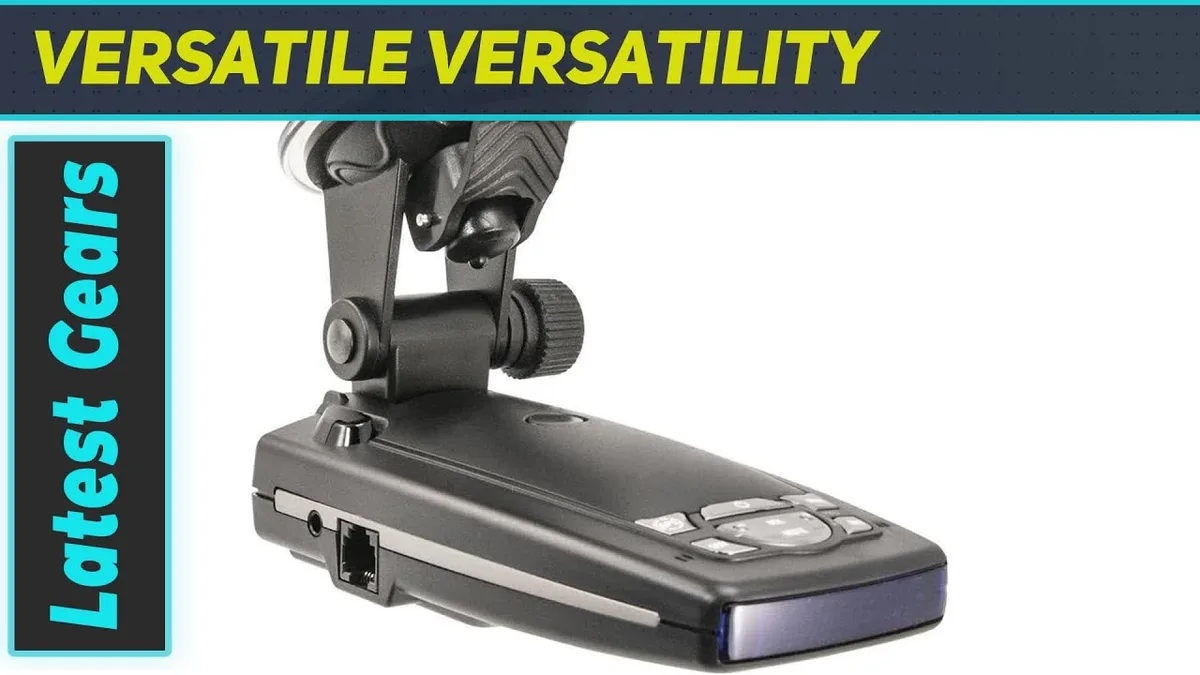
ByMax Lee
Maine Radar Detector Laws for Cars & Trucks
Image source: YouTube / Gadget Reviews (YouTube thumbnail (fair-use with source credit))
Maine radar detector legality in passenger and commercial vehicles depends entirely on what you’re driving. The rules split cleanly between personal cars and commercial rigs, and mixing them up can cost you.
Per Maine statute 29-A M.R.S. § 2114 and federal regulations, commercial vehicles over 10,000 lbs face a full ban on radar detectors. That’s the line in the sand.
Quick Answer
Radar detectors are legal in Maine for passenger vehicles. They’re banned in commercial vehicles over 10,000 lbs. Federal law also prohibits them in interstate commercial motor vehicles.
Penalties include fines and potential CDL points.
How Maine’s Radar Detector Laws Work
Maine follows a two-tier system. Passenger cars, SUVs, and light trucks can use radar detectors without restriction. The state doesn’t regulate their use, mounting, or visibility.
Commercial vehicles tell a different story. Any vehicle with a gross vehicle weight rating of 10,001 lbs or more falls under the ban. This includes most semi-trucks, box trucks, and large delivery vans.
The rule applies whether the vehicle is registered in Maine or just passing through.
Image source: YouTube / Digital FTO (YouTube thumbnail (fair-use with source credit))
Enforcement is straightforward. Police can pull over commercial drivers for visible detectors or those detected during traffic stops. The fine isn’t specified in state code, but it’s typically treated as a traffic infraction.
More importantly, it can trigger a CDL violation under federal regulations.
The federal layer adds weight. 49 CFR § 392.71 prohibits radar detectors in all commercial motor vehicles engaged in interstate commerce. This means even if Maine didn’t have its own ban, federal law would still apply to most commercial drivers.
Why Commercial Vehicles Have Stricter Rules
The reasoning comes down to safety and fairness. Commercial vehicles pose greater risks on the road due to their size and weight. Speeding in these vehicles increases the severity of potential accidents.
Image source: YouTube / TESLA CAR WORLD (YouTube thumbnail (fair-use with source credit))
Radar detectors in commercial vehicles also create an enforcement problem. If every truck could use them, speed limits would become harder to enforce. This could lead to more speeding violations in a segment of traffic that already requires stricter oversight.
The federal ban reinforces this. The FMCSA considers radar detectors a safety hazard for CMVs. Their position is that commercial drivers should focus on maintaining safe speeds rather than trying to evade detection.
What Happens If You Break the Law in Maine?
For passenger vehicles, there’s no penalty. You can mount a detector on your windshield, dash, or visor without concern. Police won’t cite you for possession or use.
For commercial vehicles, the consequences start with a traffic citation. The exact fine varies by jurisdiction, but it’s typically in the $100, $200 range. The bigger issue is the CDL impact.
A conviction can add points to your commercial license, which may affect your employment.
Federal violations carry their own penalties. If you’re caught with a radar detector in a CMV during interstate travel, you could face federal fines. These are separate from state penalties and can be more severe.
Are There Any Exceptions for Commercial Drivers?
No, there are no exceptions for commercial vehicles over 10,000 lbs in Maine. The ban applies regardless of whether the vehicle is personal or company-owned.
The only gray area involves vehicles under 10,001 lbs. Some commercial vans and small trucks fall into this category. For these, Maine’s passenger vehicle rules apply, meaning radar detectors are legal.
Federal law doesn’t provide exceptions either. The FMCSA’s ban on radar detectors in CMVs is absolute for interstate commerce. Even if a state like Maine didn’t have its own ban, federal regulations would still apply to most commercial drivers.
How to Check If Your Vehicle Qualifies as Commercial
The easiest way is to look at your vehicle’s GVWR. This number is usually on the door jamb sticker or in the owner’s manual. If it’s 10,001 lbs or higher, it’s commercial under Maine’s radar detector ban.
For trucks, the classification is often clear. Most Class 3, 8 trucks exceed the threshold. For vans and SUVs, check the manufacturer’s specs.
Some heavy-duty vans like the Ford Transit 3500 or Mercedes Sprinter 2500 can tip over 10,000 lbs when fully loaded.
If you’re unsure, MaineDOT or a commercial vehicle inspection station can confirm. They use the same GVWR standard as state and federal law.
Best Practices for Using Radar Detectors Legally in Maine
In passenger vehicles, mounting is unrestricted. Most drivers place detectors on the windshield or dash for clear visibility. Just ensure it doesn’t obstruct your view, as Maine’s obstructed vision laws still apply.
Avoid hardwiring if you switch between passenger and commercial vehicles. A portable detector with a 12V plug is easier to remove when needed. Some models offer stealth modes to avoid detection by police radar detector detectors.
Update your detector’s firmware regularly. New radar bands and LIDAR systems emerge, and older models may miss them. Manufacturer updates often add these frequencies.
Common Mistakes That Get Drivers in Trouble
The biggest mistake is assuming all vehicles follow the same rules. Many drivers don’t realize their work van or light truck might exceed the 10,000 lb threshold. Always verify your GVWR.
Another error is leaving a detector visible in a commercial vehicle. Even if it’s turned off, police can cite you for possession. Remove it entirely when driving commercially.
Some drivers also confuse Maine’s rules with neighboring states. New Hampshire and Vermont have different laws, so don’t assume consistency across New England.
Radar Detectors vs. Other Speed Trap Alerts (GPS, Apps)
Radar detectors pick up live radar and LIDAR signals. They react in real time but only work when the signal is active. GPS-based apps like Waze rely on user reports of speed traps and police locations.

Image source: YouTube / HowTo Zone (YouTube thumbnail (fair-use with source credit))
GPS apps cover a wider area and don’t require line-of-sight. However, they depend on recent user data, which can be outdated or inaccurate. Radar detectors are more precise but limited to active enforcement zones.
For passenger vehicles in Maine, both are legal. Many drivers use them together for maximum coverage. Commercial drivers can only use GPS apps, as radar detectors are banned.
Frequently Asked Questions
Can I use a radar detector in my pickup truck in Maine?
Yes, if your truck’s GVWR is under 10,001 lbs. Most light-duty pickups like the Ford F-150 or Chevy Silverado 1500 qualify. Heavy-duty models like the F-250 or Silverado 2500 may exceed the limit.
Are radar detectors legal for Uber or Lyft drivers in Maine?
Yes. Rideshare vehicles are classified as passenger vehicles, so the ban doesn’t apply. Just ensure the detector doesn’t obstruct your view.
What’s the fine for using a radar detector in a commercial vehicle in Maine?
The fine varies by jurisdiction but typically ranges from $100 to $200. The bigger concern is the CDL violation, which can impact your commercial driving record.
Do Maine State Police actively enforce the radar detector ban?
Yes. Troopers look for visible detectors during traffic stops and inspections. They can also use radar detector detectors to find hidden units in commercial vehicles.
Can I use a radar detector in a rental truck in Maine?
No. Most rental trucks over 10,000 lbs fall under the commercial ban. Even if the rental company doesn’t mention it, the law still applies.