Maryland long-term registration options for utility trailers let you skip annual renewals if your rig meets certain weight and use rules. The state offers permanent plates for qualifying trailers, but the path depends on how heavy it is and whether it’s titled.
As of 2026, trailers under 3,000 lbs GVWR can often get a one-time permanent registration, while heavier ones follow a different fee schedule. Here’s how to tell which option fits your setup.
Quick Answer
Maryland long-term registration options for utility trailers include permanent plates for light trailers. Multi-year plates are available for heavier ones. Fees scale by weight.
Some trailers need a title first.
Maryland’s Utility Trailer Registration Rules at a Glance
Maryland treats utility trailers differently based on gross vehicle weight rating. Anything under 3,000 lbs can often get a permanent registration if it’s not for hire. Trailers 3,000 lbs and over usually need annual or multi-year registration.
The Maryland Motor Vehicle Administration handles all registrations. They also set the rules for what’s considered a utility trailer versus a commercial one.
How Weight Affects Your Registration Options
Your trailer’s GVWR is the deciding factor. Here’s the breakdown:
| Weight Class | Registration Type | Notes |
|---|---|---|
| Under 3,000 lbs | Permanent | One-time fee, no renewals |
| 3,000–10,000 lbs | Multi-year (1–5 years) | Fees increase with weight |
| Over 10,000 lbs | Annual | Commercial rules may apply |
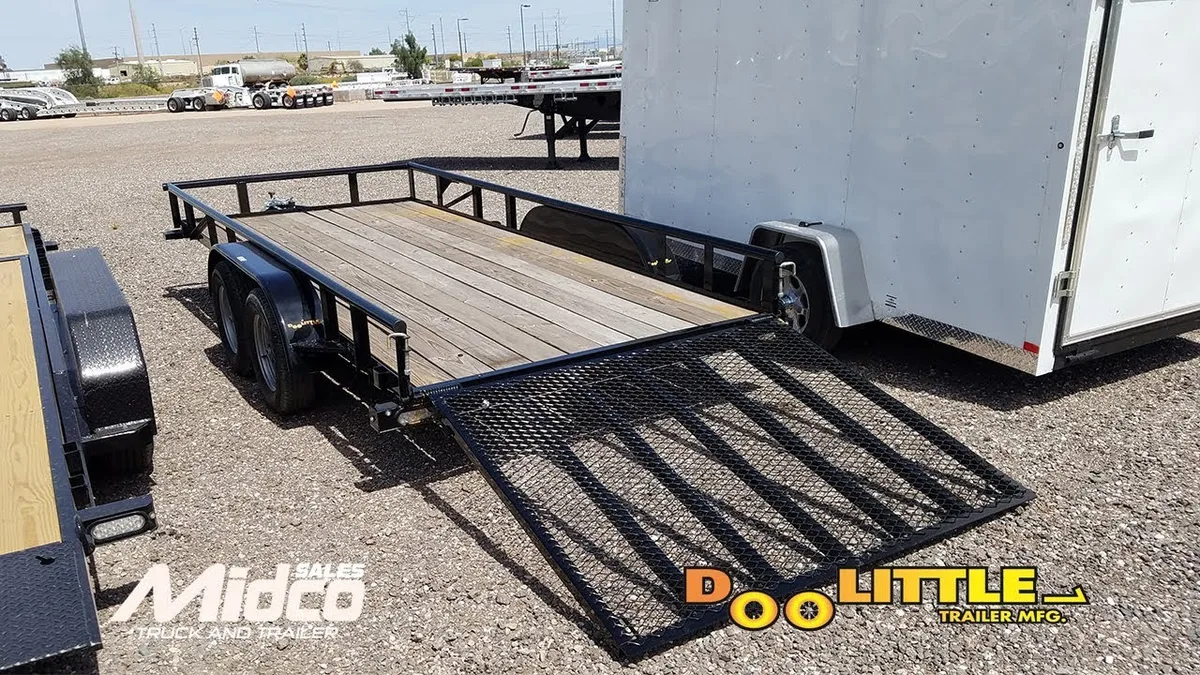
If your trailer is under 3,000 lbs and not used for business, you’re likely eligible for permanent plates. Heavier trailers or those used commercially will need to follow the multi-year or annual process.
Long-Term vs. Annual Registration: What’s the Difference?
Long-term registration means you pay once and don’t have to renew. It’s only available for trailers under 3,000 lbs that aren’t for hire. Annual registration requires renewal every year, with fees based on weight.
Multi-year registration lets you pay for 2, 3, or 5 years upfront. This is an option for trailers that don’t qualify for permanent plates but where you want to avoid yearly paperwork.
Who Qualifies for Permanent Trailer Registration in Maryland?
Permanent registration is for non-commercial utility trailers under 3,000 lbs GVWR. The trailer must be owned by an individual, not a business. It also needs to have a valid VIN and, in most cases, a title.
If your trailer is homemade, you’ll need to get a VIN assigned by the MVA before registration. Trailers over 3,000 lbs or used for business don’t qualify for permanent plates.
Step-by-Step: How to Register Your Utility Trailer for the Long Term
First, confirm your trailer qualifies. If it’s under 3,000 lbs and not for commercial use, you’re likely eligible for permanent registration. Heavier trailers will need multi-year or annual registration instead.
Next, gather your documents. You’ll need proof of ownership, like a title or manufacturer’s certificate of origin. If the trailer is homemade, you’ll have to get a VIN assigned by the MVA first.
Visit an MVA branch or use their online services if available. Fill out the application for trailer registration and pay the fee. For permanent plates, this is a one-time payment.
For multi-year, you’ll pay for the full term upfront.
Maryland Trailer Registration Fees by Weight Class
Fees are based on your trailer’s GVWR. Here’s the current structure as of 2026:
| Weight Class | Registration Type | Fee |
|---|---|---|
| Under 3,000 lbs | Permanent | $50 |
| 3,000–6,000 lbs | 1-year | $25 |
| 3,000–6,000 lbs | 5-year | $100 |
| 6,001–10,000 lbs | 1-year | $40 |
| Over 10,000 lbs | Annual | $60+ |
Permanent registration is the most cost-effective for light trailers. Multi-year options save you time but cost more upfront than annual renewals.
What Documents You’ll Need (And Where to Get Them)
You’ll always need proof of ownership. For titled trailers, bring the title signed over to you. For new trailers, the manufacturer’s certificate of origin works.
If your trailer is homemade, you’ll need a VIN inspection. The MVA or a licensed dealer can assign one. You’ll also need a bill of sale or other proof that you own the materials.

For out-of-state trailers, you may need a VIN verification. Maryland requires this to confirm the trailer meets state standards. Check the MVA’s official site for the current form.
Out-of-State Trailers: Maryland’s Rules for Non-Residents
Non-residents don’t need to register trailers in Maryland if they’re properly registered in their home state. But if you’re using the trailer in Maryland for more than 30 days, you’ll need to comply with local rules.
Maryland recognizes out-of-state registrations for trailers under 10,000 lbs. Heavier trailers or those used commercially may need Maryland registration regardless of home state.
If you move to Maryland, you have 60 days to register your trailer. You’ll need to transfer the title and pay Maryland’s registration fees.
Common Mistakes That Delay or Deny Your Registration
Missing documents are the top reason for delays. Double-check that you have the title, bill of sale, or manufacturer’s certificate before heading to the MVA.
Another common issue is incorrect weight classification. If you guess wrong on your trailer’s GVWR, you’ll pay the wrong fee or get the wrong registration type. Weigh your trailer if you’re unsure.
Finally, homemade trailers often hit snags. Without a VIN, the MVA won’t process your registration. Get the VIN assigned first, then proceed with the rest of the paperwork.
Trailer Safety & Legal Requirements You Can’t Ignore
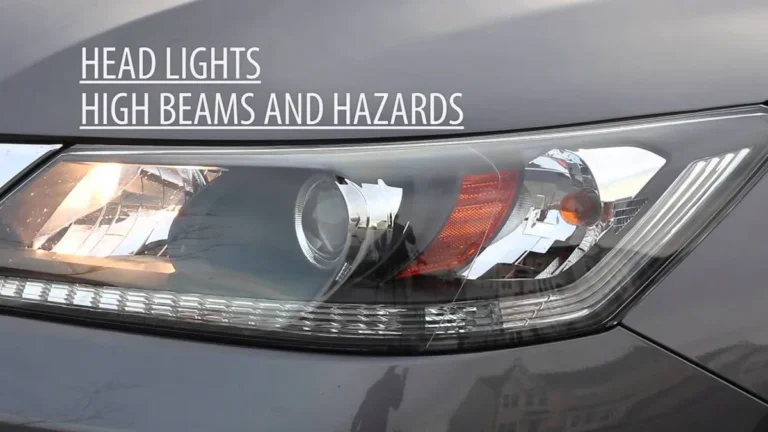
Maryland requires all trailers to have working lights and reflectors. This includes brake lights, turn signals, and tail lights if the trailer is over 1,500 lbs. Smaller trailers need at least reflectors.
Safety chains are mandatory for all trailers. They must be strong enough to hold the trailer’s weight if the hitch fails. The chains should cross under the tongue to prevent it from hitting the road.
Trailers over 3,000 lbs need brakes. Maryland follows federal standards for brake systems.
How to Renew or Transfer Your Trailer Registration
Permanent registrations don’t need renewal. But if you sell the trailer, the new owner must transfer the registration. They’ll need the title and a bill of sale.
For multi-year registrations, you’ll get a renewal notice before the term ends. You can renew online, by mail, or in person.
If you move out of state, you’ll need to register the trailer in your new home state. Maryland doesn’t offer refunds for unused registration periods.
FAQs About Maryland Utility Trailer Registration
Do I need a title for my utility trailer in Maryland?
Yes, if it’s over 1,500 lbs or homemade. Trailers under 1,500 lbs don’t require a title but still need registration.
How much does it cost to register a utility trailer in Maryland?
Fees start at $25 for annual registration under 3,000 lbs. Permanent registration for light trailers is $50. Heavier trailers have higher fees based on weight.
Can I register my trailer online in Maryland?
Yes, for renewals and some new registrations. The MVA’s online portal handles most standard transactions. First-time registrations for homemade trailers require an in-person visit.
What happens if I don’t register my trailer in Maryland?
You’ll face fines if caught operating an unregistered trailer. Police can stop you during routine traffic checks.
Final Decision Guide: Which Registration Path Is Right for You?
Choose permanent registration if your trailer is under 3,000 lbs and not for commercial use. It’s the simplest and cheapest long-term option.
Opt for multi-year registration if your trailer is heavier but you want to avoid annual renewals. This works well for trailers between 3,000 and 10,000 lbs.
Annual registration is best for commercial trailers or those over 10,000 lbs. It’s also the only option for out-of-state trailers used temporarily in Maryland.