Maryland muffler and exhaust noise level regulations for passenger cars can save you from costly fines if you know the rules. The state sets clear limits on how loud your exhaust can be, and ignoring them often leads to failed inspections or tickets. These laws exist to reduce noise pollution while keeping vehicles safe and street-legal.
As of 2026, Maryland enforces a 92 dB(A) maximum noise level for passenger cars, measured using the SAE J1169 standard. This test is conducted at 50 feet with the engine at three-quarters of its redline. Understanding these specifics helps you stay compliant and avoid enforcement issues.

Quick Answer
Maryland muffler and exhaust noise level regulations for passenger cars cap noise at 92 dB(A). The state uses the SAE J1169 test method. Exceeding this limit can result in fines.
Modified exhausts must still comply.
What Maryland’s Muffler and Exhaust Noise Laws Actually Say
Maryland’s laws require every vehicle to have a muffler in good working order, as outlined in the Maryland Transportation Code § 22-406. This isn’t just about noise, it’s also about preventing harmful emissions.
The law prohibits modifications that amplify noise beyond the legal limit. This includes muffler deletes, straight pipes, or any aftermarket system that bypasses noise-reducing components. Enforcement focuses on both sound levels and the presence of required exhaust parts.
The Quick Legal Limit: How Loud Can Your Exhaust Be?
Maryland’s legal limit is 92 decibels (dB(A)) for passenger cars. This is measured at 50 feet from the vehicle using the SAE J1169 standard. The test requires the engine to run at 75% of its maximum RPM.
Most stock exhaust systems stay well below this threshold, typically around 70, 80 dB. Aftermarket systems can push closer to the limit, but exceeding 92 dB is illegal. Even a slightly modified exhaust can cross the line if not properly tuned.
How Maryland Measures Exhaust Noise (And Why It Matters)
Maryland uses the SAE J1169 test to measure exhaust noise. This standardized method ensures consistency across inspections. The test is performed with the vehicle stationary and the engine at a specific RPM.

The measurement is taken at 50 feet from the vehicle, on the side where the exhaust exits. This distance accounts for how sound travels and ensures fair comparisons. Inspectors may also perform a visual check to confirm the presence of a muffler and other required components.
Stock vs. Modified Exhaust: What’s Legal and What’s Not
Stock exhaust systems are designed to meet noise regulations, so they’re almost always legal. These systems include a muffler, catalytic converter, and resonators to reduce noise and emissions. Modifying any of these components can push your vehicle out of compliance.
Aftermarket exhausts can be legal if they don’t exceed the 92 dB limit. High-flow mufflers and cat-back systems are popular choices, but they must still reduce noise effectively. Straight pipes and muffler deletes, on the other hand, are almost always illegal because they remove critical noise-reducing parts.
The Most Common Illegal Mods (And How to Fix Them)
Muffler deletes are the most frequent violation. Removing the muffler eliminates the primary noise-reducing component, pushing decibel levels well above 92 dB. Straight pipes have the same issue, as they replace the entire exhaust system with a direct path for sound.

Resonator deletes are another common problem. While less extreme than a muffler delete, removing the resonator can still increase noise beyond legal limits. The fix is simple: reinstall the missing components or replace them with compliant aftermarket parts.
Maryland’s Inspection Process: Will Your Exhaust Pass?
The Maryland Vehicle Emissions Inspection Program (VEIP) checks exhaust systems during biennial inspections. Inspectors verify the presence of a muffler, catalytic converter, and other required components. They also listen for excessive noise during a brief engine rev.
If your vehicle fails, you’ll receive a rejection sticker and a list of required repairs. Common reasons include missing parts, visible damage, or excessive noise. Once fixed, you can return for a free re-inspection within 30 days.
Fines, Tickets, and Enforcement: What Happens If You’re Too Loud
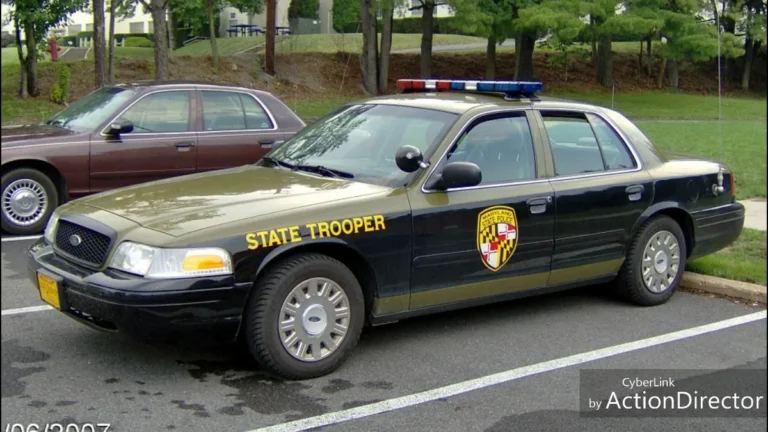
Police can issue tickets for excessive exhaust noise under Maryland Transportation Code § 22-406. Fines typically range from $80 to $500, depending on the jurisdiction. Repeat offenses may lead to higher penalties or even vehicle impoundment.
Enforcement isn’t just about noise levels. Officers can also cite you for missing or modified exhaust components, even if the sound is within limits. The law focuses on both the noise output and the system’s compliance with state standards.
How to Check Your Exhaust Noise Before It’s Too Late
A simple way to test your exhaust is to rev the engine to 75% of redline while stationary. Have someone stand 50 feet away with a decibel meter app. If the reading exceeds 92 dB, your system needs adjustment.
For a more accurate test, visit a professional shop with SAE J1169 equipment. They can measure your exhaust noise using the same standard as Maryland inspectors. This is especially useful if you’ve modified your exhaust and want to confirm compliance.
Legal Ways to Modify Your Exhaust Without Breaking the Law
High-flow mufflers are a popular legal option. They improve performance while keeping noise within limits. Cat-back systems are another good choice, as they replace components after the catalytic converter without affecting emissions.
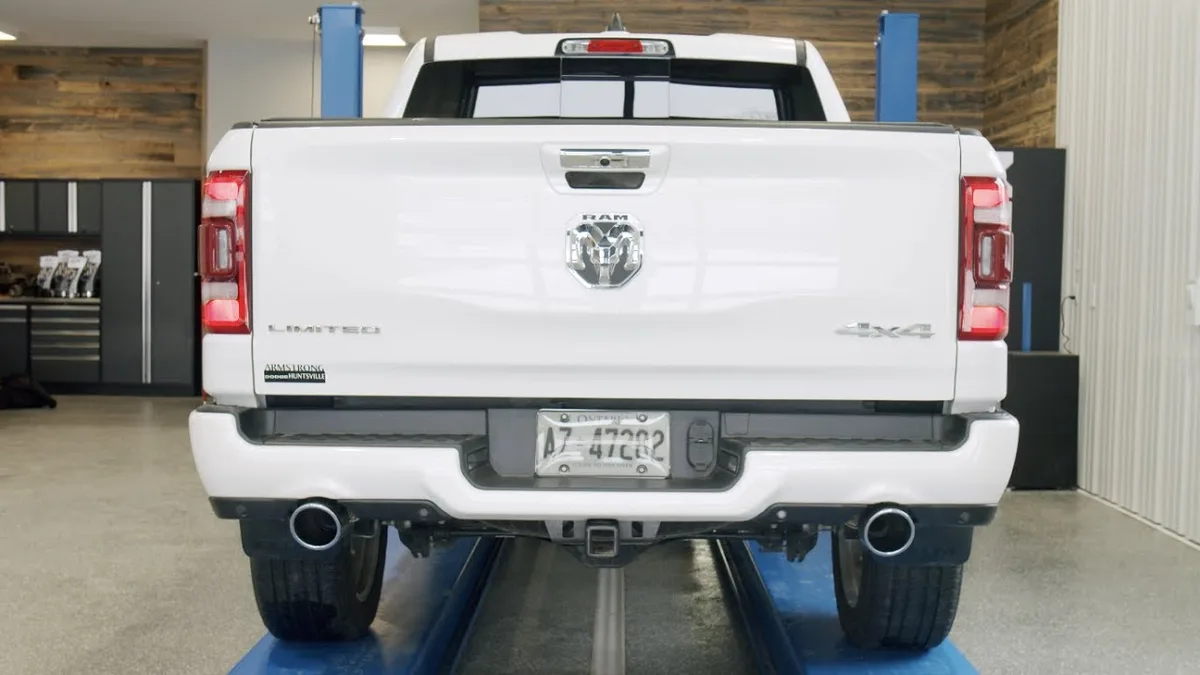
Always check the manufacturer’s decibel ratings before purchasing. Some brands provide test results that confirm compliance with Maryland’s 92 dB limit. If you’re unsure, consult a professional installer who understands local regulations.
When to Replace vs. Repair: Keeping Your Exhaust Compliant
Rust and holes in the muffler or pipes often require replacement. Patching small leaks might work temporarily, but corrosion usually spreads. A professional can assess whether repair or replacement is the better long-term solution.
If your exhaust is simply too loud due to age, a new muffler or resonator may restore compliance. Aftermarket parts can be just as effective as OEM if they meet Maryland’s noise standards.
FAQs About Maryland Exhaust Noise Laws
Is a straight pipe exhaust legal in Maryland?
No. Straight pipe exhausts remove the muffler and other noise-reducing components, making them illegal under Maryland law. They typically exceed the 92 dB limit and will fail inspection.
Can I get a ticket for a loud exhaust in Maryland?
Yes. Police can issue fines ranging from $80 to $500 for excessive exhaust noise. Repeat violations may lead to higher penalties or vehicle impoundment.
How is exhaust noise measured in Maryland?
Maryland uses the SAE J1169 standard. The test measures decibels at 50 feet with the engine at 75% of redline. This ensures consistent and fair enforcement.
What’s the quietest legal exhaust modification?
High-flow mufflers and cat-back systems are popular legal options. They improve performance while keeping noise within the 92 dB limit.
Will a muffler delete pass inspection in Maryland?
No. Muffler deletes remove a required component, making the vehicle non-compliant. It will fail inspection and may result in a fine if driven on public roads.
Final Takeaway: Stay Legal, Stay Quiet, Stay Safe
Maryland’s exhaust noise laws are straightforward but strictly enforced. Keeping your system within the 92 dB limit ensures you pass inspections and avoid fines. Legal modifications exist, but they must still meet state standards.
If you’re unsure about your exhaust, a professional inspection can confirm compliance. Staying informed and proactive keeps you on the right side of the law.