ByMax Lee
Master Your Car Wash Manual Settings
Bing (Web (fair-use with source credit))
Car wash manual settings let you control pressure, foam, and tools for a safer, deeper clean than automated systems. Most automatic car washes use harsh brushes and fixed pressure that can scratch paint or miss stubborn grime.
Manufacturer specs confirm that manual setups with 1,200, 1,900 PSI and a 25°, 40° nozzle are ideal for most passenger vehicles. This flexibility is why many detailers prefer manual methods, but it also means you need to know the right settings for your car’s finish.
Quick Answer
Car wash manual settings adjust pressure, water flow, and cleaning tools to match your vehicle’s needs. Most cars need 1,200, 1,900 PSI with a wide-angle nozzle. Foam cannons add lubrication to lift dirt safely.
Always use soft mitts or brushes for paint protection.
How Manual Car Wash Settings Work
Manual car washing puts you in control of three core variables: pressure, chemical application, and physical cleaning tools. Unlike automatic systems, you adjust these based on your car’s condition and finish type.
Pressure washers deliver water at adjustable PSI, while foam cannons mix soap with air for a thick, clinging lather. The tools you choose, mitts, brushes, or cloths, determine how safely you remove dirt without scratching.
The 3 Key Variables That Change Your Approach
Your manual wash settings depend on three factors: dirt level, surface type, and equipment. Heavy mud or salt requires higher pressure and pre-soaking, while delicate finishes like matte or vinyl wraps need gentle tools and lower PSI.
If your car has a standard clear coat, you can use medium pressure (1,500, 1,900 PSI) with a 25° nozzle. For older or damaged paint, drop to 1,200 PSI and a 40° nozzle to avoid peeling or chipping.
Pressure Washer Settings: PSI, GPM, and Nozzle Types
Bing (Web (fair-use with source credit))
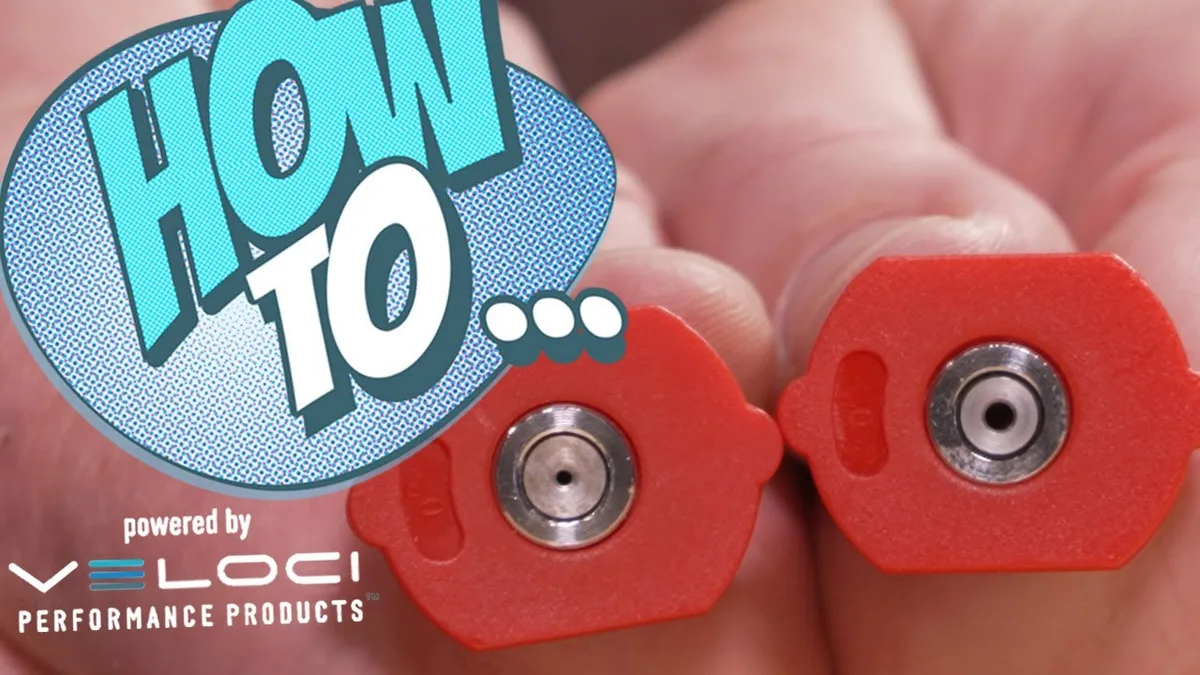
PSI measures water pressure, while GPM measures flow rate. Higher PSI cleans faster but risks paint damage, while higher GPM rinses away dirt more efficiently. For most cars, 1.4, 1.8 GPM is sufficient.
Nozzle types change the spray pattern, measured in degrees. A 0° nozzle is a pinpoint jet for stubborn grime but can strip paint. A 25°, 40° nozzle is the safest for general car washing.
| Nozzle Angle | Best For | Risk Level |
|---|---|---|
| 0°–15° | Heavy mud, undercarriage | High |
| 25° | Wheels, tires, lower panels | Medium |
| 40° | Body panels, delicate finishes | Low |
| 65° | Rinse, soap application | None |
Foam vs. Direct Spray: When to Use Each
Bing (Web (fair-use with source credit))
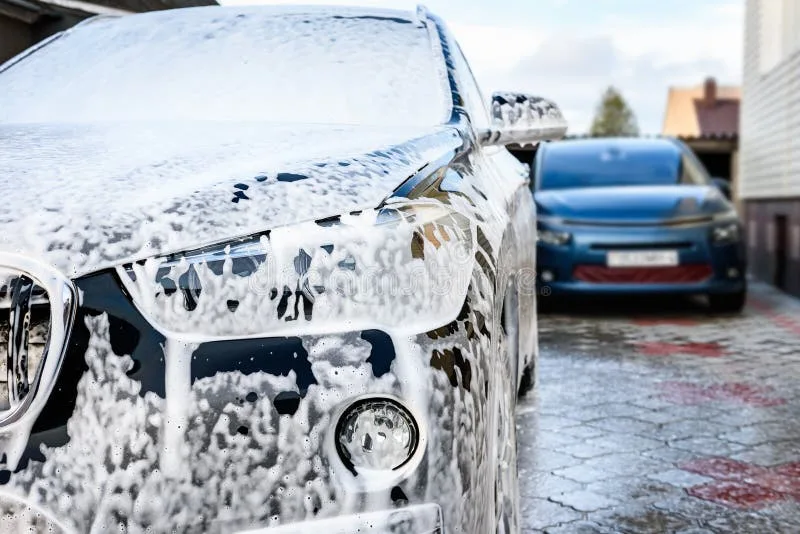
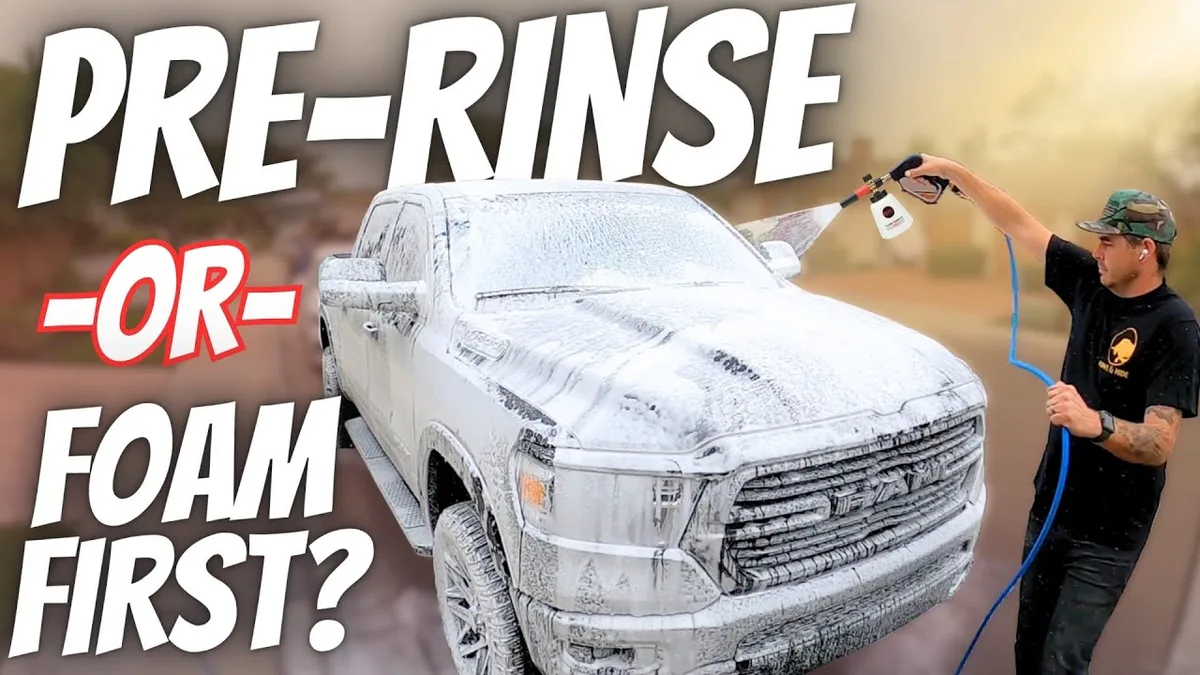
Foam cannons apply a thick layer of soap that clings to the car, lifting dirt before you touch the surface. This reduces the risk of scratches from dragging grit across the paint. Direct spray is better for rinsing or blasting off loose debris.
Use foam first to loosen contaminants, then switch to direct spray for rinsing. For best results, let the foam dwell for 3, 5 minutes before scrubbing. This dwell time breaks down grime so you don’t have to scrub as hard.
Brushes, Mitts, and Cloths—What’s Safe for Your Paint?
Bing (Web (fair-use with source credit))
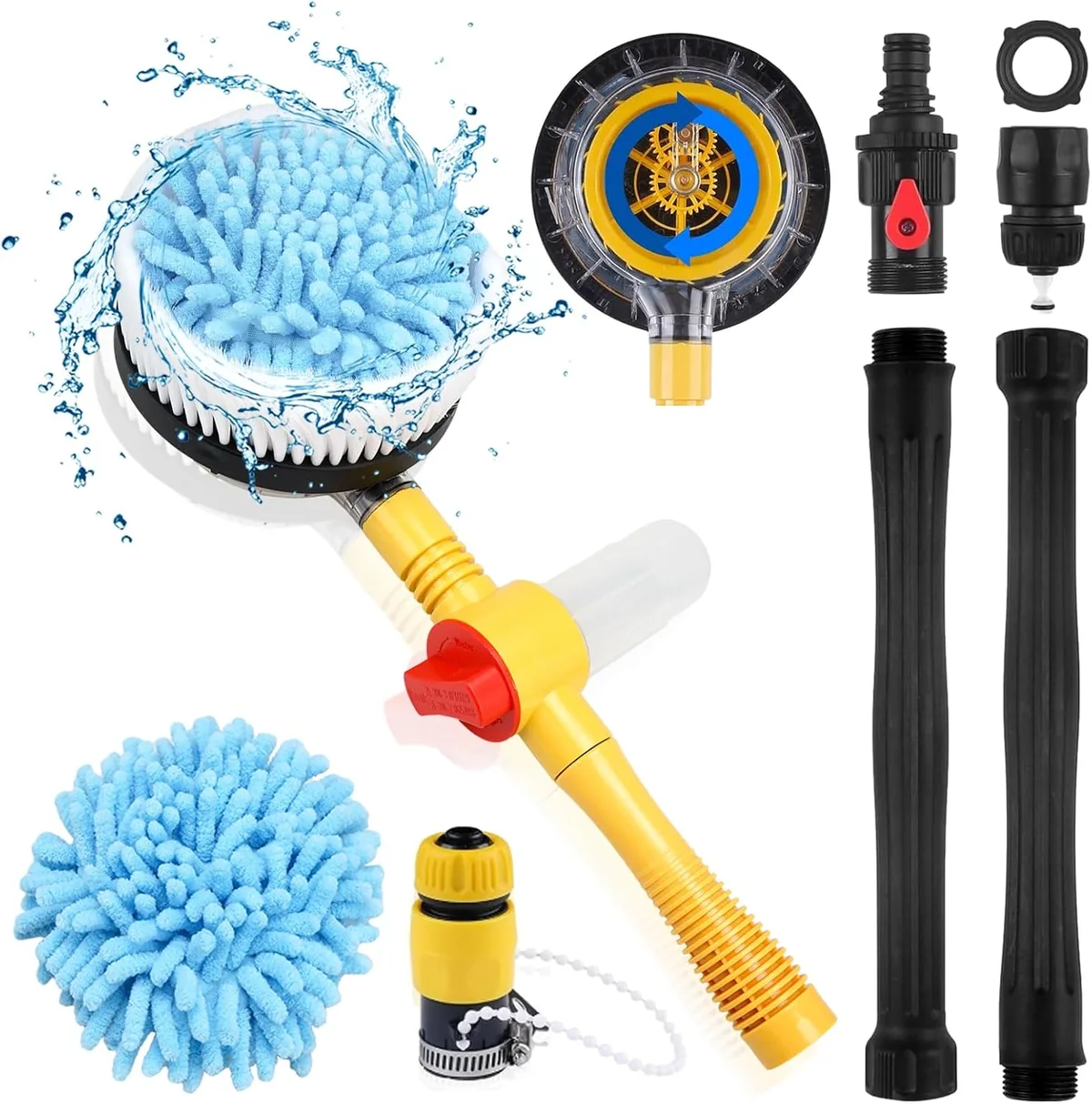
Microfiber mitts are the safest choice for most car finishes. They trap dirt in their fibers instead of dragging it across the paint. Soft-bristle brushes work for wheels and tires but should never touch body panels.
Avoid sponge brushes or stiff nylon brushes on clear coat. These can leave swirl marks or even strip wax. For matte or satin finishes, stick to plush microfiber cloths and gentle hand pressure.
Step-by-Step Manual Wash Workflow
Pre-Wash: What to Do Before Touching the Car
Start with a thorough rinse to remove loose dirt. Use a 40° nozzle at low pressure to avoid forcing debris into the paint. Pre-soak with foam for 3, 5 minutes to lift grime.
Washing: Section-by-Section Technique
Work from the top down, cleaning one panel at a time. Use the two-bucket method: one for soap, one for rinsing your mitt. This prevents reapplying dirt to the car.
Rinsing and Drying Without Leaving Marks
Rinse each section immediately after washing. Use the open nozzle for a wide, gentle spray. Dry with a clean microfiber towel or blower to prevent water spots.
Common Mistakes That Ruin Paint (And How to Avoid Them)
Using a dirty mitt spreads contaminants across the surface. Always rinse your mitt in the clean bucket before reloading with soap.
High pressure on delicate areas like mirrors or trim can crack plastic or peel paint. Keep the nozzle at least 12 inches away from these parts. Letting soap dry on the car leaves residue that’s hard to remove.
Rinse thoroughly and dry promptly.
Manual vs. Automatic Car Wash: Which Is Better for Your Car?
Manual washing gives you control over pressure, chemicals, and tools. This reduces the risk of damage from harsh brushes or strong detergents.
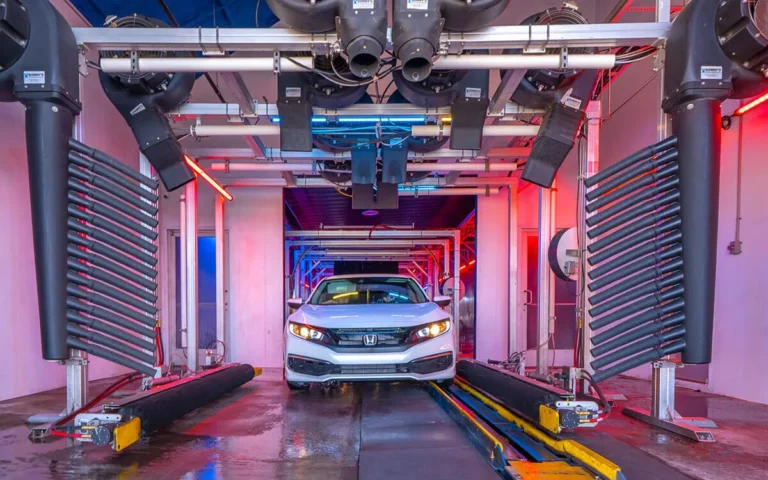
Automatic car washes are faster but often use abrasive materials. They’re fine for quick cleanups but not ideal for long-term paint care. If your car has a custom finish or decals, manual washing is the safer choice.
Best Manual Settings for Different Situations
Heavy Mud and Grime
Use a 15°, 25° nozzle at 1,800, 2,200 PSI. Pre-soak with a degreaser, then blast off the bulk of the dirt before scrubbing.
Delicate or Matte Finishes
Stick to 1,200, 1,500 PSI with a 40° nozzle. Use pH-neutral soap and soft microfiber cloths. Avoid brushes entirely.
Wheels, Tires, and Undercarriage
A 0°, 15° nozzle at 2,000+ PSI works for stubborn brake dust. Use a dedicated wheel brush and a strong degreaser. Rinse thoroughly to prevent residue buildup.
Quick Maintenance Wash
A 25°, 40° nozzle at 1,200, 1,500 PSI is enough for light dust. Skip the foam cannon and use a quick detailer spray for extra shine.
Pro Tips for Faster, Safer, and More Effective Washing
Use the two-bucket method with grit guards to keep dirt out of your wash water. This simple step prevents swirl marks and extends your paint’s life.
Work in the shade or during cooler parts of the day. Direct sunlight causes soap to dry too quickly, leaving streaks. A leaf blower speeds up drying and reduces water spots compared to towels.
Safety and Compliance: What You Should Never Do
Never use a pressure washer above 2,500 PSI on car paint. Higher pressure can strip clear coat or dent thin metal panels.
Avoid household cleaners like dish soap. These can strip wax and damage paint over time. Stick to pH-balanced car wash soaps.
Always wear eye protection when using a pressure washer. Debris can ricochet at high speeds. Per OSHA guidelines, this is a basic but critical safety measure.
Frequently Asked Questions
Can I use a pressure washer on any car?
Most passenger vehicles handle 1,200, 1,900 PSI safely. Lower the pressure for older paint, decals, or matte finishes. Always test a small area first.
How often should I wash my car manually?
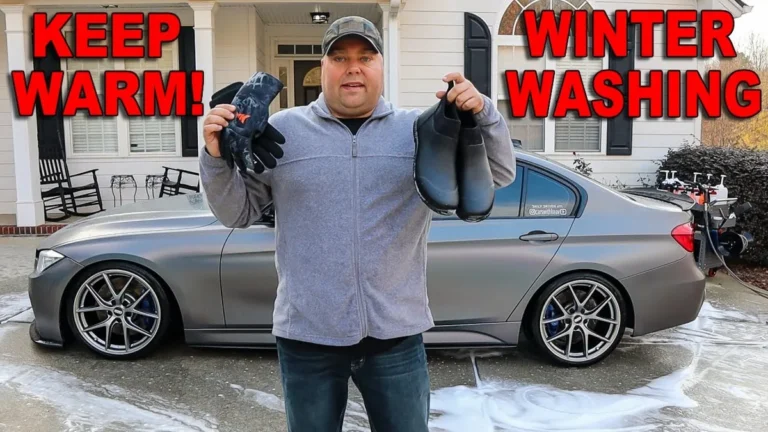
Every two weeks is ideal for most climates. In winter, wash weekly to remove salt and prevent corrosion. More frequent washes are needed in dusty or coastal areas.
What’s the best nozzle for rinsing?
A 40° nozzle provides a wide, gentle spray perfect for rinsing. It covers more area without risking damage to the paint.
Do I need a foam cannon?
A foam cannon helps lift dirt before scrubbing, reducing the risk of scratches. It’s not required but highly recommended for thorough cleaning.
Can I wash my car in direct sunlight?
No. Sunlight causes soap to dry too quickly, leaving spots and streaks. Always wash in the shade or during cooler hours.