ByMax Lee
Where to Add Windshield Washer Fluid in Your Car
YouTube / Hemmarit Hema (YouTube thumbnail (fair-use with source credit))
You don’t need a mechanic to figure out where do you pour the windshield washer fluid in a car. It’s a simple job once you know where to look. Most cars have a dedicated reservoir under the hood, usually marked with a windshield symbol.
Manufacturer specs confirm the typical reservoir holds 1.5 to 3 liters of fluid. As of 2026, modern vehicles often use a translucent tank so you can check the level at a glance.
Quick Answer
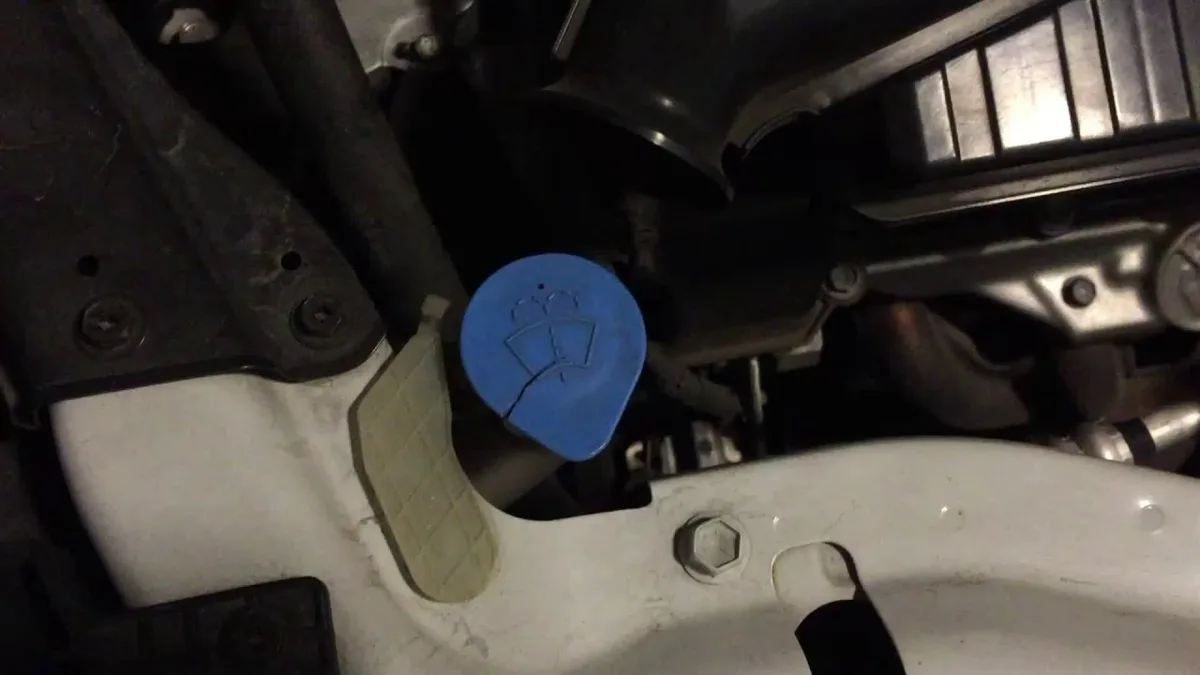
You pour windshield washer fluid into the reservoir under the hood. It has a cap labeled with a windshield or water droplet symbol. The tank is usually near the firewall or fender.
Check your owner’s manual if you’re unsure.
Why It’s Easy to Get Wrong (And How to Spot It Fast)
The engine bay has multiple fluid reservoirs, and they can look similar. Coolant, brake fluid, and washer fluid tanks are often close together. The washer fluid cap is the only one with a windshield icon.
Some older models hide the reservoir behind other components. If you don’t see it immediately, look for a small, round cap with a distinct symbol.
What the Reservoir Looks Like (Visual Cues)
YouTube / O'Reilly Auto Parts (YouTube thumbnail (fair-use with source credit))
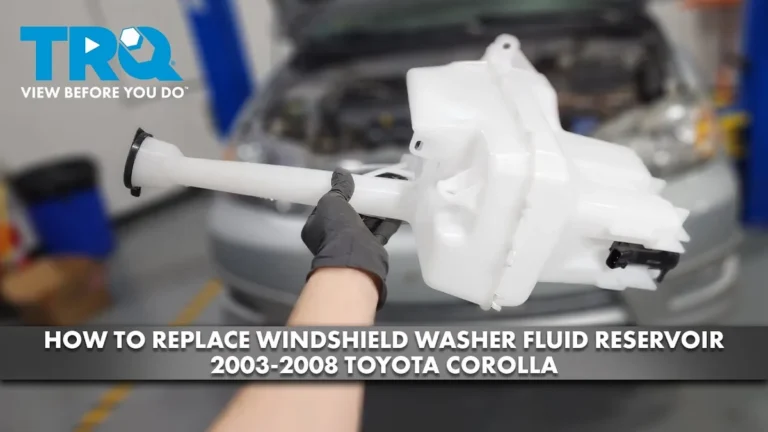
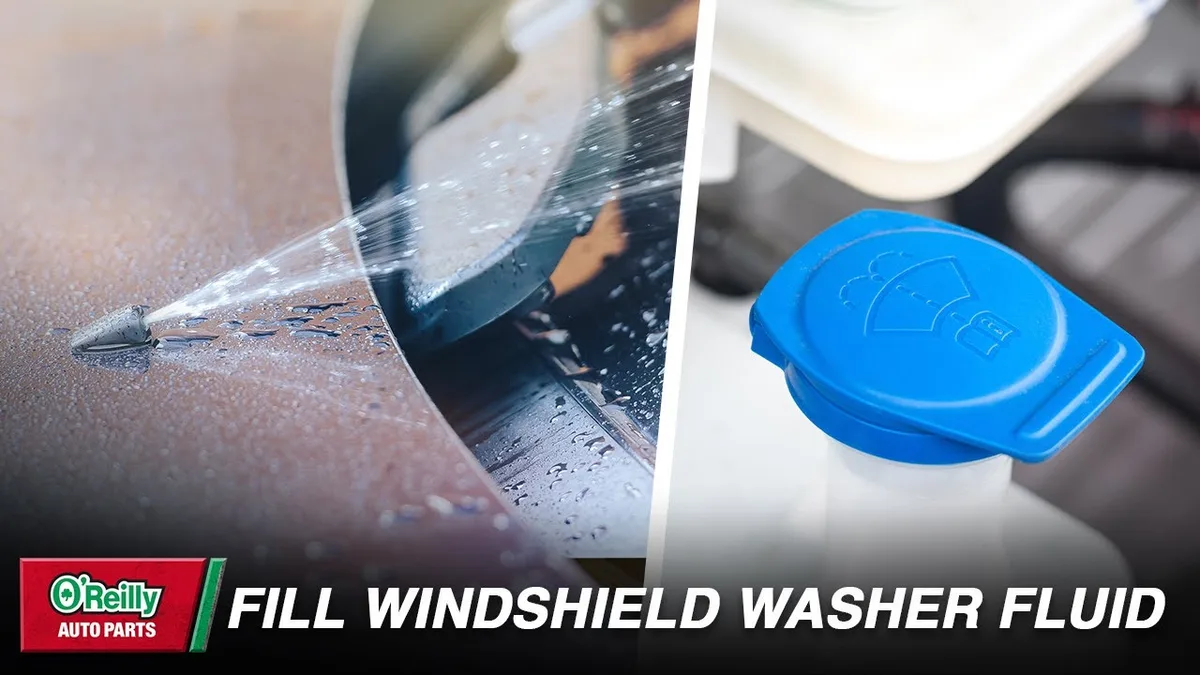
The washer fluid reservoir is typically a white or translucent plastic tank. The cap is often blue, white, or black, with a windshield symbol. Some vehicles have a labeled dipstick or max/min fill lines.
In most cars, it’s on the passenger side near the windshield. Luxury or European models may place it near the driver’s side. Always confirm with your owner’s manual.
Step-by-Step: How to Add Washer Fluid
YouTube / carsales (YouTube thumbnail (fair-use with source credit))
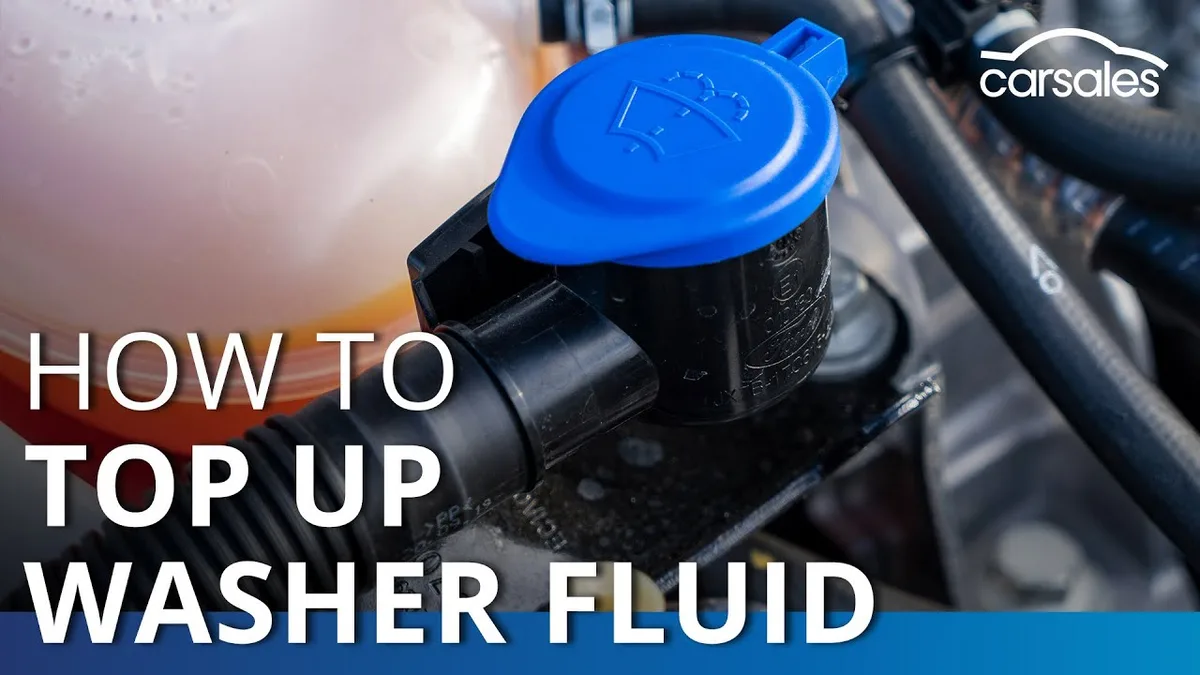
Park on a level surface and open the hood. Locate the reservoir using the visual cues above.
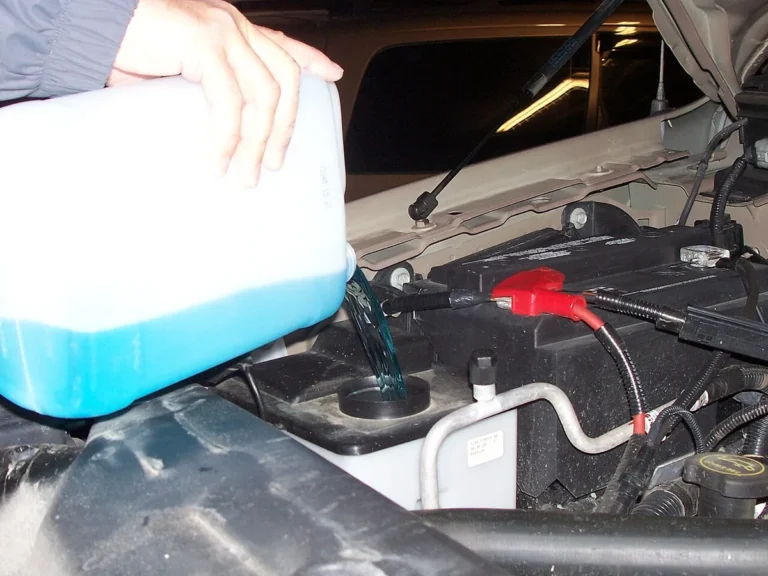
Remove the cap and check the current fluid level. If it’s low, pour in washer fluid until it reaches the max line. Avoid overfilling, as it can cause leaks.
Secure the cap and test the sprayers by activating the washer lever inside the car. If the fluid doesn’t spray, check for clogs in the nozzles.
Winter vs. Summer Washer Fluid: What to Use

YouTube / Sweet Project Cars (YouTube thumbnail (fair-use with source credit))
Winter washer fluid contains antifreeze additives to prevent freezing. It’s essential in cold climates where temperatures drop below 32°F (0°C). Summer fluid is formulated to remove bugs and grime more effectively.
| Type | Freezing Point | Best For |
|---|---|---|
| Winter | Below -20°F (-29°C) | Snow, ice, sub-zero temps |
| Summer | 32°F (0°C) | Bugs, tar, warm weather |
Using the wrong type can lead to frozen lines or poor cleaning performance. Per SAE International standards, winter fluid must meet specific low-temperature requirements.
Common Mistakes (And How to Avoid Them)
The most frequent error is adding washer fluid to the wrong reservoir. The coolant tank often sits nearby and has a similar cap. Always verify the windshield symbol before pouring.
Another issue is using plain water instead of proper washer fluid. Water freezes in cold weather and doesn’t clean effectively. It can also promote algae growth in the reservoir.
Overfilling the tank can cause leaks or damage the pump. Stick to the max fill line if your reservoir has one. If it doesn’t, leave about an inch of space at the top.
How to Test If It’s Working
Press the washer lever inside your car while the engine is running. Fluid should spray evenly across the windshield. If nothing comes out, the reservoir may be empty or the pump could be faulty.
Check the spray pattern. If it’s weak or uneven, the nozzles might be clogged. A pin or needle can clear minor blockages.
If the fluid sprays but doesn’t clean well, you may have the wrong type for the season. Winter fluid struggles with bug removal, while summer fluid can freeze in cold temps.
When to Refill and How Much You Need
Most reservoirs hold between 1.5 to 3 liters of fluid. A good rule is to refill when the level drops below a quarter full.
In harsh winter conditions, check the level every couple of weeks. Salt and grime build up quickly on windshields. Summer driving in bug-heavy areas may also require more frequent top-ups.
If you’re planning a long road trip, fill the reservoir completely before you leave. It’s a quick task that can save you from poor visibility when you need it most.
FAQs About Windshield Washer Fluid
Can I use water instead of washer fluid?
No. Water lacks the cleaning agents found in washer fluid and will freeze in cold weather. It can also leave mineral deposits in the system over time.
Why isn’t my washer fluid spraying?
The reservoir might be empty, or the pump could be faulty. Clogged nozzles are another common cause. Check these in order.
How often should I replace washer fluid?
There’s no set schedule, but it’s good practice to refill every few months. Always replace it when switching between winter and summer formulas.
What happens if I use summer fluid in winter?
It can freeze in the lines, blocking the sprayers. This leaves you with no way to clear ice or snow from your windshield.
Can I mix different brands of washer fluid?
Yes, but stick to the same type (winter or summer). Mixing winter and summer formulas can reduce effectiveness.