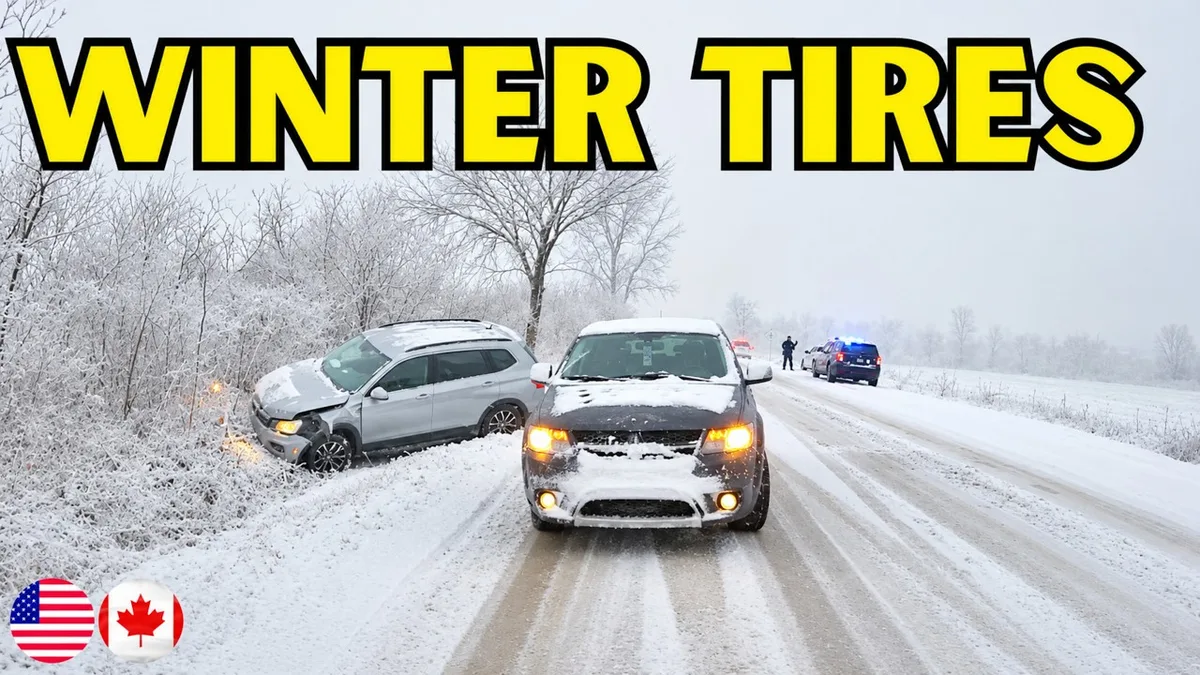
ByMax Lee
Michigan Winter Driving Rules & Studded Tire Laws
Michigan winter driving requirements and studded tire regulations can feel like a maze if you've never looked them up. The short version is that studded tires are legal here, but only inside a strict seasonal window and with limits on how far the studs stick out.
Per the Michigan Vehicle Code Section 257.715, studded tires are allowed from November 1 through April 1 as of 2026. That single rule keeps most drivers out of trouble if they swap them on time.
Quick Answer
Michigan winter driving requirements and studded tire regulations allow studded tires November 1 to April 1. Studs must not protrude more than 1/16 inch. Winter tires with the Three-Peak Mountain Snowflake mark are legal year round.
All-season tires must meet M+S standards for snow use.
Michigan’s Winter Driving Tire Rules at a Glance
Michigan does not require you to run winter tires. The state leaves the choice to you, but it sets hard edges around studs.
Here's the baseline most drivers miss. You can drive on bare all-season tires in a whiteout if you want to, but you'll be the one sliding. The law only steps in when studs or chains enter the picture.
Our research shows the Michigan Department of Transportation focuses enforcement on stud timing and protrusion. They don't check tire brand or tread pattern at the roadside.
| Action | Earliest legal date | Latest legal date |
|---|---|---|
| Mount studded tires | November 1 | March 31 |
| Drive with studs | November 1 | April 1 |
| Must remove studs | After April 1 | As soon as possible |
If you're building a winter plan, start with those four buckets. The rest of this guide fills in the gaps.
Why Studded Tire Regulations Exist in Michigan
Studded tires chew up bare pavement. That's the whole reason states limit them.
The metal studs bite ice, but they also grind asphalt when roads are clear. Michigan Department of Transportation estimates studded tires cause measurable surface wear during shoulder seasons. That wear costs taxpayers through repaving cycles.
Michigan picked a window that covers most ice risk. November 1 to April 1 catches the hard freezes and lake-effect storms. It also pulls studs off the road before spring thaw softens pavement.
We've seen other northern states ban studs outright. Michigan went the permission route with a clock on it. You get the grip, the state gets a cutoff date.
The tradeoff is real. Studs help you on glare ice, but they add road noise and drop fuel economy on clear stretches. Knowing why the rule exists helps you decide if the trade is worth it for your commute.
Are Studded Tires Legal in Michigan Right Now?
The answer flips every few months. If today is December 15, yes. If today is May 2, no.
Michigan allows studded tires only between November 1 and April 1. Outside those dates, having them mounted is a violation under the Michigan Vehicle Code. There is no monthly grace period.
Some drivers assume the rule follows the weather. It doesn't. A 60 degree day in March still sits inside the legal window.
A cold snap in late April is already outside it.
Check the calendar, not the thermometer. That's the safest habit.
If you run a fleet, build a reminder into your maintenance schedule. Our research shows small operators get caught most often in early May when they forget to pull studs. A simple date on the shop calendar avoids the fine.
The same logic applies if you're new to the state. Out-of-state drivers must follow Michigan dates, not their old home rules. A permit from another state means nothing on I-75.
Michigan’s Studded Tire Season: Exact Dates and Exceptions
The core dates are fixed. Studded tires may be used from November 1 through April 1. That's written into state law and hasn't moved in years.
April 1 is the hard stop. If you're driving on April 2 with studs mounted, you're out of compliance. Don't count on leniency from the Michigan State Police on that one.

There are a few narrow exceptions worth knowing. Emergency vehicles and some municipal equipment get different treatment under local policy. Those aren't consumer loopholes, so don't assume your pickup qualifies.
Commercial carriers should check weight-class rules before relying on studs. The statute targets passenger and light vehicles most directly. Heavier rigs face separate equipment standards through federal and state haul codes.
Who Can (and Can’t) Use Studded Tires in Michigan
Most passenger car and light truck owners can use studs in season. That covers daily commuters, rural drivers, and folks up in the Upper Peninsula dealing with lake-effect ice.
You can't use them if your vehicle falls under a specific exemption ban. Some trailer types and certain commercial configurations are restricted by equipment class.
Out-of-state visitors can run studs here during our window. They must obey Michigan dates, not their home state's. A longer allowance back home doesn't apply on Michigan asphalt.
Emergency responders often get a pass. That includes sheriff vehicles and MDOT trucks fitted for winter patrol. Those are agency decisions, not a permit you can buy.
Studded Tires vs. Winter Tires vs. All-Season Tires: What’s the Difference?
Studded tires have metal studs embedded in the tread to bite into ice. Winter tires use softer rubber and deeper treads for cold-weather grip without studs. All-season tires are a compromise that work in light snow but lose traction in deep cold.
Here’s how they stack up in real conditions:
| Tire Type | Ice Grip | Snow Traction | Dry Road Noise | Lifespan |
|---|---|---|---|---|
| Studded | Best | Excellent | Loud | Shorter |
| Winter (non-stud) | Very Good | Excellent | Quiet | Standard |
| All-Season | Poor | Fair | Quiet | Longer |
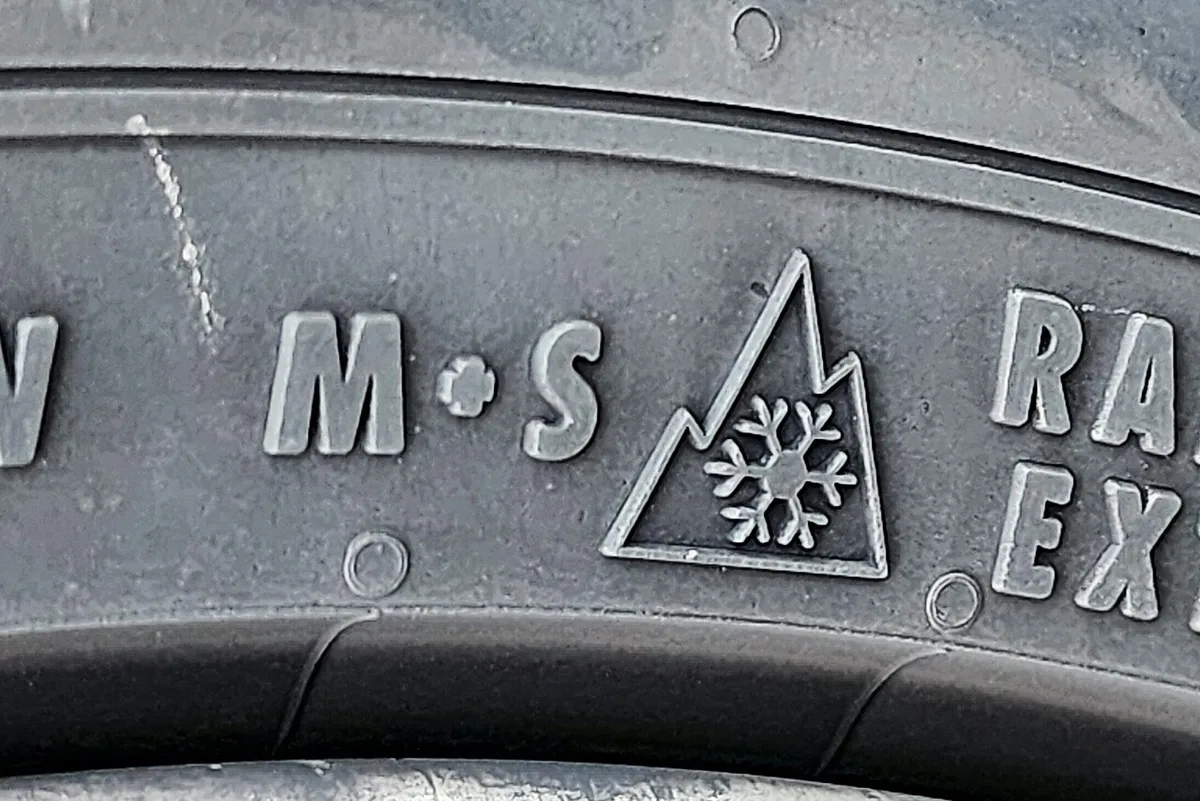
Winter tires with the Three-Peak Mountain Snowflake symbol meet a higher standard for snow performance. All-season tires with M+S markings are legal but don’t perform as well in severe cold.
If you drive mostly on plowed roads, winter tires without studs are the sweet spot. They grip better than all-seasons in cold weather and last longer than studded tires. Studded tires shine on black ice and packed snow but wear faster and damage pavement.
How Studded Tires Work—and When They Actually Help
Studded tires use small metal pins to dig into ice. The studs protrude just enough to break the surface and create friction. On bare pavement, they’re less effective and can reduce handling.
They help most on glare ice and hard-packed snow. On fresh powder, deep treads matter more than studs. In slush, studs can actually reduce traction by packing snow into the tread.
The studs themselves are usually tungsten carbide or aluminum. Tungsten lasts longer but costs more. Aluminum is lighter and cheaper but wears faster.
You’ll feel the difference on bridges and overpasses. These freeze first and stay icy longest. Studs give you an edge in those spots where other tires struggle.
The Risks of Using Studded Tires (Even When Legal)
Studded tires damage roads. That’s why Michigan limits their use to winter months. The metal studs chip away at asphalt over time.
They also create more road noise. The studs click against the pavement, which can get annoying on long drives. Fuel economy drops slightly because of the added rolling resistance.
Worn studs are another risk. If the studs wear down below the tread surface, they stop working. You’ll have all the downsides with none of the benefits.
There’s a safety tradeoff too. Studs can reduce traction on wet pavement compared to winter tires without studs. They’re not a magic bullet for every winter condition.
Michigan’s Studded Tire Specs: What’s Allowed and What’s Not
Michigan law sets a 1/16 inch maximum protrusion for studs. That’s about the thickness of a credit card. Anything longer is illegal.
The studs must be evenly spaced and securely embedded. Loose or uneven studs can damage roads or come loose while driving.
| Spec | Requirement |
|---|---|
| Stud protrusion | Max 1/16 inch |
| Tire tread depth | Min 4/32 inch |
| Stud material | Metal (tungsten, aluminum) |
| Stud placement | Evenly distributed |
You can’t add studs to just any tire. The tire must be designed to accept studs. Check the sidewall for a studdable marking.
If you’re unsure, a tire shop can measure your studs. They’ll also check for uneven wear or damage that could make the tire unsafe.
Step-by-Step: How to Check if Your Studded Tires Are Legal
First, verify the date. Studded tires are only legal from November 1 to April 1 in Michigan. Outside that window, they’re not allowed.
Next, inspect the studs. Use a tread depth gauge or a credit card to check protrusion. If any stud sticks out more than 1/16 inch, the tire is out of compliance.
Then, check the tread depth. Michigan requires at least 4/32 inch of tread for safe operation. Worn tires won’t grip well, studs or not.
Finally, confirm the tire is studdable. Look for a marking on the sidewall that indicates it’s designed for studs. If there’s no marking, the tire isn’t legal with studs.
What Happens If You Break Michigan’s Studded Tire Laws?
You’ll face a civil infraction and a fine. The exact amount varies by jurisdiction but typically runs around $100 to $200. The officer can also order you to remove the tires on the spot.

Repeat offenses can lead to higher penalties. If you’re pulled over multiple times with illegal studs, the fines stack up. The state doesn’t mess around with road damage.
Insurance companies may also take notice. A citation for illegal tires could be flagged as a moving violation. That might bump your rates at renewal time.
Do You Need Studded Tires in Michigan? (And When to Skip Them)
Most drivers don’t need studs. Winter tires without studs handle 90 percent of Michigan winters just fine. They grip better than all-seasons in cold weather and last longer than studded tires.
Studs make sense if you drive on unpaved or poorly maintained roads. They also help if you frequently encounter black ice on bridges or overpasses. For city driving on plowed streets, they’re overkill.
Consider your commute. If you’re on I-94 or US-131 most days, winter tires without studs are the smarter choice. You’ll save money on fuel and avoid the road noise.
Winter Tire Alternatives That Don’t Require Studs
Winter tires with the Three-Peak Mountain Snowflake symbol are the top alternative. They use advanced rubber compounds and tread patterns to grip snow and ice without metal studs.
Tire chains are another option for extreme conditions. They’re legal in Michigan during ice or snow but must be removed when roads are clear. Chains are noisy and can damage roads if misused.
All-weather tires are a newer category. They’re rated for year-round use and perform better in light snow than standard all-seasons. They’re not as capable as dedicated winter tires but offer convenience.
| Option | Snow Grip | Ice Grip | Noise | Cost |
|---|---|---|---|---|
| Winter tires | Excellent | Very Good | Low | Moderate |
| Studded tires | Excellent | Best | High | High |
| Tire chains | Very Good | Excellent | Very High | Low |
| All-weather tires | Good | Fair | Low | Moderate |
Pro Tips for Driving Safely in Michigan Winters (Tires or No Tires)
Slow down before you need to. Speed limits are for ideal conditions. In snow or ice, cut your speed by at least half.
Keep a winter emergency kit in your car. Include a shovel, ice scraper, jumper cables, and a blanket. You never know when you’ll need them.
Check your tire pressure regularly. Cold weather causes pressure to drop. Underinflated tires reduce traction and fuel economy.
Practice braking in a safe area. If you’re new to winter driving, find an empty parking lot to get a feel for how your car handles on snow and ice.
Frequently Asked Questions
Can I use studded tires year-round in Michigan?
No. Studded tires are only legal from November 1 to April 1. Outside that window, they’re not allowed on public roads.
What’s the fine for illegal studded tires in Michigan?
Fines typically range from $100 to $200 for a first offense. Repeat violations can lead to higher penalties.
Do winter tires without studs need to meet any special standards?
Yes. Look for the Three-Peak Mountain Snowflake symbol on the sidewall. This mark means the tire meets specific snow traction performance standards.
Are tire chains legal in Michigan?
Yes, but only during ice or snow conditions. They must be removed when roads are clear to avoid damage.
Can I use studded tires on a rental car in Michigan?
Only if the rental company provides them and the dates fall within the legal window. Most rental fleets use all-season or winter tires without studs.