ByMax Lee
Minnesota Commercial Vehicle Registration & Weight Limits
Minnesota commercial vehicle registration and weight restrictions can trip up even experienced operators. Whether you're running a local delivery truck or hauling freight across state lines, the rules change based on your vehicle's weight, how you use it, and where you drive. Get it wrong, and you risk fines, delays, or even losing your operating authority.
As of 2026, Minnesota enforces an 80,000-pound gross vehicle weight limit for most commercial trucks, with strict axle-specific caps.
Bing (Web (fair-use with source credit))
Quick Answer
Minnesota commercial vehicle registration and weight restrictions apply to any vehicle over 10,000 lbs GVW. Single axles max out at 20,000 lbs. Tandem axles hit 34,000 lbs.
Gross weight cannot exceed 80,000 lbs. Seasonal limits drop further during spring thaw.
Do You Need Commercial Registration in Minnesota?
You do if your vehicle meets any of these conditions:
- Gross vehicle weight rating (GVWR) of 10,001 lbs or more
- Designed to transport 16+ passengers (including the driver)
- Used to haul hazardous materials requiring placarding
Light-duty trucks under 10,000 lbs typically register as passenger vehicles. But if you're using a pickup for business purposes, you may still need commercial plates. The Minnesota Department of Public Safety's Driver and Vehicle Services (DVS) makes the final call.
For comparison, Illinois pick up truck registration fees also scale by GVWR, but Minnesota's thresholds and fee structures differ.
Minnesota Commercial Vehicle Classes & Who They Apply To
Minnesota groups commercial vehicles into classes based on weight and use.
| Class | Weight Range | Typical Vehicles |
|---|---|---|
| Light Commercial | Under 10,000 lbs | Small delivery vans, some pickups |
| Medium-Duty | 10,001–26,000 lbs | Box trucks, larger pickups with trailers |
| Heavy-Duty | 26,001+ lbs | Semi-trucks, dump trucks, tractor-trailers |
Class A covers combination vehicles over 26,000 lbs. Class B covers single vehicles over 26,000 lbs. Class C covers vehicles under 26,000 lbs transporting hazardous materials or 16+ passengers.
Weight Restrictions: The Hard Limits You Can’t Ignore
Minnesota enforces strict weight limits to protect roads and bridges. Exceed them, and you'll face fines or be forced to offload cargo at a weigh station.
Web (Bing) / storage.googleapis.com (Web image (fair-use with source credit))
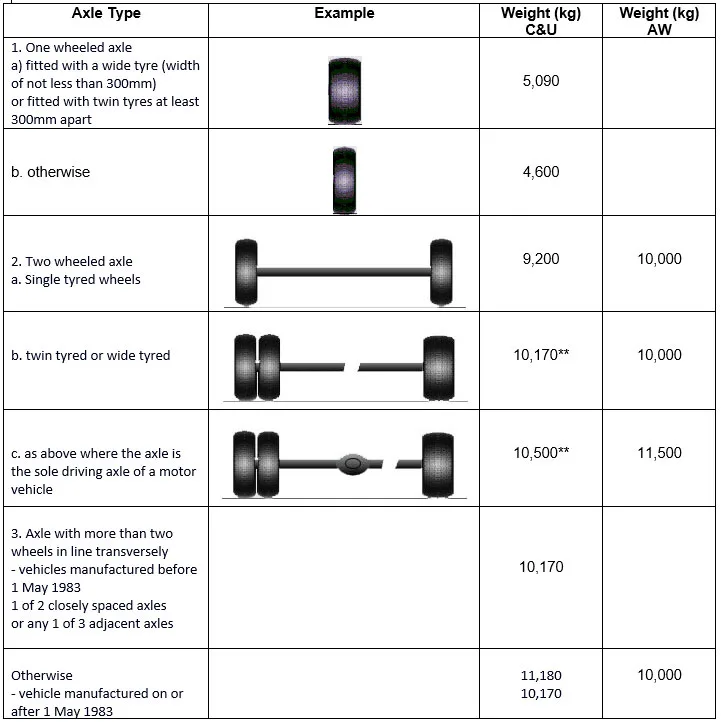
Single Axle, Tandem Axle, and Gross Vehicle Weight Rules
- Single axle: 20,000 lbs maximum
- Tandem axle group: 34,000 lbs maximum
- Tridem axle group: 42,000 lbs maximum
- Gross vehicle weight (GVW): 80,000 lbs maximum
These limits align with federal standards. The Minnesota Department of Transportation (MnDOT) publishes official weight limit maps that update during spring thaw.
Seasonal Weight Restrictions (Spring Thaw & Frost Laws)
From roughly March to May, Minnesota reduces weight limits by about 10% on many roads. This is due to spring thaw weakening pavement. Some local roads may have even stricter limits.
Frost laws typically apply to:
- State highways
- County roads
- Municipal streets
Always check MnDOT's current restrictions before hauling heavy loads during these months. Violations can result in fines up to $1,000 or more.
Step-by-Step: How to Register a Commercial Vehicle in Minnesota
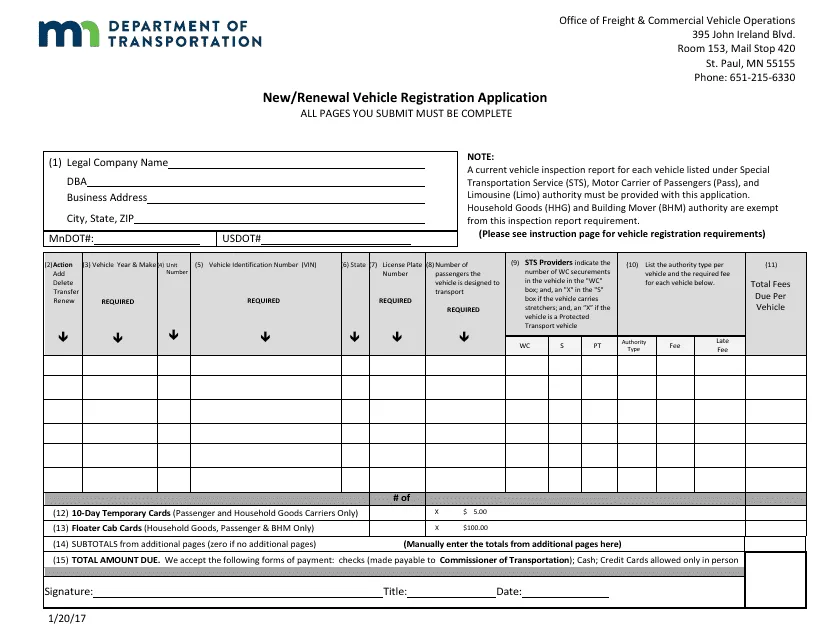
The process varies slightly depending on whether your vehicle is new, used, or being transferred from out of state.
Bing (Web (fair-use with source credit))
New Registration
- Gather your documents: , Vehicle title or manufacturer's certificate of origin
, Proof of insurance
, VIN verification (if required)
, Odometer disclosure (for vehicles under 10 years old)
- Determine your vehicle class and weight: , Weigh your vehicle at a certified scale if unsure
, Check the manufacturer's GVWR on the door jamb or title
- Complete the application: , Fill out Form PS2000 for standard registration
, Use Form PS2000A for apportioned registration
- Pay your fees: , Base registration fee varies by weight class
, Additional fees for plates, stickers, or special permits
- Submit your application: , In person at a DVS office
, By mail for some transactions
, Online for limited commercial vehicle types
Processing times vary. In-person submissions often get same-day plates. Mail-in applications can take 1, 2 weeks.
Renewing Your Registration
Minnesota sends renewal notices about 60 days before expiration. You'll need your renewal notice, proof of insurance, and payment. Renewals can be done online, by mail, or in person.
Late fees apply if you miss the deadline.
Transferring Ownership or Moving from Out of State
If you buy a used commercial vehicle, the seller must provide a signed title. You have 10 days to transfer registration. For out-of-state vehicles, you'll need the out-of-state title, a VIN inspection, and proof of Minnesota insurance.
Fees are prorated based on the remaining registration period.
For interstate operators, you'll also need to register with the International Registration Plan (IRP) and International Fuel Tax Agreement (IFTA). These require separate applications and quarterly reporting.
Permits You Might Need (And When)
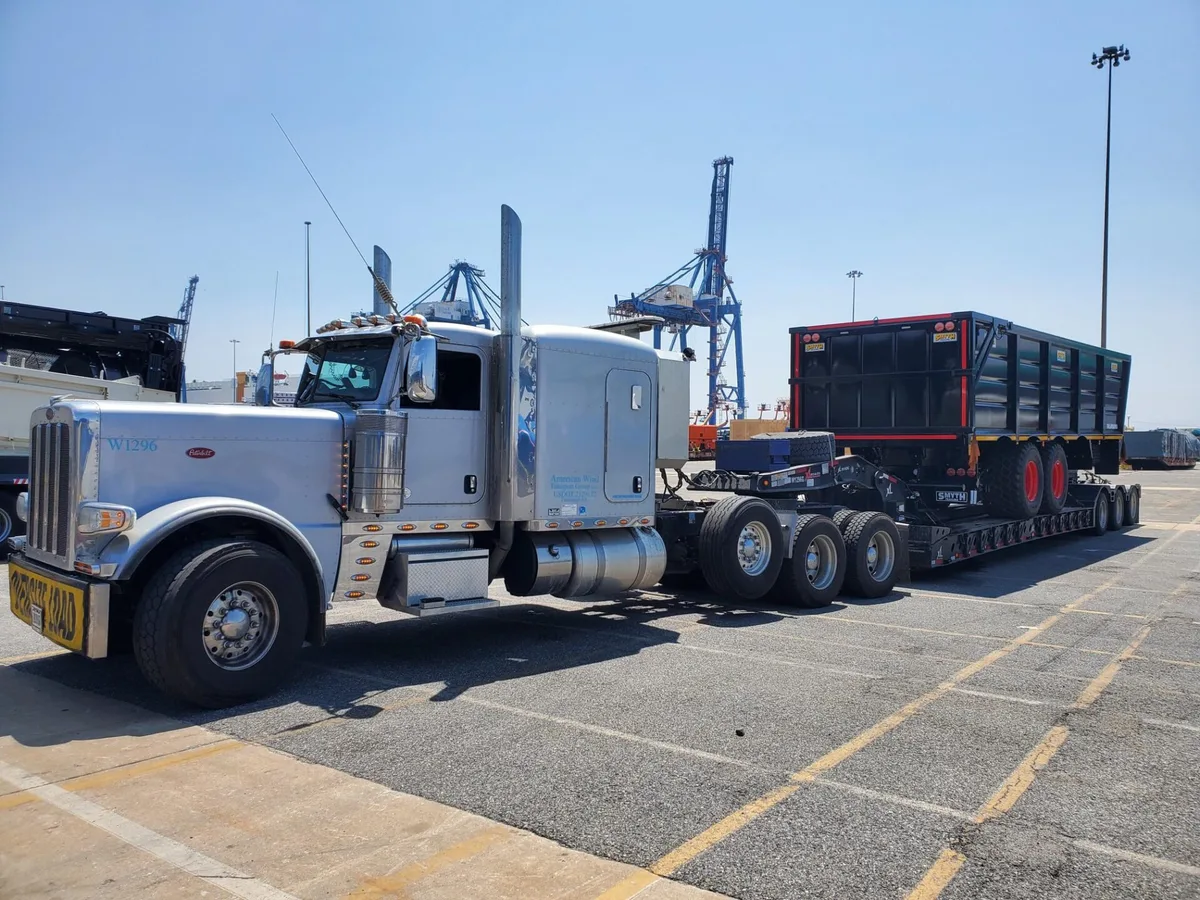
Not all commercial vehicles need special permits. But if you're hauling oversized or overweight loads, you'll need additional documentation.
Web (Bing) / wcspermits.com (Web image (fair-use with source credit))
Oversize/Overweight Permits
Minnesota requires permits for:
- Loads exceeding 8'6" in width
- Loads over 13'6" in height
- Loads longer than 75'
- Any load exceeding weight limits
Permit types include single trip, annual, and seasonal. Fees vary by load size and route. Some routes require escorts or specific travel times.
Temporary & Trip Permits
Need to operate a commercial vehicle temporarily? Minnesota offers:
- 3-day temporary permits for new purchases
- 30-day permits for vehicles awaiting full registration
- Trip permits for interstate carriers passing through
These are available online or at DVS offices. Costs range from $10 to $100.
Apportioned Registration for Interstate Carriers
If you operate across state lines, you need apportioned registration through IRP. This distributes fees based on miles driven in each state and provides one set of plates valid in all IRP member jurisdictions. You'll also need IFTA credentials for fuel tax reporting.
Intrastate vs. Interstate: Different Rules, Different Paperwork
Intrastate operations stay within Minnesota. You only need state registration and compliance with Minnesota weight limits.
Interstate operations cross state lines. You must register through IRP for apportioned plates and IFTA for fuel tax reporting.
When You Need a USDOT Number or MC Number
A USDOT number is mandatory for any commercial vehicle operating interstate. An MC number is required if you're a for-hire carrier transporting regulated commodities.
Costs & Fees: What You’ll Pay in Minnesota
Fees depend on vehicle weight, type, and registration period.
| Weight Class | Base Fee | Additional Fees |
|---|---|---|
| Under 10,000 lbs | $50–$150 | Plate fees, local taxes |
| 10,001–26,000 lbs | $150–$300 | Weight-based surcharges |
| 26,001+ lbs | $300–$500+ | Apportioned fees for interstate |
Apportioned registration fees are calculated based on the percentage of miles you drive in Minnesota. Permit fees range from $10 to $100+ for oversize/overweight loads and $10 to $50 for temporary permits.
Common Mistakes That Lead to Fines
Misclassifying Your Vehicle
Registering a heavy vehicle as light-duty saves money upfront. But if caught, fines can exceed the savings. Always use the manufacturer's GVWR.
Ignoring Seasonal Weight Restrictions
Spring thaw limits are strictly enforced. Hauling at full weight during restricted periods can result in immediate fines.
Missing Registration Deadlines
Late fees start at $10 after expiration. After 30 days, it jumps to $20. After 90 days, you may need to re-register as new.
Skipping Required Permits
Oversize or overweight loads without permits face hefty penalties. Fines start at $100 and increase with the severity of the violation.
What Happens If You Get It Wrong?
Fines, Penalties, and Enforcement
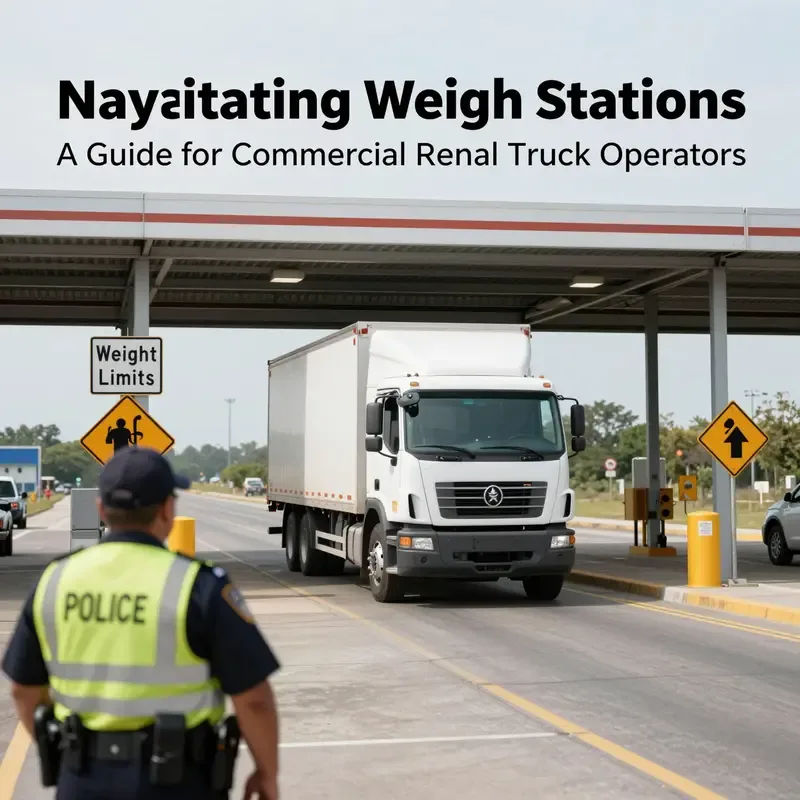
Minnesota State Patrol and MnDOT operate weigh stations across the state. If you're over weight, you'll be ordered to offload until compliant. Fines range from $100 to $1,000+.
For registration violations, penalties include late fees, possible vehicle impoundment, and points on your commercial driving record.
How to Fix a Registration or Weight Violation
If you receive a citation, you typically have 10 days to pay or contest it. For registration issues, correct the violation, pay fines, and provide proof of compliance.
Minnesota-Specific Exemptions & Special Cases
Agricultural Vehicles
Farm vehicles have special considerations. Many are exempt from standard registration fees if used exclusively for agricultural purposes. Seasonal permits allow temporary operation during planting and harvest.
Government & Municipal Fleets
State and local government vehicles often have different registration processes. They may be exempt from certain fees but must still meet weight and safety standards.
Emergency and Utility Vehicles
Vehicles used for emergency services or utility work may qualify for special permits. These allow operation during restrictions or with modified weight limits.
Where to Go & How to Get Help
DVS offices handle most registration needs. Find locations and hours on the Minnesota DPS website. Some transactions require in-person visits.
For weight limit questions, MnDOT's commercial vehicle page has current maps and restrictions. Their permit office processes oversize/overweight requests.
Phone support is available. DVS can be reached at 651-297-2126. MnDOT's permit office is at 651-296-6295.
Frequently Asked Questions
Do I need commercial plates for a pickup truck?
It depends on use and weight. If your pickup has a GVWR under 10,001 lbs and isn't used for business, standard plates suffice. If it's over 10,000 lbs or used commercially, you need commercial registration.
What's the fine for overweight loads in Minnesota?
Fines start at $100 for minor violations. They increase with the excess weight. For example, 1,000 lbs over may cost $200. 5,000 lbs over can exceed $1,000.
How do I get a temporary permit for a commercial vehicle?
Apply online through DVS or in person at a DVS office. You'll need vehicle details and proof of insurance. Fees range from $10 to $50 depending on duration.
Are there weight restrictions for agricultural vehicles?
Yes, but with exemptions. Farm vehicles may qualify for reduced fees. Seasonal permits allow temporary operation during planting and harvest.
Can I register my commercial vehicle online?
Some transactions are available online. New registrations typically require in-person visits. Renewals and some permits can be processed through the DVS website.