ByMax Lee
Minnesota Disabled Parking Permit Guide: Apply & Renew
Getting a Minnesota disabled person parking permit application and renewal sorted shouldn’t be a hassle. Whether you need a temporary placard after surgery or a permanent one for long-term mobility issues, the process is straightforward once you know the steps. Minnesota’s Driver and Vehicle Services (DVS) handles it all, and as of 2026, the rules are clear: no fees for placards, but strict penalties for misuse.
The key is understanding which permit type fits your situation. Permanent placards last four years, while temporary ones cover up to six months. Both require medical certification, and the forms are free to submit.
Web (Bing) / pizzeriaevergreen.se (Web image (fair-use with source credit))
Quick Answer
A Minnesota disabled person parking permit application and renewal starts with form PS2000. Permanent placards are blue and valid for four years. Temporary placards are red and last six months.
Submit in person, by mail, or online. No fees apply for placards.
Do You Qualify for a Minnesota Disabled Parking Permit?
You’re eligible if a licensed medical provider certifies a condition that limits mobility. This includes temporary issues like post-surgery recovery or permanent disabilities like wheelchair use. Veterans with service-related disabilities also qualify under the same process.
If you’re unsure, check with your doctor first. The DVS won’t process an application without a signed medical certification. Organizations transporting disabled individuals can apply for an organizational permit.
Temporary vs. Permanent Permit: Which One’s Right for You?
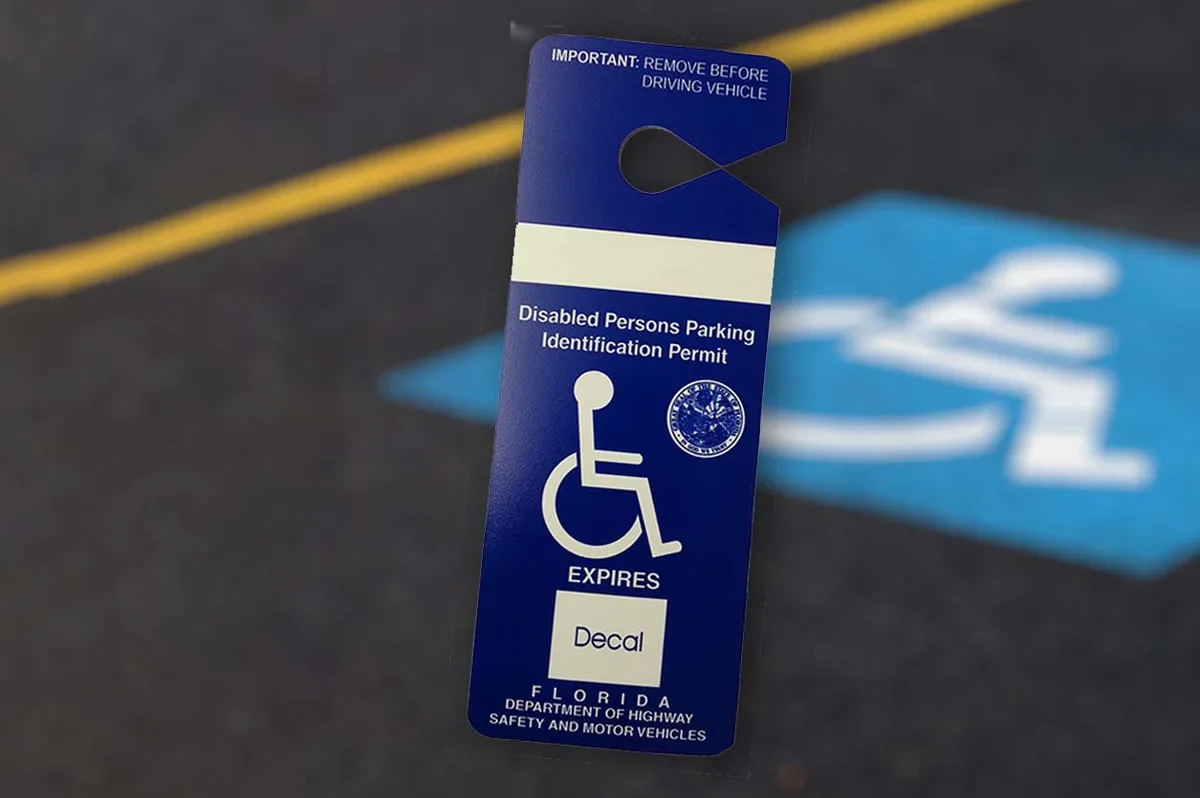
Permanent placards are for long-term disabilities. They’re blue, free, and valid for four years. You’ll get a new one mailed automatically before expiration.
Temporary placards are for short-term needs. They’re red, also free, and last up to six months. You can renew them twice, but after that, you’ll need a new medical certification.
If your condition changes, you must return the placard to the DVS. Misusing it, like letting someone else use it, can lead to fines up to $200.
Minnesota Disabled Parking Permit Types at a Glance
Web (Bing) / pbctax.gov (Web image (fair-use with source credit))
| Type | Color | Validity | Cost | Transferable |
|---|---|---|---|---|
| Permanent Placard | Blue | 4 years | Free | Yes |
| Temporary Placard | Red | 6 months | Free | Yes |
| Disabled License Plate | N/A | 4 years (renewal with registration) | Standard plate fees | No |
| Organizational Placard | Blue | 4 years | Free | Yes |
Permanent placards are the most common. They hang from your rearview mirror and can move between vehicles. Disabled license plates are an alternative if you prefer a vehicle-specific option.
Step-by-Step: How to Apply for a New Permit
Web (Bing) / metabetageek.com (Web image (fair-use with source credit))
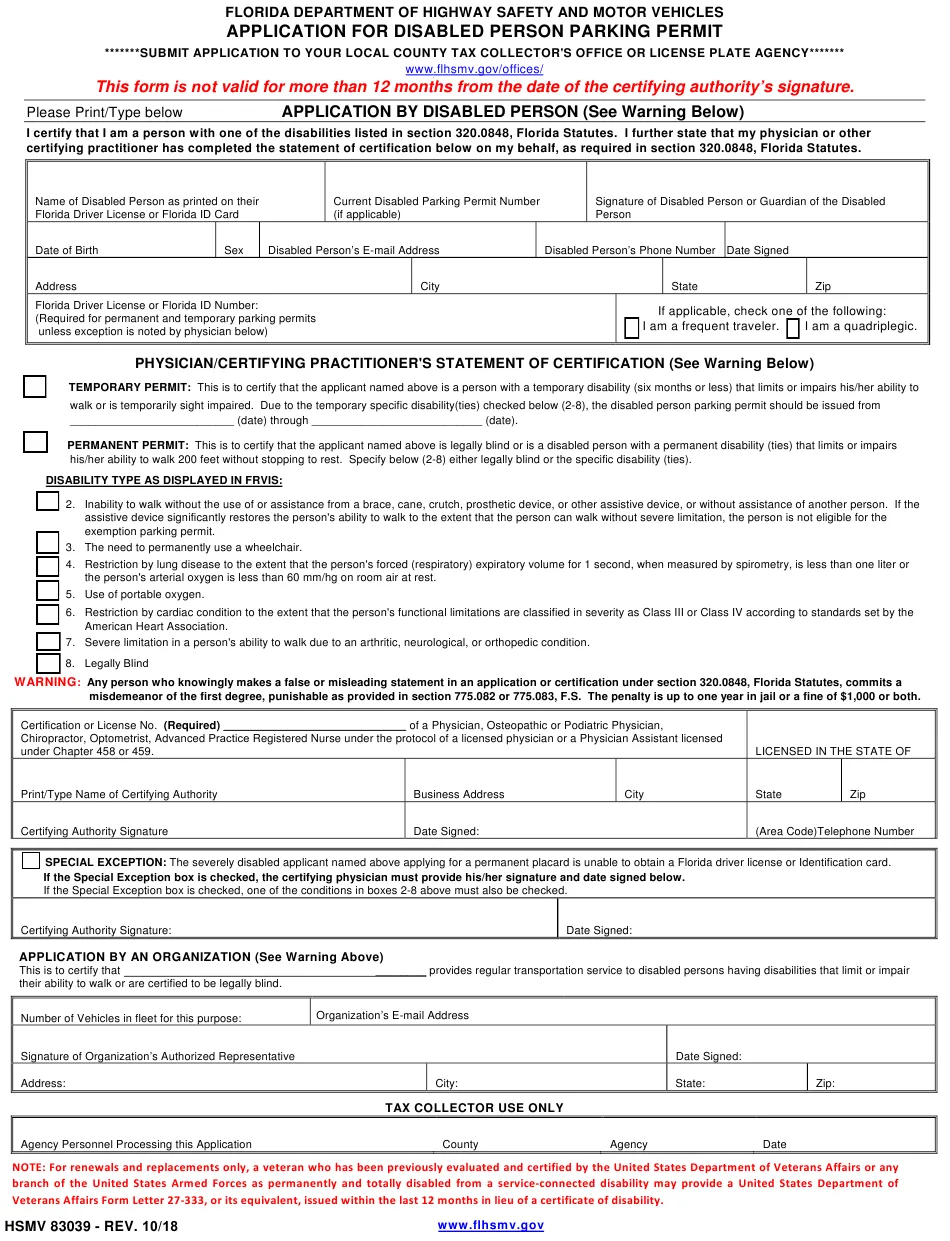
Start by getting the PS2000 form from the Minnesota DVS website. Your medical provider must complete and sign the certification section. Without this, your application will be rejected.
Next, fill out your section of the form. You’ll need your driver’s license or state ID number. Submit the form in person at a DVS office, by mail, or online if available.
Processing takes about two weeks by mail. In-person submissions are often immediate.
How to Renew Your Minnesota Disabled Parking Permit
Permanent placards auto-renew. The DVS mails a new one before your current one expires. You don’t need to reapply unless your condition changes.
Temporary placards don’t auto-renew. You’ll need a new medical certification for each renewal. You can renew a temporary placard up to two times.
If you don’t receive your renewal placard in the mail, contact the DVS. Processing times can vary, especially during peak periods.
What to Do If Your Placard Is Lost, Stolen, or Damaged
Report a lost or stolen placard to the DVS immediately. You’ll need to submit a replacement form PS2000R. There’s no fee for replacements.
Damaged placards can also be replaced. Bring the old one to a DVS office if possible. This helps prevent misuse.
Never use a damaged placard that’s unreadable. Law enforcement can issue fines if the permit isn’t clearly visible.
Medical Certification: Who Can Sign and What They Need to Know
Only licensed medical providers can certify your application. This includes doctors, physician assistants, and nurse practitioners. Chiropractors cannot sign the form.
The provider must confirm your condition limits mobility. They’ll specify if it’s temporary or permanent. Incomplete or unsigned forms will be rejected.
If your provider is unsure about the process, they can contact the DVS for clarification. The form includes clear instructions for medical professionals.
Minnesota Disabled Parking Laws You Need to Follow

Web (Bing) / disabledparking.com (Web image (fair-use with source credit))
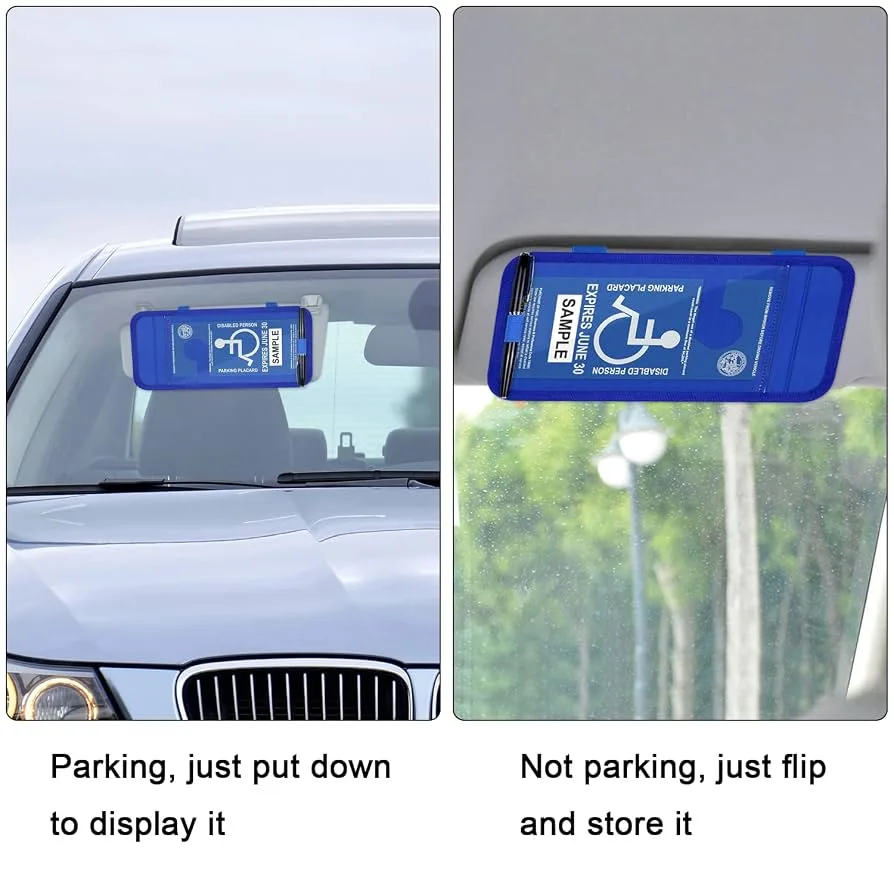
Your placard must be visible when parked in a disabled spot. Hang it from the rearview mirror or place it on the dashboard. Fines for misuse start at $200.
Never lend your placard to others. It’s tied to your name and condition. Misuse can lead to permit revocation.
Disabled spots are reserved 24/7. Even if the lot is empty, non-permit holders can’t park there. This rule applies to both public and private properties.
Common Mistakes That Get Applications Rejected
Submitting an unsigned medical certification is the top reason for rejection. Double-check that your provider has completed their section.
Using an expired form can also cause delays. Always download the latest PS2000 from the Minnesota DVS website. Old versions may not be accepted.
Forgetting to include your ID number is another common issue. The form requires your driver’s license or state ID number for verification. The DVS won’t process incomplete applications.
Applying for the wrong permit type is another mistake. Temporary and permanent placards have different requirements. Choose the one that matches your medical certification.
Costs, Processing Times, and Validity Periods
Placards are free in Minnesota. You’ll only pay standard fees if you opt for disabled license plates.
Processing takes about two weeks by mail. In-person submissions are often handled on the spot. Online options may vary.
| Permit Type | Cost | Processing Time | Validity |
|---|---|---|---|
| Permanent Placard | Free | 2 weeks (mail) | 4 years |
| Temporary Placard | Free | 2 weeks (mail) | 6 months |
| Disabled License Plate | Standard | Varies | 4 years (with registration renewal) |
Where to Apply: In Person, by Mail, or Online
In-person applications are fastest. Visit any DVS office with your completed form and ID. Staff can verify everything on the spot.
Mail your application to DVS Driver Services, 445 Minnesota St, St. Paul, MN 55101. Include all required documents.
Incomplete submissions will delay processing.
Online options are limited. Check the Minnesota DVS website for current availability. Not all permit types can be processed digitally.
Disabled Parking Placard vs. License Plate: Key Differences
Placards are removable and transferable between vehicles. They hang from your mirror or sit on your dashboard.
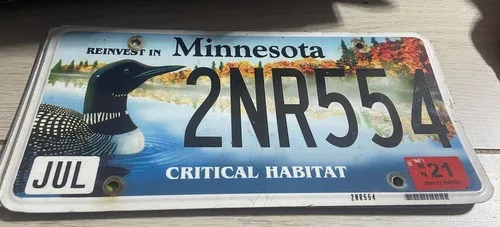
Disabled plates are permanent and vehicle-specific. They replace your standard license plates.
Placards are free. Disabled plates require standard registration fees.
Both give you the same parking privileges. Choose based on whether you need flexibility or prefer a permanent solution.
Final Checklist Before You Apply or Renew
Confirm your medical certification is complete and signed. Without it, the DVS will reject your application.
Check that you’ve filled out all sections of the PS2000 form. Missing information causes delays.
Verify your ID number is included. The DVS needs it to process your request.
For temporary placards, note the expiration date. You’ll need to reapply with new medical certification after six months.
If you’re switching from a placard to disabled plates, bring your vehicle registration. The DVS will need it to issue the new plates.
Confirm your medical certification is complete and signed. Without it, the DVS will reject your application.
Check that you’ve filled out all sections of the PS2000 form. Missing information causes delays.
Verify your ID number is included. The DVS needs it to process your request.
For temporary placards, note the expiration date. You’ll need to reapply with new medical certification after six months.
If you’re switching from a placard to disabled plates, bring your vehicle registration. The DVS will need it to issue the new plates.
Frequently Asked Questions
How long does it take to get a disabled parking permit in Minnesota?
Processing typically takes two weeks by mail. In-person applications are often immediate. Online submissions vary based on current DVS capabilities.
Can I use my Minnesota disabled placard in other states?
Yes. Minnesota’s placards are recognized nationwide. However, always check local laws when traveling.
Some states have additional requirements.
What happens if I use an expired placard?
You risk a fine up to $200. Law enforcement treats expired placards the same as no permit. Renew before the expiration date to avoid penalties.
Can a family member use my disabled parking placard?
No. The placard is issued to you for your use only. Letting others use it is misuse and can result in fines or revocation.
How do I replace a lost placard?
Submit form PS2000R to the DVS. There’s no fee for replacements. Report lost or stolen placards immediately to prevent fraud.
Do I need a new medical certification for a permanent placard renewal?
No. Permanent placards auto-renew without new medical paperwork. The DVS sends a new one before your current placard expires.