ByMax Lee
Minnesota Horse & Carriage Road Sharing Rules
Minnesota horse drawn vehicle and animal rider road sharing rules can be confusing, especially when balancing safety with legal compliance. Whether you’re driving a carriage, riding a horse, or sharing the road as a motorist, knowing the state’s specific requirements prevents accidents and fines.
As of 2026, Minnesota Statutes Chapter 169 mandates slow-moving vehicle emblems and proper lighting for animal-drawn transport, but the details vary by road type and time of day.
Quick Answer
Minnesota horse drawn vehicle and animal rider road sharing rules require slow-moving vehicle emblems for all animal-drawn transport. Vehicles must display a reflective orange triangle when traveling under 30 mph. At night, white front and red rear lighting are mandatory.
Right-of-way rules favor motor vehicles in most cases.
Why Minnesota’s Horse-Drawn and Animal Rider Road Rules Matter
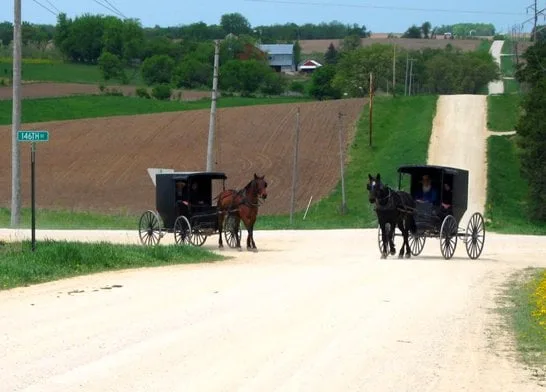
These rules exist to protect everyone on the road. Animal-drawn vehicles move slower than motor traffic, creating natural conflicts. Without clear guidelines, the risk of collisions increases, especially in rural areas where these vehicles are common.
Minnesota’s laws address visibility, right-of-way, and road access to reduce these risks. The state’s Amish communities, tourist carriage operations, and equestrian activities all rely on these rules to operate safely.
Bing (Web (fair-use with source credit))
The Core Rules for Horse-Drawn Vehicles in Minnesota
Minnesota treats horse-drawn vehicles as slow-moving vehicles under Chapter 169. This means they must follow the same visibility and right-of-way rules as tractors or other slow-moving equipment.
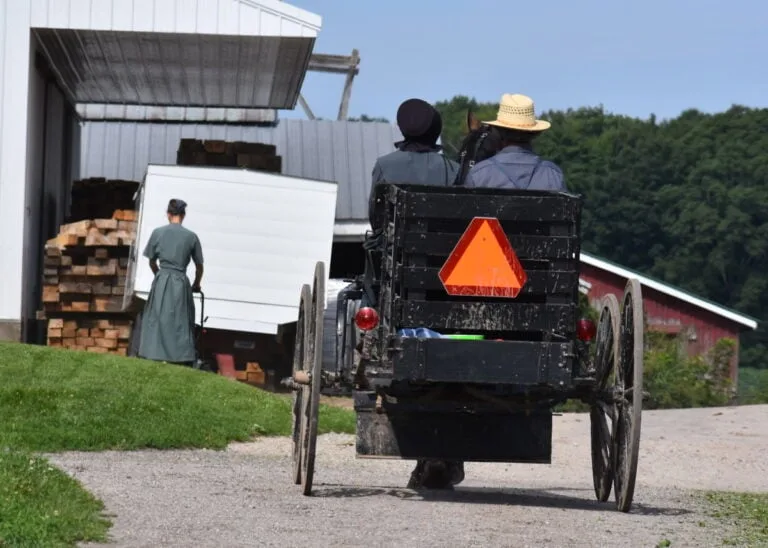
The most critical requirement is the slow-moving vehicle (SMV) emblem. This orange reflective triangle must be mounted on the rear of any vehicle traveling under 30 mph, including buggies, wagons, and carriages. Without it, you risk a fine and reduced visibility to motorists.
Bing (Web (fair-use with source credit))
Other key rules include:
- Right-of-way: Animal-drawn vehicles must yield to faster traffic in most situations, except when the motorist is turning or the animal vehicle has the legal right-of-way.
- Road restrictions: Interstates and some controlled-access highways prohibit animal-drawn vehicles entirely.
- Control: The driver or rider must maintain control of the animal at all times.
Lighting, Reflectors, and Visibility Requirements
Visibility is the biggest safety concern for animal-drawn vehicles, especially at dawn, dusk, or night. Minnesota law requires specific lighting to make these vehicles noticeable to motorists.
From sunset to sunrise, or during low-visibility conditions like fog or heavy rain, your vehicle must have:
- A white light visible from at least 500 feet to the front
- A red light visible from at least 500 feet to the rear
- Reflectors on both sides and the rear if the vehicle is wider than the lighting equipment
For horseback riders, reflective gear isn’t legally required but is strongly recommended. Reflective leg bands, vests, or ankle straps can make you visible from a distance.
Bing (Web (fair-use with source credit))
Right-of-Way: Who Yields to Whom
Minnesota’s right-of-way rules for animal-drawn vehicles are straightforward but often misunderstood. Motorists must yield to animal-drawn vehicles when:
- The animal vehicle is already in an intersection
- The animal vehicle has the right-of-way due to traffic signs or signals
However, animal-drawn vehicles must yield to motorists in most other situations. This includes:
- When entering a road from a driveway or side road
- When turning left across oncoming traffic
- When a motorist is already in the intersection
The key principle is predictability. Both motorists and animal vehicle operators should signal their intentions clearly.
Roads You Can (and Can’t) Use
Animal-drawn vehicles are allowed on most public roads in Minnesota. However, they are prohibited on interstates and some controlled-access highways. These restrictions exist because high-speed traffic makes it unsafe for slower vehicles.
County and local roads typically allow animal-drawn transport, but always check for posted signs. Some urban areas may have additional restrictions, especially during peak traffic hours.
Nighttime and Low-Visibility Safety
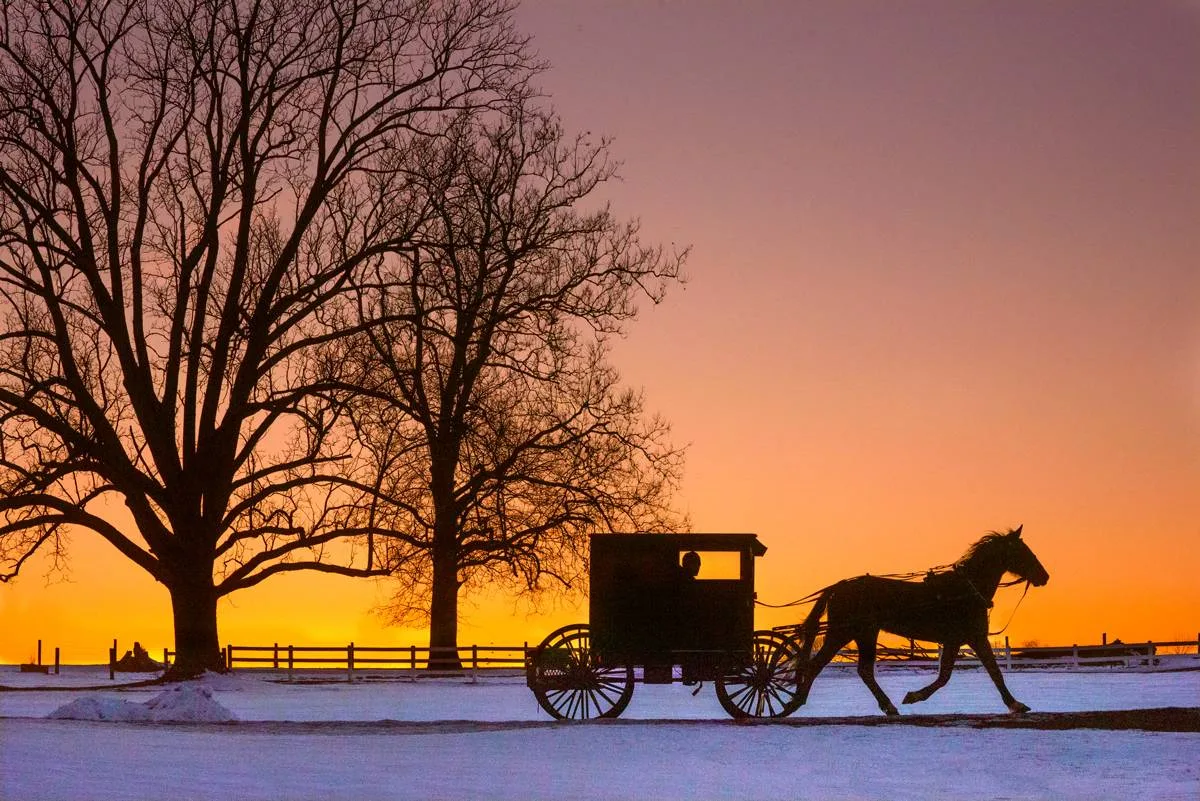
Operating an animal-drawn vehicle at night requires extra precautions. The same lighting rules apply as during low-visibility conditions. Reflective gear on both the vehicle and the animal improves visibility.
Motorists should reduce speed when approaching animal-drawn vehicles at night. The combination of dark conditions and slower movement increases the risk of rear-end collisions.
Common Mistakes That Get You Fined (or Worse)
The most frequent violation is missing the SMV emblem. Without it, motorists may not recognize your vehicle as slow-moving until it’s too late. Fines for this violation can reach up to $100.
Another common issue is improper lighting at night. Many operators forget to check their lights before dusk or assume reflectors are sufficient. Both front and rear lights are legally required.
Letting animals roam uncontrolled on the road is also a citable offense. Even a well-trained horse can spook, creating danger for everyone.
What Motorists Need to Know When Sharing the Road
Motorists must approach animal-drawn vehicles with caution. These vehicles travel at 10-25 mph, much slower than typical traffic. Patience is key, especially on rural roads where passing may not be safe.
When passing, leave at least 3 feet of space between your vehicle and the animal-drawn transport. Sudden movements or loud noises can startle animals, leading to unpredictable behavior.
If you encounter an animal-drawn vehicle turning left, wait for it to complete the maneuver. These vehicles often need extra time and space to turn safely.
Local Exceptions and County-Specific Rules
While state laws provide the baseline, some counties add their own rules. For example, certain areas with heavy Amish populations may have designated routes for animal-drawn vehicles. These routes often have wider shoulders or lower speed limits.
Always check with local authorities if you’re unsure about specific roads. The Minnesota Department of Transportation and county sheriff’s offices can provide the most current information.
Step-by-Step: How to Stay Compliant Before Hitting the Road
Check your SMV emblem first. It must be clean, unobstructed, and mounted at least 2 feet but no more than 6 feet above the road. A dirty or faded emblem won’t reflect properly.
Next, verify your lighting. Test both front and rear lights before dusk. Carry spare bulbs or batteries if your system uses them.
Finally, inspect your animal’s harness and gear. Ensure all straps are secure and reflective elements are visible.
Real-World Scenarios and How to Handle Them
What if a motorist doesn’t yield?
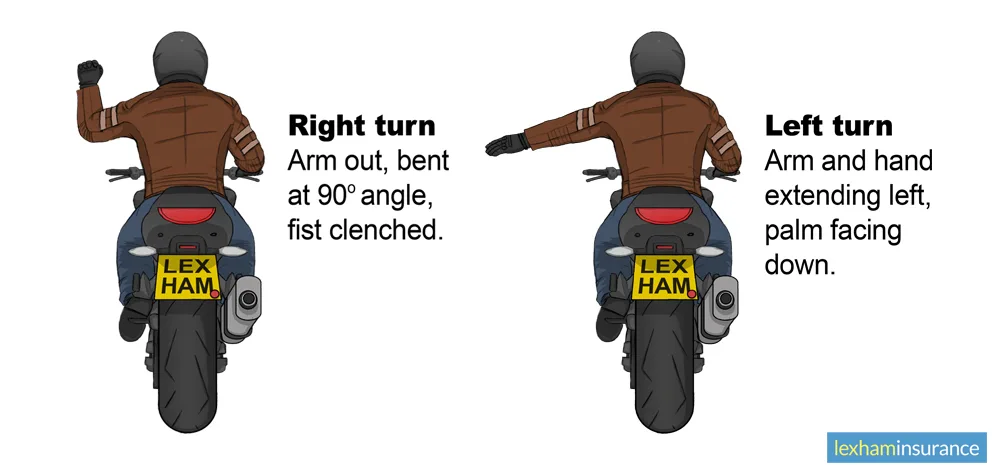
Stay calm and maintain your position. If you’re in a buggy, signal clearly with your arm. If you’re on horseback, use standard hand signals for turns and stops.
What if you’re on a road with no shoulder?
Move as far right as safely possible. If traffic is heavy, consider waiting for a wider section or taking an alternate route.
What if your animal gets spooked?
Pull over immediately if it’s safe to do so. Never try to outrun a panicked animal. Use a calm voice and gentle pressure on the reins to regain control.
Bing (Web (fair-use with source credit))
Frequently Asked Questions
Do I need a license to drive a horse-drawn carriage?
No. Minnesota does not require a driver’s license for animal-drawn vehicles. However, you must still follow all traffic laws.
Are there age restrictions for driving a buggy?
State law doesn’t specify an age, but operators must be capable of controlling the animal and vehicle safely. Local ordinances may have additional rules.
Can I ride a horse on the shoulder of a highway?
Generally no. Highways with speed limits over 55 mph typically prohibit animal traffic, including on shoulders.
What’s the fine for missing an SMV emblem?
The fine is up to $100. More importantly, you risk a collision if motorists can’t see your vehicle in time.
Do these rules apply to sleighs in winter?
Yes. The same visibility and right-of-way rules apply to sleighs as to other animal-drawn vehicles.