ByMax Lee
Minnesota License Plate Colors & Special Designs
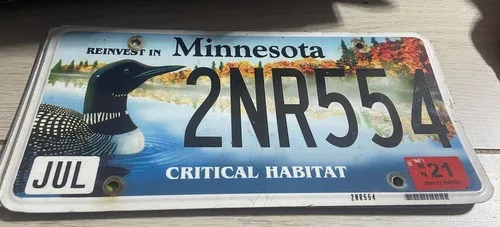
Minnesota vehicle registration plate colors and special designations can be confusing if you're not familiar with the state's system. The standard passenger plate features a white background with blue text and the iconic loon logo, but there are dozens of specialty designs for veterans, disability access, colleges, and more.
As of 2026, Minnesota offers over 40 specialty plate options, each with unique colors and eligibility rules. Here's how to identify which plate you need and what each design means.
Quick Answer
Minnesota vehicle registration plate colors and special designations vary by type. Standard plates are white with blue text and a loon. Specialty plates use unique colors and symbols.
Disability plates have a wheelchair symbol. Vanity plates allow custom text.
Bing (Web (fair-use with source credit))
What Minnesota’s License Plates Look Like Today
The current standard Minnesota passenger plate has a clean white background with dark blue lettering. It features the state's loon logo on the left and "10,000 Lakes" slogan at the bottom. The design has remained consistent since 2017, with minor updates to the reflective coating for better visibility.
Commercial plates use a similar color scheme but with different identifiers. Motorcycle plates are smaller but maintain the same blue-and-white theme.
Standard Plate Colors and Designs by Vehicle Type
| Vehicle Type | Plate Color Scheme | Key Features |
|---|---|---|
| Passenger | White background, blue text | Loon logo, "10,000 Lakes" slogan |
| Commercial | White background, blue text | "Commercial" or weight class markers |
| Motorcycle | White background, blue text | Smaller size, same loon logo |
| Trailer | White background, blue text | "Trailer" designation |
Passenger vehicles get the most recognizable design. Commercial plates often include weight class or business identifiers. Motorcycle plates are the only ones that come in a smaller 4" x 7" size to fit the vehicle.
Special Designations: Who Qualifies and What They Look Like
Veteran and Military Plates
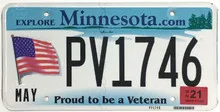
Veteran plates feature distinct designs with military branch logos or service medals. The most common is the purple and gold "Veteran" plate with the American flag motif. Eligibility requires proof of honorable discharge, such as a DD Form 214.
Other military plates include:
- Purple Heart recipient plates with the medal emblem
- POW/MIA plates with the iconic black and white logo
- Gold Star Family plates for relatives of fallen service members
Web (Bing) / stores.platedog.com (Web image (fair-use with source credit))
Disability Plates and Placards
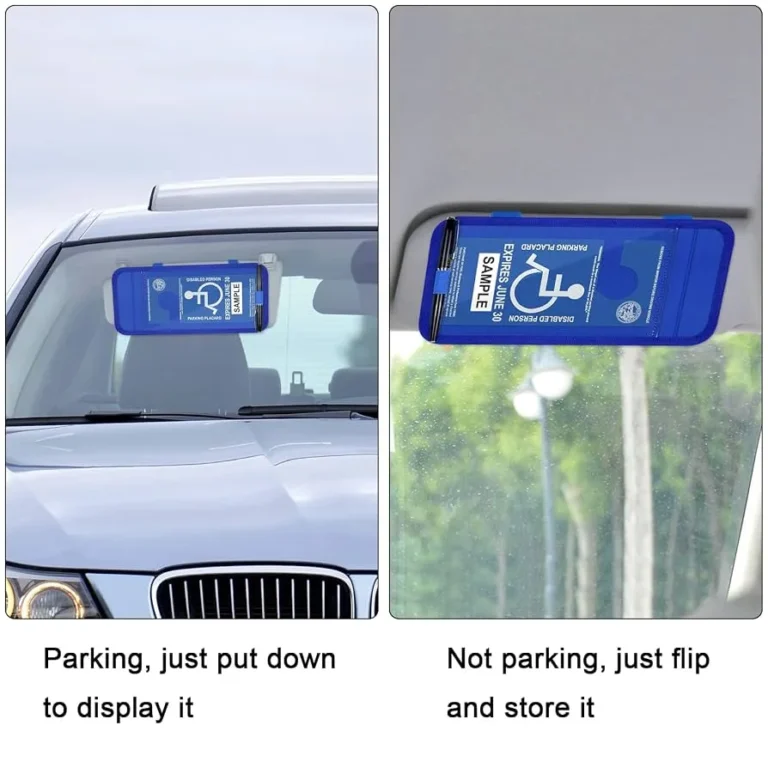
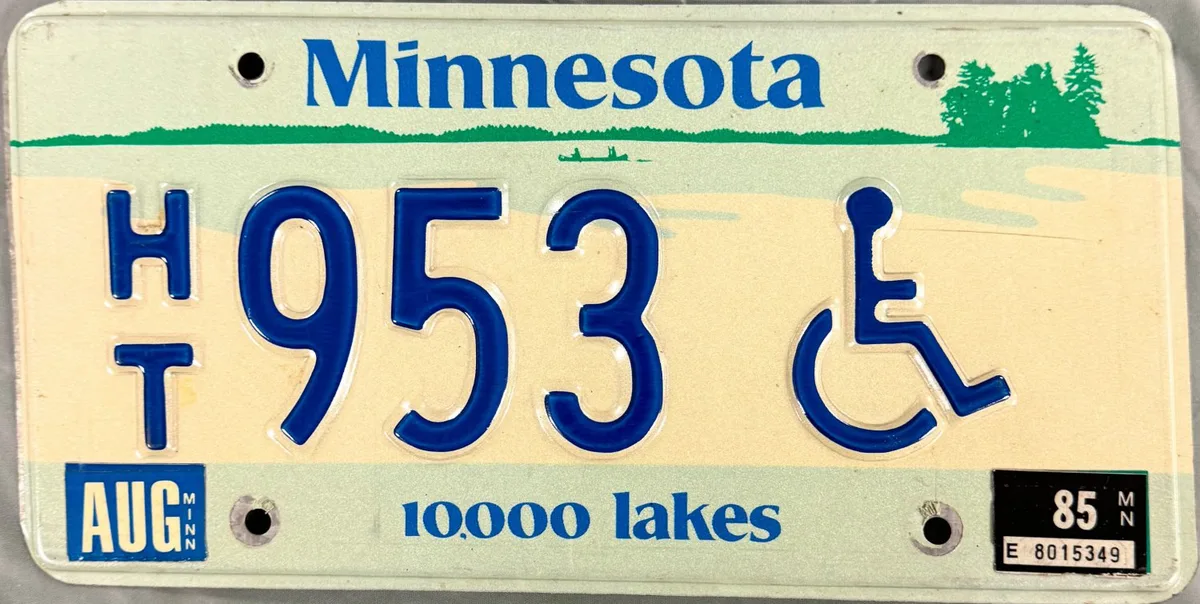
Disability plates and placards use a blue background with white wheelchair symbols. These are available to drivers with qualifying mobility impairments. The Minnesota DVS requires medical certification for first-time applications.
Placards are temporary and hang from the rearview mirror. Plates are permanent and attached to the vehicle. Both allow parking in designated disability spaces.
Web (Bing) / ecrater.com (Web image (fair-use with source credit))
College, Sports, and Charity Plates
Minnesota offers plates supporting universities, professional sports teams, and charitable causes. University plates feature school colors and logos for institutions like the University of Minnesota or Minnesota State. These require a small additional fee that often supports scholarship programs.
Sports plates include designs for the Vikings, Twins, Wild, and Timberwolves. Charity plates like "Support Our Troops" or "Critical Habitat" direct a portion of proceeds to related organizations. Each has specific eligibility and additional costs beyond standard registration fees.
How to Tell Which Plate You Need
If you drive a standard passenger vehicle, the white and blue plate is your default. For veterans, you’ll need to provide discharge papers to qualify for military-themed designs. Disability plates require medical certification from a licensed provider.
Commercial vehicles use plates marked with weight classes or business identifiers. Motorcycles get smaller versions of the standard design. Historical vehicles over 20 years old can display collector plates with year-specific markers.
Step-by-Step: Getting Your Minnesota Plates
Required Documents
You’ll need your vehicle title, proof of insurance, and a valid ID. For specialty plates, bring additional documentation like military discharge papers or medical certificates. Out-of-state residents moving to Minnesota must provide their previous registration.
Fees for Standard vs. Specialty Plates
Standard plates cost around $10 to $20 for initial registration. Specialty plates add $10 to $30 depending on the design. Vanity plates start at $10 and can go over $100 for premium customization.
Online, In-Person, or Mail Options
Most standard plates can be ordered online through the Minnesota DVS portal. Specialty and vanity plates often require in-person visits to verify eligibility. Mail-in applications are available but may take longer to process.
Vanity Plates: Rules, Costs, and How to Order
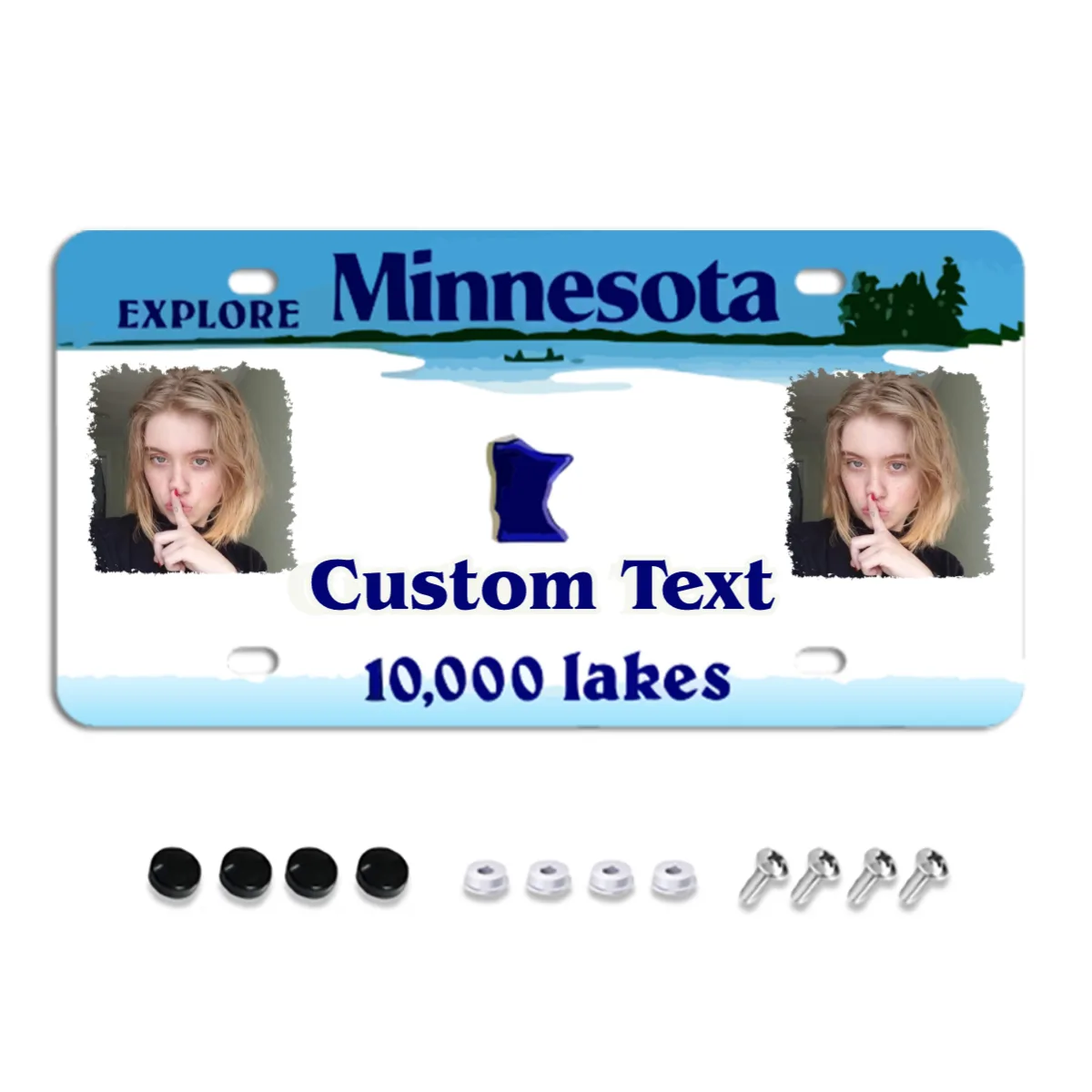
Minnesota allows up to 7 characters on vanity plates, including letters, numbers, and spaces. Certain combinations are restricted, including those that could be offensive or misleading. The DVS reviews all requests before approval.
Fees start at $10 for a basic vanity plate and increase with more characters or special designs. You can check availability and order through the DVS website or at a local office. Processing typically takes 7 to 14 days.
Web (Bing) / yecustom.com (Web image (fair-use with source credit))
Common Mistakes (and How to Avoid Them)
Expired Stickers or Permits
Your plate is invalid without a current validation sticker. Minnesota uses color-coded stickers that change annually. If yours is expired, you risk a fine.
Renew online or in person before the deadline.
Improper Plate Display
Plates must be mounted on both the front and rear of most vehicles. They need to be fully visible, unobstructed, and not covered by frames or tint. Improper display can result in a traffic stop.
Special Plate Eligibility Errors
Don’t assume you qualify for a specialty plate. Veteran plates require proof of service. Disability plates need medical certification.
Submitting incorrect documents delays your application.
Minnesota Plate Laws You Need to Know
Front and Rear Plate Requirements
Most vehicles in Minnesota must display plates on both the front and rear. Motorcycles and some commercial vehicles are exceptions. Failing to display both plates can lead to a citation.
Validation Sticker Placement
Stickers go in the upper right corner of the rear plate. They must be placed correctly and not altered. Tampering with stickers is illegal and can result in penalties.
Penalties for Non-Compliance
Driving with expired, missing, or improperly displayed plates can lead to fines. Repeat offenses may result in higher penalties or vehicle impoundment. Always keep your registration current.
Frequently Asked Questions
How do I replace a lost Minnesota license plate?
Report the loss to the DVS and request a replacement. You’ll need your vehicle information and may pay a small fee. The process takes about 7 to 10 days by mail.
Can I transfer my plates to a new vehicle?
Yes, you can transfer plates between vehicles you own. Visit a DVS office with both vehicles’ titles and registration. Fees may apply for the transfer.
What’s the cost of a Minnesota veteran plate?
Veteran plates typically cost $10 to $30 more than standard plates. The exact fee depends on the specific design. Proof of service is required.
Do I need both front and rear plates in Minnesota?
Yes, most vehicles must display plates on both the front and rear. Motorcycles and some commercial vehicles are exceptions to this rule.
How long does it take to get a vanity plate?
Processing usually takes 7 to 14 days. You can check availability and order online or at a DVS office. Approval depends on the requested combination.