ByMax Lee
Mississippi Antique Car Registration Guide for 25+ Year
Mississippi antique vehicle registration for cars 25 years and older is simpler than most owners expect. The state offers a straightforward process for vehicles that meet the age requirement, with reduced fees and special plates for qualifying cars. As of 2026, the key is proving your vehicle is at least 25 years old and intended for limited use like shows or parades.
The main hurdle isn't the paperwork. It is knowing which forms to file and where to submit them. Mississippi's Department of Revenue handles these registrations, and the rules are clear once you break them down.
Quick Answer
Mississippi antique vehicle registration for cars 25 years and older applies to vehicles from 1999 or earlier. You need a valid title or proof of ownership. Submit forms to your county tax collector office.
Fees are lower than standard registration. Usage is restricted to exhibitions and parades.
Understanding Mississippi's Antique Vehicle Classification
Mississippi defines an antique vehicle as any car, truck, or motorcycle that's at least 25 years old. The cutoff is based on the model year, not the manufacturing date. For 2026, vehicles from 1999 or earlier qualify.
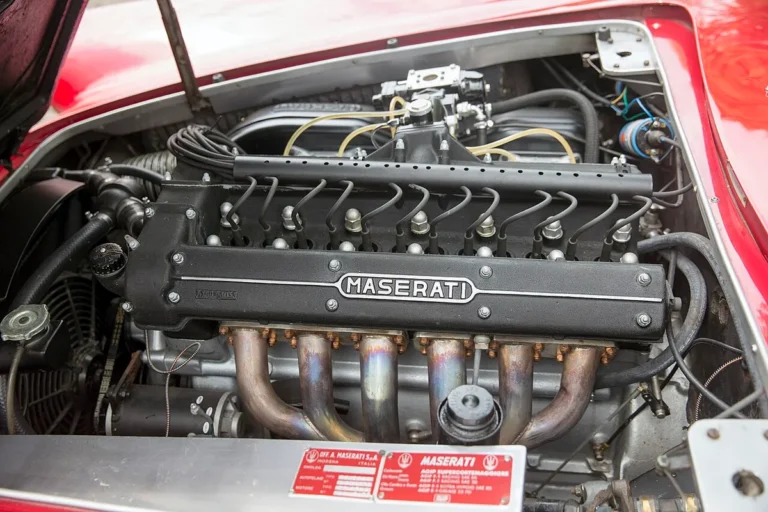
The state distinguishes between antique and classic vehicles, though people use the terms interchangeably. Antique registration is specifically for older vehicles used primarily for shows, parades, or club events. Daily driving isn't allowed under this classification.
YouTube / Jerry Skinner (YouTube thumbnail (fair-use with source credit))
This classification isn't just about age. The vehicle must also be in original or restored condition. Major modifications can disqualify it because the state wants to preserve historical accuracy.
The Mississippi Department of Revenue's Motor Vehicle Division oversees these rules across the state.
Are You Eligible? Decision Tree for Antique Registration
Do you have a valid Mississippi title for the vehicle?
If yes, you're on the right track. If no, you'll need to provide an Affidavit of Ownership (Form 78-006) and possibly a surety bond. The bond cost depends on the vehicle's value, typically $50 to $100.
Is your vehicle 25 years old or older?
Check the model year on your title or manufacturer's certificate. For 2026, that means 1999 or earlier. Vehicles newer than that don't qualify for antique status.
Is the vehicle in original or restored condition?
Major modifications can disqualify it. The state checks for changes that alter historical accuracy. Keeping it close to original is the safest path.
Will you use the vehicle primarily for shows, parades, or club events?
Antique registration isn't for daily commuters. If you plan to drive to work every day, this classification won't work for you. Regular use voids the benefits.
Is your vehicle currently registered out of state?
You'll need to transfer the title to Mississippi first. Some counties require a VIN inspection for out-of-state vehicles. This step verifies the vehicle matches the paperwork.
Step-by-Step: How to Register an Antique Vehicle in Mississippi
Start by gathering your documents. You'll need the vehicle title, proof of insurance, and your Mississippi driver's license. If you don't have the title, you'll need to file an Affidavit of Ownership instead.
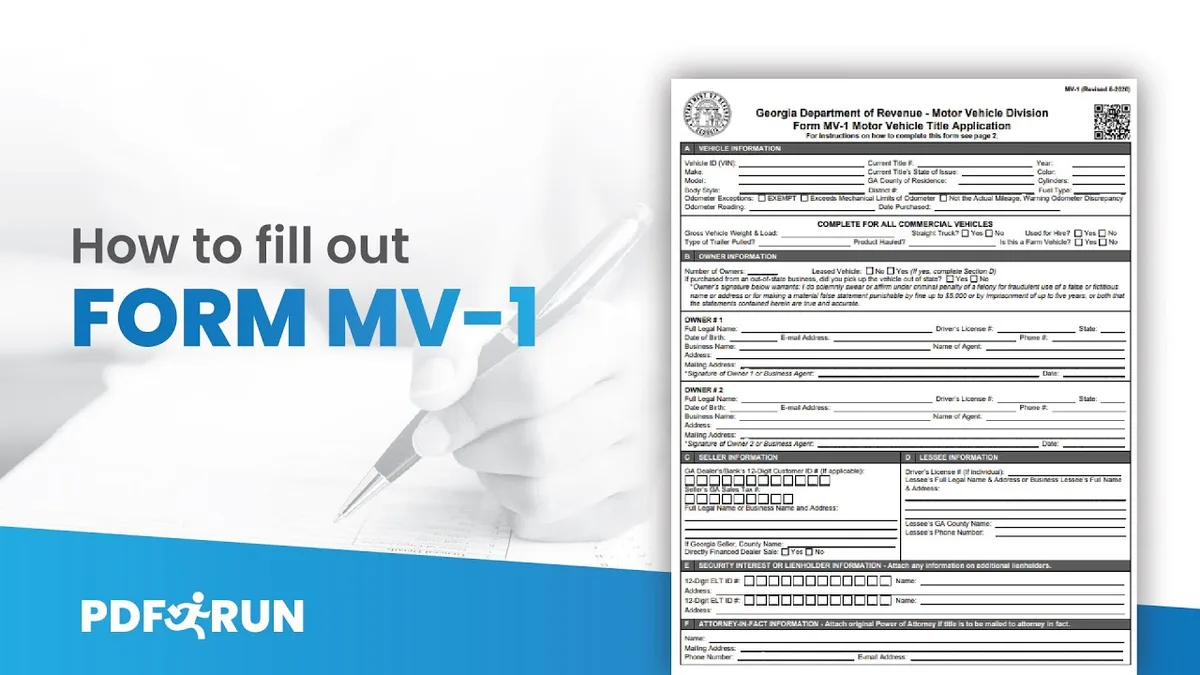
Next, complete the Application for Certificate of Title (Form 78-004). This form is available at your local county tax collector's office or online through the Mississippi Department of Revenue website. Fill it out completely and accurately to avoid processing delays.
YouTube / PDFRUN (YouTube thumbnail (fair-use with source credit))
If your vehicle is from out of state, you may need a VIN inspection. Some counties require this step to verify the vehicle identity. Check with your local tax collector to confirm whether your situation requires it.
The inspection cost runs about $10 to $20 if needed.
Submit your completed forms and documents in person at your county tax collector's office. You'll pay the registration fee and any additional costs for specialty plates at that time. Processing typically takes two to four weeks, though some counties offer expedited services for an extra charge.
Keeping accurate records during this process helps. Save copies of everything you submit. If you ever sell the vehicle, having complete paperwork makes the transfer smoother for the next owner.
Costs Breakdown: Registration Fees, Plates, and Hidden Charges
Antique vehicle registration in Mississippi is affordable compared to standard registration. The base registration fee is usually between $12 and $25, depending on your county. Specialty antique plates add another $10 to $30, often charged as a one-time fee rather than annually.
| Fee Type | Estimated Cost | Notes |
|---|---|---|
| Base Registration | $12 to $25 | Varies by county |
| Antique Plate Fee | $10 to $30 | One-time or annual |
| VIN Inspection | $0 to $20 | Required for out-of-state vehicles |
| Notary Fee | $5 to $10 | For Affidavit of Ownership |
| Title Transfer Fee | $9 | Standard in Mississippi |
| Surety Bond | $50 to $100 | Only if title is missing |
YouTube / Plate Archive (YouTube thumbnail (fair-use with source credit))
Hidden costs can add up if you're not prepared. If your vehicle lacks a title, you may need a surety bond, which ranges from $50 to $100 depending on the car's value. Some counties also charge a small processing fee on top of the base registration.
Always confirm the total amount with your local tax collector before submitting your paperwork.
Some owners also spend money on photos for their application. While not required everywhere, a few counties ask for pictures showing the vehicle's condition. Plan to take clear shots of the exterior, interior, and VIN area if your county requests them.
Common Mistakes to Avoid When Registering Antique Cars
Missing the VIN verification step is the top reason applications get rejected. Some counties require it for all out-of-state vehicles, while others only ask when the title is missing. Always call ahead to your specific county office to confirm their requirements.
Submitting incomplete paperwork is another common pitfall. Double-check that Form 78-004 is fully filled out and signed. If you're using an Affidavit of Ownership, make sure it's notarized before you bring it in.
An unsigned form gets sent back, delaying your registration.

Wikimedia Commons / JasonCarswell (CC BY-SA)
Assuming all counties have identical rules can waste your time. While state laws stay consistent, local offices may have additional requirements. Some ask for extra documentation or charge different fees.
A quick phone call before visiting saves frustration.
Overlooking insurance minimums is a risky move. Even antique vehicles need liability coverage to register. The state requires at least 25 over 50 over 25 in coverage limits.
Some insurers offer specialized classic car policies with agreed-value coverage, which better protects your investment.
Forgetting usage restrictions can void your registration entirely. Antique plates are for exhibitions and parades only. Daily driving or commercial use violates the agreement and can lead to fines or revocation.
If you need a vehicle for everyday commuting, standard registration is the better option.
Expert Tips from Mississippi Classic Car Owners
Working with the right county tax collector matters. Offices in larger cities like Jackson or Gulfport tend to process antique registrations more frequently. Smaller counties may take longer if staff members are less familiar with antique vehicle forms.
Calling ahead or checking their hours can save an unnecessary trip.
Faster processing often comes down to preparation. Bring all documents in one visit to avoid multiple trips. Having your title, proof of insurance, completed forms, and exact payment ready speeds things along.
Some offices let you schedule appointments to skip the line, so ask about that option.
Insurance companies specializing in classic cars often offer better rates. Providers like Hagerty or Grundy understand antique vehicle needs and typically require the car to be stored in a garage and driven less than 2,500 miles annually. These policies often include agreed-value coverage, which protects your investment if the car is totaled.
Preserving your antique status long-term means keeping organized records. Save all paperwork from the registration process, including receipts and correspondence. If you ever sell the vehicle, having a complete history makes the transfer much smoother for the new owner and helps maintain its value.
Regular maintenance also protects your registration. Keeping the vehicle in good running condition prevents issues that could lead to disqualification. If major repairs change the vehicle's character, contact your county tax collector first to avoid problems during renewal.
Real Scenarios: How Different Situations Play Out
Scenario 1: Inheriting an Untitled 1970s Camaro in MS
You've inherited a 1972 Camaro with no title available. First, file an Affidavit of Ownership (Form 78-006) and have it notarized. You'll also need a surety bond based on the vehicle's value, which typically costs around $100.
Once the bond is approved, you can apply for the antique registration through your county tax collector.
Scenario 2: Moving a California Antique Car to Mississippi
Your 1995 Mustang has California antique plates and you want Mississippi plates. To register it in Mississippi, you must transfer the title to your name first. Some counties require a VIN inspection for out-of-state vehicles.
Once the title is in your name, you can apply for Mississippi antique plates at your local office.
Scenario 3: Restoring a Project Car and When to Apply for Plates
You're restoring a 1980 Trans Am and want to put antique plates on it. Wait until the restoration is nearly complete before applying. The vehicle must be in drivable, original or restored condition to qualify for antique registration.
Submit photos with your application if the county requests proof of the vehicle's current state. Applying too early can result in rejection.
Frequently Asked Questions
Does Mississippi Require Annual Inspections for Antique Cars?
No, Mississippi does not require annual inspections for antique vehicles. Some counties may ask for a one-time VIN inspection, especially when handling out-of-state titles. Always check with your local tax collector to confirm their specific requirements before you apply.
Can I Drive My Antique Car to Work in Mississippi?
No, antique plates are strictly for limited use. Driving to work daily violates the terms of antique registration in Mississippi. These plates are intended for exhibitions, parades, club activities, and similar events only.
Regular commuting use can result in fines or registration revocation.
What If I Don't Have the Original Title?
You'll need to file an Affidavit of Ownership (Form 78-006) and likely obtain a surety bond. The bond typically costs between $50 and $100, depending on the vehicle's appraised value. Once the affidavit is approved and the bond is filed, you can proceed with the antique registration process.
How Long Does It Take to Get Antique Plates in MS?
Processing times vary by county but usually take two to four weeks. Some offices offer expedited services for an additional fee if you need them faster. Submitting a complete application with all required documents helps avoid delays and keeps things moving along smoothly.
Do Antique Cars Need Special License Plates or Just Tags?
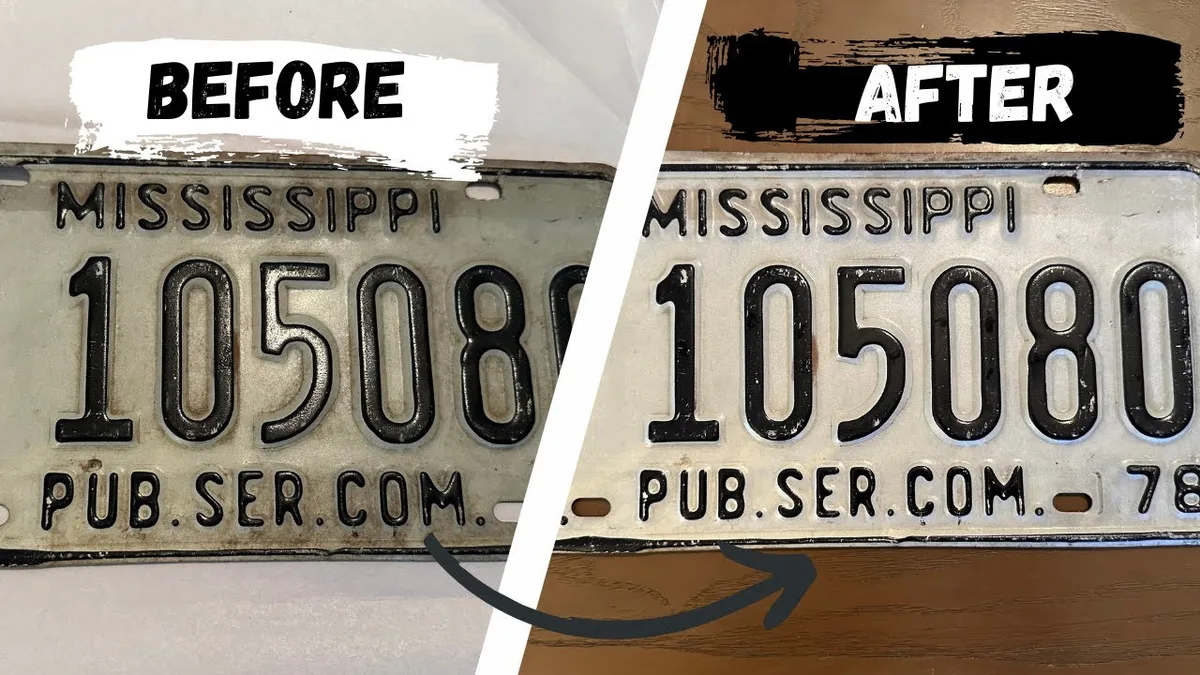
Antique vehicles in Mississippi receive specialty license plates, not just tags. These plates feature distinct designs and are separate from standard registration plates. The fee for these plates runs approximately $10 to $30 depending on which county you register in.
Can I Renew My Antique Registration Online?
Most Mississippi counties require in-person renewal for antique vehicles. Check with your local tax collector's office to confirm their specific process. Some may accept mail-in renewals, but online options are limited for antique and specialty plate classifications.
Final Decision Guide: Should You Pursue Antique Registration?
Pursue antique registration if your vehicle is 25-plus years old and you plan to use it for shows or parades. The process stays straightforward, and the reduced fees make it worthwhile for collectors who want to preserve their vehicles. This option works best when you treat the car as a hobby, not a daily necessity.
Avoid antique registration if you need a reliable daily driver. The usage restrictions are strict, and violating them carries real penalties. Standard registration serves you better in that case, even though the fees are higher.

YouTube / Nature's Embrace ASMR (YouTube thumbnail (fair-use with source credit))
Alternative options include classic car tags, which may carry different age requirements in some cases. Compare the benefits and restrictions of each classification before deciding which fits your situation best. If you remain unsure, consult your county tax collector for guidance tailored to your specific circumstances.
When you do decide to pursue antique registration, remember to wash and care for your vehicle regularly. Using quality products like a best hose filter for car washing helps protect the finish on classic paint jobs. Proper maintenance keeps your investment looking its best and ensures you stay proud of your antique vehicle for years to come.

YouTube / Classic Decoder (YouTube thumbnail (fair-use with source credit))