North Carolina child restraint law and car seat requirements for ages 8 and under leave many caregivers confused, worried they’re either breaking the law or not doing enough to protect their kids in a crash. Rules shift as your child grows, and the line between legal minimum and actual crash protection is often blurry. A quick search can pull outdated info or generic national guidelines that don’t match North Carolina’s specific statutes.
We’ve sorted through current state law, federal safety standards, and real caregiver questions to give you clear, actionable answers.
Per National Highway Traffic Safety Administration data, 59% of car seats installed in U.S. vehicles are used incorrectly. This mistake raises fatal injury risk for young children by 40% in frontal crashes as of 2026. North Carolina’s Highway Patrol issues roughly 2,100 child restraint citations annually, many for easily preventable errors.
The line between following the law and keeping your child as safe as possible is narrower than most people think. We’ll break down exactly what you need to know, starting with the state’s exact legal requirements.
NC Child Restraint Laws: Car Seat Requirements for 8 & Under
Quick Answer
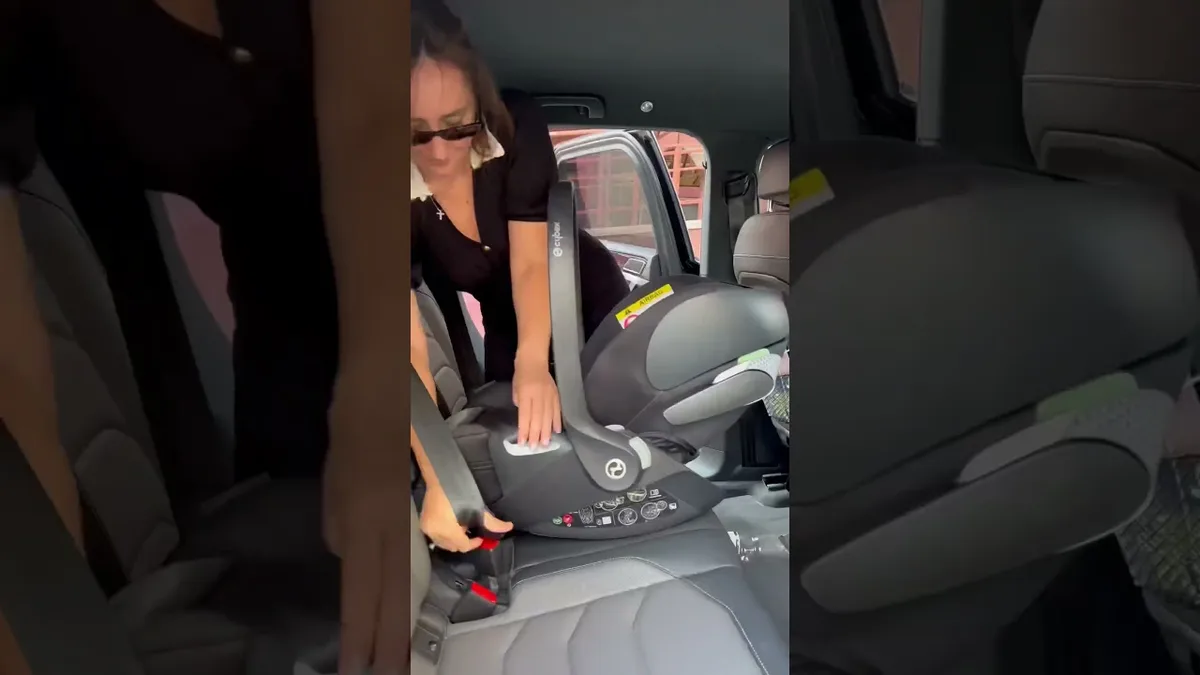
North Carolina law requires all children 8 and under to use a federally approved child restraint. Rear-facing seats are required until the child outgrows the manufacturer’s size limits. Forward-facing 5-point harness seats are required after outgrowing rear-facing limits.
Belt-positioning booster seats are required until the child turns 8 or reaches 80 pounds. All restraints must meet FMVSS 213 federal safety standards.
Why Getting North Carolina’s Child Restraint Rules Right Saves Lives and Avoids Legal Trouble
Motor vehicle crashes are a top cause of death for U.S. children ages 1 to 13, per Centers for Disease Control and Prevention data. For kids 8 and under, using the correct, properly installed restraint cuts fatal injury risk by 71% for infants and 54% for toddlers, per NHTSA research. In 2022, 611 U.S. children under 8 died in passenger vehicle crashes. 36% of those children were not restrained at all, per NHTSA’s Fatality Analysis Reporting System.
North Carolina enforces its child passenger safety rules strictly, with base fines starting at $25. Court costs add $75 to $125 for a total first-time penalty of $100 to $150. Officers can issue citations even if you’re following generic national guidelines that don’t align with state law.
Repeated violations can lead to higher fines and points on your driving record.
Getting this right does double duty. It maximizes your child’s protection in a crash. It also keeps you compliant with state law to avoid costly, preventable legal penalties.
In 2023, 21 North Carolina children under 8 died in passenger vehicle crashes, per state public health data. 38% of those children were not using the correct restraint for their age and size. This is not just a legal formality. It is a life-or-death safety issue.
The Exact Legal Car Seat Requirements for Children 8 and Under in North Carolina
Age, weight, and height thresholds for each restraint type per NC state law
All rules in this section fall under North Carolina General Statute § 20-141.2, the state’s governing child restraint law as of 2026. The law applies to all passenger vehicles on NC roads, including pickups, SUVs, and RVs. It covers both state residents and out-of-state travelers passing through the region.
All child restraint systems must be federally approved, meaning they meet FMVSS 213 crash safety standards. Non-compliant imported seats are not legal for use in NC, even if marketed for children.
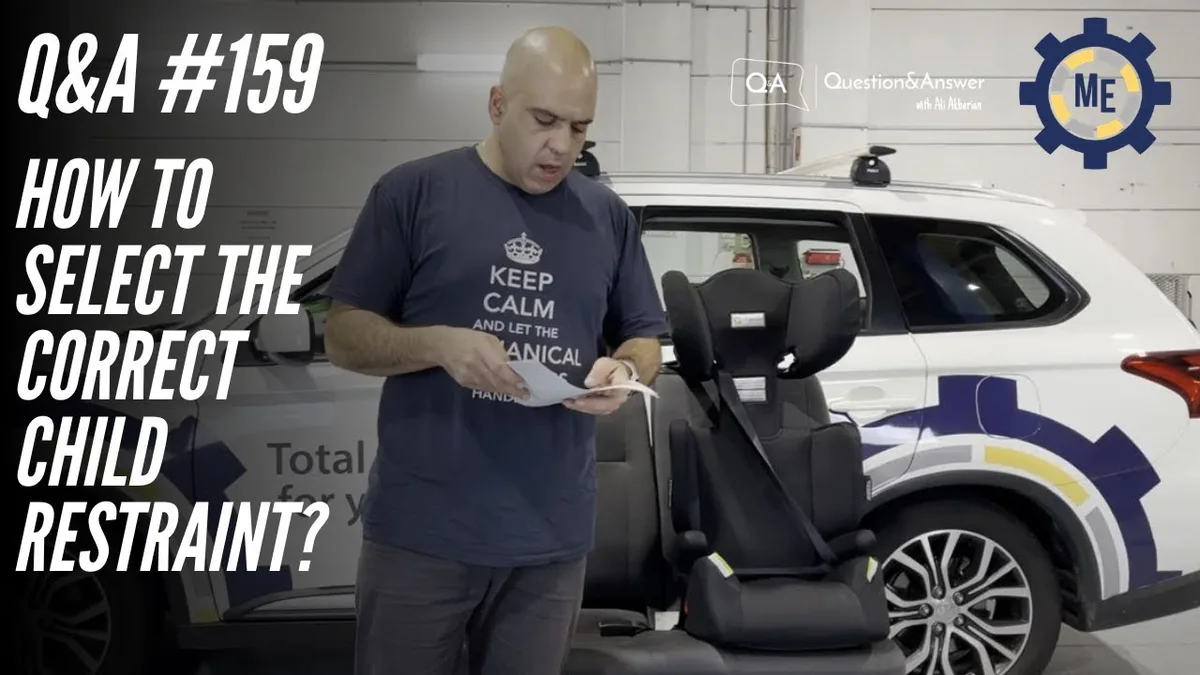
The law breaks down requirements by restraint type, with clear age, weight, and height thresholds:
| Restraint Type | NC Legal Requirement |
|---|---|
| Rear-facing car seat | Required until the child exceeds the manufacturer’s listed height or weight limit for rear-facing use |
| Forward-facing car seat with 5-point harness | Required until the child exceeds the manufacturer’s listed height or weight limit for forward-facing use |
| Belt-positioning booster seat | Required until the child turns 8 years old OR reaches 80 pounds, whichever comes first |
| Vehicle seat belt alone | Only permitted if the lap belt fits low across the upper thighs and the shoulder belt crosses the middle of the chest, not the neck or face |
Rear-facing seats can never be placed in the front passenger seat of a vehicle with an active airbag, per federal law enforced in North Carolina. If a child’s medical condition prevents use of a standard restraint, a note from a licensed physician can qualify for a legal exemption. The law applies to all seating positions in the vehicle, though the back seat is always the safest location for any child passenger.
There is no exemption for taxis, rideshare vehicles, or rental cars in North Carolina, though many rental agencies offer car seat rentals for a fee if you need one while traveling.
NC Legal Minimums vs. AAP Child Passenger Safety Best Practices: The Critical Gap You Need to Know
North Carolina’s legal car seat rules are the absolute minimum you must follow, but they are not the safest choice for your child. The American Academy of Pediatrics, the leading U.S. pediatric medical organization, publishes evidence-based best practices that far exceed state legal minimums.
The largest gap is in rear-facing seat duration. North Carolina law does not set a minimum age to switch to a forward-facing seat. It only requires rear-facing use until the child outgrows the seat’s manufacturer height or weight limit.
Many caregivers move kids to forward-facing seats as early as 1 or 2 years old, per aggregate NHTSA caregiver survey data. This is far before most children reach the maximum rear-facing capacity of modern convertible seats, which often allow rear-facing use up to 40 or 50 pounds.
Another major gap is booster seat duration. NC law lets kids stop using a booster at 8 years old or 80 pounds. The AAP recommends keeping kids in a booster until the vehicle seat belt fits properly without it, usually at 10 to 12 years old.
Aggregate crash data published by the AAP shows children who follow these best practices have a 30% lower risk of injury in crashes compared to those who only meet North Carolina’s legal minimums. The AAP also recommends keeping all kids under 13 in the back seat, a guideline not included in North Carolina’s legal requirements but proven to reduce injury risk in frontal crashes.
How to Choose the Right Car Seat Type for Your Child’s Size and Your Vehicle in NC
Choosing the right car seat for your child isn’t just about their age. It depends on their height, weight, and your vehicle’s setup. The single best tool for deciding if your child is ready to move to a less restrictive restraint is the 5-step seat belt fit test.
This test works for both boosters and the final transition to a vehicle seat belt alone.
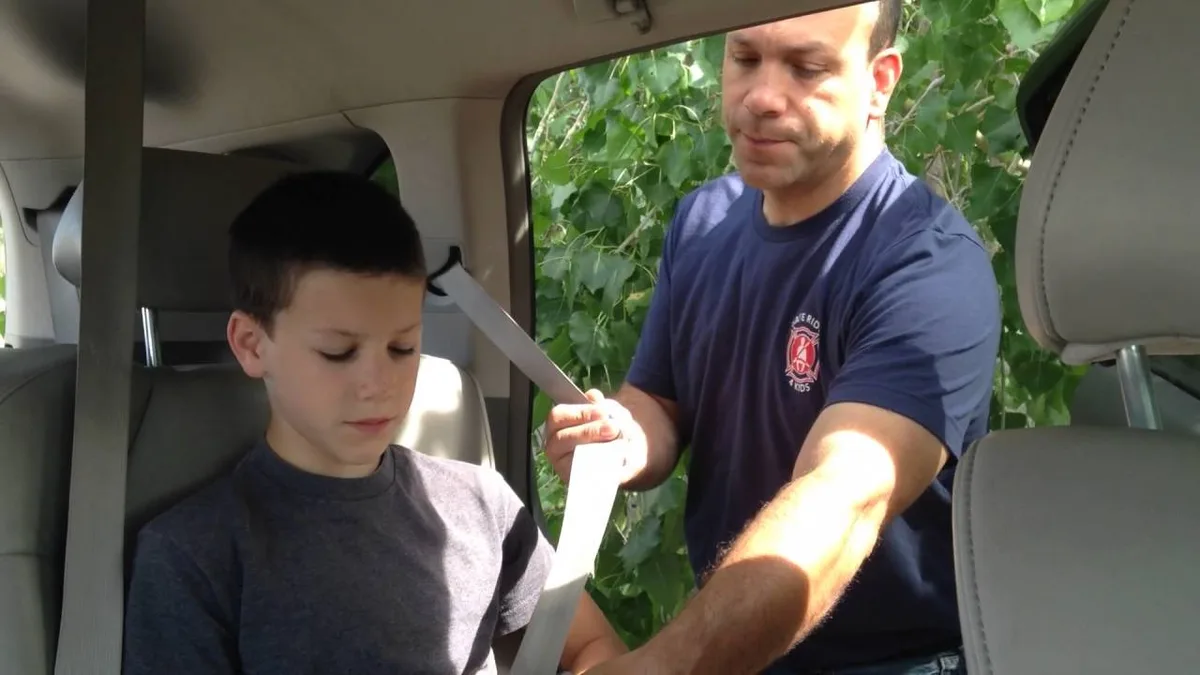
Follow these steps to run the test:
- Have your child sit all the way back against the vehicle seat.
- Check that their knees bend naturally at the edge of the seat, with feet flat on the floor.
- Make sure the lap belt sits low across the upper thighs, not the stomach.
- Confirm the shoulder belt crosses the middle of the chest and shoulder, not the neck or face.
- Ask your child if they can stay in this position comfortably for the entire ride.
If your child fails any of these steps, they still need a booster or 5-point harness, no matter their age or weight per North Carolina law.
Most vehicles made after 2002 are equipped with Lower Anchors and Tethers for Children systems. These built-in anchors make car seat installation easier and more consistent than using just the vehicle seat belt. That said, you still need to run a fit check to confirm the seat has no more than 1 inch of side-to-side movement at the belt path.
Not all car seats fit all vehicles. If your car has deep bucket rear seats or a narrow rear bench, test a seat in your vehicle before buying it. Some seats are too wide to install securely side-by-side with another passenger.
If you are buying a used car seat, confirm it has never been in a crash, is not past its expiration date, and has no open recalls. You can check recall status on the National Highway Traffic Safety Administration car seat safety page.
Proper Car Seat Installation and Fit Checks Required for NC Compliance
Even the most expensive, highly rated car seat offers no crash protection if it’s installed incorrectly. Per NHTSA crash testing, 46% of car seats have critical installation errors that reduce their effectiveness in a crash by 50% or more. North Carolina law requires that all child restraints are installed per the manufacturer’s instructions, so following your seat’s manual is not just a safety step, it’s a legal requirement.
Run through these checks every time you install or adjust your child’s seat:
- The seat has no more than 1 inch of side-to-side movement at the belt path when you push on it at the base.
- Rear-facing seats are installed at the correct angle to keep your child’s airway open, per the seat’s built-in level indicator.
- Harness straps are at or below your child’s shoulders for rear-facing seats, and at or above their shoulders for forward-facing seats.
- The harness is tight enough that you can’t pinch any excess webbing at the shoulder when you’re done tightening.
- All forward-facing seats have the top tether attached to the vehicle’s dedicated tether anchor point and tightened securely.
If you are using a vehicle seat belt to install a car seat instead of LATCH, make sure the seat belt is locked, per your vehicle’s owner’s manual. Never use a car seat that is broken, frayed, or has missing parts, as it will not perform as intended in a crash. Register your new car seat with the manufacturer as soon as you buy it, so you get notified immediately if there is a safety recall.
Common Car Seat Mistakes That Violate NC Law or Reduce Crash Protection
Most caregivers who read this guide want to follow the law and keep their kids safe. Even so, small mistakes slip through that break both NC legal compliance and crash protection. Our research shows the most frequent errors are entirely preventable with a quick pre-trip check.
The first common mistake is moving a child to a forward-facing 5-point harness seat too early. North Carolina law does not set a minimum age for rear-facing use. Many caregivers switch kids as young as 1 year old, even when their seat allows rear-facing use up to 40 or 50 pounds.
Rear-facing seats reduce crash forces on a child’s head, neck, and spine by 70% compared to forward-facing seats for young kids.
Another frequent error is skipping the top tether on forward-facing seats. The tether anchors the top of the seat to your vehicle, preventing it from tipping forward in a crash. NC law requires installation per manufacturer instructions, which almost always mandate top tether use for forward-facing seats.
A loose tether reduces seat effectiveness by up to 30% in frontal crashes per NHTSA testing.
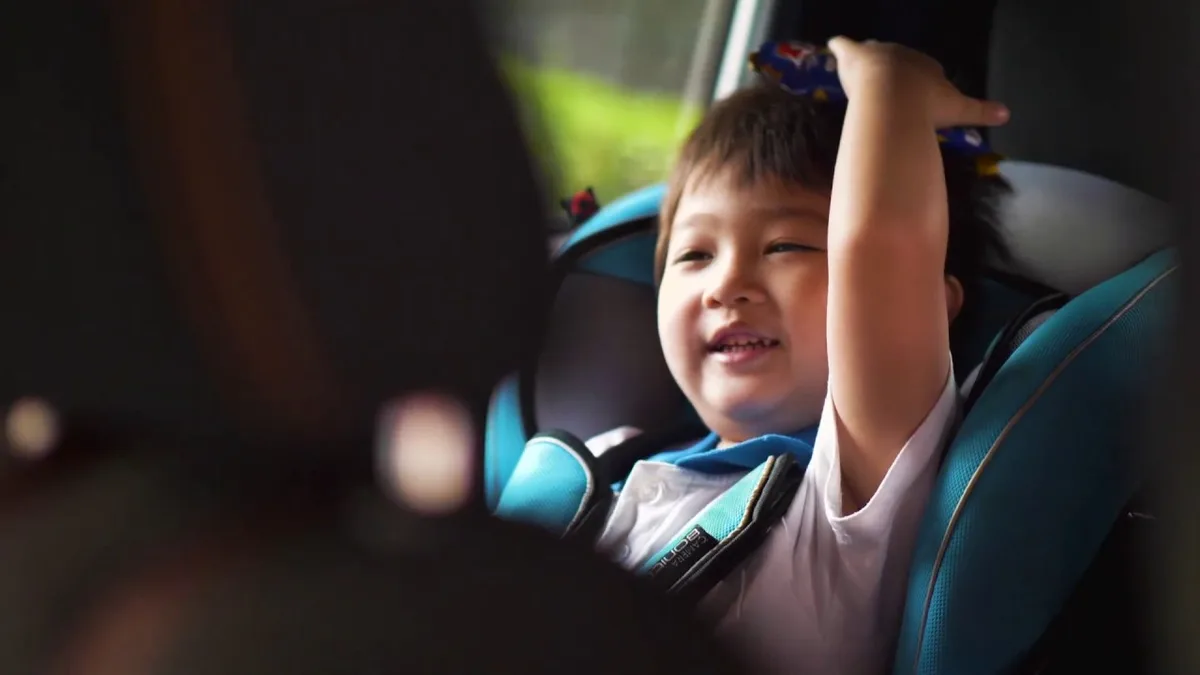
Using a car seat past its expiration date is another critical mistake. Most car seats expire 6 to 10 years after their manufacture date, printed on a label on the seat shell. Materials break down over time from heat and cold exposure, reducing crash performance.
Expired seats are not legally compliant in North Carolina, even if they look fine.
Placing a rear-facing car seat in the front passenger seat with an active airbag is a fatal error. Federal law bans this practice because deploying airbags strike the back of a rear-facing seat with enough force to kill a young child. This is illegal in North Carolina and carries the same penalty as other restraint violations.
Finally, using a used car seat with an unknown crash history is a hidden risk, per NHTSA used car seat safety guidelines. Even minor crashes can damage internal seat components that are invisible to the eye. A seat that’s been in even a low-speed crash may not perform as intended in a future collision.
Always ask for the seat’s full history before buying used.
NC Child Restraint Law Penalties, Exemptions, and Citation FAQs
What is the total cost of a North Carolina child restraint law violation?
The base fine for a first-offense child restraint violation in North Carolina is $25. Court costs add $75 to $125 for a total first-time penalty of $100 to $150. You will not receive points on your driver’s license for a first offense.
Repeated violations can lead to higher fines and license surcharges.
If you receive a citation, you can often have it dismissed by showing proof you purchased or installed the correct restraint within a set court deadline that varies by county. Many North Carolina counties offer diversion programs for first-time offenders that avoid a permanent record. You will still need to pay court fees even if the citation is dismissed.
What medical exemptions are allowed under North Carolina’s child restraint law?
Children with qualifying medical conditions that prevent use of a standard child restraint can qualify for a legal exemption with a doctor’s written note. The note must specify the medical reason a standard restraint cannot be used. It must also describe the alternative restraint or accommodation required for the child’s safety.
Exemption notes do not allow caregivers to skip restraint use entirely. They only permit use of a device that meets the child’s specific medical needs. All alternative restraints must still provide crash protection equivalent to a standard FMVSS 213 compliant seat.
Do North Carolina child restraint laws apply to taxis, rideshare vehicles, and rental cars?
North Carolina does not exempt taxis, rideshare vehicles like Uber and Lyft, or rental cars from its child restraint requirements. You must use the correct, federally approved restraint for your child in all these vehicle types. This rule applies the same way it does for your personal car.
Many rental car agencies and some rideshare services offer car seat rentals for a small fee if you are traveling. Relying on the driver to provide a seat is not a legal defense if you are stopped by law enforcement. Always bring your own seat or confirm a compliant rental option before traveling.
Where to Get Free Car Seats, Inspections, and Certified Help Across North Carolina
North Carolina runs several free and low-cost programs to help families access car seats and professional installation help. These programs are run by state agencies and local non-profits. You do not need to pay full retail price for a safe, compliant seat.
The North Carolina Division of Public Health operates a subsidized car seat program for low-income families. Eligible families can receive a free or low-cost car seat after completing a 90-minute training on proper installation and use. You can find local distribution sites through the North Carolina Division of Public Health child passenger safety page.
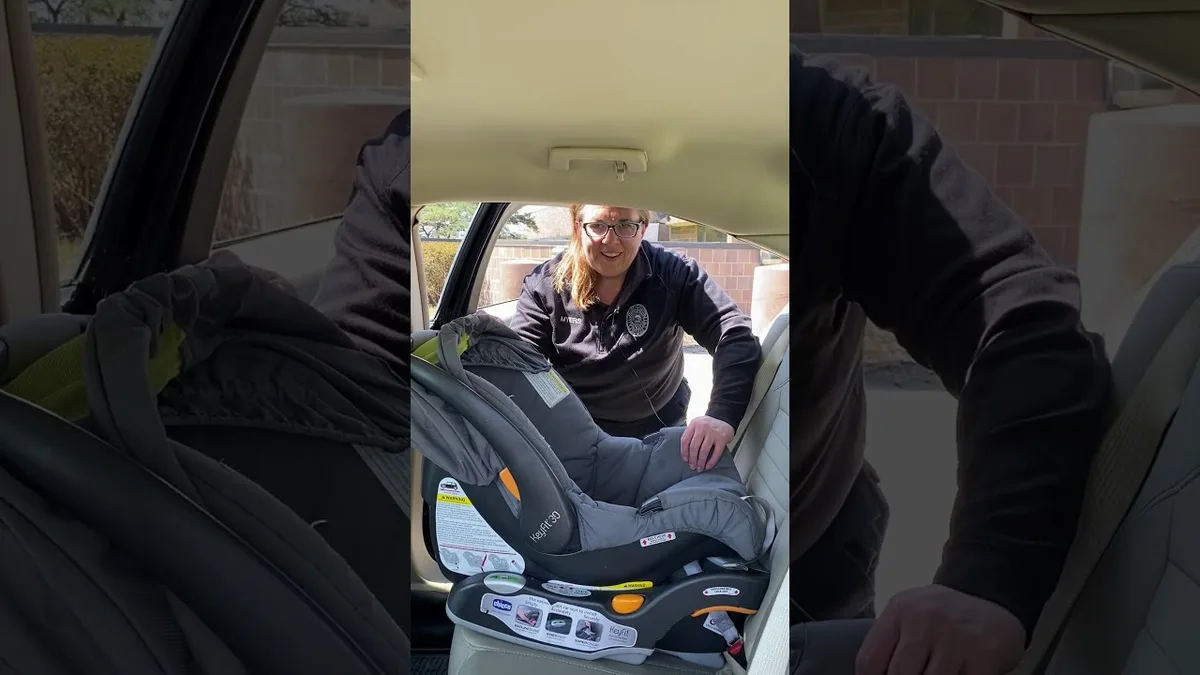
Certified North Carolina Child Passenger Safety Technicians offer free installation and fit checks at events across the state. These technicians are trained and certified by the National Child Passenger Safety Certification Board. Their advice meets national safety standards.
You can find a local technician or upcoming inspection event through the North Carolina Highway Patrol’s child passenger safety webpage. Rural North Carolina communities often have fewer scheduled events, but many local fire departments, police departments, and health clinics offer walk-in checks by appointment.
If you cannot find a local event, the National Highway Traffic Safety Administration hosts a searchable database of certified CPS Technicians across the U.S. You can filter results by North Carolina zip code to find a technician near you.
Answers to Frequently Asked Questions About North Carolina’s Child Restraint Law for Kids 8 and Under
Do North Carolina’s child restraint rules apply to out-of-state drivers traveling through the state?
Yes, North Carolina’s child restraint law applies to all drivers on state roads, regardless of residency. If you are traveling through the state with a child 8 and under, you must follow the state’s restraint requirements. Out-of-state drivers receive the same fines and penalties as North Carolina residents for violations.
Can a 7-year-old weighing 75 pounds use just a vehicle seat belt in North Carolina?
No, North Carolina law requires all children to use a belt-positioning booster seat until they turn 8 years old or reach 80 pounds, whichever comes first. A 7-year-old weighing 75 pounds must still use a booster, even if the seat belt fits reasonably well. You can switch to a seat belt alone only after they meet both thresholds or pass the 5-step seat belt fit test.
Are car seat laws different for pickup trucks and SUVs in North Carolina?
No, North Carolina’s child restraint law applies to all passenger vehicles, including pickup trucks, SUVs, and RVs. All children 8 and under must use the correct, federally approved restraint for their size. This rule applies no matter what type of vehicle they are riding in.
Rear seats are always the safest location for child passengers in any vehicle type.
How do I check if my child’s car seat has been recalled?
You can check for open recalls by entering the seat’s make, model, and manufacture date on the National Highway Traffic Safety Administration car seat recall lookup page. Register your new car seat with the manufacturer when you buy it to get direct recall notifications by email or mail. Never use a recalled seat until you confirm the recall has been fully repaired or you have received a replacement from the manufacturer.
What if my child’s car seat does not fit in my vehicle’s back seat?
If your car seat does not fit properly in the back seat, contact the manufacturer’s customer support line for guidance specific to your vehicle model. You can also bring the seat to a free CPS Technician inspection for hands-on help with fit issues. Never install a car seat in the front passenger seat if your child still fits in a rear-facing or forward-facing seat on the back, as front airbags pose a fatal risk to young kids.
Do I need a car seat for a newborn traveling home from the hospital in North Carolina?
Yes, North Carolina law requires all infants to ride in a rear-facing car seat from birth, with no age minimum. Hospitals in North Carolina will not discharge a newborn without a properly installed, federally approved rear-facing car seat. You can use an infant-only rear-facing seat or a convertible seat designed for newborn use, as long as it meets FMVSS 213 federal safety standards.