North Carolina salvage title requirements for wrecked or destroyed vehicles trip up even the most prepared car owners, rebuilders, and used car buyers every year. If you’ve just had a totaled car, you’re staring down confusing state rules instead of clear next steps. Most people don’t realize the path you take depends entirely on your specific situation, not a one-size-fits-all checklist.
Per North Carolina General Statutes Chapter 20, Article 51, a salvage title is required if repair costs hit 75% of the vehicle’s pre-damage fair market value as of 2026. That 75% threshold is just the starting line. Next, we’ll break down the exact eligibility rules that determine whether your wrecked car qualifies for a salvage title at all.
Quick Answer
North Carolina requires a salvage title for wrecked or destroyed vehicles if repair costs exceed 75% of the car’s pre-damage fair market value. You must apply within 10 calendar days of a total loss declaration. A junk certificate is required if damage exceeds 100% of pre-damage value.
Both designations are permanent on the vehicle’s title record. You cannot legally operate the car on public roads until the proper title is issued.
What Actually Qualifies as a Wrecked or Destroyed Vehicle for a North Carolina Salvage Title?
The North Carolina Division of Motor Vehicles (NCDMV) uses two clear definitions for damaged vehicles that trigger title requirements, per official state guidance. A wrecked vehicle has damage that brings repair costs to 75% or more of its pre-damage fair market value. A destroyed vehicle has damage exceeding 100% of that same pre-damage value, making repairs uneconomical.
Pre-damage fair market value is calculated using the average private party or dealer sale price for your exact make, model, year, and trim in undamaged condition. This is the same metric insurance providers use to declare total losses. If your insurer has already written your car off as a total loss, it automatically qualifies for a salvage or junk title designation.
All damage types count toward the threshold, including collision, flood, fire, and hail damage that impacts structural or mechanical systems. Cosmetic-only damage that does not affect drivability or structural integrity does not trigger salvage title requirements, even if repair costs are high.
First: Which Salvage Title Path Fits Your Situation?
The right NC salvage title path depends on your role, your vehicle’s damage level, and your end goal for the car. There are three distinct title designations, each with its own eligibility rules and use cases. If you own a wrecked repairable vehicle and plan to sell it as-is for parts, apply for a standard salvage title.
If you own a destroyed unsalvageable vehicle, apply for a junk certificate instead.
If you’re a licensed rebuilder repairing a salvage vehicle for resale or road use, first get a salvage title, then upgrade to a rebuilt salvage title after passing required inspections. If you’re shopping for a used salvage or rebuilt vehicle, verify title branding and required seller disclosures before signing any paperwork. Mixing up these paths leads to rejected applications, fines, or legal trouble if you sell a junk vehicle as a repairable salvage car.
If you’re bringing an out-of-state salvage vehicle into North Carolina, you’ll first need to meet the state’s salvage title transfer requirements before you can register it here.

If You Own the Wrecked/Destroyed Vehicle: How to Apply for a Salvage or Junk Title in NC
You must submit your salvage title or junk certificate application within 10 calendar days of your insurer declaring your vehicle a total loss. Late submissions trigger automatic $25 penalties. The core application form is NC Form MVR-19, the official state form for both salvage and junk title requests.
Gather these required documents before you start your application:
- Current vehicle title or registration proving ownership
- Insurance total loss settlement statement showing the declared value
- Completed NC Form MVR-1 odometer disclosure statement
- Valid government-issued photo ID
Submit your completed form and documents in person at any NCDMV license plate agency, or mail them to the NCDMV Title Services division. You can check appointment availability online before you visit. The $20 salvage title application fee or $15 junk certificate fee is non-refundable, even if your application is denied.
Standard processing takes 7 to 15 business days as of 2026.
You cannot legally operate the vehicle on North Carolina public roads while waiting for your title to be issued. You may apply for a temporary operating permit only if you’re transporting the car directly to a repair facility or licensed salvage yard.
If You're Repairing or Reselling a Salvage Vehicle: How to Earn a Rebuilt Salvage Title in NC
A rebuilt salvage title lets you legally register, insure, and drive a repaired salvage vehicle on North Carolina public roads. You cannot apply for a rebuilt title until you first hold a valid salvage title for the same vehicle. The process is only open to the vehicle’s current legal owner, or a licensed rebuilder with proof of ownership.
Follow these steps to earn a rebuilt salvage title in NC:
- Complete all repairs to return the vehicle to safe, roadworthy condition, with all parts compliant with Federal Motor Vehicle Safety Standards (FMVSS)
- Gather itemized repair receipts, work orders, and parts invoices with source VINs for every component used in repairs
- Schedule an inspection with an NCDMV-certified anti-theft inspection station
- Pass the inspection, then submit the inspection report, repair documentation, and a completed rebuilt salvage title section of Form MVR-19 to the NCDMV
- Pay the $25 rebuilt salvage title application fee and wait 15 to 20 business days for processing
If you fail the anti-theft inspection, you’ll receive a list of required corrections. You must fix all issues and schedule a re-inspection before submitting your rebuilt title application. Once approved, your title will carry a permanent "REBUILT" watermark.
You must disclose the vehicle’s salvage history to all potential buyers before sale, per North Carolina consumer protection law.
Salvage Title vs. Junk Certificate: Which One Do You Qualify For?
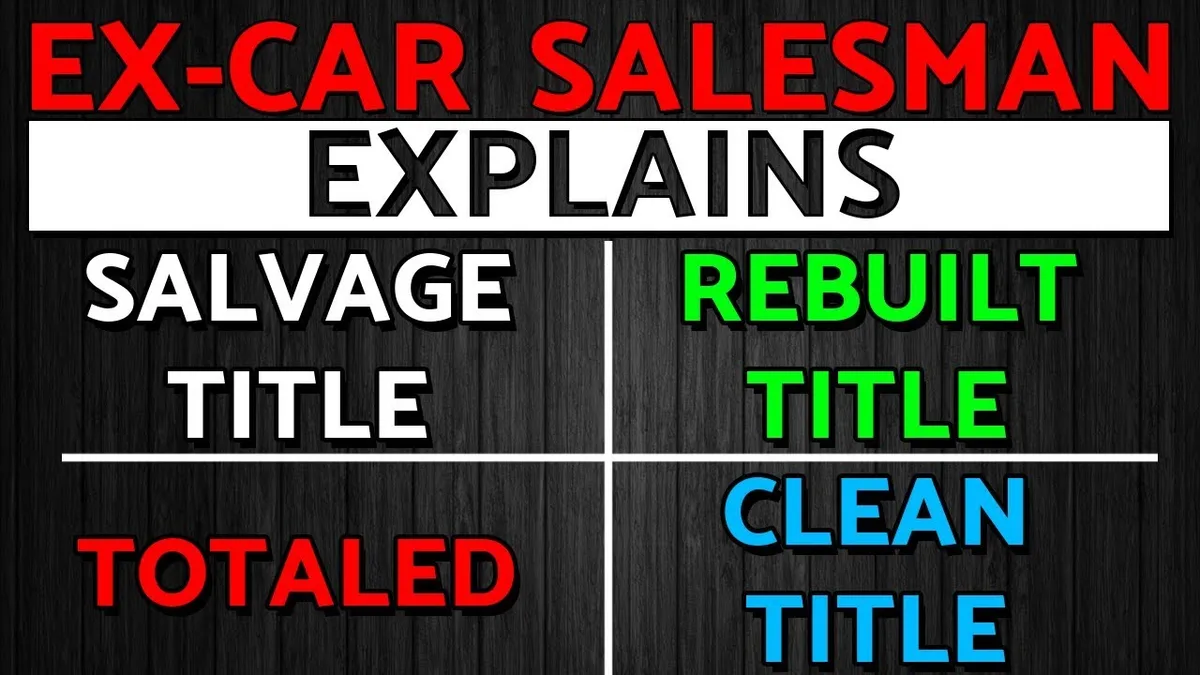
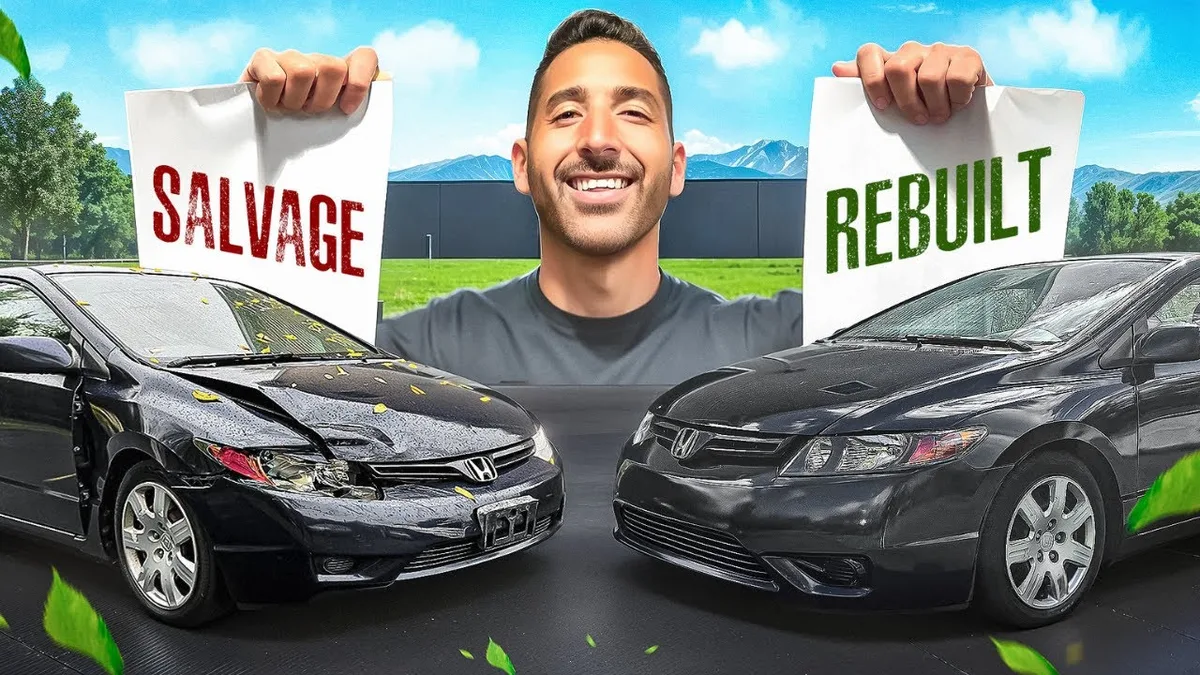
The biggest mistake North Carolina vehicle owners make is applying for the wrong title designation for their damaged car. A salvage title is for repairable wrecked vehicles, while a junk certificate is for destroyed vehicles that cannot be safely or economically repaired. The two designations have permanent, distinct watermarks on the official state title, so they cannot be swapped after issuance.
Use the table below to confirm which designation applies to your situation:
| Eligibility Threshold | Repairability | Title Branding | Resale Use Case | Upgrade Path |
|---|---|---|---|---|
| 75% or more of pre-damage fair market value in repair costs | Repairable to safe, roadworthy condition | Permanent "SALVAGE" watermark | Can be repaired and sold as a rebuilt salvage vehicle | Upgradable to rebuilt salvage title after passing NCDMV inspection |
| More than 100% of pre-damage fair market value in damage | Not economically repairable | Permanent "JUNK" watermark | Can only be sold for parts or scrap | No upgrade path, junk vehicles cannot be registered for road use in NC |
There is no overlap between the two designations, and a junk certificate cannot be converted to a salvage title later. If your vehicle’s damage falls between 75% and 100% of pre-damage value, you qualify for a salvage title, not a junk certificate. If damage exceeds 100%, you must apply for a junk certificate, and the vehicle can never be registered for road use in North Carolina again.
Common NC Salvage Title Mistakes That Delay Approvals or Lead to Fines
Most salvage title application delays come from easily avoidable paperwork errors. Incomplete repair receipts are the single most common rejection reason, per NCDMV processing data as of 2026. If your receipts don’t list exact part numbers, source VINs, and labor hours, your application will be sent back for correction.
Missing or incorrect VIN verification is another frequent snag. You must schedule a VIN check at an official NCDMV office before you submit any salvage or rebuilt title paperwork. Walk-in appointments are often same-day, but you can’t skip this step.
Late submissions trigger automatic $25 penalties. You have 10 calendar days from your total loss declaration to submit your MVR-19, no extensions granted. Failing to include a completed NC Form MVR-1 odometer disclosure will also hold up your approval.
This form is required for every salvage title, rebuilt title, and junk certificate application.
If your repair parts invoices don’t include the source VIN of each part, your rebuilt title application will be rejected immediately. Some applicants also mistakenly try to sell a junk-certified vehicle as a repairable salvage car. That’s a violation of North Carolina consumer protection law, and it carries fines up to $500 per incident.
If You're Buying a Used NC Salvage or Rebuilt Vehicle: Red Flags to Watch For
Always run a free NCDMV title check before making any offer on a used salvage or rebuilt vehicle. The official title record will show the permanent SALVAGE or REBUILT watermark, plus any prior total loss history. If the seller claims the car has a clean title but the NCDMV record shows branding, that’s an immediate dealbreaker.
Ask for full repair documentation for any rebuilt salvage vehicle you’re considering. This includes itemized receipts, parts invoices with source VINs, and the NCDMV anti-theft inspection report. If the seller can’t produce these documents, walk away.
Coastal North Carolina buyers face extra risk from undisclosed flood damage. Hurricane-related flood salvage vehicles often have hidden corrosion, mold, and electrical faults that don’t show up in a basic visual check. Always hire a trusted mechanic to inspect the vehicle before you buy, and confirm they check for flood residue in hard-to-reach areas like seat springs and electrical connectors.
Sellers are required by state law to provide a written damage disclosure statement for all salvage vehicle sales. If a seller refuses to sign this form, do not proceed with the purchase. Undisclosed salvage status can void your insurance coverage and leave you on the hook for thousands in repair costs later.
Non-Negotiable NC Salvage Title Legal and Compliance Rules
Operating an unregistered salvage vehicle on North Carolina public roads is a misdemeanor offense. You can be fined up to $200 and have your driver’s license suspended if caught driving a salvage-titled car without valid registration. Salvage vehicles may only be driven to a repair facility, inspection station, or salvage yard with a valid temporary operating permit.
All sellers of salvage or rebuilt vehicles must provide a signed damage disclosure statement to the buyer before the sale is finalized. This applies to private sales, dealer sales, and online marketplace transactions. Failure to disclose salvage status can result in civil penalties up to $500, plus damages owed to the buyer if the undisclosed damage causes financial loss.
Salvage vehicle parts sold for resale must be tagged with the source vehicle’s VIN, per NCDMV Rule 21A.0401. Licensed salvage yards that fail to tag parts correctly can have their license revoked and face fines up to $1,000 per violation. Rebuilt vehicles must meet all applicable Federal Motor Vehicle Safety Standards (FMVSS) to qualify for registration in North Carolina.
Non-compliant rebuilt vehicles will fail NCDMV inspection and cannot be registered for road use.
NC Salvage Title Fees, Processing Timelines, and Realistic Value Expectations
NC salvage title fees are flat-rate and non-refundable, even if your application is denied. Junk certificate fees are lower, but junk vehicles have no resale value beyond scrap or parts. Rebuilt salvage title fees are higher because they cover the cost of the required anti-theft inspection.
| Title Type | Application Fee | Standard Processing Timeline |
|---|---|---|
| Standard salvage title | $20 | 7 to 15 business days |
| Junk certificate | $15 | 7 to 10 business days |
| Rebuilt salvage title | $25 | 15 to 20 business days (post-inspection) |
Salvage and rebuilt vehicles sell for 30% to 50% less than comparable clean-title vehicles in the North Carolina market, per aggregate dealer pricing data as of 2026. The exact discount depends on the severity of the original damage, the quality of the rebuild, and the vehicle’s make and model. Budget buyers often target rebuilt salvage vehicles to save money on a reliable daily driver, but they should factor in higher insurance premiums and lower resale value down the line.
Insurance total loss payouts for salvage vehicles are also lower than clean-title payouts. When your insurer declares your car a total loss, they take ownership of the salvage title and subtract the estimated salvage value from your payout. If you keep the salvage vehicle, you’ll need to negotiate a separate payout for the salvage value with your insurer.
Quick Decision Guide: Pick the Right Salvage Title Path for Your Exact Scenario
If repair costs hit 75% or more of your car’s pre-damage fair market value, and the vehicle is repairable, apply for a standard salvage title within 10 calendar days of your total loss declaration. If damage exceeds 100% of pre-damage value, and the vehicle is not economically repairable, apply for a junk certificate instead. Junk vehicles can never be registered for road use in North Carolina.
If you’re a licensed rebuilder repairing a salvage vehicle for resale, first apply for a standard salvage title in your business name. Complete all repairs to FMVSS standards, then pass an NCDMV anti-theft inspection to upgrade to a rebuilt salvage title. You cannot sell or register the rebuilt vehicle until you have the official REBUILT title in hand.
If you’re shopping for a used salvage or rebuilt vehicle in North Carolina, start with a free NCDMV title check to confirm official branding. Ask the seller for full repair documentation and a signed damage disclosure statement. Never buy a salvage vehicle without a pre-purchase inspection from a trusted mechanic.
If you operate a licensed salvage yard in North Carolina, tag all salvage parts with source VINs and maintain a full inventory record for NCDMV audits. You cannot sell salvage parts without proper VIN tagging, and you cannot sell a junk-certified vehicle as a repairable salvage car. If you’re bringing an out-of-state salvage vehicle into North Carolina, complete a title transfer and meet all state inspection requirements before registering it here.