The Nevada annual registration fee for passenger cars and light trucks runs about $34 for most vehicles. But your total cost depends on where you live and what you drive. Some counties add extra fees that push the bill higher.
We pulled the current numbers from the Nevada DMV and cross-checked them with state statutes. Here is what you actually owe and how to pay without getting hit with surprise charges.

Quick Answer
The Nevada annual registration fee for passenger cars and light trucks costs $35 with the clean vehicle fee. That includes $33 base plus $1 government services plus $1 clean vehicle fee. County fees add $0 to $10 depending on where you live.
How Much Nevada Charges to Register a Passenger Car or Light Truck in 2024
The base registration fee covers most passenger vehicles equally. Nevada sets a flat rate for cars and light trucks under 6,000 pounds. That rate comes to $33.
Add the $1 government services fee and you are looking at $34 total for the state portion.

Light trucks over 6,000 pounds step up in weight tiers. The fee jumps to $48 for trucks between 6,001 and 8,000 pounds. Trucks between 8,001 and 10,000 pounds cost $63.
County fees change the final number. Clark County charges an additional $10. Washoe County has its own surcharge structure.
Rural counties usually stick closer to the base rate.
The clean vehicle fee adds another $1 for gas, hybrid, and electric cars. That applies statewide.
How Nevada's Registration Fees Actually Work
Nevada calculates registration fees differently than most states. The base fee does not scale with vehicle value. A $10,000 sedan pays the same base fee as a $60,000 truck.
The state focuses on vehicle type and weight instead.
Registration lasts exactly one year. Your renewal date ties to your birthday month. You will get a notice before the due date.
Title fees sit separate from registration fees. You pay the title transfer fee when you buy a vehicle. That is a one-time cost.
Insurance must be active before you register. Nevada requires minimum liability coverage. You will need proof of insurance at the time of registration.
You can renew online, by mail, or in person. Online renewal works for most standard situations. Some cases require a visit to the county DMV office.
The Full 2024 Fee Breakdown by Vehicle Type
| Vehicle Type | Base Fee | Gov Services Fee | Clean Vehicle Fee | Total State Fee |
|---|---|---|---|---|
| Passenger car (any weight) | $33 | $1 | $1 | $35 |
| Light truck under 6,000 lbs | $33 | $1 | $1 | $35 |
| Light truck 6,001–8,000 lbs | $48 | $1 | $1 | $50 |
| Light truck 8,001–10,000 lbs | $63 | $1 | $1 | $65 |
The table above shows state fees only. County fees sit on top of these numbers. A Las Vegas resident with a standard sedan should expect to pay around $45 total.
Someone in rural Humboldt County would pay closer to $35.
Specialty plates carry their own fees. Personalized plates, org plates, and club plates all add costs. Those range from $25 to $100 depending on the plate type.
You pay those annually alongside your standard registration.
Trailer registration follows a different schedule. Puerto Rico trailer registration 5 vs 10 year options outlines how different jurisdictions structure trailer fees.
County-Specific Add-Ons You Can't Ignore
County fees create the biggest variation in total cost. Clark County runs the highest at $10 above the state base. That makes registration nearly $15 more expensive than the state minimum.
Washoe County charges a smaller supplement. Rural counties often match the state base fee closely. Some add a small transportation impact fee.
Others do not add anything at all.
Fee differences matter when you weigh moving decisions. A driver in Clark County pays significantly more than one in Elko County. The gap is small but real.
What You Need to Register (or Renew) in Nevada
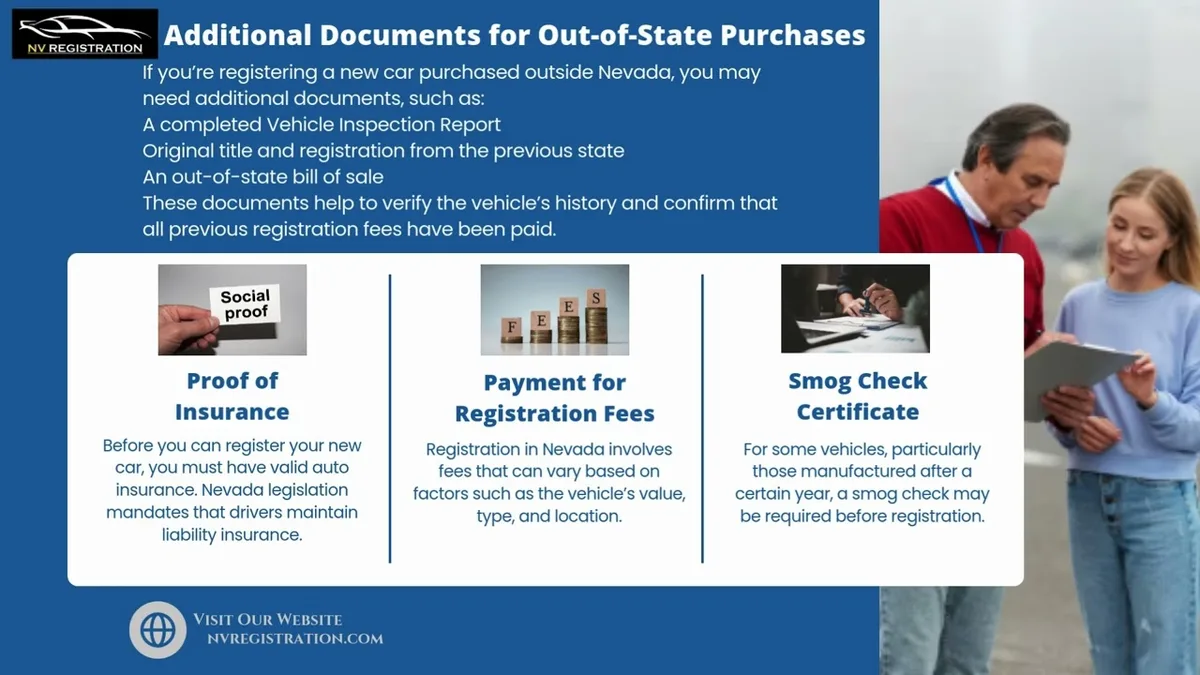
You need four things to complete registration without delays. First, bring proof of ownership. That means the vehicle title or a currently registered out-of-state title.
Second, you need valid insurance. Nevada enforces insurance requirements strictly. The DMV verifies coverage electronically.
Third, you need a valid emissions test if you live in a testing county. Clark and Washoe counties require this. The test must be current within 90 days of your registration date.
Fourth, you need a government-issued photo ID. A Nevada driver license works for residents. Out-of-state licenses work if you are in the process of establishing residency.
New residents have additional requirements. You must register your vehicle within 30 days of moving to Nevada. That includes getting a Nevada driver license and Nevada insurance.
Military personnel stationed in Nevada follow special rules. Active duty members can keep their home state registration if their home state allows it.
Step-by-Step: How to Pay Your Registration Fee
Online renewal takes about five minutes. You will need your renewal notice number. That appears on the notice mailed to you before your due date.
Pay by credit card, debit card, or e-check. Credit cards carry a small convenience fee. Debit and e-check options avoid that charge.
Your new registration and decal arrive by mail. Expect delivery within seven to ten business days. Do not drive with an expired tag while waiting.
In-person renewal works best for complex situations. New out-of-state vehicles need a VIN check. That cannot be done online.
Mail-in renewal is available but slow. You send your renewal notice, payment, and any required documents. The DMV processes it in about two weeks.
Emissions Testing—When It's Required and How It Affects Cost
Emissions testing applies only in Clark and Washoe counties. If you live in Las Vegas or Reno, you need a current test. The DMV requires results within 90 days of your registration date.
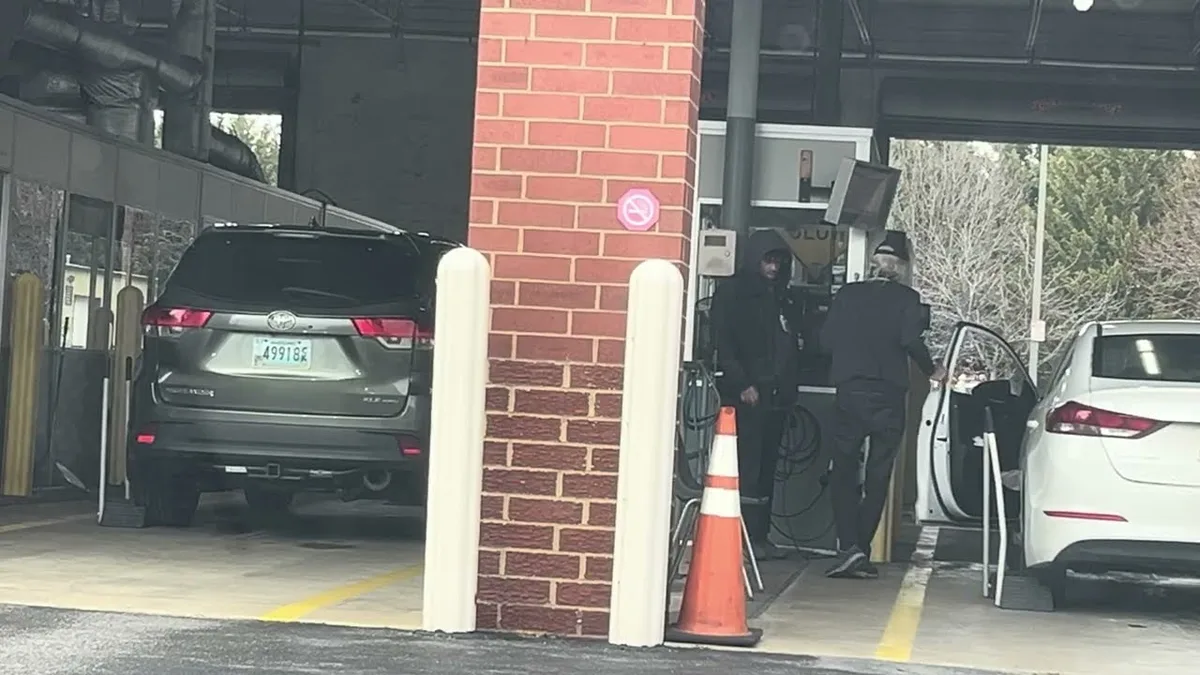
Testing costs around $30 at most stations. Some dealerships offer free testing with purchase. Independent shops charge the standard rate.
Certain vehicles qualify for exemptions. Diesel vehicles model year 1968 and older do not need testing. Vehicles newer than four years old also skip the requirement.
If your vehicle fails the test, you have 30 days to complete repairs. After that, you must retest before registering.
Late Fees, Penalties, and Other Hidden Costs
Missing your registration deadline triggers a $10 late fee. That sits on top of your normal fees. You pay $10 extra just for being past due.

Driving with expired registration creates bigger problems. Law enforcement can issue a citation. Fines start at $25 and climb from there.
Your insurance may also void coverage if your registration lapses. Insurers expect current registration as a condition of the policy.
Some fees sneak in unexpectedly. License plate transfer fees run $5 if you move plates to a new vehicle. Duplicate plate fees cost $10.
Common Mistakes That Cost Nevada Drivers Extra
People often miss the birthday-month renewal date. Nevada ties your renewal to your birth month, not the month you bought the car.
Out-of-state drivers forget the 30-day residency rule. Moving to Nevada requires registration within a month.
Skipping the emissions test in Clark or Washoe County causes delays. You cannot complete registration without it.
Paying by credit card adds convenience fees. The surcharge ranges from 2 to 3 percent.
Assuming rural counties have no extra fees. Some rural counties add small transportation surcharges.
How Nevada's Fees Compare to Other States
Nevada sits near the middle of national registration costs. California charges more for comparable vehicles. Texas runs slightly cheaper for light trucks.
Neighboring states offer useful benchmarks. Arizona registration runs about $10 cheaper for similar vehicles. Utah charges less for heavy trucks.
The Montana radar detector laws passenger vs commercial guide highlights how different states handle vehicle-related rules differently.
Where to Get the Official, Updated Numbers
The Nevada DMV website is the only source you need. Visit DMVNv.com and use their fee calculator. It pulls your county and vehicle details to show the exact amount.

County clerk websites post local surcharges. Clark and Washoe update theirs annually.
Call the DMV if the online tool seems off. Their phone lines are busy but accurate.
FAQs About Nevada Vehicle Registration Fees
How much does it cost to register a car in Nevada?
Registration costs $35 minimum for most passenger vehicles. That includes the $33 base fee and the $1 government services fee. Clark County adds $10.
Rural counties may add nothing.
When do Nevada registration fees go up?
Fees change each fiscal year starting in July. The DMV publishes updated schedules annually. Base fees remain stable for several years at a time.
Can you register a car online in Nevada?
Yes. Most renewals process online at DMVNv.com. You need your renewal notice number and payment method.
What happens if you miss your Nevada registration renewal?
You owe a $10 late fee plus your normal registration. Driving with expired tags risks a citation and fines.
Do all Nevada counties require emissions testing?
No. Only Clark and Washoe counties require emissions testing. If you live in Las Vegas or Reno, you need a current test.
Frequently Asked Questions
How much does Nevada annual registration fee for passenger cars cost?
The Nevada annual registration fee for passenger cars and light trucks costs $35 with the clean vehicle fee. That includes $33 base plus $1 government services plus $1 clean vehicle fee. County fees add $0 to $10 depending on where you live.
When is my Nevada vehicle registration due?
Your registration expires the last day of your birthday month each year. The DMV mails a renewal notice about 60 days before that date.
What counties require emissions testing for registration?
Clark County and Washoe County require emissions testing. All other Nevada counties do not.
Can you register a vehicle without insurance in Nevada?
No. Nevada requires proof of insurance before processing registration. The DMV verifies coverage through the state insurance database.
How long does online renewal take in Nevada?
Online renewal takes about five minutes if your documents are in order. You need your renewal notice number and a payment method.